
Introduction
Korean BB cream is a tinted skincare-makeup hybrid designed to combine complexion coverage with formula-dependent features such as moisturizing ingredients or sunscreen. It is commonly positioned as a lightweight option for an everyday base, although coverage, finish, shade range, and ingredients vary by product.
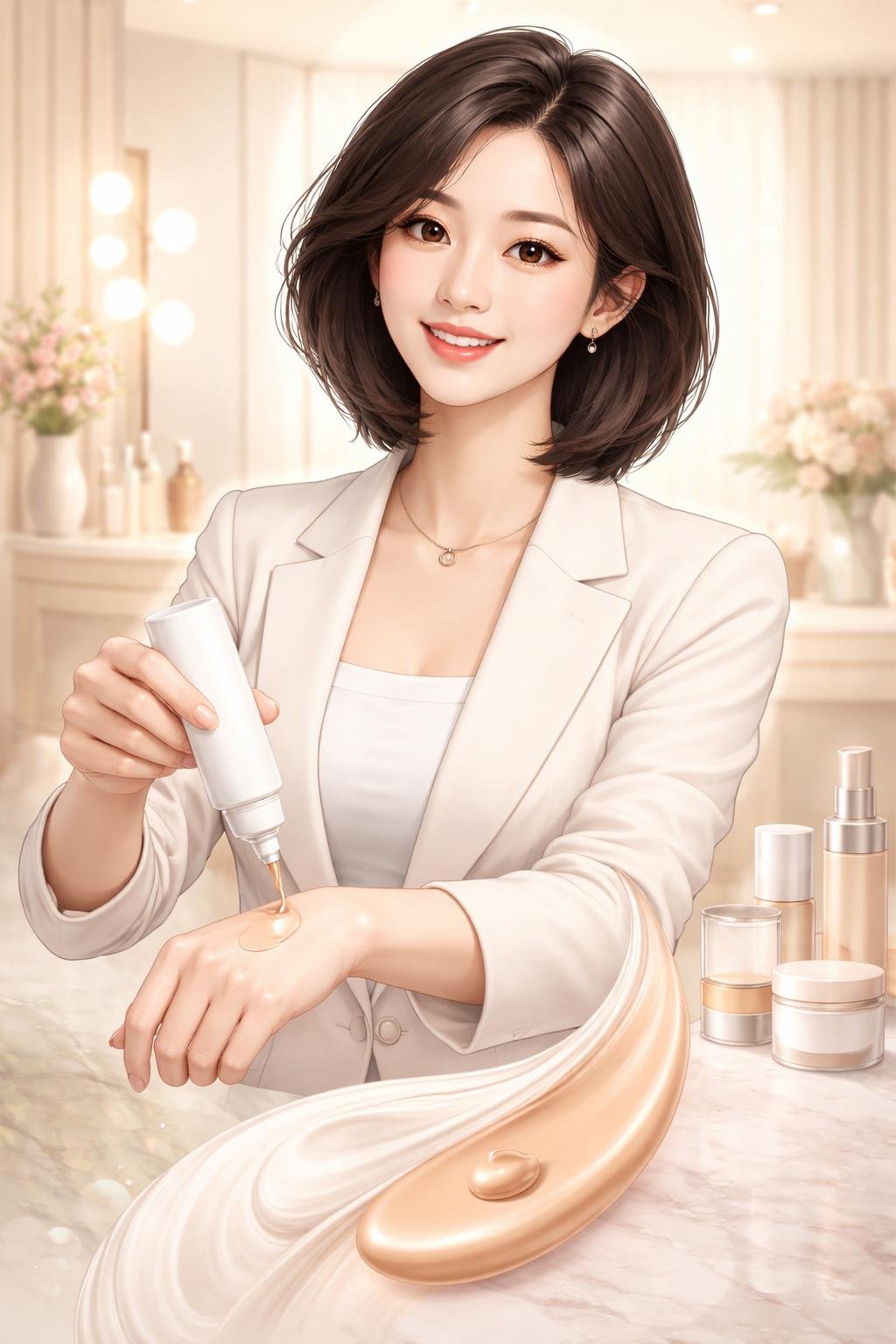
This guide explains coverage and finish terminology, shade selection, application, and the differences between BB cream, foundation, and cushion compacts. Educational visual 01 introduces the BB cream concept without representing a specific product or result.
Quick Guide
- Product type: A tinted hybrid that may combine foundation-like coverage, moisturizing features, and sunscreen.
- Typical positioning: Korean BB creams are often presented as lightweight daily complexion products associated with no-makeup makeup.
- Coverage: Light coverage is common in the category’s historical positioning, but the actual level depends on the formula and application.
- Finish: Look for the manufacturer’s description, such as natural, radiant, dewy, satin, or matte, rather than assuming every BB cream has the same appearance.
- Shades: Korean and East Asian formulas have historically had limited shade ranges, so compare current swatches and shade descriptions carefully.
- Labels: Check the current ingredient list, sunscreen directions, shade availability, and regional product information before choosing.
What Is Korean BB Cream?
BB cream is a tinted complexion product that can combine functions associated with makeup and skincare. Depending on the formula, it may provide foundation-like color, moisturizing features, sunscreen, or other cosmetic benefits listed by the manufacturer.
Korean brands adapted BB cream into a lightweight, skincare-forward daily base. During the 2000s, it became associated with simple, natural-looking complexion makeup and helped establish interest in hybrid products that do not fit neatly into a makeup-only or skincare-only category.
Coverage describes how much of the skin’s visible color variation a product can conceal. Light coverage allows more of the natural complexion to remain visible, while higher coverage conceals more. The amount applied and the application method can change how coverage appears.
Finish describes the visible surface effect after application. Terms such as dewy, radiant, natural, satin, and matte are useful starting points, but brands may use them differently.
Oxidation is a color change that may occur after a cosmetic has been exposed to air, skin oils, or other conditions. Some BB creams have been described as adjusting or oxidizing after application, but this does not mean every formula will change predictably or become a correct match.
BB Cream vs Foundation and Cushion Compacts
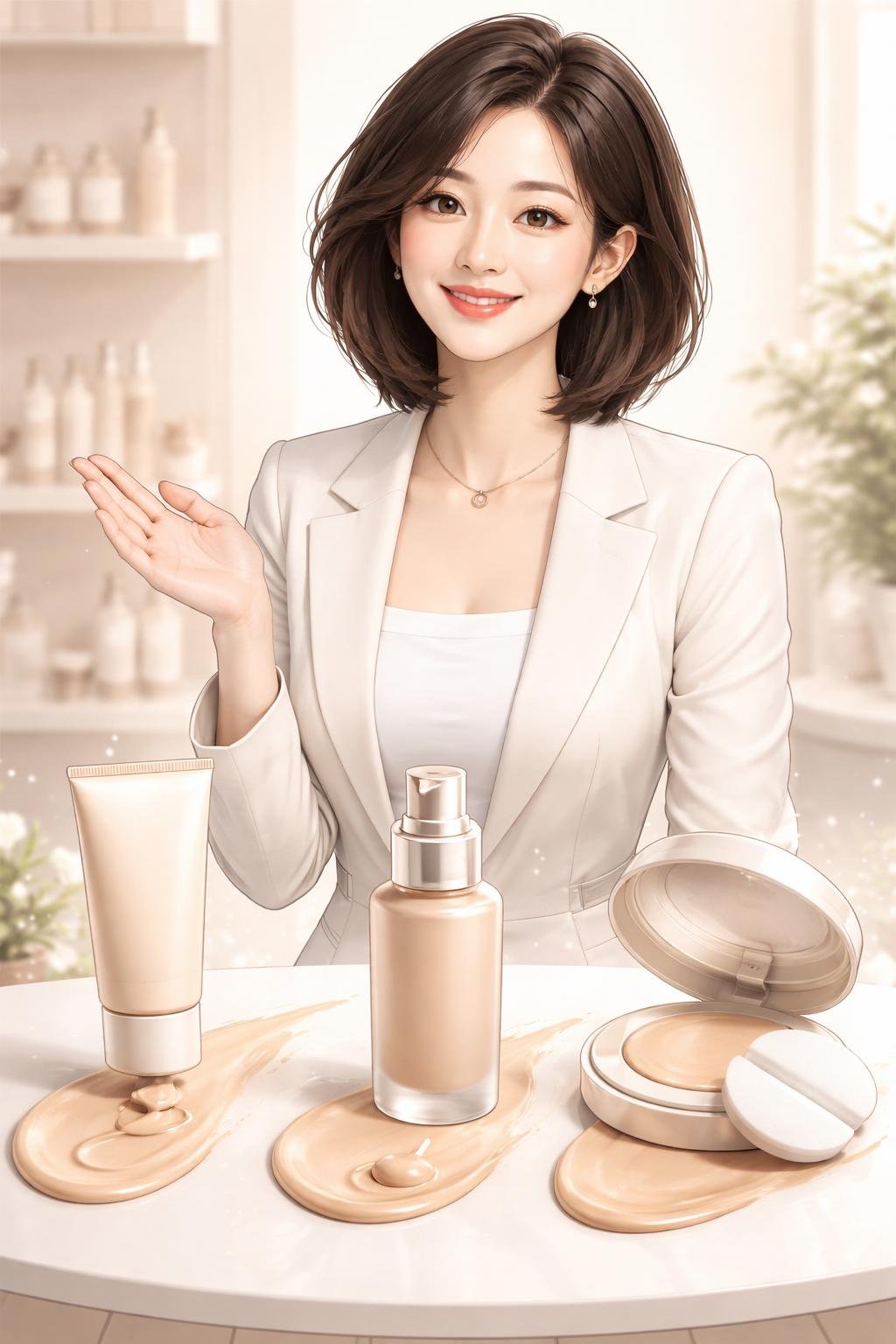
BB cream, foundation, and cushion compacts can all be used to create a more even-looking complexion, but the terms describe different product concepts. Individual formulas may overlap, so the product label is more informative than the category name alone.
| Product | General distinction | What to verify |
|---|---|---|
| BB cream | A multifunctional tinted formula that may combine foundation-like coverage, moisturizing features, and sunscreen. Some users select it when conventional foundation feels heavier than they prefer. | Coverage, stated finish, ingredients, shade, and any sunscreen directions. |
| Foundation | A complexion makeup category available in many possible coverage levels, finishes, and textures. It should not automatically be assumed to be heavier or lighter than BB cream. | Coverage level, finish, shade system, application directions, and formula details. |
| Cushion compact | A compact delivery format associated with later Korean hybrid complexion products. BB cream’s popularity helped pave the way for cushion formats, but not every cushion contains a BB cream formula. | The identity of the formula inside the compact, coverage, finish, ingredients, refill details, and sunscreen directions. |
An overview source describes BB cream coverage as often mineral-based, but this is not a universal formulation rule. A current ingredient list is necessary to determine which colorants, mineral ingredients, moisturizers, filters, or other components a particular product contains.
A BB cream may also include a labeled sun protection factor, but the presence of SPF does not establish how much product a person will apply or whether the use directions meet their broader sun-protection needs. Follow the current label and do not assume all BB creams provide identical protection.
Manufacturer-stated finish descriptions are especially important because the supplied overview and history sources do not establish detailed finish differences. Educational visual 02 compares the three product formats and highlights the label details that require product-specific checking.
How to Apply Korean BB Cream
- Prepare the skin: Complete the skincare steps that suit your routine and allow them to settle. Heavy or incompatible layers can affect how a complexion product sits.
- Start with a small amount: Place a thin layer on the face rather than applying a large amount immediately.
- Blend gradually: Use clean fingers, a sponge, or a brush according to the product directions and your preferred technique. Fingers may warm and spread a formula, while sponges and brushes can distribute it differently.
- Assess the coverage: Check the product in suitable lighting. If the formula is described as buildable, add a small amount only where more coverage is wanted.
- Complete the routine: Apply any other compatible makeup products in the order that works with the formula.
- Remove it after wear: Use an appropriate cleansing method at the end of the day and avoid leaving complexion makeup on simply because it contains skincare-related ingredients.
Applying too much at once can make blending and shade assessment more difficult. Another common mistake is waiting for an unsuitable shade to oxidize into a match; any color change can be inconsistent and should not replace careful shade selection.
Do not assume that a BB cream with SPF automatically meets every sun-protection need. Check the labeled directions and consider how the amount used, reapplication instructions, and other protective measures fit your circumstances.
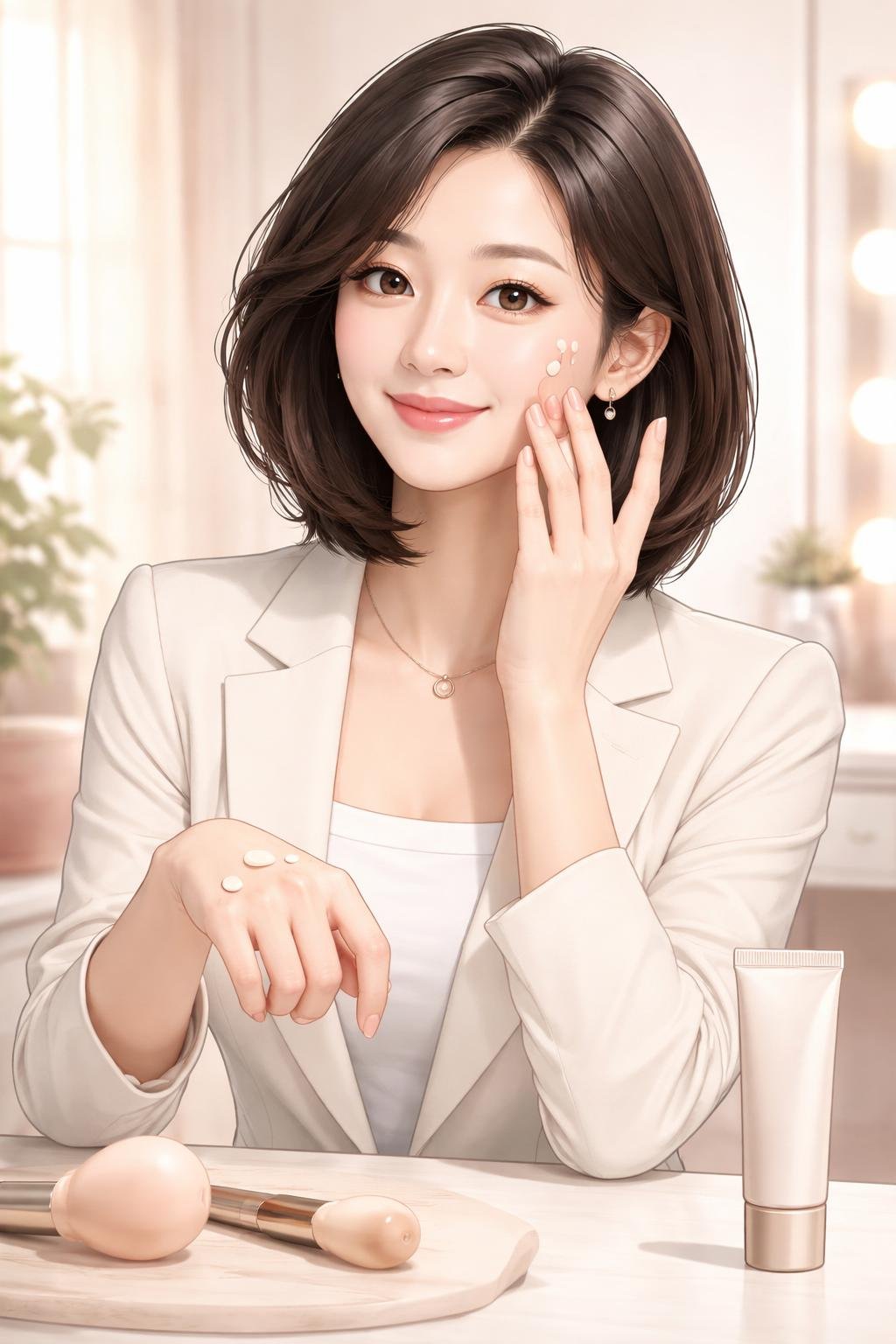
Educational visual 03 presents this gradual application sequence as a general technique rather than a promise of a particular finish or result.
How to Choose Coverage, Finish, and Shade
Choose a coverage level
Decide how much of your natural complexion you want to remain visible. A light-coverage product may suit someone seeking subtle evening of skin tone, while a person wanting more concealment should look for an explicitly buildable or higher-coverage description. Do not assume that every BB cream can be layered successfully.
Read the stated finish
Use the manufacturer’s current finish description as a starting point. Radiant or dewy labels generally indicate a more light-reflective appearance, while matte suggests less visible shine. Natural and satin sit between these ideas, but the final appearance can vary with skin preparation, application amount, lighting, and individual skin characteristics.
Compare undertone and depth
Shade depth refers to how light or deep a color is. Undertone describes the underlying color direction, which may be labeled with terms such as warm, cool, neutral, golden, pink, or olive. These labels are not perfectly standardized across brands.
Korean and East Asian BB creams have historically offered limited hues. If a range does not contain a close depth and undertone match, oxidation is not a reliable solution. Choosing another range or product type may be more practical.
Test carefully when possible
- Compare more than one nearby shade rather than relying on a single online image.
- Review swatches in suitable lighting, while remembering that screens and photography can alter color.
- Test according to retailer hygiene rules and observe the shade after the product has settled.
- Check whether the product sold in your region has the same shades, formula, and label as versions shown elsewhere.
- Read the current ingredient list and any SPF directions before use.
If you have sensitive skin or concerns about a new formula, consider testing it on a small area as appropriate for the product directions. Stop using the product if irritation occurs. Significant or persistent concerns should be discussed with an appropriate healthcare professional.
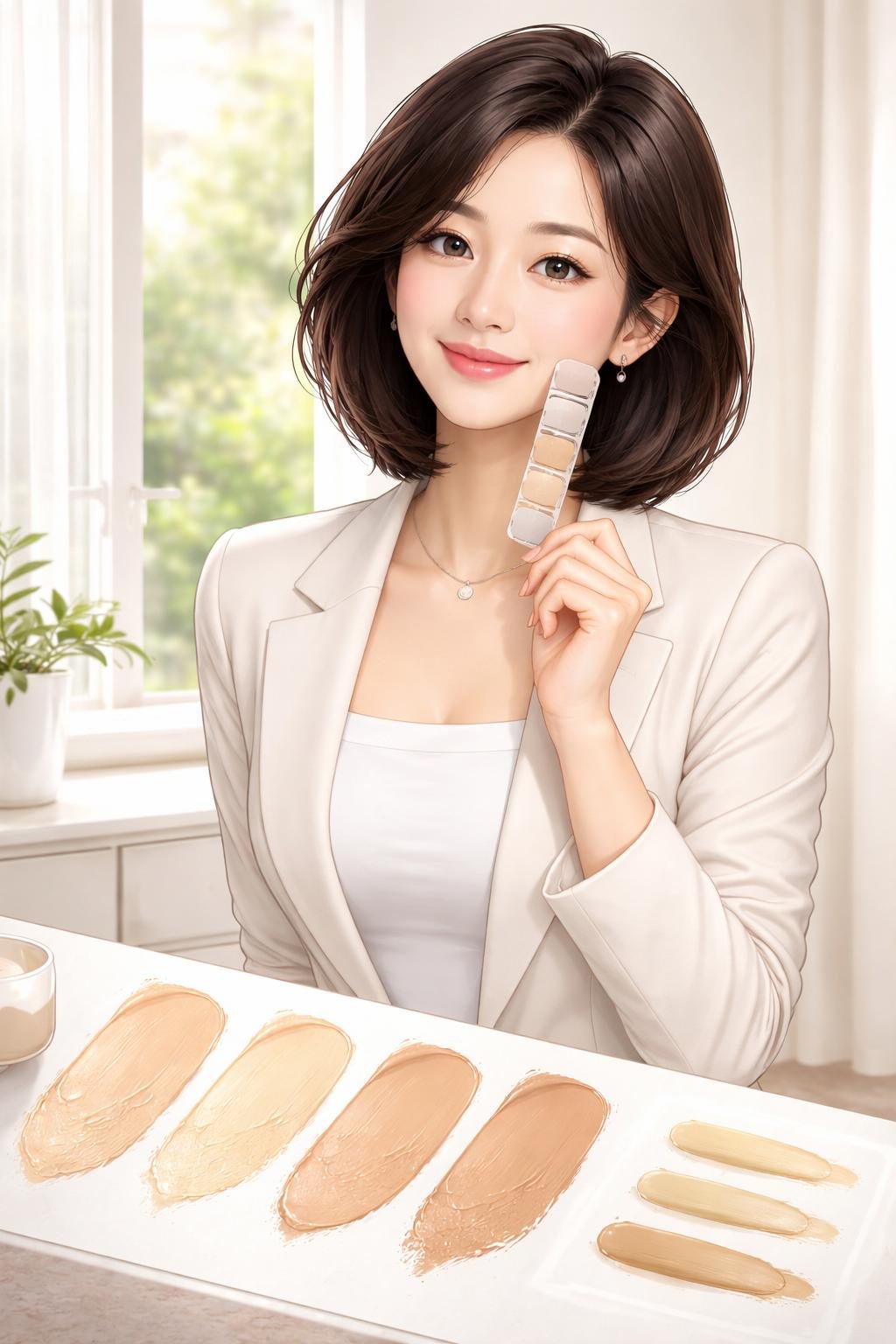
Educational visual 04 organizes coverage, stated finish, shade depth, undertone, and label checks into one beginner-friendly selection guide.
Korean BB Cream in Beauty Culture
BB creams were developed for daily commercial use in South Korea in the 1980s. Korean brands later adapted and promoted the category during the 2000s as a lightweight, skincare-forward product with complexion coverage and, in some formulas, sunscreen.
This positioning supported the product’s association with everyday no-makeup makeup. BB cream’s success also helped pave the way for later hybrid formats, including cushion compacts, without making the two categories identical.
International shoppers should avoid treating Korean BB cream as one fixed formula or assuming that all products reflect the same beauty practice. Verify official descriptions, current shade availability, ingredient labels, sunscreen directions, and regional versions. Packaging or product names seen in older content may not match what is currently sold.
K-Nana Beauty Guide
Fictional educational example: Nana is a fictional beauty guide, not a reviewer describing a real event or personal product result.
Nana first decides that she wants light coverage and a natural-looking finish. She checks the manufacturer’s current description instead of assuming that every Korean BB cream is lightweight or dewy.
She then compares nearby shades by depth and undertone. Rather than choosing a visibly unsuitable shade and expecting oxidation to correct it, she selects the closest available match. If none appears suitable, she considers another shade range.
Before application, Nana reads the ingredient list, directions, and any sunscreen information on the current label. She applies a thin layer and blends it gradually. Only after assessing the coverage does she decide whether the formula’s directions and texture permit another light layer.
This fictional process illustrates a cautious selection method and does not guarantee how any BB cream will look, wear, or feel on an individual.
Frequently Asked Questions
Is Korean BB cream the same as foundation?
No. BB cream is generally positioned as a multifunctional tinted hybrid that may combine foundation-like coverage with moisturizing features or sunscreen. However, formulas overlap, and a particular foundation may feel lighter than a particular BB cream.
How much coverage does BB cream provide?
Light coverage is common in the category’s historical positioning, but coverage varies. Check the manufacturer’s description to learn whether a specific formula is sheer, light, medium, or buildable.
How can I choose a BB cream shade when the range is limited?
Compare shade depth and undertone, review multiple swatches in suitable lighting, and test when possible. Do not depend on oxidation to turn an unsuitable color into a close match. If the available shades do not suit you, consider another range or complexion product.
Is a cushion compact the same product as BB cream?
Not necessarily. A cushion compact is a delivery format, while BB cream describes a type of tinted hybrid formula. BB cream influenced the development of later hybrid formats, but the contents of a cushion must be verified from its current product information.
Can BB cream with SPF replace a separate sunscreen?
Do not assume that it can. Follow the current product label and consider the amount applied, reapplication directions, exposure conditions, and your individual needs. A BB cream’s SPF claim does not mean every user will apply it in the same way as a dedicated sunscreen.
Final Takeaway
Treat Korean BB cream as a formula-dependent tinted hybrid rather than a standardized product. Choose one by its stated coverage, manufacturer-described finish, ingredients, and the closest available shade match.
Check current labels and regional product information instead of relying on assumptions about oxidation, SPF, or the entire category. Educational visual 05 reinforces the final practical reminder: compare the shade, read the label, and begin with a thin layer.
References
- BB cream – Wikipedia: https://en.wikipedia.org/wiki/BB_cream
- How BB Cream Reached and Was Perfected in Korea | KoreaPlus: https://koreaplus-lifes.com/guide/kb/history/bb-cream-korea-history
These sources support the historical background, lightweight hybrid positioning, general coverage context, traditionally limited shade ranges, and influence on cushion formats. Detailed finish descriptions and product-specific claims should be checked against current official manufacturer information.
Image Credits
- Educational visual 01: An original AI-generated introduction to BB cream as a tinted skincare-makeup hybrid.
- Educational visual 02: An original AI-generated comparison of BB cream, foundation, and cushion formats with general label features.
- Educational visual 03: An original AI-generated step-by-step diagram showing gradual BB cream application.
- Educational visual 04: An original AI-generated guide to coverage, finish terminology, shade depth, undertone, and testing considerations.
- Educational visual 05: An original AI-generated reminder to check current labels, compare close shades, and apply a thin initial layer.
All five visuals are illustrative educational artwork. They do not depict actual products, packaging, ingredients, application results, or real events.
Disclaimer
This article provides general educational information and is not medical advice, diagnosis, or treatment. Cosmetic formulations, ingredients, labels, availability, and prices can change, and individual skin responses vary.
Verify current product information, ingredients, shade availability, and use directions with the official manufacturer. Consult an appropriate healthcare professional about significant or persistent skin concerns.
AI-generated images are illustrative and may not accurately represent actual products, packaging, ingredients, application results, or clinical outcomes.