
Introduction
A Korean sleeping mask is a leave-on skincare product designed for overnight wear. It may also be called a sleeping pack, overnight mask, or 수면팩.
This guide explains the terminology, common product types, differences between sleeping masks and night creams, application steps, selection considerations, and cosmetic-safety basics. Because formulas and directions vary, the current label on the specific product should guide how it is used.
Quick Guide
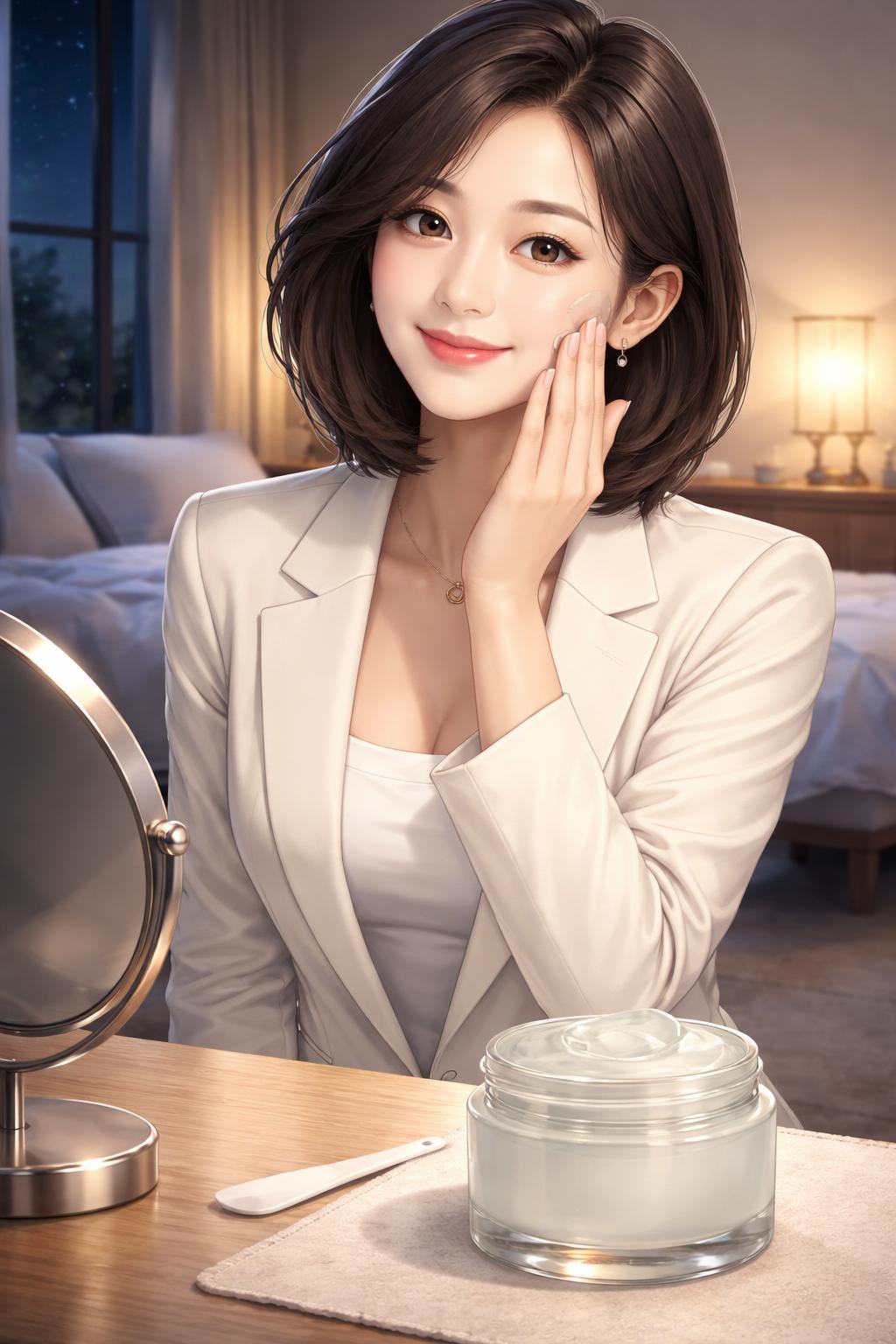
- A Korean sleeping mask is applied during an evening skincare routine and left on overnight.
- Unlike a rinse-off mask, it is not normally removed shortly after application.
- Some formulas replace night cream, while others are intended to be layered over moisturizer.
- Texture, suggested amount, frequency, and morning cleansing directions vary by product.
- Read the current directions, ingredient list, and warnings before use.
The product label should take priority over a general routine found online.
What Is a Korean Sleeping Mask?
A sleeping mask or sleeping pack is a cosmetic product that remains on the skin while the user sleeps. The Korean term 수면팩 is commonly translated as “sleeping pack.” It belongs to a different use category from a mask that must be rinsed off after a short application period.
There is no universal rule about where every sleeping mask belongs in a routine. One supplied overview describes sleeping masks as replacements for a usual night cream, while the supplied KoreaPlus glossary describes a sleeping pack as a final step used over moisturizer.
These descriptions are not necessarily interchangeable instructions for every formula. A product may be designed to replace moisturizer, follow moisturizer, or serve another label-specified role. Check the manufacturer’s current directions rather than relying only on the words “mask” or “pack.”
Types, Formulations, Ingredients, and Night Cream Differences
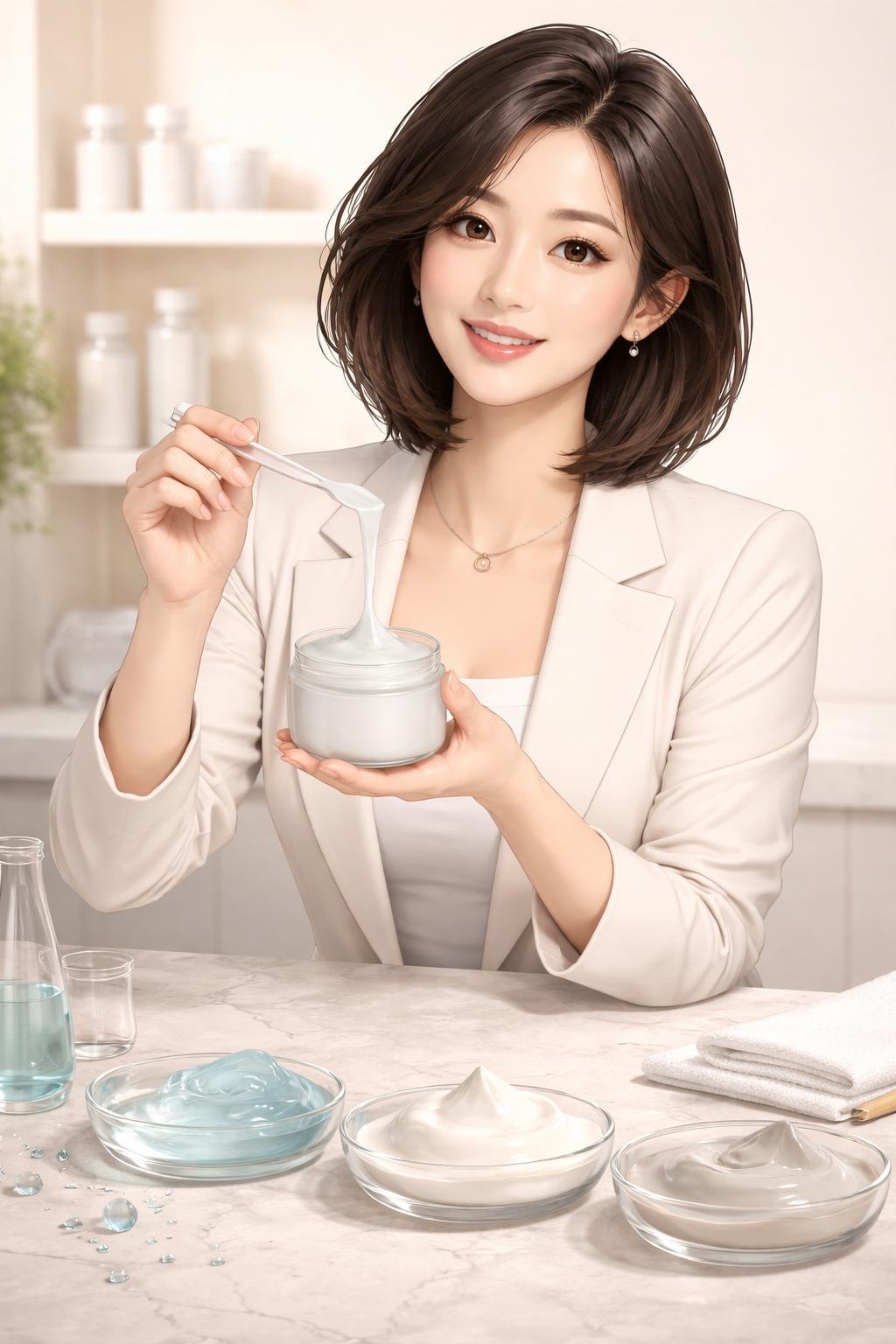
Common textures and formulation styles
Sleeping masks are sold in textures such as lightweight gels, gel-creams, creams, and richer balms. Texture alone does not establish how effective, gentle, or suitable a product will be for an individual.
Formulas can also differ in fragrance, finish, packaging, and the way they are intended to fit into a routine. Product categories overlap, so a rich sleeping mask may resemble a night cream, while a light one may resemble a gel moisturizer.
Sleeping mask, night cream, and rinse-off mask
| Product category | Typical use | Important qualification |
|---|---|---|
| Sleeping mask or sleeping pack | Worn overnight as directed. | It may replace night cream or follow moisturizer, depending on the label. |
| Night cream | Used as an evening moisturizer. | The boundary between a night cream and a sleeping mask is not universal. |
| Rinse-off mask | Removed after the time stated in its directions. | It should not be treated as an overnight product unless the manufacturer expressly directs overnight wear. |
Reading the formula information
Review the full ingredient list rather than relying solely on front-label descriptions. This is particularly useful when checking for fragrance or ingredients that have caused a previous personal reaction.
An ingredient list does not by itself guarantee how a complete formula will feel or perform. Avoid assuming that one highlighted ingredient determines the product’s overall suitability.
Also confirm that the directions identify the product as leave-on skincare. FDA information notes that an ingredient suitable for a rinse-off cosmetic may not necessarily be suitable in a product left on the skin for hours, which makes the intended use important.
How to Use a Korean Sleeping Mask
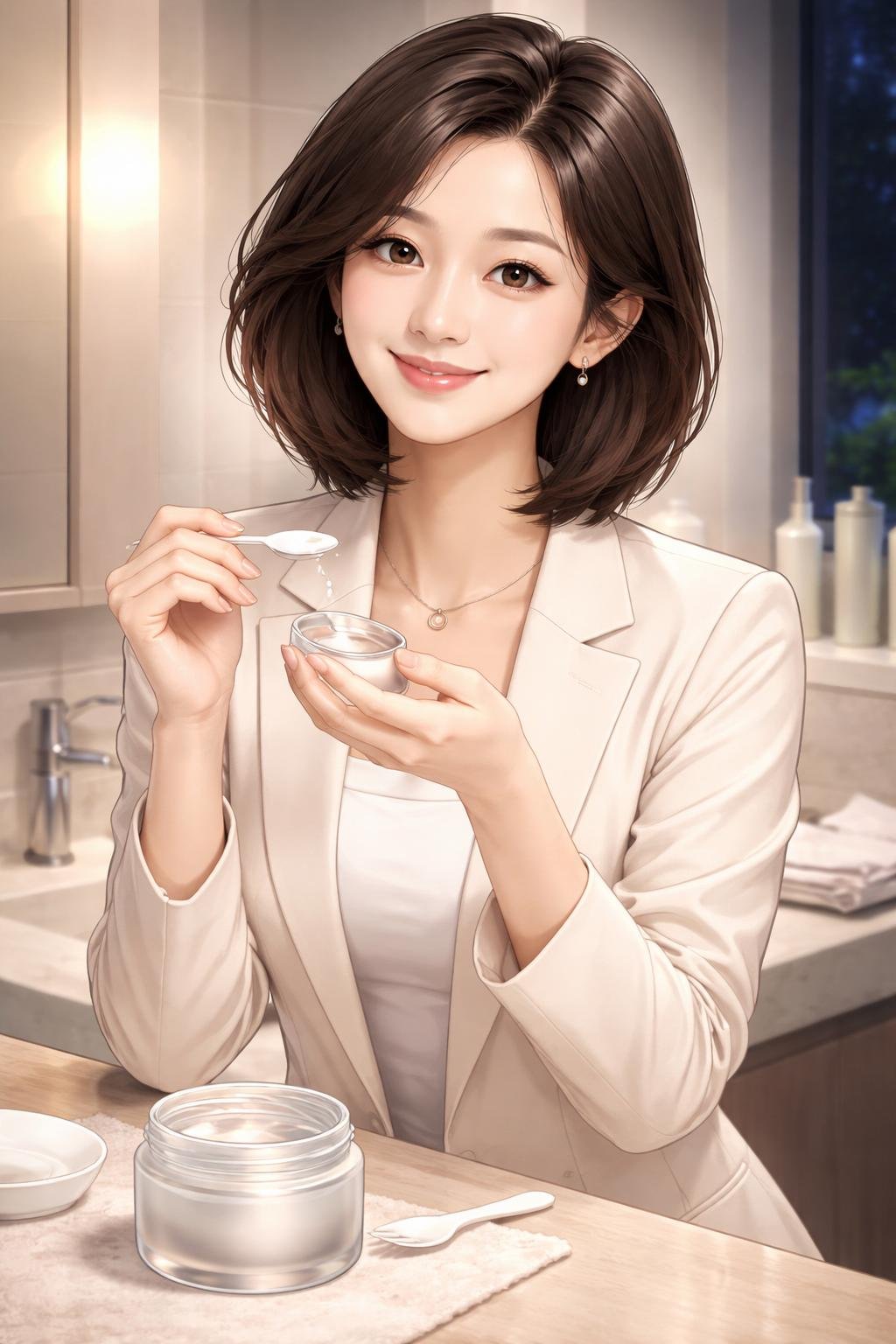
- Wash and dry your hands before handling the product.
- Complete the earlier steps of your evening routine, using only products you normally tolerate.
- Read the sleeping mask’s directions to determine whether it replaces night cream or follows moisturizer.
- Apply the label-directed amount evenly without deliberately placing it in the eyes, mouth, or other areas excluded by the warnings.
- Leave it on for the stated period, which is commonly overnight for this product category.
- Cleanse or rinse in the morning if the directions instruct you to do so.
How often to apply it
There is no single correct frequency for every sleeping mask. Some labels may permit frequent use, while others recommend occasional application. Start with the stated directions and consider how the product fits with the rest of the routine.
Hygiene and storage
Use clean hands or a clean applicator, keep the container clean, and close it tightly after use. Follow the stated storage instructions and avoid exposing cosmetics to temperature extremes.
Common mistakes
- Do not assume every sleeping mask belongs over moisturizer.
- Do not apply extra product in the belief that a thicker layer must work better.
- Do not leave a rinse-off mask on overnight unless its directions explicitly permit that use.
- Do not continue using a product that has developed an unexpected change in color or smell.
A simple routine that follows the product’s instructions is preferable to forcing every sleeping mask into the same multi-step sequence.
How to Choose and Use a Sleeping Mask Safely
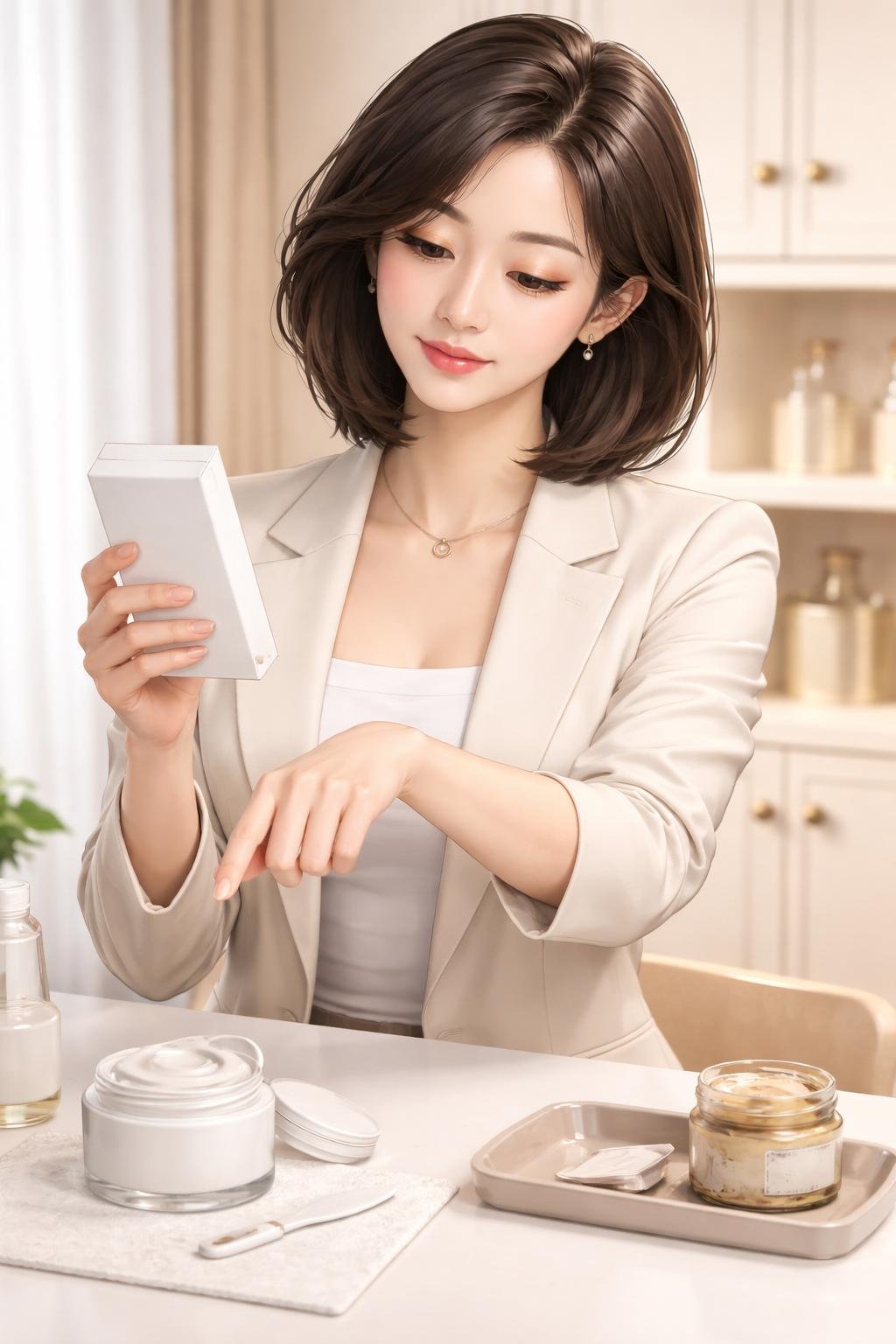
Choose a texture that suits your preferences and existing routine. Someone who dislikes a heavy finish may prefer to examine gel or gel-cream options, while someone seeking a richer texture may compare cream-style products. These are selection preferences, not guarantees of results.
If you are sensitive to fragrance or have reacted to cosmetics before, review the current ingredient list and warnings carefully. Packaging, online listings, and formulas can change, so verify information through the official manufacturer when possible.
A cautious patch test on a small area may help identify an obvious personal reaction before broader use, but it cannot guarantee that irritation will not occur later. Avoid introducing several unfamiliar cosmetics at the same time if doing so would make it difficult to identify which product caused a reaction.
Follow all directions and warnings. Terms such as “natural,” “organic,” or “hypoallergenic” do not guarantee that a cosmetic will be safe or non-irritating for every person.
Discard a product if its color or smell changes unexpectedly. Keep containers clean and tightly closed, and observe any printed period-after-opening or disposal information.
If redness, a rash, burning, or another unexpected reaction occurs, stop using the product. Contact an appropriate healthcare professional when a reaction is significant, concerning, or persistent.
Finally, remember that overnight exposure is different from brief rinse-off use. Use only a formula whose directions support leaving it on for the intended length of time.
Sleeping Packs in Korean Beauty Culture
In Korean beauty terminology, 수면팩 refers to a sleeping pack. The supplied Vogue overview reports that the category became popular in South Korea before attracting wider attention in the United States.
This background does not mean that every Korean brand defines or formulates the category in exactly the same way. Korean routines also vary by person, season, preferences, and the products being used.
International shoppers may encounter translations such as “sleeping pack,” “sleeping mask,” and “overnight mask.” Instead of treating one English term as a reliable application instruction, check the official product description, ingredient list, warnings, and directions for the market in which the item is sold.
K-Nana Beauty Guide
Fictional educational example: Nana is a fictional beginner comparing an unfamiliar sleeping mask with her usual evening moisturizer. She first reads the current label and confirms that the product is intended to remain on overnight.
The directions say whether the mask should replace moisturizer or be applied afterward. Nana follows that instruction rather than assuming that every sleeping pack uses the same order.
She washes her hands, keeps the container clean, and uses the stated amount. She does not add a thick extra layer or combine the mask with several other unfamiliar products.
Nana pays attention to how her skin responds. If she notices unexpected irritation, she stops using the mask and seeks appropriate professional advice if the concern is significant or persistent. This fictional scenario demonstrates a cautious process and is not a product review or a claim about results.
Frequently Asked Questions
1. Does a sleeping mask replace moisturizer?
Sometimes. Certain products are presented as alternatives to night cream, while others are intended to be layered over moisturizer. Follow the directions for the specific formula.
2. Can I use a sleeping mask every night?
Only if the product directions support that frequency and your skin tolerates it. There is no universal schedule for all sleeping masks.
3. Must a sleeping mask be washed off in the morning?
Check the label. Because a sleeping mask is worn overnight, its directions may call for normal morning cleansing or rinsing, but instructions can vary.
4. How is a sleeping mask different from a night cream?
A night cream is generally used as an evening moisturizer. A sleeping mask is marketed as an overnight mask or pack, but its texture and function may overlap with night cream. The most practical distinction is how the manufacturer directs the product to be used.
5. What should I do if irritation occurs?
Stop using the product if you develop redness, a rash, burning, or another unexpected reaction. Contact an appropriate healthcare professional if the reaction is significant, concerning, or persistent.
Final Takeaway
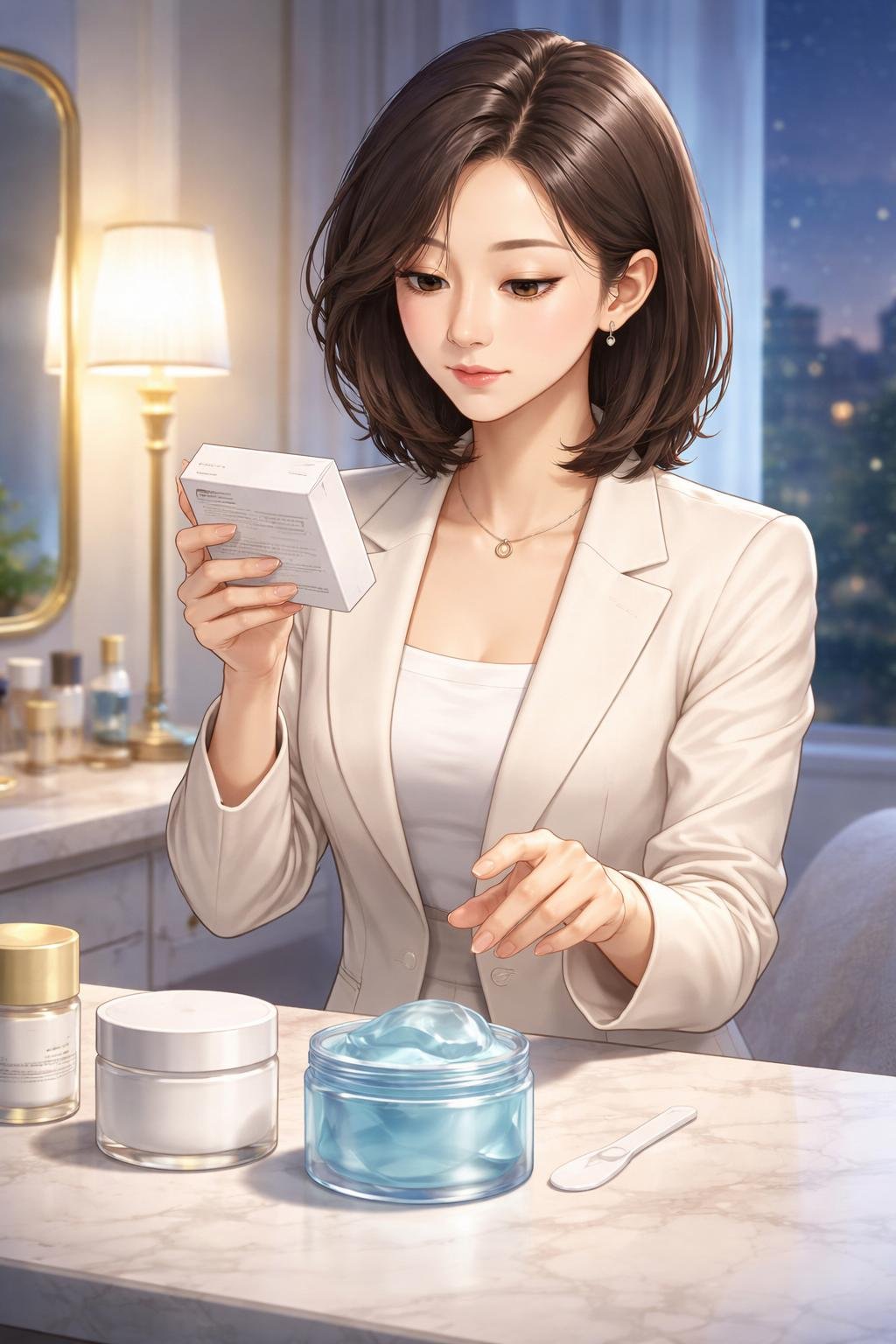
A Korean sleeping mask is an overnight leave-on cosmetic, also commonly called a sleeping pack or 수면팩. It should not be confused with a mask intended for short contact and rinsing.
Terminology and layering instructions are not universal. A sleeping mask might replace night cream or follow moisturizer, so the current product label should control the application order, amount, frequency, and morning removal steps.
Choose according to the formula, texture, warnings, and your own preferences rather than category claims alone. Individual skin responses differ, making careful use and attention to unexpected reactions essential.
References
- Using Cosmetics Safely | FDA — https://www.fda.gov/cosmetics/resources-consumers-cosmetics/using-cosmetics-safely. Supports guidance on labels, directions, warnings, hygiene, storage, product changes, marketing terms, and unexpected reactions.
- Prohibited & Restricted Ingredients in Cosmetics | FDA — https://www.fda.gov/cosmetics/cosmetics-laws-regulations/prohibited-restricted-ingredients-cosmetics. Supports the distinction between rinse-off and extended leave-on exposure and the importance of safe-use directions and warnings.
- Why a Korean Sleep Mask Is the New Winter Skin-Care Essential | Vogue — https://www.vogue.com/article/korean-sleeping-masks-packs-night-cream-moisturizers. Supports the overview of overnight use, replacement of night cream in some descriptions, and the category’s popularity in South Korea before wider United States attention.
- Sleeping pack — K-beauty glossary | KoreaPlus — https://koreaplus-lifes.com/kbeauty/kb/term/sleeping-pack. Supports the definition of 수면팩 and the description of a sleeping pack as a final step used over moisturizer.
These references support the definitions, cultural context, use distinctions, and cosmetic-safety guidance presented above.
Image Credits
- Original AI-generated educational visual 01: an illustrative overview of an overnight sleeping mask within a simple evening skincare context.
- Original AI-generated educational visual 02: an illustrative comparison of gel, gel-cream, cream, and balm-like textures with a label-reading concept.
- Original AI-generated educational visual 03: an illustrative sequence showing clean hands, label checking, application, overnight wear, and label-directed morning cleansing.
- Original AI-generated educational visual 04: an illustrative safety checklist covering directions, warnings, ingredient review, hygienic handling, and monitoring for irritation.
- Original AI-generated educational visual 05: an illustrative final reminder to verify whether a sleeping mask replaces or follows moisturizer and to follow the current label.
All five visuals are original AI-generated educational illustrations. They are not records of real events or exact depictions of actual products, packaging, ingredients, or results.
Disclaimer
This article provides general educational information and is not medical advice, diagnosis, or treatment. Cosmetic formulations, ingredients, labels, availability, and prices can change, and individual skin responses vary.
Verify current directions, warnings, ingredients, and other product information with the official manufacturer. Consult an appropriate healthcare professional about significant, concerning, or persistent skin problems or unexpected reactions.
AI-generated images are illustrative and may not accurately represent actual products, packaging, ingredients, application results, or clinical outcomes.