
Introduction to Korean Skincare Exfoliation
Exfoliation removes or loosens material from the skin’s surface through physical action, chemical ingredients, or a combination of both. In Korean skincare, exfoliators appear in several formats, including peeling gels, pre-soaked toner pads, rinse-off treatments, and leave-on liquids.
This Korean exfoliation guide explains how those formats differ, what AHAs and BHAs are, where exfoliation fits into a basic routine, and how beginners can use label directions, patch testing, and sun protection to make more cautious choices.
Quick Guide

| Exfoliator type | Typical use | Key point |
|---|---|---|
| Peeling gel | Usually massaged over the skin and rinsed off | Use gentle pressure and follow directions about wet or dry application. |
| Exfoliating toner pad | Usually wiped over the skin; some products may require rinsing | Check both the pad texture and the ingredients in its liquid. |
| Short-contact acid product | Applied for the stated contact time and then rinsed off | Do not leave it on longer than directed. |
| Leave-on AHA or BHA | Applied after cleansing and left on unless the label says otherwise | Introduce it cautiously and avoid overlapping exfoliators in the same session. |
A basic order is cleanser, exfoliator, hydrating or moisturizing steps, and daytime sun protection. The exact order can change with the formulation, so the current product label takes priority. Patch testing is particularly important for BHA products, and acid users should follow appropriate sun-protection precautions.
What Korean Skincare Exfoliation Is
Cosmetic exfoliation is a surface-care step. Physical exfoliation uses rubbing, textured material, or particles to help lift surface buildup. Chemical exfoliation uses ingredients such as alpha hydroxy acids or beta hydroxy acids. Some products combine a textured format with exfoliating ingredients.
A product format is not the same thing as its active ingredient. A toner pad describes a pre-soaked pad, but its liquid may contain an acid, a non-acid formula, or a mixture of ingredients. Likewise, a peeling gel describes a texture and application method rather than one universal ingredient formula.
Products marketed within Korean skincare can therefore work in different ways. Some require massage and rinsing, some have a short contact time, and others are designed to remain on the skin. Terms such as “peeling,” “toner,” or “daily” do not replace the official directions.
Peeling Gels, Toner Pads, AHAs, and BHAs

Peeling gels
A peeling gel is generally spread over the skin and gently massaged until soft rolls or clumps form. It is then rinsed away when directed. The visible material can include product that has pilled or rolled together, along with oils and surface debris; it should not automatically be interpreted as a visible measurement of removed skin.
Directions vary. One gel may be intended for dry skin, while another may call for damp skin. Massage time and areas to avoid must also come from the product label.
Exfoliating toner pads
Exfoliating pads are pre-soaked with a liquid formula. The pad may have a smooth surface, a textured surface, or different textures on each side. Texture affects the amount of physical friction, while the liquid determines which cosmetic ingredients are deposited on the skin.
Evaluate these two features separately. A textured pad is not automatically an acid product, and an acid-containing pad does not need vigorous rubbing to work as directed. Check whether the product is leave-on or rinse-off and whether the manufacturer limits its frequency or application areas.
AHAs
Alpha hydroxy acids are cosmetic exfoliating ingredients. According to the supplied FDA guidance, glycolic acid and lactic acid are the predominant AHAs used in cosmetics. AHA formulations can be daily leave-on treatments or short-contact products that require thorough rinsing, so products containing the same broad ingredient class are not necessarily interchangeable.
BHAs
Beta hydroxy acids are also used as cosmetic exfoliants. The FDA identifies salicylic acid as the BHA most commonly used in cosmetics and notes that relevant labeling may also include terms such as salicylate, sodium salicylate, or willow extract. Because a full ingredient list and formulation context matter, readers should verify the current label rather than relying only on the front of the package.
How to Use Korean Exfoliators
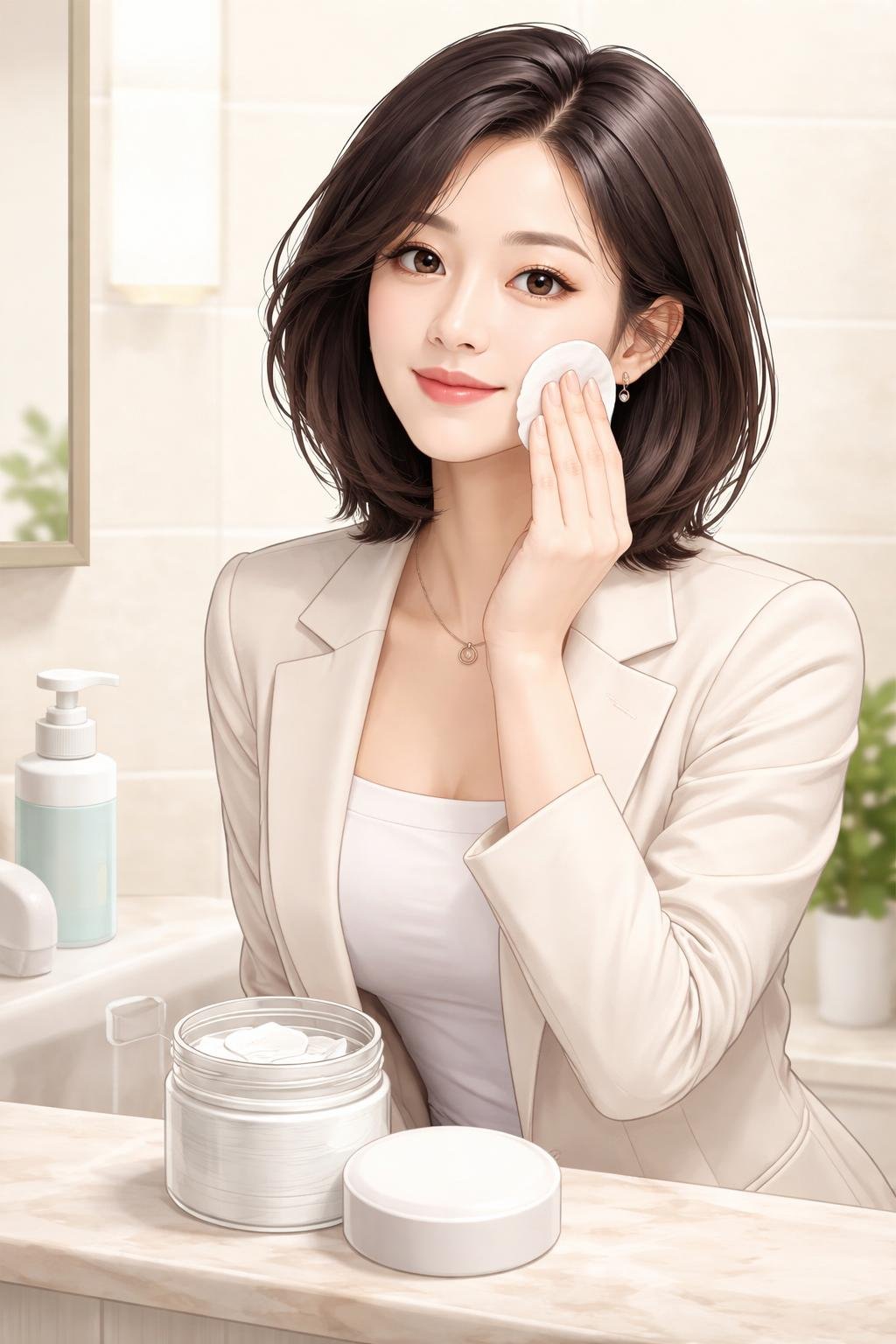
Using a peeling gel
- Cleanse the face and prepare it as the label specifies, which may mean dry or damp skin.
- Apply the directed amount while avoiding the eyes, lips, and any other excluded areas.
- Massage gently for only the stated time. More pressure does not make the product more appropriate or effective.
- Rinse thoroughly when directed, then apply a moisturizer or other simple hydrating steps.
Using exfoliating toner pads
- Cleanse first unless the manufacturer gives different instructions.
- Wipe the pad gently over appropriate areas without repeatedly scrubbing one spot.
- Avoid the eye area and damaged or already irritated skin unless qualified professional advice or the label indicates otherwise.
- Leave the liquid on or rinse it off according to the directions, then continue with moisturizing steps.
Using short-contact and leave-on acids
For a short-contact acid, apply it only to the directed areas, observe the specified contact time, and rinse thoroughly. Do not extend the contact time in an attempt to intensify exfoliation.
For a leave-on acid, apply it at the stage directed by the manufacturer, commonly after cleansing and before moisturizer. It should not be rinsed away unless the instructions say to do so.
Beginners can introduce only one exfoliating product at a time and use it no more frequently than the label allows. Avoid combining a peeling gel, abrasive pad, and acid treatment in one session, because the cumulative friction and ingredient exposure may increase irritation. During daytime, use sun protection consistent with the acid product’s warnings and official safety guidance.
How to Choose an Exfoliator and Use It Safely

Start by comparing five details: product format, exfoliating ingredient, disclosed concentration, contact time, and official directions. Also consider whether the application method adds friction. A pre-soaked pad, for example, may combine a textured surface with an acid-containing liquid.
Concentration can provide useful context when it is disclosed, but it does not describe the entire formula or predict an individual response. Skin condition, application amount, contact time, frequency, and the use of other products can all affect tolerability.
The FDA advises patch testing BHA products, following label directions, and not exceeding the recommended number of applications. If irritation or prolonged stinging develops, stop using the product and consult a physician. Potential reactions reported for AHA products include burning, rash, swelling, peeling, irritation, and chemical burns.
Avoid direct contact with the eyes. Salicylic acid can seriously irritate or damage the eyes, according to the supplied European Commission safety publication. Significant, worsening, or persistent discomfort should not be treated as a normal sign that an exfoliator is working.
FDA guidance states that topical AHAs can increase sensitivity to ultraviolet radiation and the possibility of sunburn during use and for up to one week after use. It recommends sunscreen, protective clothing, and limiting sun exposure during that period. The FDA also advises sun protection in connection with BHA use.
For regulatory context, the supplied Scientific Committee on Consumer Safety publication concluded that salicylic acid is safe at up to 3% in rinse-off hair products, up to 2% in most other cosmetic products, and up to 0.5% in specified products including body lotion and eye or lip cosmetics. Its assessment excludes sprayable products that could expose the lungs through inhalation and notes concerns for children aged 3–10 because of insufficient exposure data. These figures belong to the scope and exposure conditions of that assessment; they are not universal purchasing recommendations or instructions for every product or region.
Exfoliation in Korean Beauty Culture and Shopping
Korean beauty retailers may place peeling gels, toner pads, acid toners, and treatment liquids near one another even though their application methods differ. International shoppers should look beyond category names and packaging language to identify the actual format, active ingredients, contact time, and rinsing directions.
Marketing words such as “mild,” “daily,” “pore,” or “peeling” do not establish one standard strength or method. They also do not show whether a formula is suitable for a particular person. The full ingredient list, warnings, and official use instructions provide more practical information.
Formulations, labels, availability, and regional versions can vary. A product sold in one market may not have identical labeling or availability elsewhere. Check the manufacturer’s current information for the exact item and region rather than assuming that all Korean skincare users follow one exfoliation routine.
K-Nana Beauty Guide
Fictional educational example: Nana is a fictional beginner comparing a peeling gel with a pre-soaked BHA pad. This scenario illustrates a decision process and is not a product review or report of personal results.
First, Nana reads each full label. She confirms that the peeling gel must be massaged gently and rinsed away, while the pad’s liquid is intended to remain on the skin. She also checks the ingredient list, application areas, warnings, and maximum suggested frequency.
Rather than using both, Nana selects one exfoliating step for the session. If she chooses the BHA pad, she patch tests it according to the relevant guidance and avoids adding another acid or abrasive exfoliator. If she chooses the peeling gel, she follows its directions concerning dry or damp skin and avoids forceful rubbing.
Finally, Nana plans daytime sun protection and monitors for irritation. She knows that stopping use is more appropriate than increasing exposure when significant or prolonged discomfort occurs.
Frequently Asked Questions
1. Do the rolls from a peeling gel consist entirely of skin?
No. The visible rolls can include the product itself pilling or clumping, along with oils and surface debris. Their quantity is not a reliable measurement of how much skin has been removed.
2. Are toner pads and acid toners the same?
Not necessarily. A toner pad is a physical product format: a pad pre-soaked with liquid. An acid toner is a liquid formula containing an exfoliating acid. A pad may contain an acid toner, another type of formula, or a combination of ingredients, so check the ingredient list and directions.
3. How often should an exfoliator be used?
There is no single schedule suitable for every exfoliator or every person. Follow the product’s maximum frequency, begin cautiously, and adjust within those directions according to individual response. Do not interpret irritation as a reason to use the product more often.
4. Should AHA and BHA products be combined?
Beginners do not need to combine them. Using multiple exfoliating acids or formats in one session can make it harder to identify the source of irritation and may increase overall exposure. Choose one exfoliating step unless the products are specifically formulated and directed for combined use or an appropriate professional advises otherwise.
5. Why does sun protection matter after acid exfoliation?
The FDA states that topical AHAs can increase ultraviolet sensitivity and sunburn risk during use and for up to one week afterward. Its BHA guidance also advises sun protection. Follow the relevant label and use measures such as sunscreen, protective clothing, and limited sun exposure as appropriate.
References
- Guidance for Industry: Labeling for Cosmetics Containing Alpha Hydroxy Acids | FDA — https://www.fda.gov/regulatory-information/search-fda-guidance-documents/guidance-industry-labeling-cosmetics-containing-alpha-hydroxy-acids
- Beta Hydroxy Acids | FDA — https://www.fda.gov/cosmetics/cosmetic-ingredients/beta-hydroxy-acids
- Salicylic acid (CAS No. 69-72-7, EC No. 200-712-3) – Public Health — https://health.ec.europa.eu/publications/salicylic-acid-cas-no-69-72-7-ec-no-200-712-3_en
Final Takeaway

Identify both the exfoliator’s format and its active ingredients before using it. Determine whether it is rinse-off, short-contact, or leave-on, and follow the current label for application areas, contact time, and frequency. Introduce one exfoliating step cautiously, avoid unnecessary overlap and forceful rubbing, monitor your individual response, and use appropriate sun protection.
Image Credits
- Original AI-generated educational visual introducing peeling gels, pre-soaked pads, rinse-off acids, and leave-on acids as distinct exfoliator formats.
- Original AI-generated products-and-ingredients comparison showing format, pad texture, AHA examples, BHA terminology, and rinse-off versus leave-on distinctions.
- Original AI-generated application-order illustration showing cleansing, one label-directed exfoliating step, moisturizing, and daytime sun protection.
- Original AI-generated label-checking and safety illustration highlighting ingredient lists, contact time, patch testing, eye-area avoidance, irritation monitoring, and sun precautions.
- Original AI-generated final practical reminder showing a beginner choosing one exfoliator, following the current label, and avoiding unnecessary overlap.
All five visuals are illustrative. They do not depict actual products, packaging, ingredients, events, application results, or clinical outcomes.
Disclaimer
This article provides general educational information and is not medical advice, diagnosis, or treatment. Cosmetic formulations, ingredients, labels, availability, and prices can change, and individual skin responses vary. Verify current product information and directions with the official manufacturer. Consult an appropriate healthcare professional about significant, worsening, or persistent skin concerns.
AI-generated images are illustrative and may not accurately represent actual products, packaging, ingredients, application results, or clinical outcomes.