
Introduction
Serums and ampoules are targeted skincare steps commonly found in Korean beauty routines. They deliver selected cosmetic ingredients in formulas designed to address concerns such as dryness, sensitive-feeling skin, dullness, uneven-looking tone, or the appearance of fine lines.
This Korean serum and ampoule guide explains how the categories overlap, the ingredients commonly associated with different concerns, where these products fit into a routine, and how beginners can introduce them safely. Because serum and ampoule are marketing conventions rather than regulated product categories, the ingredient list and current directions are more informative than the name on the bottle.
Quick Guide
| Category | Common positioning | Practical point |
|---|---|---|
| Essence | Usually a thinner, often hydration-focused step | Commonly applied before a serum or ampoule |
| Serum | Targeted treatment often suited to regular maintenance | May contain one featured ingredient or a combination of ingredients |
| Ampoule | Often marketed as a more concentrated or intensive treatment | May be used regularly or for a limited period, depending on its directions |
These distinctions are not universal. An ampoule is not automatically stronger than every serum, and a serum is not necessarily appropriate for daily use simply because it is called a serum. Check the full label, ingredient list, warnings, recommended amount, and frequency.
What Are Korean Serums and Ampoules?
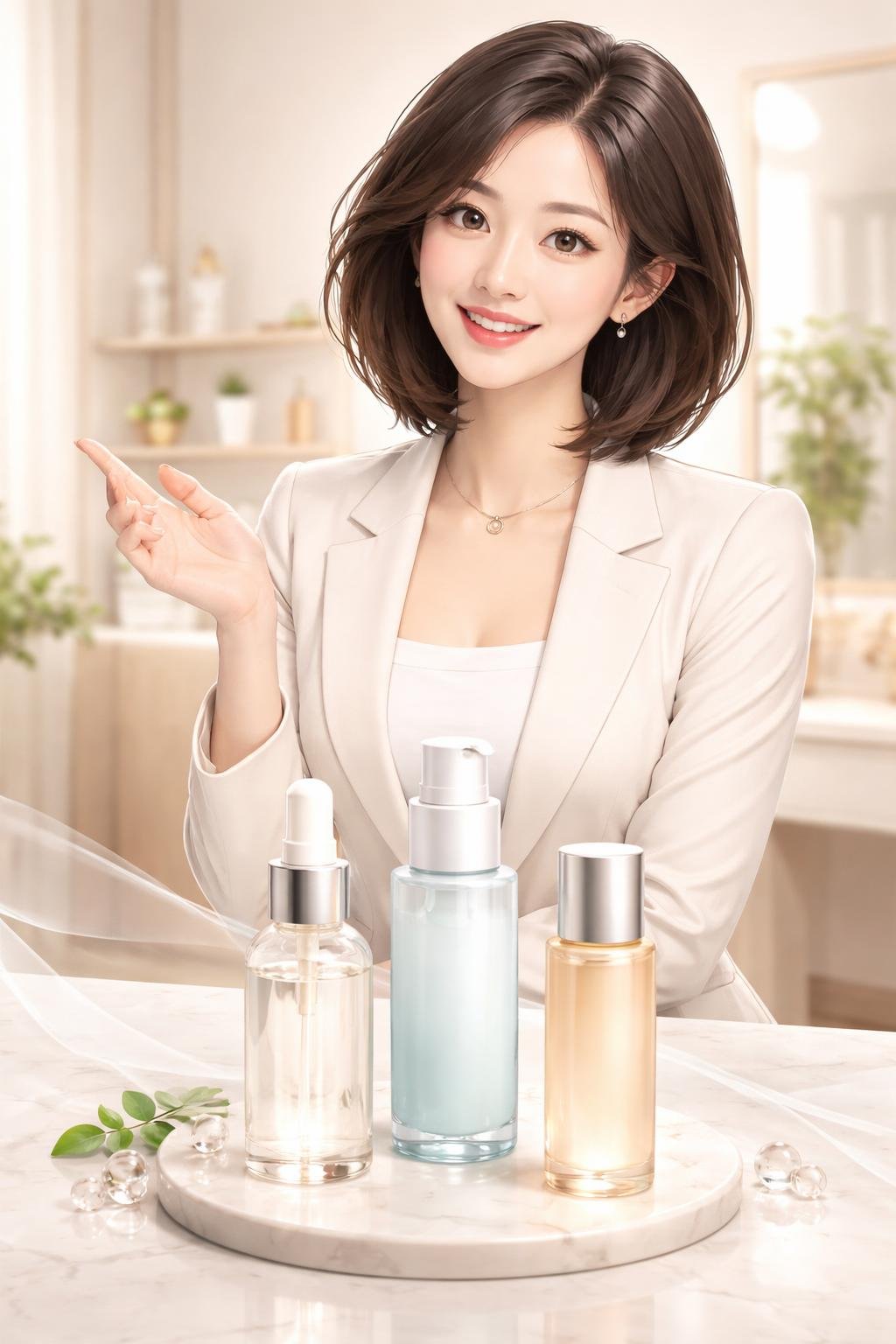
Serums
A serum is a targeted cosmetic formula that may feature ingredients such as niacinamide, vitamin C, glycerin, or peptides. Serums are commonly positioned as regular maintenance products, although their appropriate frequency depends on the individual formula.
Serum textures vary. Some are watery, while others have a gel-like or richer consistency, so texture alone does not establish strength or ingredient concentration.
Ampoules
An ampoule is usually presented as a focused or intensive skincare step. Some ampoules emphasize one main active ingredient, while others combine several ingredients. They may be recommended for occasional use, a short period, or regular use according to the label.
The word “ampoule” does not guarantee a particular concentration. The formula, ingredient list, and manufacturer’s directions determine how the product should be used.
Essences
An essence is a related category that is generally thinner and more hydration-focused. In a layered routine, it is commonly applied after toner and before a serum or ampoule.
The boundaries among essences, serums, and ampoules can blur. Brands may use the terms flexibly, and products with different names can serve similar purposes.
Types of Serums, Ampoules, and Targeted Ingredients
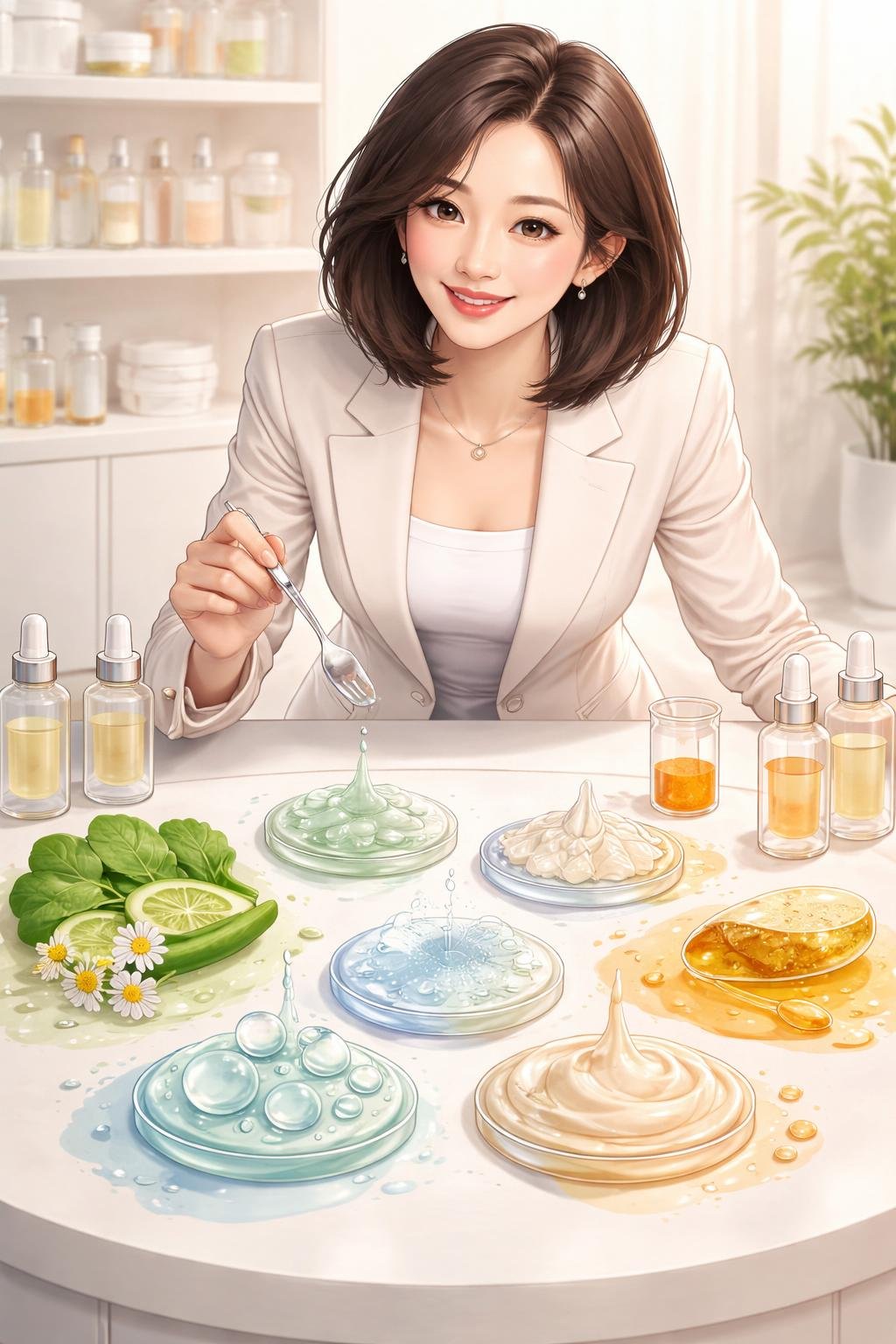
A practical way to compare these products is by the concern they are formulated to address rather than by category name alone. The following examples describe common ingredient positioning, not guaranteed effects.
| Skincare concern | Common ingredient examples | What to check |
|---|---|---|
| Sensitive-feeling skin | Centella, aloe, or chamomile | Review the entire formula because a featured ingredient does not determine overall tolerance |
| Dryness | Ceramides, glycerin, or hyaluronic acid | Consider how the product fits with moisturizer and the rest of the routine |
| Dullness or uneven-looking tone | Niacinamide or vitamin C | Follow storage, frequency, and application directions for the specific formula |
| Appearance of fine lines | Retinol or peptides | Pay close attention to warnings, frequency, and other active products in the routine |
A formula may center on one ingredient or combine several. A longer ingredient list does not automatically make a product better, and the words serum and ampoule do not reveal the concentration of an ingredient. Verify current details on the package or through the official manufacturer.
How to Apply Serums and Ampoules
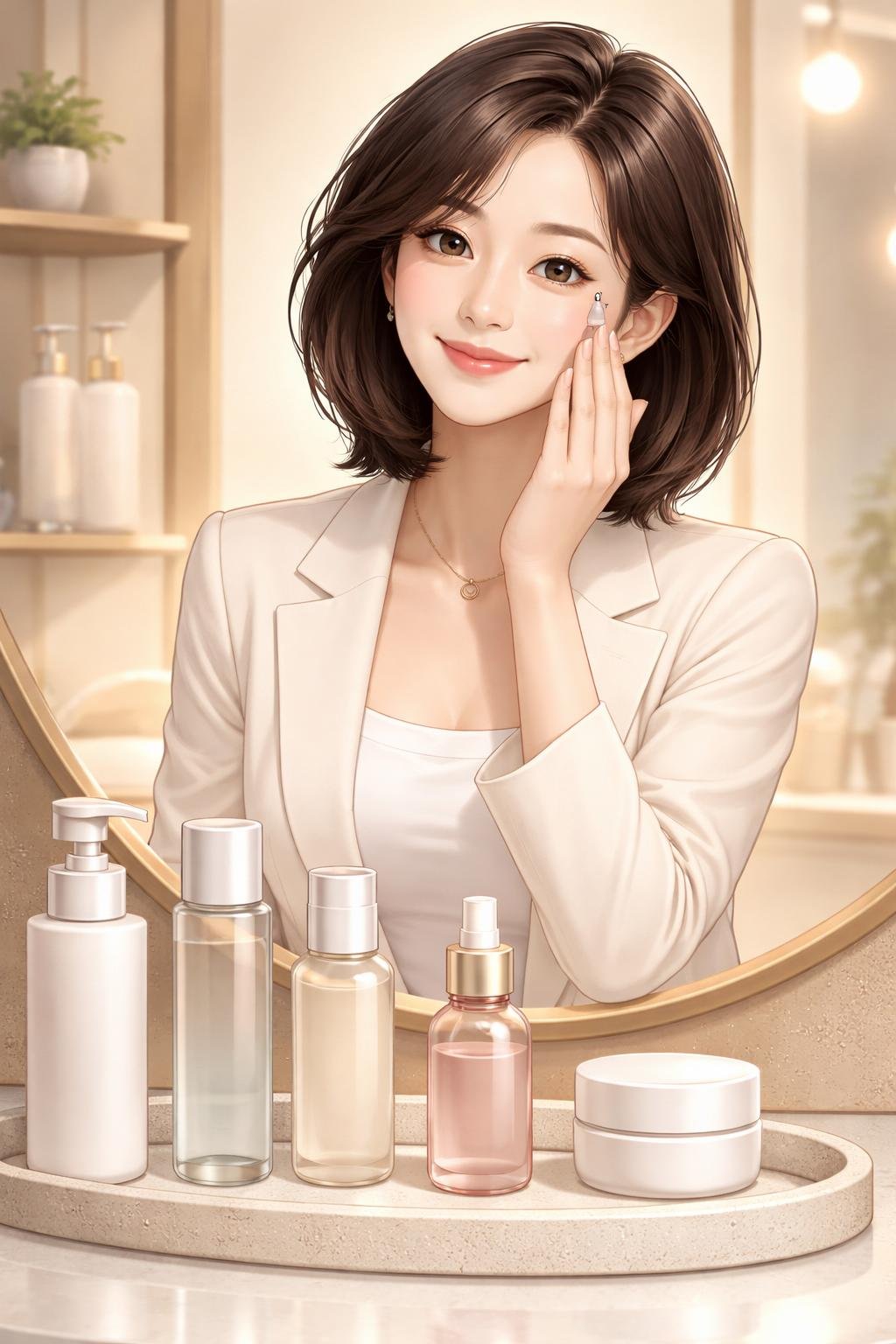
A basic application order is:
- Cleanse the skin.
- Apply toner if it is part of the routine.
- Apply an essence if used.
- Apply the serum or ampoule.
- Finish with moisturizer.
When several leave-on products are used, moving from thinner to thicker textures is a useful general guide. Product directions take priority when a label specifies another order.
Use the label-directed amount and gently spread or pat the product over the intended area. Aggressive rubbing is unnecessary and may be uncomfortable, particularly when skin already feels sensitive.
Many watery toners or essences can be followed by the next layer while the skin remains slightly damp. More time may be appropriate after a low-pH acid product, so follow the directions for that formula rather than applying a universal waiting period.
A serum may be positioned for daily maintenance, while an ampoule may be presented as an occasional or short-term step. These are tendencies rather than rules. Some gentle ampoules may be labeled for daily use, while some serums require less frequent application.
How to Choose and Use Them Safely
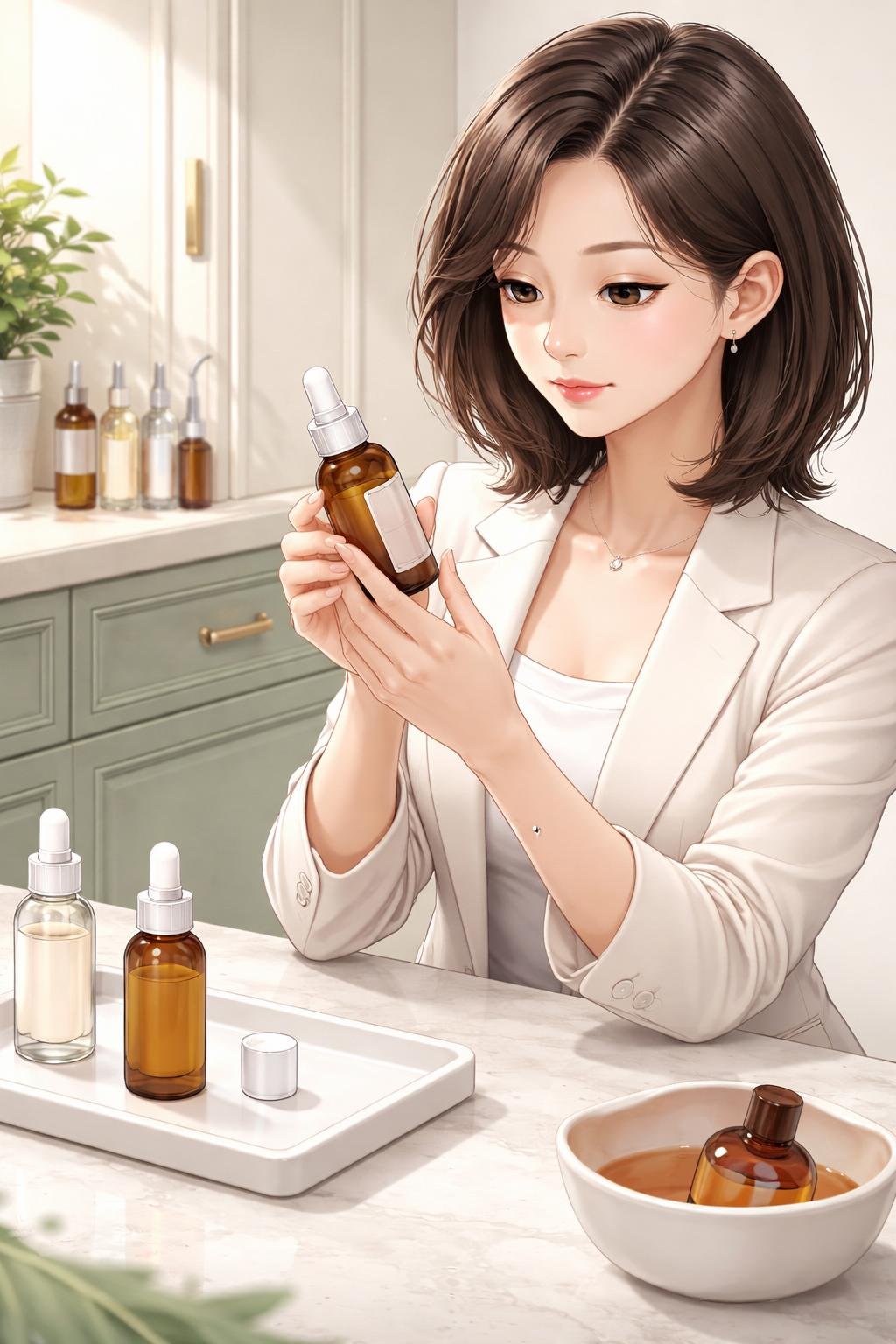
Choose by need and formula
Start with one main concern and review the ingredient list, directions, warnings, and suggested frequency. Consider whether the formula adds something useful to the routine instead of selecting it only because it is described as concentrated or intensive.
A simple routine also makes it easier to identify which product may be associated with irritation. Introduce one new active product at a time and consider testing it cautiously on a small area, while recognizing that this cannot guarantee how the face will respond.
Be cautious with active combinations
Some combinations may be irritating for certain users, including vitamin C with retinol or alpha hydroxy acids, and retinol with benzoyl peroxide or salicylic acid. The risk depends on the specific formulas, strengths, frequency, and individual tolerance. Beginners should avoid stacking several unfamiliar actives without clear product guidance.
Use and store cosmetics carefully
- Read the complete label and follow its directions and warnings.
- Review the ingredient list before use.
- Wash your hands before applying the product.
- Keep the container clean and tightly closed.
- Protect the product from temperature extremes.
- Discard it if its color or smell changes unexpectedly.
Stop using a product if a rash, redness, burning, or another unexpected reaction develops. Seek appropriate healthcare advice when a reaction is significant, concerning, or persistent.
Serums and Ampoules in Korean Beauty Culture
In Korean skincare terminology, an essence is commonly layered before a serum or ampoule, while an ampoule can serve as an optional focused step. This helps explain why these categories frequently appear together in Korean beauty shopping and routine guides.
A long, multi-step routine is not mandatory. The layering concept can be adapted to a short routine containing cleanser, one targeted product, and moisturizer, or to a longer routine when each step has a clear purpose.
Korean product labels may use serum and ampoule terminology flexibly because the categories are not regulated definitions. International shoppers should therefore compare ingredients, directions, texture, and intended use rather than assuming that every product with the same category name behaves alike.
K-Nana Beauty Guide
Fictional educational example: Nana is a fictional beauty guide used to demonstrate routine-building decisions. These scenarios are not personal reviews and do not claim particular results.
Example 1: A simple maintenance routine
Nana wants one targeted step for dryness. She compares formulas featuring ingredients commonly used in hydration-focused products, such as glycerin, hyaluronic acid, or ceramides. She selects a serum whose label supports her intended frequency, introduces it without adding another new active, and applies it before moisturizer.
Example 2: A more focused ampoule step
Nana is considering an ampoule for a focused routine. Instead of assuming that it must be stronger than her serum, she reads its complete ingredient list and directions. If the label recommends limited or nighttime use, she follows that schedule rather than treating “ampoule” as a universal instruction.
Example 3: Avoiding unnecessary layers
Nana already uses a targeted serum and finds an ampoule with overlapping ingredients. She does not automatically layer both. She first decides whether the second product has a distinct purpose and whether its directions are compatible with her existing routine.
Frequently Asked Questions
1. Do I need both a serum and an ampoule?
No. One well-chosen targeted product may be enough. Use both only when they have clear, compatible purposes and the routine remains comfortable and manageable.
2. Which goes first if I use both?
Use the product directions first. If neither label specifies an order, applying the thinner formula before the thicker one is a practical general approach.
3. Can ampoules be used every day?
Some can, but others are intended for occasional, nighttime, or short-term use. Follow the current label rather than assuming that all ampoules share the same schedule.
4. Is an ampoule always stronger than a serum?
No. Ampoules are often marketed as more concentrated or intensive, but the categories are not regulated definitions. Strength cannot be determined from the product name alone.
5. How long should I wait between skincare layers?
There is no universal waiting time. Many watery layers can be followed while the skin is slightly damp, but a low-pH acid or another product with specific instructions may require a different approach. Let each layer settle comfortably and follow its label.
References
- Safety guidance: Using Cosmetics Safely | FDA — https://www.fda.gov/cosmetics/resources-consumers-cosmetics/using-cosmetics-safely
- Practical reporting: The Best K-Beauty Ampoules in 2026 | NBC Select — https://www.nbcnews.com/select/shopping/best-korean-beauty-ampoules-rcna218898
- Category definitions: Serum / Ampoule — K-beauty glossary | KoreaPlus — https://koreaplus-lifes.com/kbeauty/kb/term/serum-ampoule
Final Takeaway
The ingredient list, product directions, skin concern, and individual tolerance matter more than whether a formula is called a serum or ampoule. Keep the routine simple, layer according to directions or from thinner to thicker when appropriate, and introduce unfamiliar active products gradually.
Image Credits
- Introductory concept visual: An original AI-generated educational comparison of generic serum and ampoule containers, illustrating overlapping categories without showing a real brand or package.
- Products and ingredients visual: An original AI-generated chart grouping illustrative ingredient symbols by common skincare concerns, without implying guaranteed effects.
- Application-order visual: An original AI-generated diagram showing cleanser, toner, optional essence, serum or ampoule, and moisturizer in sequence.
- Choosing and safety visual: An original AI-generated checklist covering labels, ingredient lists, gradual introduction, clean handling, and product storage.
- Final practical reminder visual: An original AI-generated post-FAQ graphic emphasizing that formula, directions, skin needs, and tolerance matter more than category names.
All five visuals are illustrative. They do not depict actual products, packaging, real events, application results, or clinical outcomes.
Disclaimer
This guide provides general educational information and is not medical advice, diagnosis, or treatment. Cosmetic formulations, ingredients, labels, availability, and prices may change, and individual skin responses vary. Verify current product information with the official manufacturer, and consult an appropriate healthcare professional about significant or persistent skin concerns.
AI-generated images are illustrative and may not accurately represent actual products, packaging, ingredients, application results, or clinical outcomes.