
Introduction to Korean Seaweed Soup Miyeokguk
Korean seaweed soup miyeokguk is a soup based on soaked brown seaweed. Common versions use soy sauce for seasoning and may include beef, mussels, abalone, white fish, or other additions.
Miyeokguk has a particularly important cultural connection with birth. It is traditionally served to mothers after childbirth and eaten on birthdays. In the birthday context, the soup commemorates a person’s birth and expresses appreciation for a mother’s love, devotion, pain, and sacrifice.
Quick Guide
| Feature | Beginner guide |
|---|---|
| Korean name | Miyeokguk, written 미역국 in Korean. |
| Food category | Korean seaweed soup. |
| Core ingredient | Dehydrated brown seaweed that is soaked before being made into soup. |
| Common components | Water, soy sauce, garlic, sesame oil, and salt are documented ingredients. Versions may also contain beef, mussels, abalone, white fish, or other additions. |
| Cultural contexts | Miyeokguk is traditionally connected with food served after childbirth and with Korean birthday observances. |
| Serving style | It is served as a soup, including as a home-cooked birthday food. |
| Packaged-product checks | Read the current ingredient list, allergen declaration, dietary information, preparation directions, heating instructions, storage requirements, and package condition. |
The dish name alone does not reveal which protein, seasonings, or allergens a particular recipe contains. Check the exact version before eating, preparing, or purchasing it.
What Is Miyeokguk?
Miyeokguk is a Korean soup made with brown seaweed that has been soaked in water. Soy sauce is a common seasoning, while other documented components include garlic, sesame oil, salt, and water.
There is no single protein addition that defines every bowl. Shredded beef is common, but mussels, abalone, white fish, and other ingredients may be used instead. The seaweed base and soup format provide the shared identity, while the added ingredients distinguish individual recipes.
Birth, Motherhood, and the Birthday Tradition
Miyeokguk is traditionally associated with childbirth because mothers have been served the soup after giving birth. Historical and mythological customs discussed by Korea.net connect it with postnatal recovery and safe birth, helping the dish become a symbol of birth.
This connection explains its place at birthdays. Eating miyeokguk on a birthday commemorates the person’s birth while honoring the mother whose effort made that birth possible. Official Korean cultural sources describe the tradition in terms of remembering a mother’s love, pain, devotion, and sacrifice.
The custom should not be reduced to an ordinary birthday menu choice. Its meaning comes from the relationship between the food served after childbirth and the later observance of the child’s birthday. No particular historical starting date needs to be assumed to understand that relationship.
Core Ingredients and Common Variations
The defining ingredient is dehydrated brown seaweed, which is soaked before it is used in the soup. Documented recipes also use water and seasonings such as soy sauce, garlic, sesame oil, and salt.
Beef Miyeokguk
Beef is a common addition, including versions made with shredded beef. It contributes a different broth composition from seafood-based versions, but it is not required in every miyeokguk recipe.
Seafood Variations
Mussels and abalone are documented additions to miyeokguk. White fish may also be used. These ingredients produce distinct versions of the same seaweed-based soup and introduce different dietary and allergen considerations.
Other Recipe Differences
Additional ingredients can vary by recipe. A list of common components describes possible versions rather than a mandatory formula, so one household recipe or packaged ingredient list should not be treated as universal.
Allergens, Dietary Checks, Storage, and Safety
Miyeokguk cannot automatically be classified as suitable for a particular allergy or diet. Soy sauce may introduce soy or other label-declared allergens, sesame oil raises a sesame concern, and some versions contain beef, shellfish, or fish.
A seafood-free appearance or a general description such as “seaweed soup” is not enough to establish suitability. People avoiding animal ingredients should also confirm whether the broth or additions contain beef, shellfish, fish, or another animal-derived component.
For a packaged version, read the current ingredient list and allergen declaration on the exact package. Formulations can change, and information from one manufacturer or product should not be generalized to every miyeokguk product.
Follow the product’s stated preparation, heating, and storage directions. Check the package condition before use, and do not substitute general advice for manufacturer instructions that apply to a specific shelf-stable, chilled, frozen, or other packaged format. For homemade soup, use storage and reheating practices appropriate to all ingredients in the chosen recipe.
Taste and Texture
Miyeokguk’s sensory character depends on its rehydrated seaweed, broth, seasonings, and optional protein. Soy sauce, garlic, sesame oil, and salt can shape the broth when they are included, but their proportions differ among recipes.
Because the dehydrated seaweed is soaked, the soup contains rehydrated seaweed rather than the dry ingredient’s original texture. Its final firmness and the concentration of the broth depend on preparation. Beef, mussels, abalone, or white fish can further change both texture and flavor, so no single description applies equally to every bowl.
How to Prepare, Serve, and Eat Miyeokguk
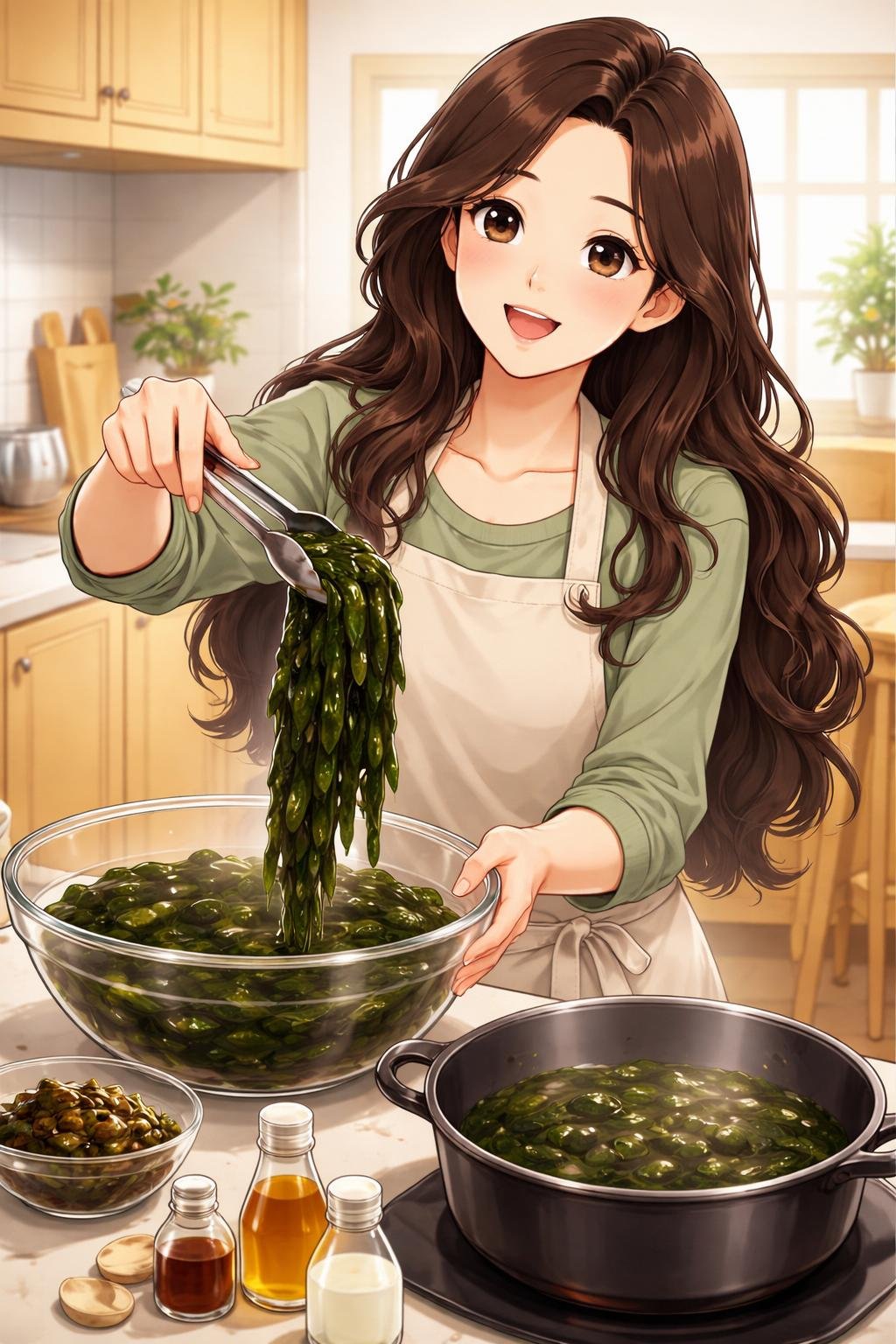
Basic preparation begins with soaking dehydrated seaweed. The rehydrated seaweed is then made into a soup with water and seasoning. Depending on the selected version, beef, mussels, abalone, white fish, or another addition may be incorporated.
Exact quantities and cooking times should come from the recipe or product directions being used. This is especially important for packaged miyeokguk, where preparation methods can differ by format.
Serve miyeokguk as soup and eat it while observing any applicable heating and handling instructions. For a birthday meal, its cultural significance comes from commemorating birth and honoring the mother rather than from a required protein variation or one fixed recipe.
Miyeokguk in Korean Food Culture
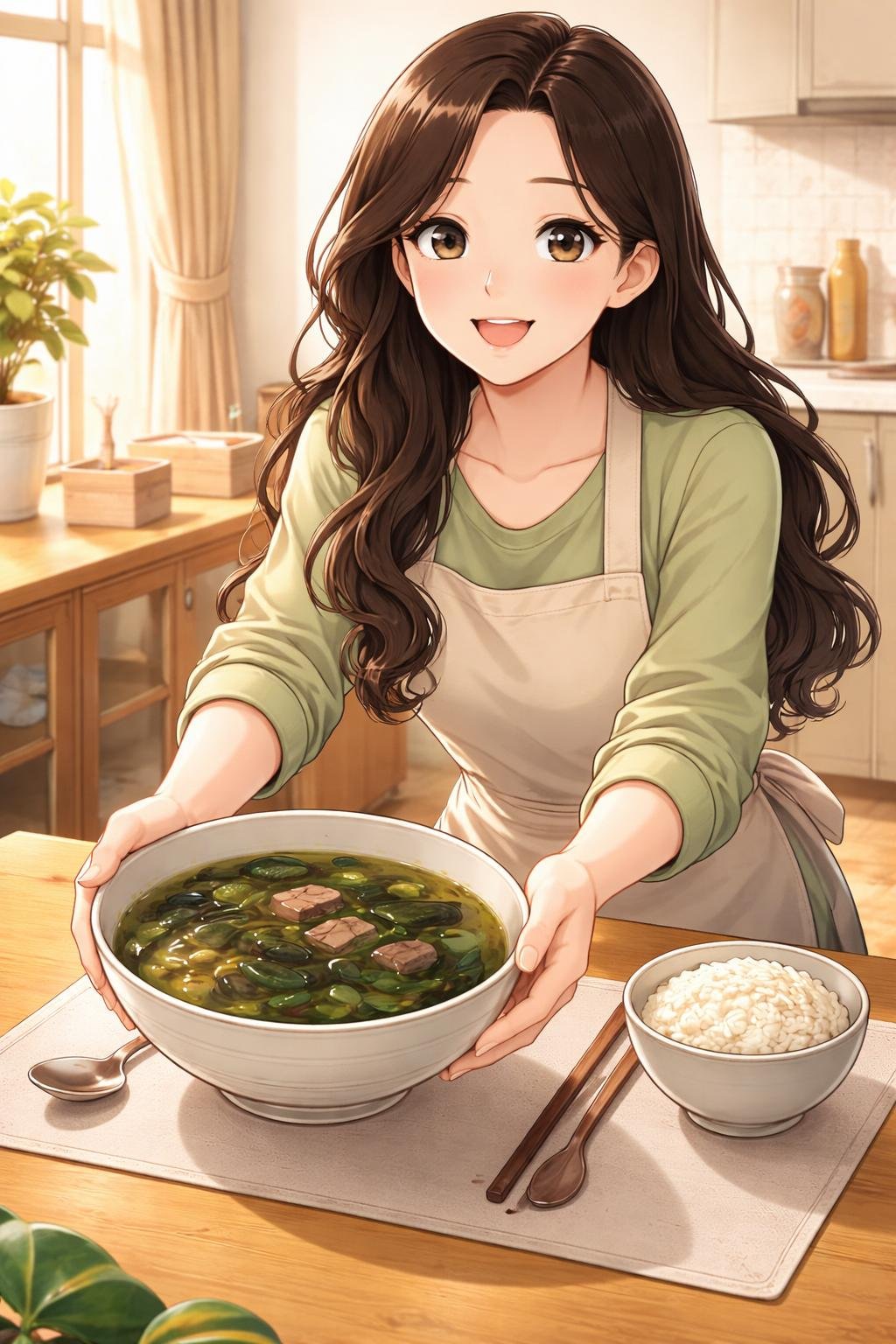
Miyeokguk holds overlapping roles as postpartum food, birthday food, and home-cooked comfort food. These roles are linked: serving the soup after childbirth established its association with birth, while eating it on birthdays recalls that beginning.
VISITKOREA notes that Korean birthday greetings may include asking whether the person has eaten miyeokguk. The question reflects how strongly the soup can represent a birthday in Korean food culture.
These descriptions identify a recognized tradition, not a rule followed identically by every person or household. Recipes, serving choices, and individual observance can vary while the broader birthday symbolism remains culturally established.
Varieties and Buying Guide
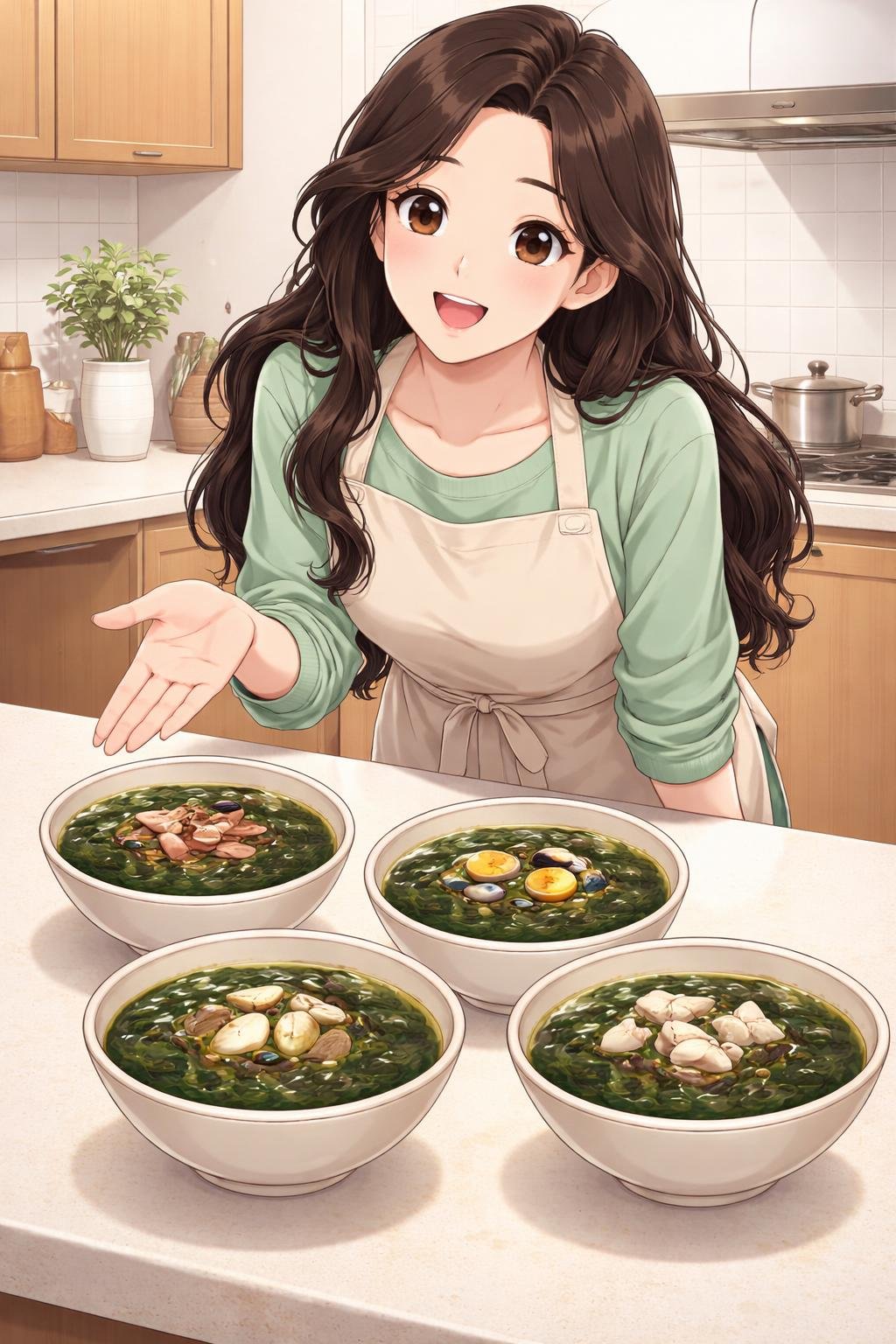
Beginners can distinguish miyeokguk varieties by their named or label-declared additions. Common documented categories include beef miyeokguk and versions containing mussels, abalone, or white fish. Do not assume that a product contains a particular protein unless its current information confirms it.
- Beef versions: Confirm the presence of beef and check whether the product meets your dietary needs.
- Mussel versions: Review the allergen declaration carefully because mussels are shellfish.
- Abalone versions: Check the ingredient and allergen information for the exact product.
- White fish versions: Confirm the fish ingredient and any applicable allergen declaration.
- Other versions: Read the full ingredient list rather than relying only on the front product name.
When selecting packaged miyeokguk, inspect the package condition and review its current ingredient list, allergen declaration, dietary information, preparation method, heating directions, and storage requirements. Product format, formulation, and availability can differ, so use the information provided for the exact package rather than assuming that all seaweed soups are interchangeable.
Frequently Asked Questions
What is miyeokguk?
Miyeokguk is a Korean soup based on soaked brown seaweed. Common seasonings include soy sauce, and recipes may contain beef, mussels, abalone, white fish, or other additions.
Why do Koreans eat miyeokguk on birthdays?
The birthday tradition commemorates a person’s birth. It also honors the love and sacrifice of the person’s mother because miyeokguk is traditionally connected with food served after childbirth.
Why is miyeokguk associated with mothers and childbirth?
Mothers have traditionally eaten the soup after giving birth. Historical and mythological customs connected it with postnatal recovery and safe birth, leading miyeokguk to symbolize birth and motherhood.
What ingredients may miyeokguk contain?
Documented ingredients include dehydrated or soaked seaweed, water, soy sauce, garlic, sesame oil, and salt. Beef, mussels, abalone, white fish, and other additions may distinguish individual versions.
What allergen and dietary checks should consumers make?
Check for soy, sesame, shellfish, fish, beef, and any other ingredients relevant to your needs. Read the current label for a packaged product because the name miyeokguk does not establish its complete ingredients or dietary suitability.
K-Nana Food Guide
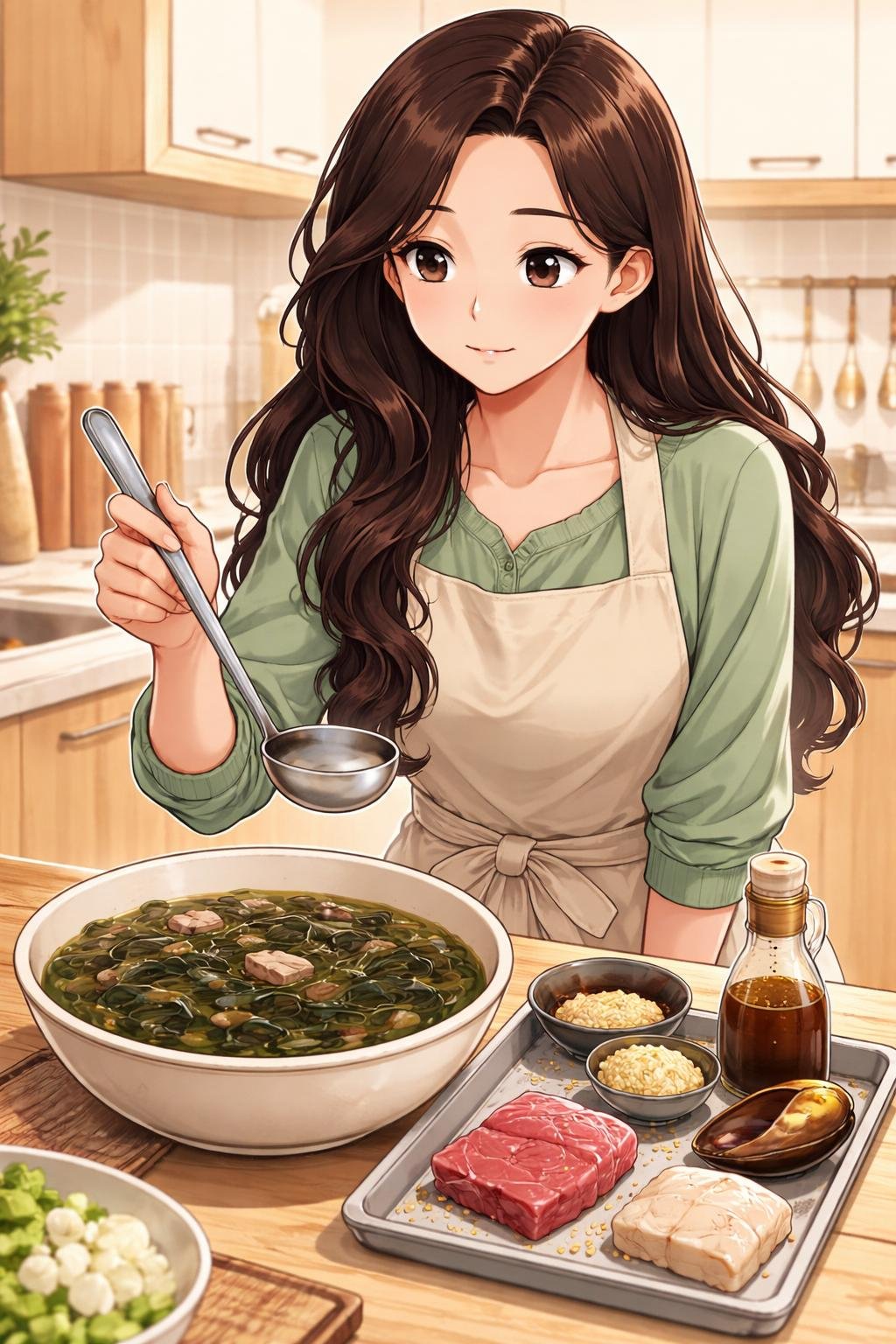
Illustrative educational scene: Mom identifies miyeokguk by its seaweed-based soup format, explains that its birthday meaning is connected with birth and appreciation for mothers, and reminds beginners that different bowls may contain different proteins and seasonings.
Mom’s practical checklist is to identify the variety, read the ingredients and allergen information, and follow the directions for the exact recipe or package. This fictional guidance illustrates the article’s verified information and is not a personal tasting claim, product review, or endorsement.
Final Takeaway
Miyeokguk is a Korean soup made with soaked brown seaweed and seasonings, with versions that may include beef, mussels, abalone, white fish, or other additions. Its birthday tradition reflects its older association with childbirth and food served to mothers after giving birth.
Eating the soup on a birthday commemorates birth and expresses appreciation for a mother’s love and sacrifice. Because recipes and packaged formulations differ, check the ingredients, allergens, preparation directions, and storage instructions for the exact version you make or purchase.
References
- Korean recipe: Miyeokguk seaweed soup (미역국) : Korea.net : The official website of the Republic of Korea — https://www.korea.net/NewsFocus/Culture/view?articleId=144337
- Do Koreans Eat Based on the Weather and Their Feelings? The Story Behind K-Food in K-Content- VISITKOREA — https://english.visitkorea.or.kr/svc/contents/contentsView.do?vcontsId=230364
- How seaweed soup became Korea’s traditional birthday dish : Korea.net : The official website of the Republic of Korea — https://www.korea.net/NewsFocus/HonoraryReporters/view?articleId=190103
Image Credits
Images featured in this article are K-Nana Studio original educational illustrations provided for visual guidance.
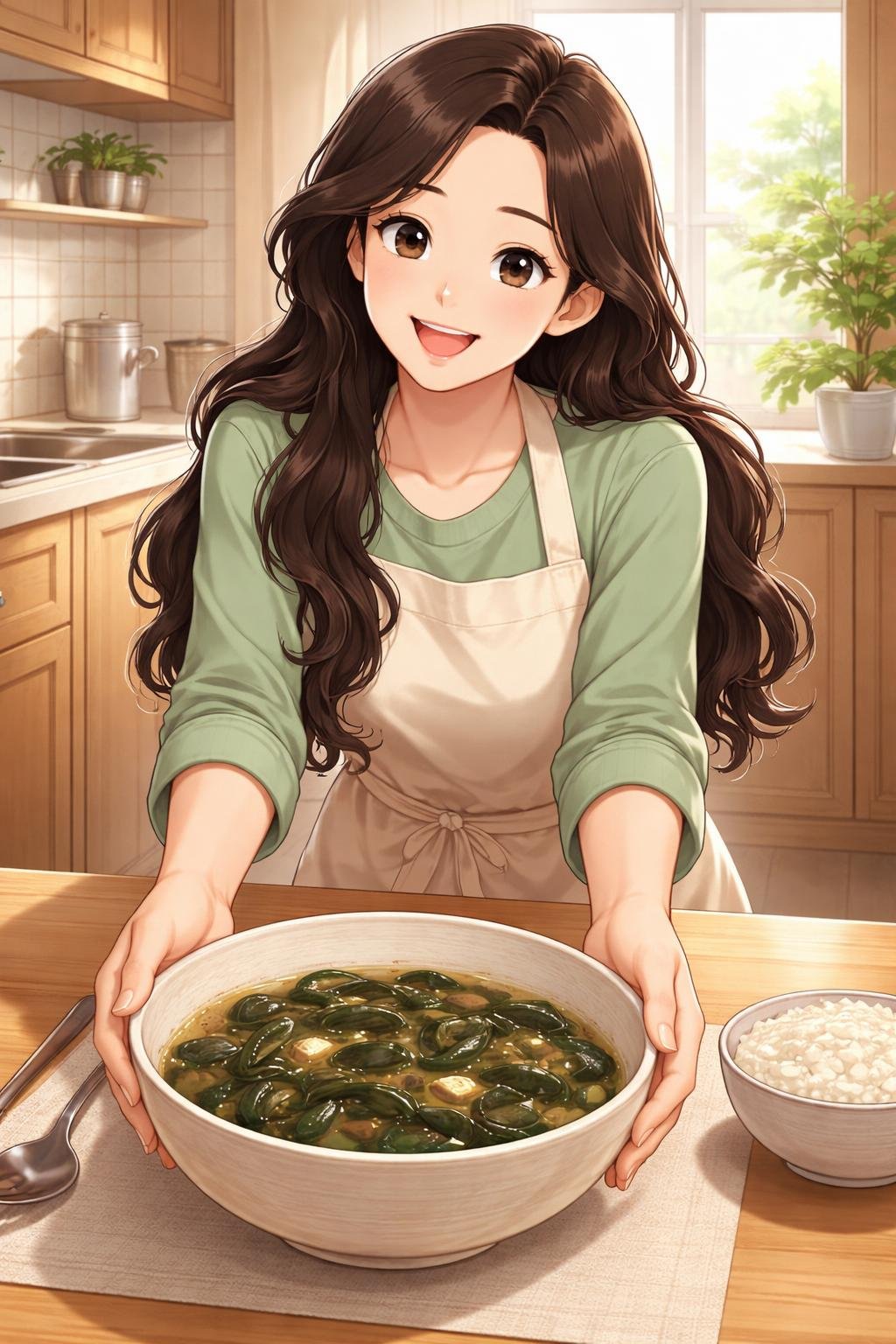
- An educational illustration featuring Mom introducing miyeokguk as the Korean seaweed soup discussed in the article.
- An educational illustration featuring Mom explaining miyeokguk ingredients, the soaking and soup-preparation context, label checks, storage directions, and relevant safety considerations.
- An educational illustration featuring Mom presenting miyeokguk’s birthday serving tradition and its cultural connection with birth and motherhood.
- An educational illustration featuring Mom explaining beef, mussel, abalone, and white fish variations alongside practical ingredient, allergen, package, and direction checks.
- An educational illustration featuring Mom giving the final practical reminder to recognize the soup’s cultural meaning and check the exact ingredients and directions before eating or buying it.
These illustrations may be AI-generated. They are not documentary photographs, official cultural or manufacturer materials, product endorsements, or proof of any product’s exact real-world appearance, ingredients, packaging, or preparation method.
Disclaimer
This article provides general cultural, food, and educational information. Recipes, ingredients, allergens, packaged formulations, availability, preparation directions, heating methods, and storage requirements can vary or change. Check the current product label, package directions, and manufacturer information for the exact item you intend to use.
If food allergies, medical conditions, or individual dietary requirements are material, seek qualified medical guidance and do not rely on the dish name or this general article to determine suitability. Cultural descriptions summarize the supplied official sources and do not imply that every Korean person or household follows the same birthday or postpartum practices.
Images featuring Mom are illustrative K-Nana Studio educational visuals that may be AI-generated. They are not documentary photographs or official product materials and may not exactly represent real ingredients, products, packaging, serving conditions, or finished dishes.