
Using Airport Buses in Korea as a First-Time Visitor
Airport buses connect airports in South Korea with city districts, transport hubs, hotels, and other visitor areas. They can be useful when a route stops close to your accommodation or onward destination, especially if you prefer a direct road journey over making rail or subway transfers.
Learning how to use airport buses in Korea requires more than finding a route number. Ticket procedures, accepted payment methods, boarding locations, schedules, and luggage conditions differ by airport and service. Before traveling, confirm the exact terminal, destination stop, current timetable, fare, and operator rules through an official source.
What Is an Airport Bus in Korea?
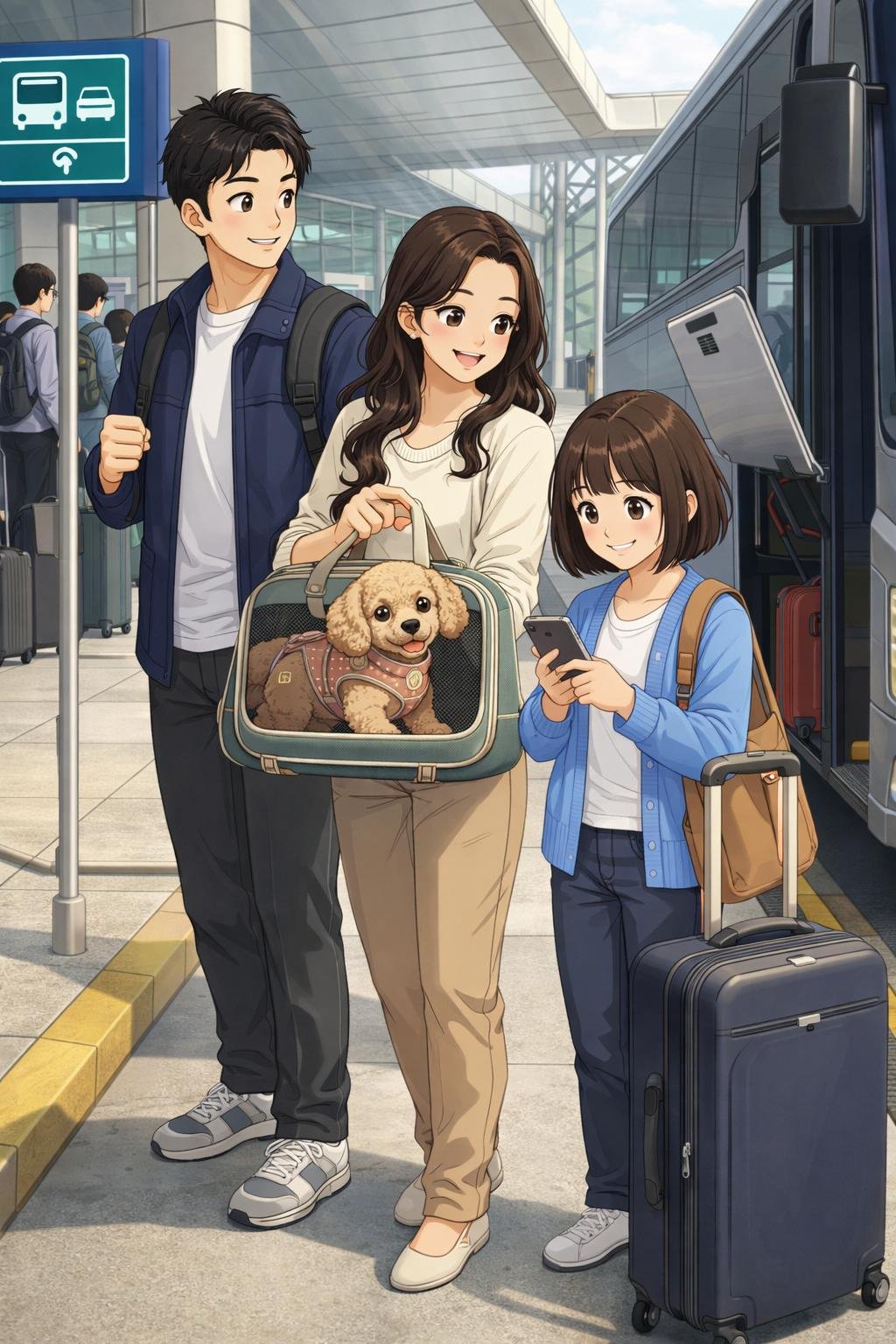
An airport bus is a bus service connecting an airport with destinations outside the airport. Several types may be available, and their names do not always indicate identical boarding or payment procedures.
- Airport limousine bus: A service designed around airport travel, often linking an airport with selected urban stops or transport hubs.
- Night bus: A service operating during late-night periods when many other public transport options are limited. Incheon uses the letter “N” for the night-bus services described in the official airport transportation guide.
- City bus: A regular local bus that includes the airport in its route and usually makes more local stops.
- Intercity bus: A service connecting the airport with another city or region.
The bus types available depend on the airport. Ticket purchase requirements and accepted payment methods can also vary by route, so a procedure used at one Korean airport should not be assumed to apply at another.
When an Airport Bus May Fit Your Trip
An airport bus may fit your trip when its confirmed stop is close to your accommodation, transport connection, or final destination. It can also reduce the need to move luggage between several stations when a suitable direct route exists.
Compare the bus stop with your actual destination rather than choosing a route only because it serves the same district. Korean districts can cover large areas, and the walk or transfer from a stop may still be significant.
An airport bus is not automatically the fastest, least expensive, or easiest option. Traffic, waiting time, service frequency, luggage requirements, arrival time, and the location of your final stop can affect whether it is appropriate. Compare it with available rail, subway, taxi, or other official transport options before deciding.
What to Check Before You Travel
Start by confirming which airport and terminal you will use. Large airports may have more than one terminal, and a route may use different counters or boarding platforms at each terminal. Record the route number, exact destination stop, boarding area, and current operating period.
Payment rules vary significantly. According to the supplied official visitor information, Incheon Airport limousine and N night-bus tickets must be purchased in advance; cash and transportation cards are not accepted for those services. Ticket offices are available in both Incheon terminals, but travelers should confirm current office locations and operating conditions.
At Gimpo Airport, the listed options are different. Limousine buses accept cash, credit cards, or transportation cards, while city buses accept transportation cards, limited cash, and domestic credit cards. International credit cards are not accepted on the listed Gimpo city-bus services.
At Gimhae Airport, limousine-bus tickets must be bought in advance at the counter near Gate 4 of the international terminal. At Jeju Airport, limousine buses 600 and 601 accept transportation cards only. Some services at other regional airports restrict cash or international credit cards.
These details may change. Before departure, use the relevant airport or transport operator’s current information to verify:
- The latest route and schedule.
- The fare and ticket availability.
- The accepted payment method.
- Whether advance ticket purchase is required.
- The terminal, counter, and boarding platform.
- Luggage size, quantity, and storage limits.
- Accessibility arrangements and assistance procedures.
- Service changes affecting your arrival date or time.
How to Find the Right Route and Stop

Work backward from your accommodation or onward destination. Find its exact address and identify nearby bus stops, not merely the city or district name. If available, save the desired stop name in both English and Korean so that you can compare it with signs and route information.
The VisitKorea bus-stop search allows users to enter a stop name, view operating buses, and set departure and destination points to search for a route. Results can be filtered by Airport Bus and by regions including Seoul, Incheon, Busan, and Jeju.
- Enter the airport or departure stop.
- Enter the destination stop or search for stops near your destination.
- Review the buses serving the selected stops.
- Apply the Airport Bus or regional filter when useful.
- Compare the stop location with your accommodation or transfer point.
- Confirm the route on the relevant airport or operator’s current information.
Before traveling, verify the exact terminal, boarding platform, route number, stop name, and service date. A route search can help with planning, but current operating information should be confirmed because stops and schedules may change.
Tickets and Payment by Airport
There is no single payment rule for every airport bus in Korea. The following differences are based on the supplied official visitor information and should be checked again before travel.
| Airport | Service | Listed ticket or payment condition |
|---|---|---|
| Incheon | Limousine and N night buses | Tickets must be purchased in advance. Cash and transportation cards are not accepted for these services. Ticket offices are listed in both terminals. |
| Gimpo | Limousine buses | Cash, credit cards, or transportation cards are listed as accepted methods. |
| Gimpo | City buses | Transportation cards, limited cash, and domestic credit cards are listed. International credit cards are not accepted. |
| Gimhae | Limousine buses | Tickets must be purchased in advance at the counter near international-terminal Gate 4. |
| Jeju | Limousine buses 600 and 601 | Transportation cards only are listed. |
| Cheongju, Daegu, and Yangyang | Listed regional bus services | International credit cards are not accepted. Some routes do not accept cash, so route-specific payment conditions must be checked. |
Do not assume that cash, a foreign-issued card, or a transportation card will work nationwide. Confirm the requirement for your specific airport and route, and obtain the necessary ticket or payment method before joining the boarding line.
How to Use an Airport Bus Step by Step
- Research the route. Match the airport bus stop with the exact location of your accommodation or onward connection.
- Confirm the airport and terminal. Check where your flight arrives and whether the selected bus departs from that terminal.
- Check current operating details. Verify the departure time, fare, route status, destination stop, and estimated journey information through an official source.
- Prepare the required payment method. Determine whether you need an advance ticket, transportation card, cash, or an accepted credit card.
- Find the ticket counter or boarding area. Follow official airport signs and compare the route number and destination with your notes.
- Verify the bus before boarding. Check the displayed route number and destination. Ask airport or operator staff when information is unclear.
- Follow luggage instructions. Use the storage area indicated by the driver or staff. Procedures differ, so do not place baggage somewhere simply because another traveler has done so.
- Keep issued documents. Retain your ticket and any baggage receipt or claim tag until you and your luggage have left the bus.
- Monitor the journey. Follow the route using saved stop information or a navigation tool, while allowing for route or traffic differences.
- Prepare to leave at the correct stop. Gather cabin belongings without blocking the aisle and follow staff instructions when retrieving stored luggage.
Not every service uses the same ticket, baggage, or stop-request procedure. Treat the sequence above as general preparation and follow the current instructions provided for your particular bus.
Managing Luggage and Getting Off at the Correct Stop
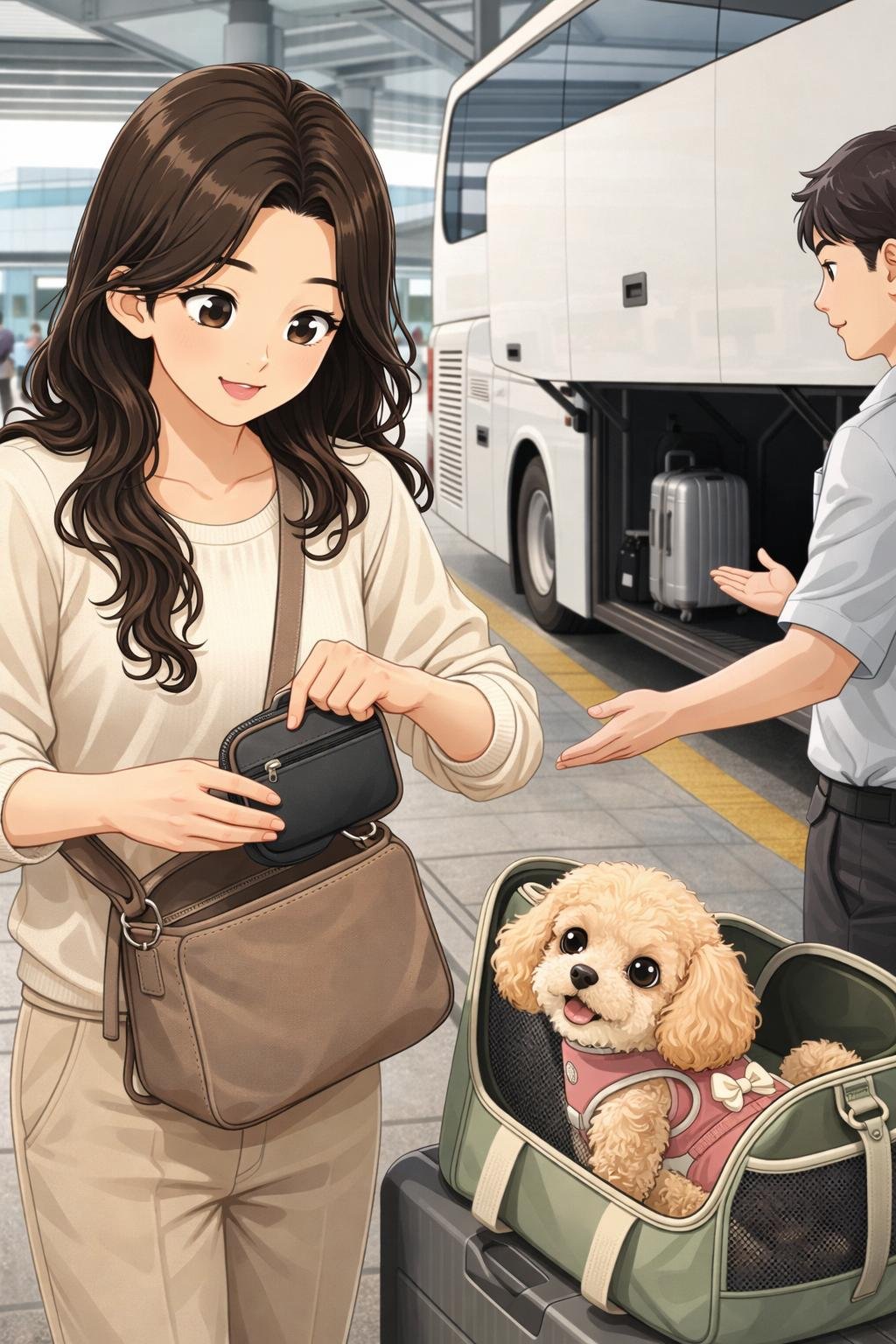
Pack so that valuables and essential items remain with you. Keep your passport, money, payment cards, medication, electronics, travel documents, and other irreplaceable belongings in a secure personal bag rather than in externally stored baggage.
No universal luggage allowance is established by the supplied sources. Check the operator’s current rules for the number and size of bags, storage availability, restricted items, labeling, oversize baggage, and retrieval procedures. If a baggage receipt or claim tag is issued, keep it until your bag has been returned.
To reduce the chance of missing your stop, save its exact English name and Korean name when available. Take a screenshot or written note that remains accessible without an internet connection. Follow route progress on a navigation tool, compare stop information with your saved name, and ask staff for help when uncertain.
Do not depend on English announcements being available on every service. Stay aware as the bus approaches your destination, and check in advance whether the bus terminates there or continues to additional stops.
K-Nana Family Guide

Illustrative scenario: The following family scene is a planning example, not a verified review or a statement of universal bus rules.
Dad: Dad first matches the accommodation address with an exact airport bus stop. He checks the airport terminal and route number instead of choosing a bus merely because its destination display contains the district name.
Mom: Mom checks whether advance ticket purchase is required and which payment method the particular route accepts. She also reviews current luggage conditions and keeps passports, medication, money, and electronics in the family’s personal bags.
Daughter: Daughter saves the stop name in English and Korean and follows the journey on a map. As the bus approaches the destination, she puts away loose items and helps the family prepare to leave without blocking the aisle.
Nana: “One airport, one route, one fresh check—confirm today’s rules before you go!”
Bus Etiquette, Cautions, and Common Mistakes
General courtesy includes waiting in an orderly line, allowing other passengers room to move, keeping the aisle clear, controlling noise, and following directions from the driver or airport staff. Be prepared to collect your belongings and luggage without unnecessarily delaying other passengers.
These are general courtesy principles rather than a complete set of official rules. Operator instructions take priority, and specific policies may differ by service.
Common mistakes to avoid
- Going to the correct airport but the wrong terminal.
- Assuming cash, an international card, or a transportation card will be accepted.
- Boarding a bus with a similar route name without checking its number and destination.
- Using an old timetable without confirming the current operating schedule.
- Choosing a stop based only on a district name.
- Failing to check whether the selected stop is the final stop or an intermediate stop.
- Putting passports, medication, money, or electronics in stored luggage.
- Discarding a ticket or baggage receipt before retrieving stored bags.
When a sign, app, and timetable appear to conflict, do not guess. Ask official airport or operator staff and use the latest information from the relevant airport or transport provider.
Airport Bus Checklist
- Confirm the airport and arrival terminal.
- Record the correct route number.
- Save the exact stop name in English and Korean when available.
- Check the current departure time and operating status.
- Confirm the current fare.
- Prepare an accepted payment method.
- Check whether advance counter purchase is required.
- Locate the ticket counter and boarding platform.
- Review the operator’s luggage policy.
- Save directions from the arrival stop to the final destination.
- Keep valuables and essential items in a personal bag.
- Prepare a backup transport plan in case the intended service is unavailable.
Complete the checklist using current official information for your airport, terminal, route, and travel time.
Frequently Asked Questions
Where do I buy an airport bus ticket?
The answer depends on the airport and route. Incheon limousine and N night-bus tickets must be purchased in advance, with ticket offices listed in both terminals. Gimhae limousine-bus tickets must be purchased in advance at the counter near Gate 4 of the international terminal. Other services may use different procedures, so check current airport or operator instructions.
Can I pay cash for an airport bus?
Not on every service. Gimpo limousine buses list cash as an option, while cash acceptance on Gimpo city buses is limited. Some regional airport routes do not accept cash, and Incheon limousine and N night buses do not accept cash. Confirm the specific route before boarding.
Can I use an international credit card?
Do not assume that a foreign-issued card will work. International credit cards are not accepted on the listed Gimpo city-bus services or at the listed services from Cheongju, Daegu, and Yangyang. The supplied information does not establish universal foreign-card acceptance for other routes, so verify the current payment policy.
Can I use a transportation card?
It depends on the service. Jeju limousine buses 600 and 601 accept transportation cards only, and Gimpo lists transportation cards for both limousine and city buses. Incheon limousine and N night buses do not accept transportation cards because their tickets must be purchased in advance.
How can I find an airport bus route and stop?
The VisitKorea bus-stop search can be used to search by stop name, view operating buses, set departure and destination points, and filter results by Airport Bus or regions such as Seoul, Incheon, Busan, and Jeju. Confirm the result against current airport or operator information before traveling.
Are there late-night buses from Incheon Airport?
The official visitor guide lists N night buses serving parts of Seoul and Gyeonggi-do after most public transportation ends at around 23:30. These buses require advance ticket purchase and do not accept cash or transportation cards. Routes and times may change, so verify the current night-bus schedule for your arrival date and terminal.
How much luggage can I take?
The supplied sources do not establish one luggage allowance for all Korean airport buses. Check the relevant operator’s current rules for bag size, quantity, storage, restricted items, and oversize luggage before traveling.
How will I recognize the correct stop?
Save the exact stop name in English and Korean when available, follow the route on a navigation tool, and compare your notes with displayed information. Do not rely on English announcements being available, and ask staff for help if you are uncertain.
What should I do if the schedule or payment information is unclear?
Use the latest information from the official airport or transport operator and ask official staff at the airport. Prepare a backup route and avoid boarding until you have confirmed the bus, destination, ticket procedure, and accepted payment method.
Final Takeaway
An airport bus can be a practical choice when its route and stop match your actual destination. Successful use depends on confirming the airport terminal, current schedule, route number, ticket procedure, accepted payment method, destination stop, and luggage conditions before travel.
Because airport-specific rules differ, do not carry assumptions from one route to another. Save the correct stop name, keep essential belongings with you, monitor the journey, and recheck time-sensitive information through the relevant official source.
References
- Airport Transportation Guide- VISITKOREA — https://english.visitkorea.or.kr/svc/contents/contentsView.do?vcontsId=140654
- Korea Tourism Organization — https://english.visitkorea.or.kr/vkmap/gis_od.kto?lang=1&mode=bus
Image Credits
Images in this article are K-Nana Studio original educational illustrations. They are provided for visual guidance and may be AI-generated. They do not represent verified photographs of actual venues, facilities, products, or operating conditions.
Disclaimer
This article is provided for general travel, cultural, and educational information. Prices, fares, opening and operating hours, schedules, reservations, ticket availability, ingredients where relevant, payment methods, luggage and participation requirements, house rules, accessibility, photography rules, access conditions, and airport, operator, or venue policies may vary or change. Confirm important current information with the relevant official airport, transport operator, or other official source before traveling. AI-generated images are illustrative visual aids and may not exactly represent real vehicles, stops, facilities, products, or visitor conditions. Nana is a K-Nana Studio family mascot, and her appearance in an illustrative scene does not imply that pets are permitted on the real service or at the location.