
Introduction
Knowing how to use public restrooms in Korea can make a long day of sightseeing, dining, or traveling by subway less stressful. The main challenge is not necessarily using the facilities, but finding them, understanding whether they are inside a controlled area, and recognizing that access conditions differ by location.
Restroom layouts, equipment, supplies, accessibility features, and venue policies are not universal. First-time visitors should follow official signs, check posted instructions, and ask staff when access is unclear.
What Public Restroom Use in Korea Involves
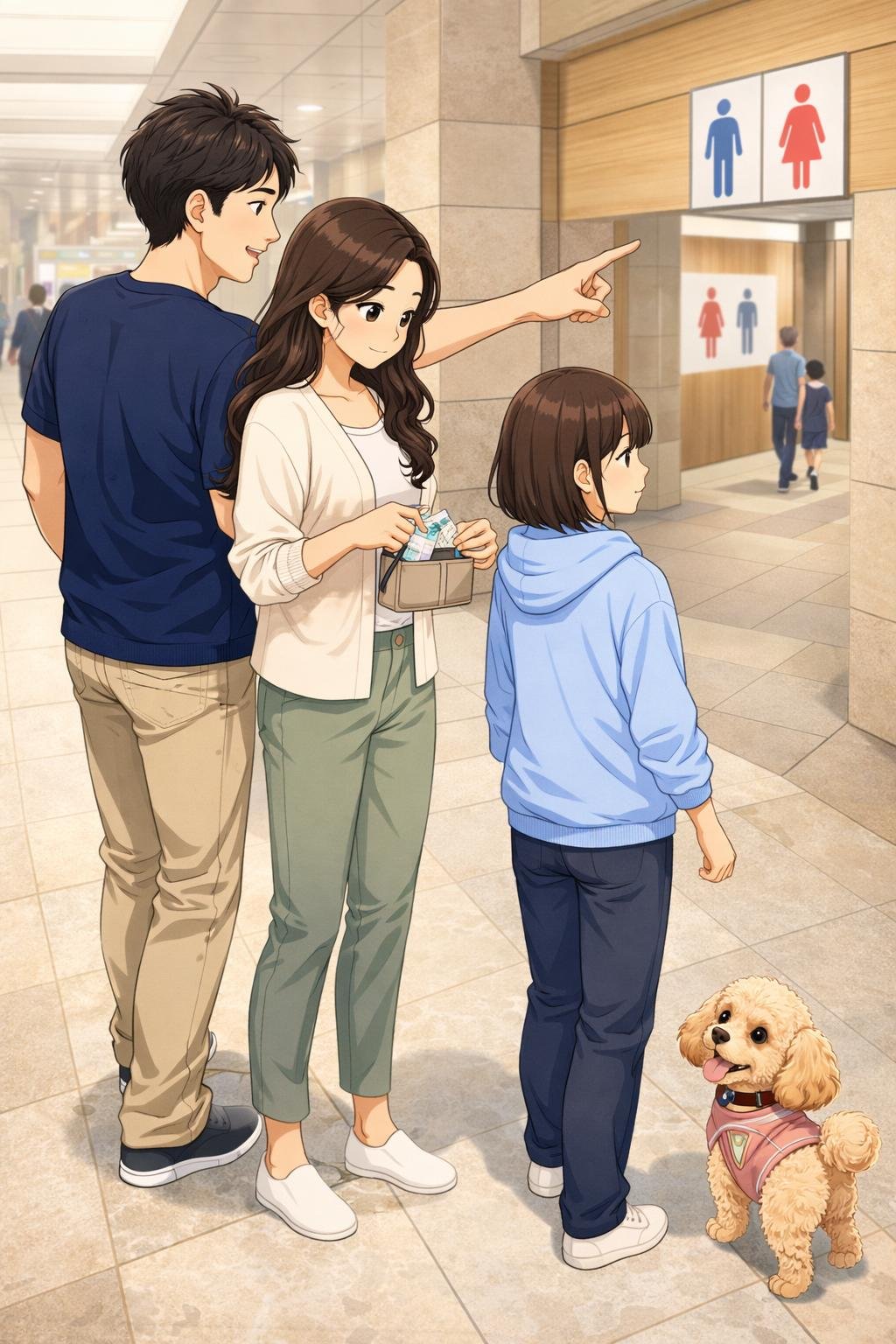
Public restroom use involves locating a facility, identifying the appropriate entrance, checking any access restrictions, and adapting to the fixtures available. Restrooms may be associated with transportation facilities, public attractions, commercial buildings, or individual businesses.
A facility that appears nearby may be inside a ticketed area, available only during a building’s operating hours, or reserved for customers or authorized visitors. The presence of toilets, toilet paper, soap, changing facilities, or accessibility equipment should not be assumed without checking the location.
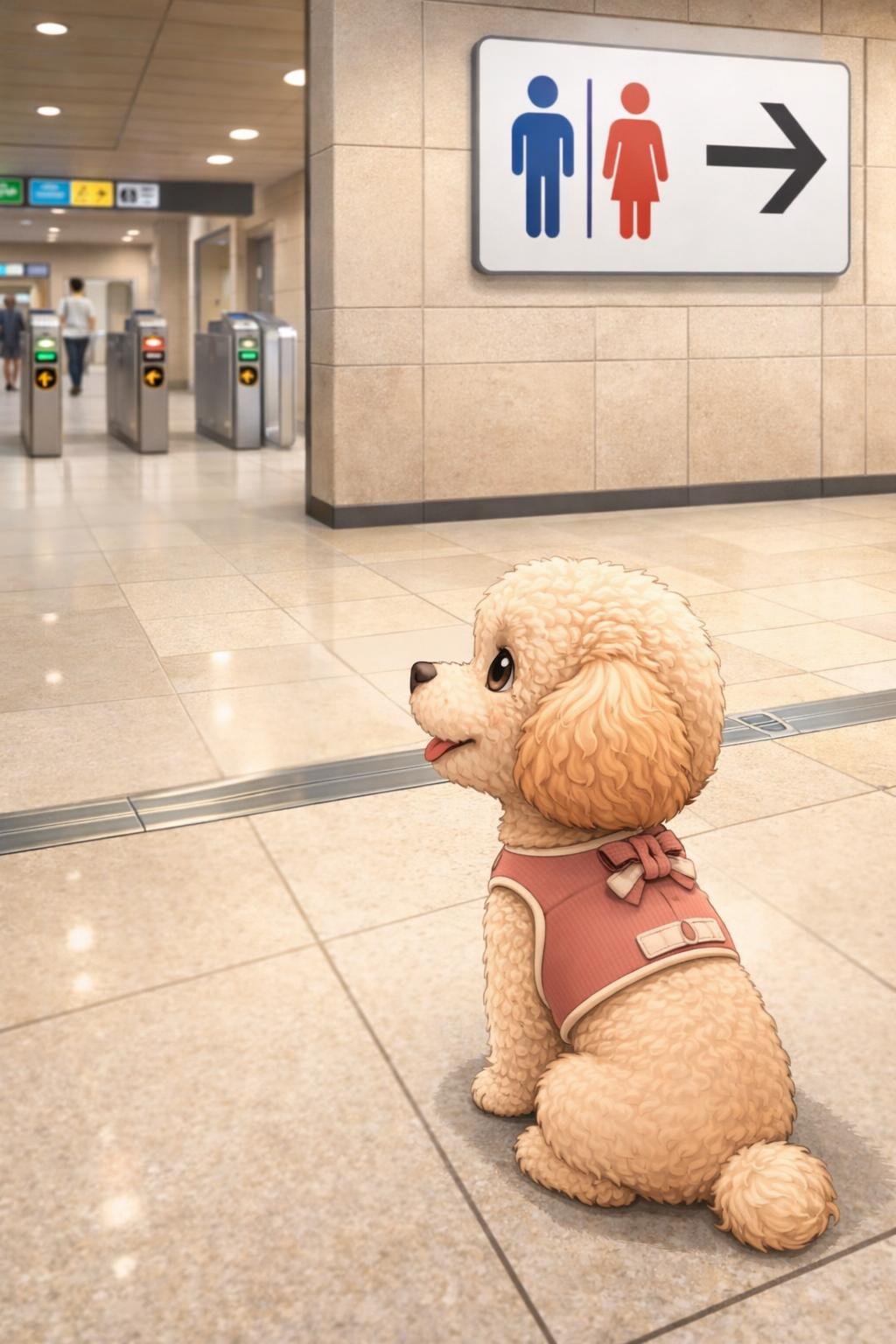
Posted symbols are often more useful than English text. Standard male, female, wheelchair-accessible, baby-care, or family-facility symbols may help, but the exact arrangement varies.
Why Understanding the Restroom System Matters
Knowing where to look can reduce uncertainty during sightseeing and transportation. It is particularly useful before entering a long queue, beginning an outdoor walk, boarding transportation, or visiting a site where facilities may be limited.
Understanding access boundaries also helps travelers avoid unnecessary problems. For example, a subway restroom may be outside the paid area, while a restroom elsewhere may be beyond an admission gate or inside a business. Confirming access before passing through a gate is more reliable than assuming re-entry will be permitted.
This knowledge does not guarantee that a restroom will be open or available. It gives visitors a practical method: look for official signs, confirm local conditions, and identify an alternative before the need becomes urgent.
What to Know Before You Need a Restroom
Recognize the signs
Look for familiar restroom pictograms and the Korean word 화장실, which means restroom. Building directories, station maps, information desks, and directional signs may also identify facilities.
Plan around longer outings
Check for restrooms before beginning a long walking route, waiting in a queue, or traveling to a less familiar destination. If restroom access is important for medical, family, or mobility reasons, contact the venue or consult its current official visitor information in advance.
Confirm that the destination has a facility
Not every attraction has a restroom inside. One verified example is Riverview 8th Avenue beneath Gwangjingyo Bridge in Seoul. The Seoul Metropolitan Government states that there is no restroom inside and directs visitors to a temporary restroom near Gwangjingyo Bridge.
This example should not be treated as a general rule for observation facilities. It shows why visitors should check the information for the specific place they plan to visit.
Carry a small personal supply kit
Travel tissues and hand sanitizer can be useful backups, although they do not replace handwashing when suitable washing facilities are available. Visitors with specific hygiene, caregiving, or medical needs should bring the personal items they normally require.
Do not assume that English instructions, toilet paper, soap, changing facilities, or accessibility equipment will be available everywhere. Check on site and seek staff assistance when necessary.
Where to Look for Public Restrooms
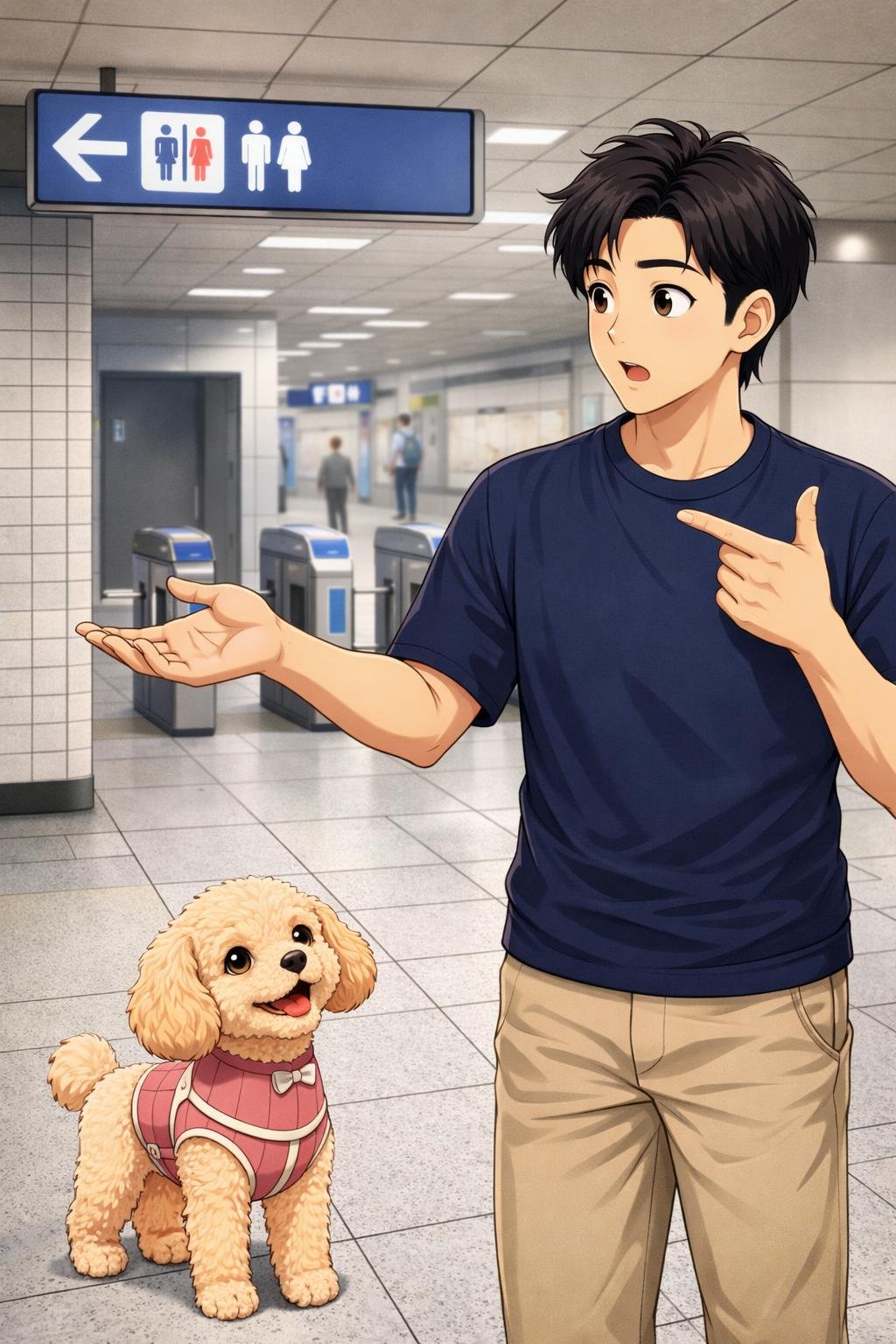
Transportation areas
Subway and railway stations are practical places to check. Follow station maps and restroom signs, but first determine whether the facility is inside or outside the paid area. Access arrangements can differ by station and may change.
Public attractions and civic facilities
Museums, visitor facilities, parks, observation areas, and other public destinations may have restrooms or signs directing visitors to nearby facilities. Availability, opening access, and amenities must be confirmed at the location.
Commercial buildings and individual venues
Shopping complexes, restaurants, cafés, and other businesses may have facilities, but access can depend on the building or operator. A restroom may be for customers, tenants, or authorized visitors rather than the general public.
Information desks and staff
If signs are unclear, show staff the word 화장실 or ask where the restroom is. Staff can direct you more reliably than following another person into an area that may be restricted.
How to Use Public Restrooms in Korea Step by Step
- Find an official sign. Look for restroom pictograms, the word 화장실, a building directory, or a station map.
- Confirm the location. Check whether the restroom is on your current floor and whether it is inside or outside a ticket gate, admission area, or customer-only space.
- Choose the correct entrance. Follow the symbols and labels displayed at that facility. If the arrangement is unclear, ask staff rather than guessing.
- Check the available fixtures. Identify the toilet type, flush control, toilet-paper supply, washbasin, soap, and any accessibility or baby-care equipment you need.
- Use the facility considerately. Respect the queue, keep noise low, protect other users’ privacy, and leave the stall reasonably clean.
- Follow disposal instructions. Put waste in the appropriate receptacle and follow posted directions for toilet paper or sanitary products. Do not assume every facility uses the same disposal system.
- Flush using the indicated control. Controls may be positioned differently or use buttons, levers, or electronic panels. Look for labels or symbols before operating unfamiliar equipment.
- Wash and dry your hands. Use the facilities provided. Personal sanitizer can serve as a backup if a needed supply is unavailable.
- Check your belongings. Before leaving, make sure you have your phone, wallet, bag, travel card, and any personal supplies.
Using Restrooms at Seoul Subway Stations
A Seoul subway restroom may require a passenger to leave the paid area. Before going through a turnstile, check the station signs and ask station staff whether the restroom is outside the gates and what re-entry conditions apply.
The Seoul Metropolitan Government reported that, as of October 7, 2023, qualifying passengers could leave and re-enter within 15 minutes without paying an additional fare on specified sections of Lines 1, 3, 4, 6, and 7, as well as all sections of Lines 2, 5, 8, 9, Ui-Sinseol, and Sillim.
This cited arrangement is dated information, not a promise that every station, passenger, travel card, gate, transfer, or present-day journey qualifies. Confirm the current line coverage, station conditions, required re-entry gate, eligible card or fare conditions, and time limit through current official information or station staff before exiting.
If re-entry is uncertain, speak to station staff first. Do not assume that leaving through any gate will preserve your fare or transfer.
Signs, Toilet Types, and Facilities You May Encounter
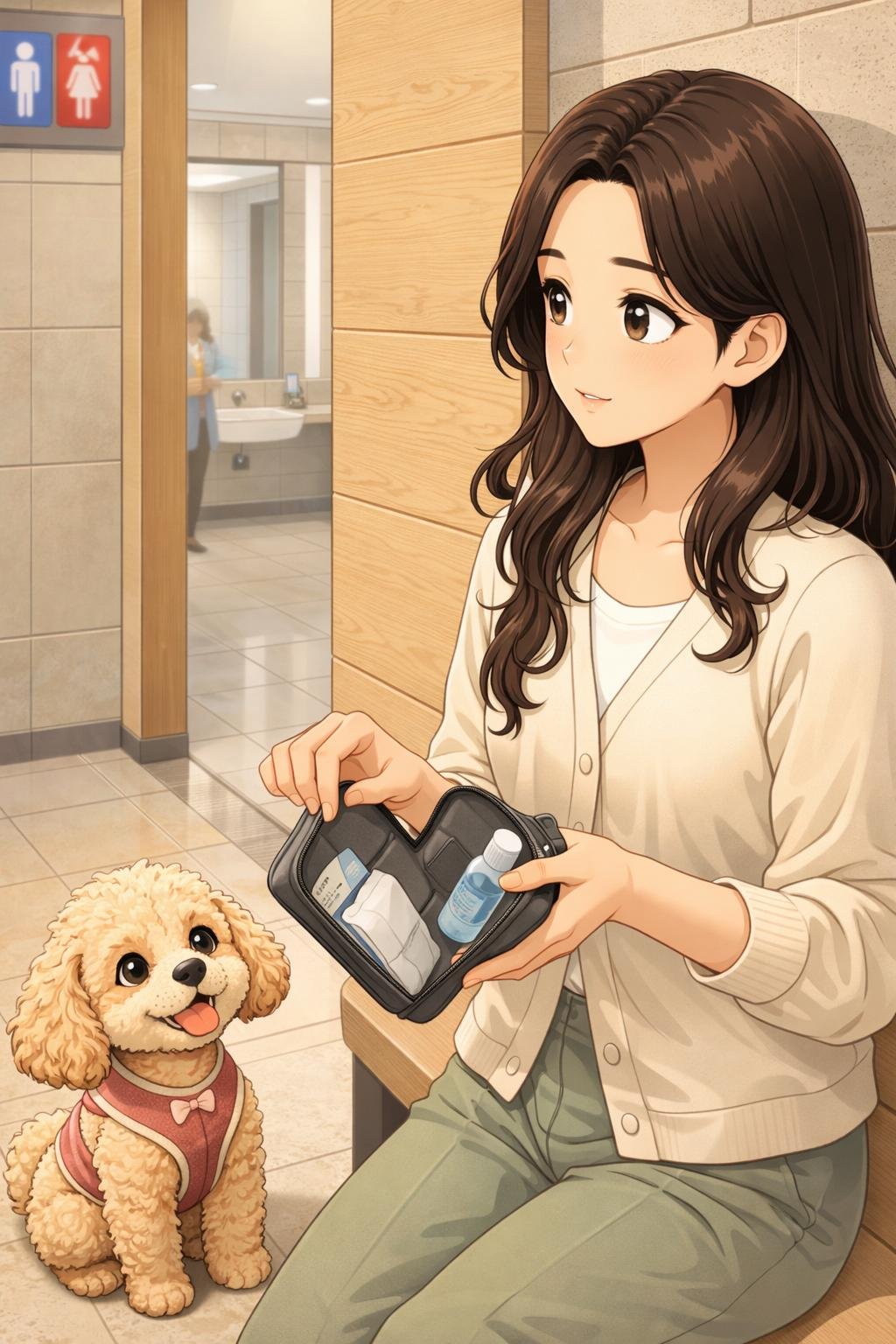
Visual signs
Restroom entrances commonly use recognizable human-figure pictograms. Additional symbols may indicate an accessible toilet, baby-care equipment, or another dedicated facility. Follow the labels at the actual entrance because colors and layouts are not reliable universal guides.
Different toilet fixtures
Visitors may encounter different toilet designs and control arrangements. Some controls may be attached to the toilet, mounted on a wall, or incorporated into an electronic panel. Examine the symbols before pressing unfamiliar controls.
If a fixture is unfamiliar or appears unsuitable for your needs, use another available stall or ask for assistance. Avoid forcing a handle, button, door, or other component.
Variable amenities
Toilet paper, soap, hand-drying equipment, hooks, shelves, changing tables, family rooms, and accessibility features can vary. Their presence at one facility does not establish what will be available elsewhere.
Travelers who require step-free access, transfer space, grab bars, an adult changing facility, or another specific feature should verify it with the relevant operator. A general accessibility symbol may not answer every individual access question.
K-Nana Family Guide
Illustrative example: The following family voices are hypothetical planning examples, not verified visitor reviews or reports about a particular restroom.
Dad: Decide where to look first
Dad checks the station map or building directory before walking toward a sign. If the restroom appears to be beyond a ticket gate or in a restricted area, he asks staff how access and re-entry work before crossing the boundary.
Mom: Prepare for comfort and individual needs
Mom carries a small supply of tissues and hand sanitizer while recognizing that facilities vary. If someone needs step-free access, changing equipment, or a particular toilet layout, she checks the venue’s current information instead of assuming that a symbol guarantees every required feature.
Daughter: Follow signs and respect the shared space
Daughter waits her turn, follows the posted disposal instructions, avoids photographing other users or private areas, and checks that she has not left her phone or bag behind.
Nana: Remember one simple rule
Nana says, “Check the sign before you cross the gate.”
Restroom Etiquette, Cautions, and Common Mistakes
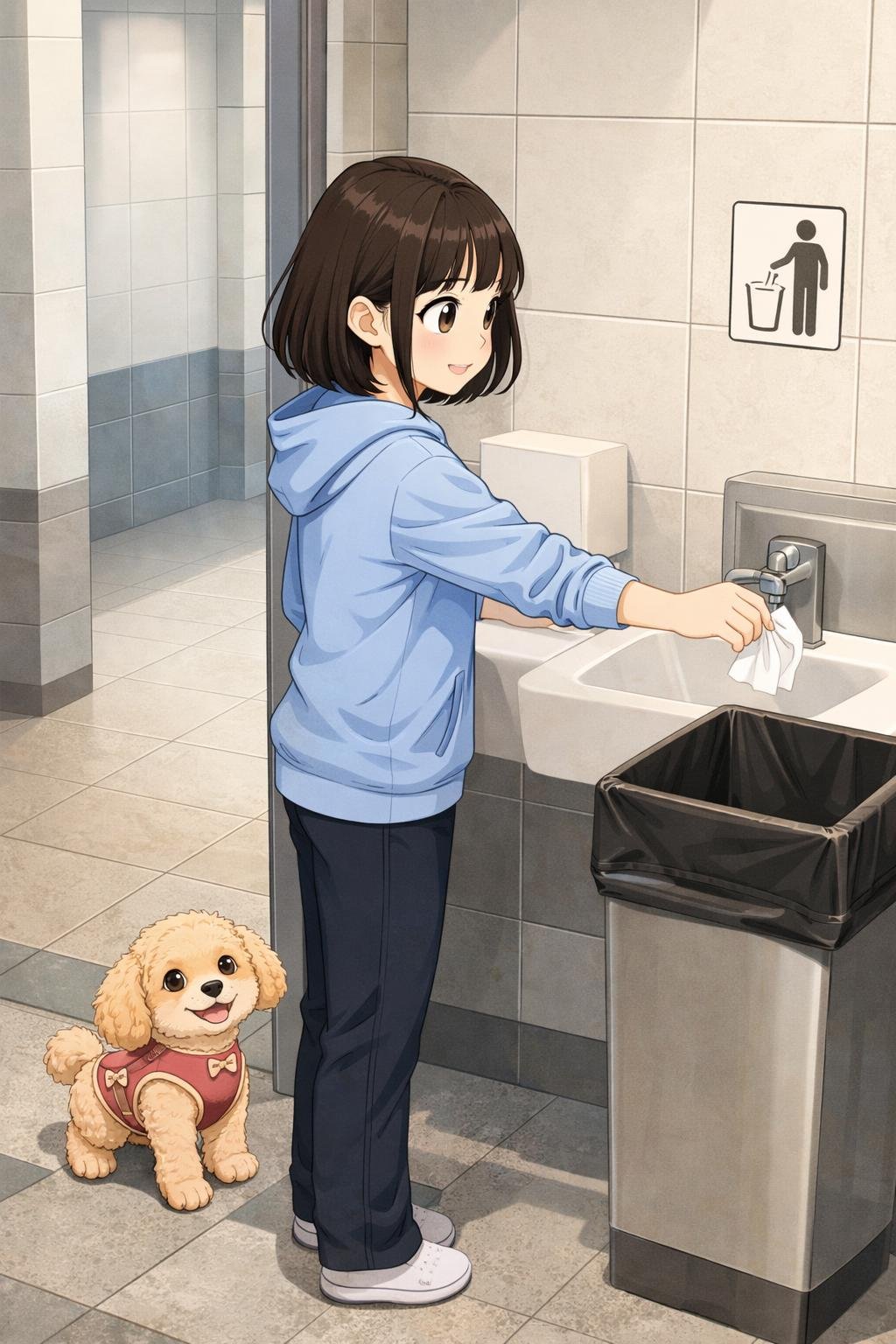
- Respect queues. Wait in the arrangement used at the facility and avoid blocking entrances or accessible routes.
- Follow posted instructions. Disposal, flushing, access, and facility-use directions may differ by location.
- Protect privacy. Avoid photography or video in restroom areas. A venue may also have its own explicit photography rules.
- Leave the area clean. Flush appropriately, place waste in the designated receptacle, and report serious maintenance problems to staff when possible.
- Respect restricted spaces. Do not enter staff-only, tenant-only, or customer-only facilities without permission.
- Do not assume supplies are universal. Paper, soap, drying equipment, and personal-care amenities may be absent or temporarily unavailable.
- Do not assume accessibility from appearance alone. Confirm the features relevant to your needs rather than relying only on a general label.
- Do not force unfamiliar equipment. Pause to look for symbols or seek help if a door, flush control, or fixture is unclear.
These points describe general courtesy and practical caution. Posted venue instructions and staff directions govern use at the specific location.
Quick Restroom Checklist for Travelers
- Identify likely restroom locations before a long outing.
- Learn to recognize restroom pictograms and the word 화장실.
- Check whether the facility is inside a controlled or paid area.
- Carry personal tissues, sanitizer, and any essential care supplies.
- Confirm required accessibility or changing features in advance.
- Read local flushing and waste-disposal instructions.
- Ask staff before leaving a subway paid area solely to use a restroom.
- Verify current Seoul subway re-entry conditions rather than relying on the dated program description alone.
- Confirm venue-specific access, operating conditions, and house rules.
- Check for personal belongings before leaving.
Frequently Asked Questions
How can I find a restroom in Korea?
Look for restroom pictograms, the Korean word 화장실, station maps, building directories, and official directional signs. If those are unclear, ask an information desk or member of staff.
Are subway restrooms inside or outside the paid area?
The location can vary. Check the station map and signs before passing through a turnstile. If the restroom is outside the paid area, ask station staff about current exit and re-entry conditions.
Can I leave a Seoul subway station and re-enter within 15 minutes?
A Seoul Metropolitan Government notice reported a 15-minute fare-free re-entry arrangement on specified subway lines and sections as of October 7, 2023. It should not be treated as universal or permanent. Verify the current station, line, card, gate, transfer, and timing requirements before exiting.
What should I do if an attraction has no restroom?
Check its official visitor information or ask staff where the nearest alternative is located. For example, official information for Riverview 8th Avenue states that it has no restroom inside and directs visitors to a temporary restroom near Gwangjingyo Bridge. Directions for other venues will differ.
What if I do not understand the toilet controls?
Look for a familiar flush symbol, a labeled button, or a standard mechanical control. Do not press multiple unfamiliar controls at random or force the equipment. Use another stall or ask for help if necessary.
Should I carry toilet paper or other supplies?
Carrying travel tissues and hand sanitizer can provide a useful backup. Availability of paper, soap, drying equipment, and other amenities varies, so bring any personal hygiene or medical supplies you specifically require.
Are accessible restrooms available everywhere?
Do not assume universal availability or a standard set of features. If accessibility is important, confirm the entrance route, stall layout, equipment, and operating access with the relevant venue or transportation operator.
Final Takeaway
The practical approach to how to use public restrooms in Korea is straightforward: look for official signs, confirm access before entering or leaving a controlled area, inspect unfamiliar equipment, and follow the instructions displayed at the facility.
Prepare for differences in supplies, layouts, accessibility, and venue policies. When re-entry, operating access, or a specific accessibility feature matters, check current official information or ask staff rather than relying on a general assumption.
References
- 15-min turnstile re-entry introduced by Daeun! – Seoul Metropolitan Government — https://english.seoul.go.kr/15-min-turnstile-re-entry-introduced-by-daeun/
- Observation Facilities – Seoul Metropolitan Government — https://english.seoul.go.kr/observation-facilities/
Image Credits
Images in this article are K-Nana Studio original educational illustrations. They are provided for visual guidance and may be AI-generated. They do not represent verified photographs of actual venues, facilities, products, or operating conditions.
Disclaimer
This article is provided for general travel, cultural, and educational information. Prices, opening hours, reservations, ingredients, payment methods, participation requirements, house rules, accessibility, photography rules, access conditions, and venue policies may vary or change. Confirm important current information with the relevant official source, transportation operator, or venue before visiting.
AI-generated images are illustrative visual aids and may not exactly represent real venues, products, facilities, or visitor conditions. Nana is a K-Nana Studio family mascot. Her appearance in an illustrative scene does not imply that pets are permitted at the real location or activity.