
Using Coin Lockers in Korea: What First-Time Visitors Should Know
Coin lockers provide temporary self-service storage for bags and other permitted belongings. International visitors often encounter them at subway stations in South Korea, where they can be useful before accommodation check-in, after checkout, or during sightseeing.
Using one is not always as simple as inserting a coin. The exact process may involve a touchscreen, transportation card, bank card, cash, password, receipt, or mobile app. Before leaving your bag, confirm the locker location, compartment size, operating hours, payment options, storage limit, and retrieval procedure.
This guide explains how to use coin lockers in Korea while distinguishing general guidance from the current, system-specific information supplied for Seoul.
What Coin Lockers in Korea Are
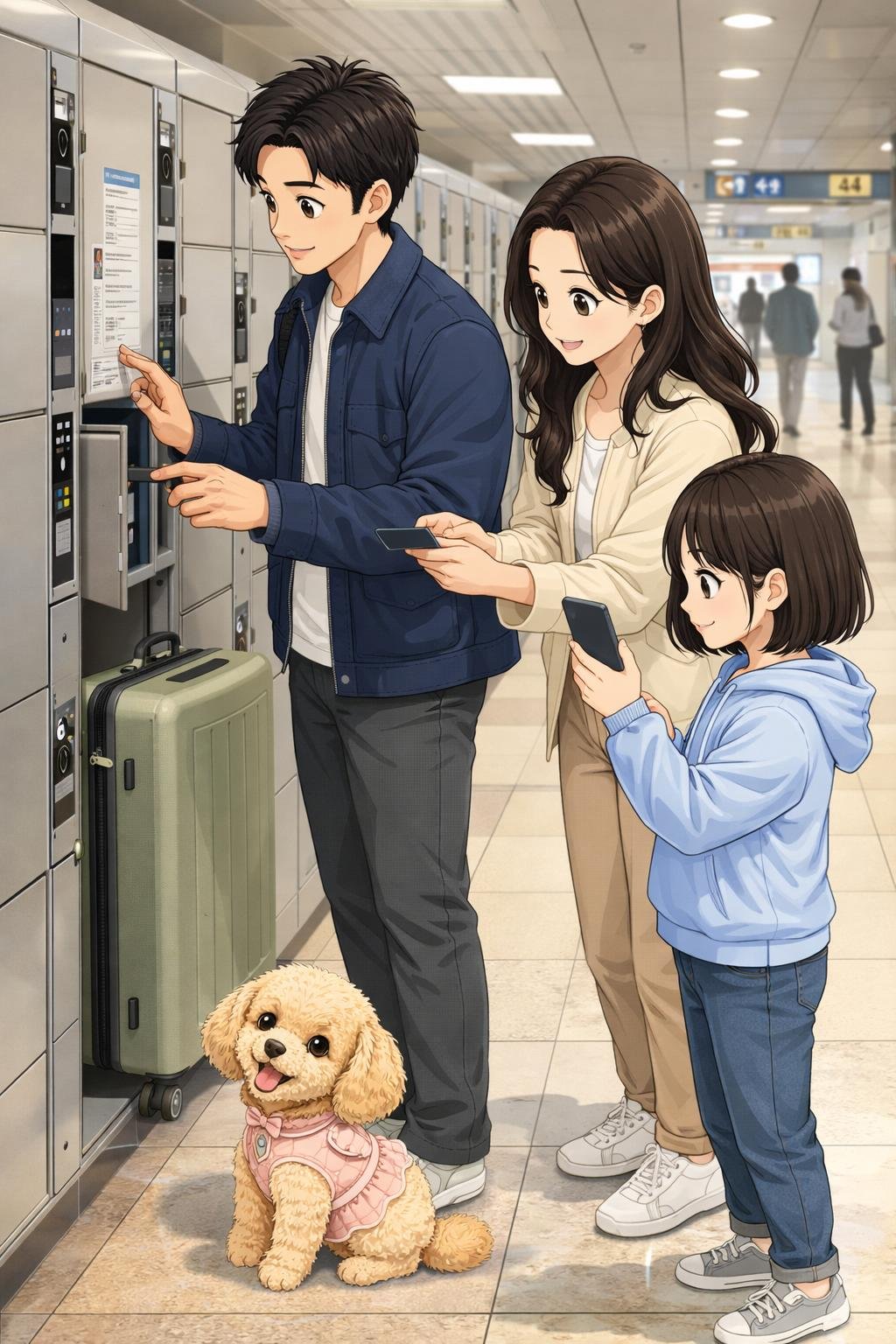
A coin locker is an unattended compartment that can be rented for short-term storage. Despite the name, many modern lockers use electronic payment rather than physical coins.
Subway lockers commonly come in small, medium, and large categories. These labels describe relative size within a particular locker system; they do not guarantee that a suitcase will fit. Visitors should inspect the displayed dimensions or compare the compartment with their bag before paying.
Fees, permitted storage periods, access conditions, instructions, and retrieval methods vary by facility. Some systems charge for an initial period and then add a surcharge when that period is exceeded.
Lockers also differ from staffed luggage services. For example, Seoul’s T-Luggage provides same-day storage and luggage transportation at selected major stations. A staffed service may be worth considering when lockers are full, a bag does not fit, or an app-based locker system is difficult to use.
When a Coin Locker Can Be Useful
A locker can help when there is a gap between arriving in a city and checking into accommodation. It can also reduce the need to carry luggage while visiting attractions, shopping, or transferring between transportation services.
A locker is generally most practical when the bag fits easily, a compartment is available, and you can return during the facility’s access hours. Availability should never be assumed, particularly when timing is important.
Consider a staffed luggage service instead when you have oversized luggage, require help with the storage process, or cannot confidently return before the locker area closes. Compare the service location and collection conditions with your itinerary before deciding.
Where to Find Lockers and How to Choose a Size
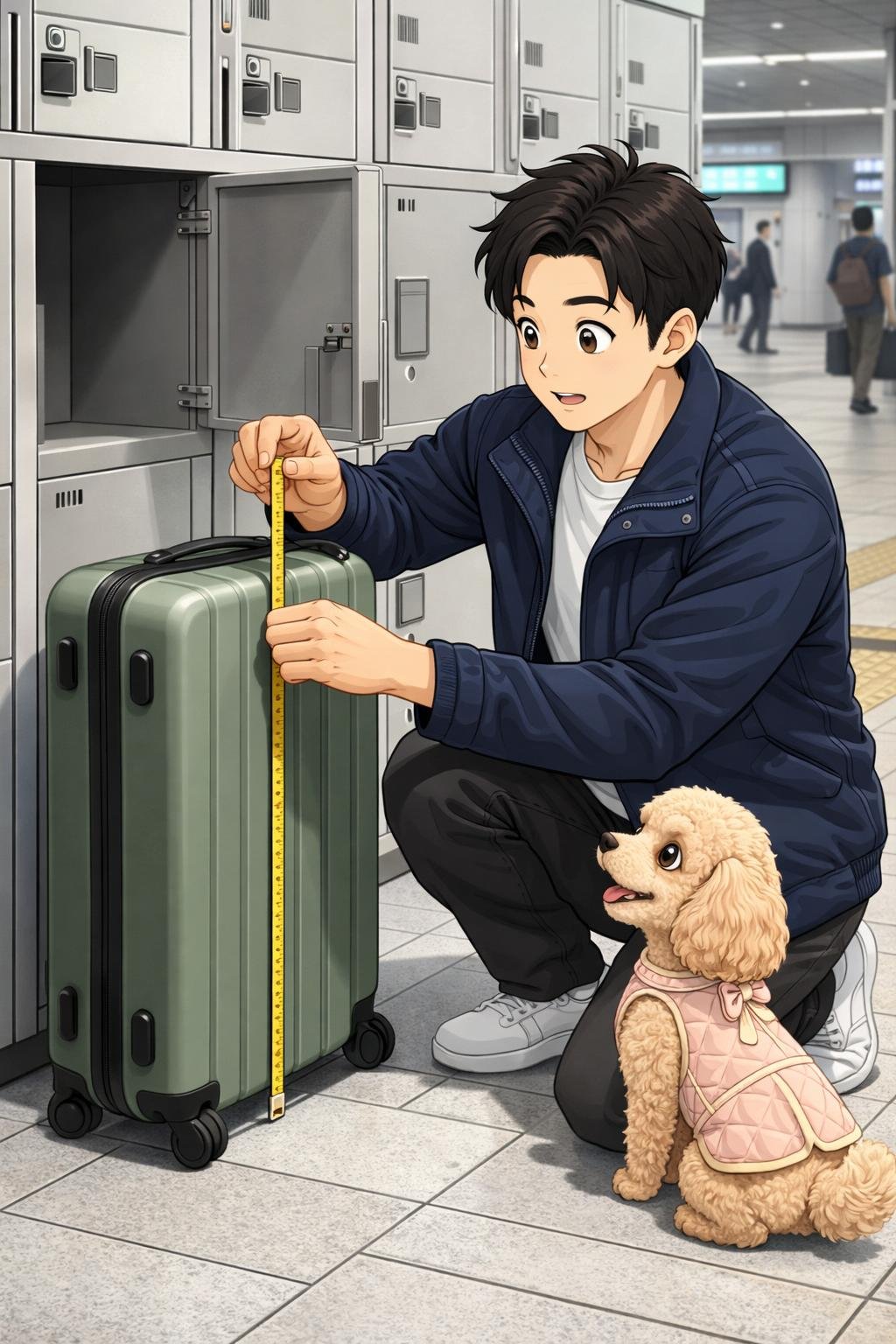
According to VISITKOREA, most South Korean subway stations have lockers, generally in small, medium, and large sizes. Their placement within a station varies, so look at station maps and signs or ask station staff if assistance is available.
Seoul Metropolitan Government currently reports 5,557 T-Locker compartments at 336 locations across 273 stations. These figures describe Seoul’s T-Locker network rather than every locker in Korea, and the number, placement, and availability of lockers can change.
Do not select a size based only on labels such as “medium” or “large.” Check the displayed internal dimensions when available, then account for wheels, handles, rigid frames, and items attached to the outside of the bag.
The bag should enter without being forced, and the door must close normally. If you are uncertain, find a larger compartment or use another storage service rather than paying for a compartment that may not fit.
What to Check Before Using a Locker
- Station and locker access hours: Make sure you can reach the locker when you plan to retrieve the bag.
- Storage period: Check the initial paid period, the maximum permitted period, and what the operator says happens after that limit.
- Current price: Confirm the rate for the selected size and day, including any time-based surcharge.
- Payment method: Subway lockers generally accept a bank card or transportation card, while some accept cash. Do not assume that a particular foreign-issued card will work.
- System requirements: Determine whether the locker uses a touchscreen, receipt, password, transportation card, or mobile app.
- Language access: Review the available interface languages before starting, particularly if retrieval depends on an app.
- Bag dimensions: Compare the entire bag, including wheels and handles, with the actual compartment.
- Backup storage: Identify another locker bank or staffed luggage service in case no suitable compartment is available.
Take a charged phone and keep more than one plausible payment method if possible. These preparations do not guarantee compatibility, so follow the current instructions displayed by the specific locker operator.
How to Use Coin Lockers in Korea Step by Step
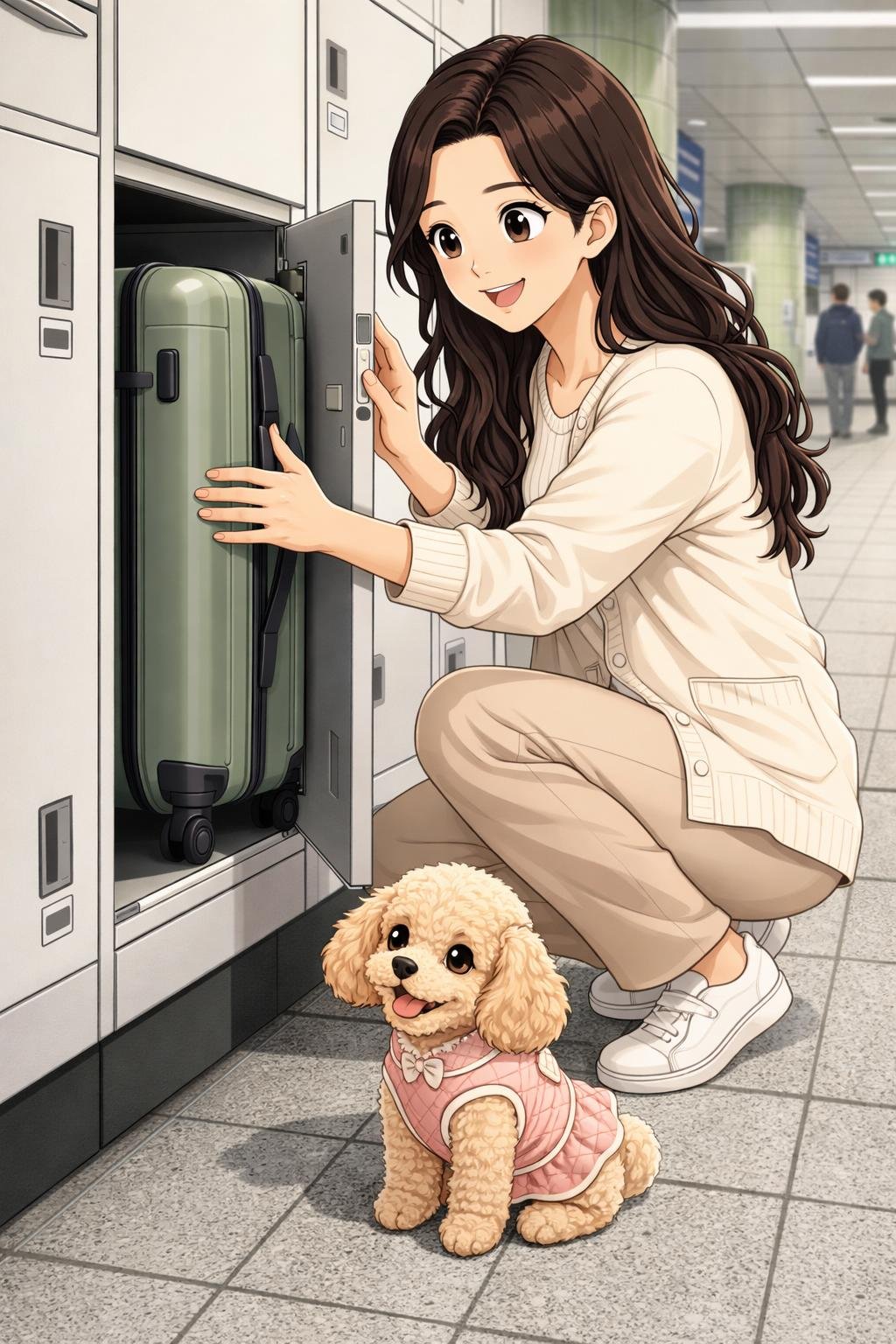
- Find the locker area. Note the station name, floor, nearby exit, and recognizable landmarks so you can locate it again.
- Identify the system. Read the screen or posted instructions before placing anything inside. Check whether an app is required.
- Check availability and fit. Select an available compartment only after confirming that the bag will fit without forcing the door.
- Review the conditions. Confirm the initial storage period, current charge, surcharges, operating hours, and maximum permitted storage time.
- Select the storage option. Follow the screen, app, or posted procedure for depositing an item rather than retrieving one.
- Pay using an accepted method. Complete payment only after verifying the locker number and fee.
- Place and secure the bag. Put the permitted item inside, close the door completely, and confirm that the system shows the locker as locked.
- Save the retrieval information. Retain the receipt, password, app record, card, or other credential required by that particular system.
- Record the location. Save the station, exit, floor, locker-bank identifier, and compartment number.
- Return within access hours. Allow extra time to navigate the station and resolve any payment or app issue.
- Complete retrieval. Follow the retrieval procedure and pay any applicable surcharge before opening the compartment.
- Check the compartment. Remove every item and make sure the door and transaction are left in the state requested by the system.
Seoul’s newer T-Locker system requires its mobile app to check availability, pay, store items, and retrieve them. Older Seoul lockers may operate differently, so their posted instructions should be followed rather than assuming the T-Locker process applies.
Payment, Storage Fees, and Retrieval Rules
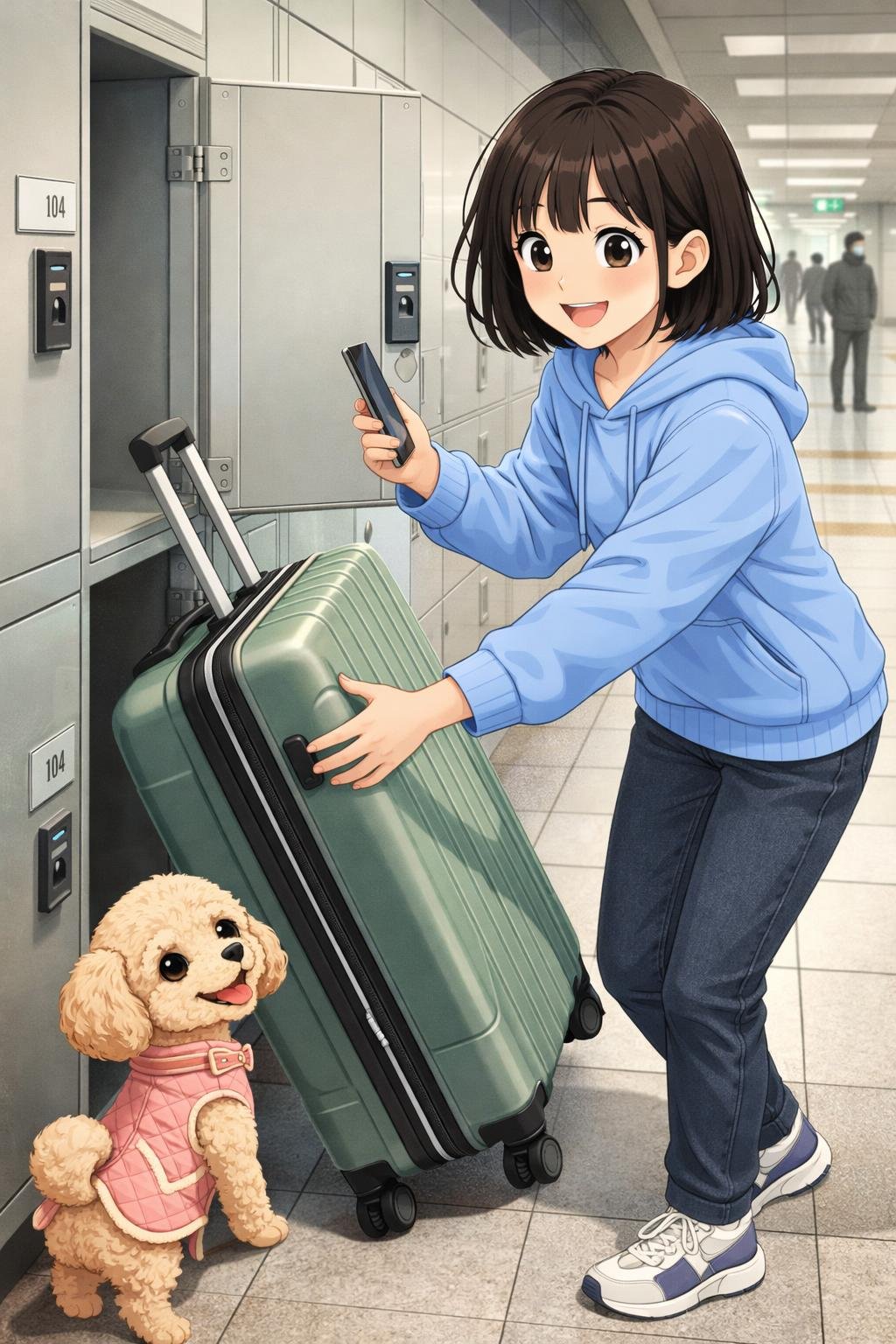
Locker prices depend on the operator, location, compartment size, day, and storage duration. Nationwide pricing should not be inferred from the rates of one Seoul system.
Seoul Metropolitan Government currently lists the following T-Locker charges for the first four hours:
| Locker size | Weekday rate | Weekend rate |
|---|---|---|
| Small | ₩2,200 | ₩3,100 |
| Medium | ₩3,300 | ₩4,600 |
| Large | ₩4,400 | ₩6,100 |
The same source reports that hourly surcharges apply after the initial period. Check the current displayed total before storage and again at retrieval because these are system-specific rates that may change.
Seoul T-Locker currently operates from 5:00 a.m. to midnight each day. Items cannot be stored or retrieved outside that operating window. This schedule should not be treated as the operating schedule for every locker facility in Korea.
If the initial paid period is exceeded, follow the system’s instructions and expect that an additional charge may be required. Maximum storage periods and handling of items left too long are operator-specific matters that should be checked on the locker or official information page.
Language and App Challenges for International Visitors
VISITKOREA states that most subway lockers provide multilingual instructions. However, language support is not universal, and an individual screen or app may not provide the language a visitor needs.
Seoul’s newer T-Locker system requires the T-Locker app for checking availability, payment, storage, and retrieval. Seoul Metropolitan Government states that the app and telephone support are Korean-only. Visitors should account for this before placing essential belongings inside.
Review the process while you still have time to choose another option. A translation tool may help with understanding text, but it should not be treated as a guarantee that registration, payment, or retrieval will work on a particular phone.
Do not assume that station staff can provide English-language assistance or operate the service for you. If the app, payment stage, or retrieval instructions are not manageable, use a different locker system or investigate a staffed luggage service.
K-Nana Family Guide
Hypothetical example: The following family scenario illustrates a practical decision-making process. It is not a verified visitor review or a statement about conditions at a specific station.
Dad: Dad first identifies the installed locker system. Before choosing a compartment, he checks whether retrieval requires an app, password, receipt, or the same card used during payment.
Mom: Mom compares the bag with the compartment, checks the price and possible surcharge, confirms the accepted payment methods, and notes the access hours. She also identifies a backup luggage service in case the locker is full or payment fails.
Daughter: Daughter saves the station name, nearby exit, locker-bank location, and compartment number. She keeps the retrieval details private and sets a reminder to return with enough time before access closes.
Nana: “Record where your locker is, then collect everything before the doors close!”
Etiquette, Restrictions, and Common Mistakes
Locker banks are shared spaces, often located in busy transportation areas. Keep bags close while deciding, avoid blocking walkways, and move away from the screen after completing the transaction.
Follow the restrictions posted by the operator. Do not assume that every type of belonging is permitted, and do not leave an item if you cannot understand the relevant conditions.
A frequent mistake is paying before checking whether the bag fits. Another is losing the receipt, password, card, app access, or other retrieval credential. Save the required information securely without exposing a password or access code to other people.
Large stations can have multiple exits, floors, concourses, and locker banks that look similar. Recording only the station name may not be enough, so include the exit number and a nearby landmark.
Visitors may also overlook hourly surcharges, assume an unverified card will be accepted, or return after operating hours. Leave a time buffer and check the actual payment and access rules instead of relying on the procedure used at a previous station.
Rules differ by operator and location. Posted instructions and current official information take priority over general travel guidance.
Coin Locker Checklist
Before storing your bag
- Measure or estimate the bag’s full dimensions, including wheels and handles.
- Confirm that a suitable compartment is currently available.
- Check the price, initial paid period, and possible surcharges.
- Confirm an accepted payment method without assuming foreign-card acceptance.
- Check the facility’s operating hours and maximum storage period.
- Determine whether an app is required and whether you can use its language interface.
- Identify a backup locker bank or staffed luggage service.
Before walking away
- Confirm that the correct locker is securely closed.
- Save the locker number, station, floor, exit, and nearby landmark.
- Protect the receipt, password, card, app record, or other retrieval credential.
- Set a reminder that leaves time to return before access closes.
Complete both parts of the checklist before relying on the locker for an important connection or scheduled activity.
Frequently Asked Questions
Where can I find coin lockers in Korea?
Most South Korean subway stations have lockers, according to VISITKOREA. Their placement and availability vary, so check station maps, signs, and the specific operator’s information.
Will a large locker fit my suitcase?
It may, but “large” is not a universal measurement. Check the compartment dimensions and include the suitcase’s wheels, handles, and rigid frame when judging fit.
Can I pay by bank card or transportation card?
Payment is generally accepted by bank card or transportation card, but methods vary by system. Confirm the symbols and instructions on the actual locker before beginning.
Do coin lockers accept cash?
Some lockers accept cash, but it should not be assumed. Modern systems may require a card or app instead.
Will my foreign-issued card work?
Foreign-card acceptance varies and should not be assumed. Check the operator’s current information and keep another plausible payment option or storage plan available.
Can I use Seoul T-Locker without confidence in Korean?
The newer T-Locker system requires its app, and the supplied official source states that both the app and telephone support are Korean-only. Review the process before storing anything and consider another locker or staffed service if you cannot confidently complete retrieval.
What happens if I exceed the initial paid period?
An additional time-based charge may apply. Seoul T-Locker uses hourly surcharges after its initial four-hour period, but rates and procedures elsewhere vary.
Can I retrieve my bag after the locker area’s operating hours?
Do not assume that you can. Seoul T-Locker does not allow storage or retrieval outside its current 5:00 a.m. to midnight operating window, while other facilities may have different access hours.
What should I do if every suitable locker is full?
Look for another locker bank or consider a staffed luggage service. In Seoul, T-Luggage offers same-day luggage storage and transportation at selected major stations, but current locations and service conditions should be checked through official information.
What if I lose my retrieval information?
Follow the operator’s displayed support procedure. Identification, support availability, fees, and recovery rules vary, so this guide cannot guarantee how a particular case will be handled.
Final Takeaway
To use a coin locker successfully, first identify the exact locker system. Confirm that a suitable compartment is available, check the fit, review the current price and accepted payment methods, and understand how retrieval works before leaving your belongings.
Preserve the retrieval credential and record the detailed locker location. Return with enough time to pay any surcharge and collect the bag within the facility’s access hours.
Procedures differ across Korea, and even lockers in the same city may use different systems. Verify important details on the locker itself or through the relevant official source before committing to storage.
References
- Subway Storage Facilities – Seoul Metropolitan Government: https://english.seoul.go.kr/service/movement/public-transportation/subway-storage-facilities/
- Subway- VISITKOREA: https://english.visitkorea.or.kr/svc/contents/infoHtmlView.do?vcontsId=140660
These official sources provide the operational details used in this guide.
Image Credits
Image Credits
Images 01–05 are K-Nana Studio original educational illustrations. They are provided for visual guidance and may be AI-generated. They do not represent verified photographs of specific locker facilities, stations, or operating conditions.
Disclaimer
This article is provided for general travel, cultural, and educational information. Prices, opening hours, reservations, ingredients, payment methods, participation requirements, house rules, accessibility, photography rules, access conditions, and venue policies may vary or change. Confirm important current information with the relevant official source or facility before visiting or storing belongings.
AI-generated images are illustrative visual aids and may not exactly represent real venues, products, facilities, or visitor conditions. Nana is a K-Nana Studio family mascot, and her appearance in an illustrative scene does not imply that pets are permitted at the real location or activity.