
Hanbok Rental in Seoul for First-Time Visitors
A hanbok rental in Seoul is one of the easiest ways to turn a royal palace visit into a hands-on Korean cultural experience. Instead of simply looking at traditional clothing, you can choose a hanbok, wear it for several hours, explore a royal palace, and visit nearby historic neighborhoods while dressed in it.
For first-time visitors, however, the experience can raise practical questions. Which style should you choose? What is normally included in a rental? How much time should you allow for changing? Can you enter a palace for free while wearing hanbok? And what should you check before leaving the rental shop?
This guide walks through the experience from choosing your outfit to returning it, with practical tips for international visitors exploring Seoul.
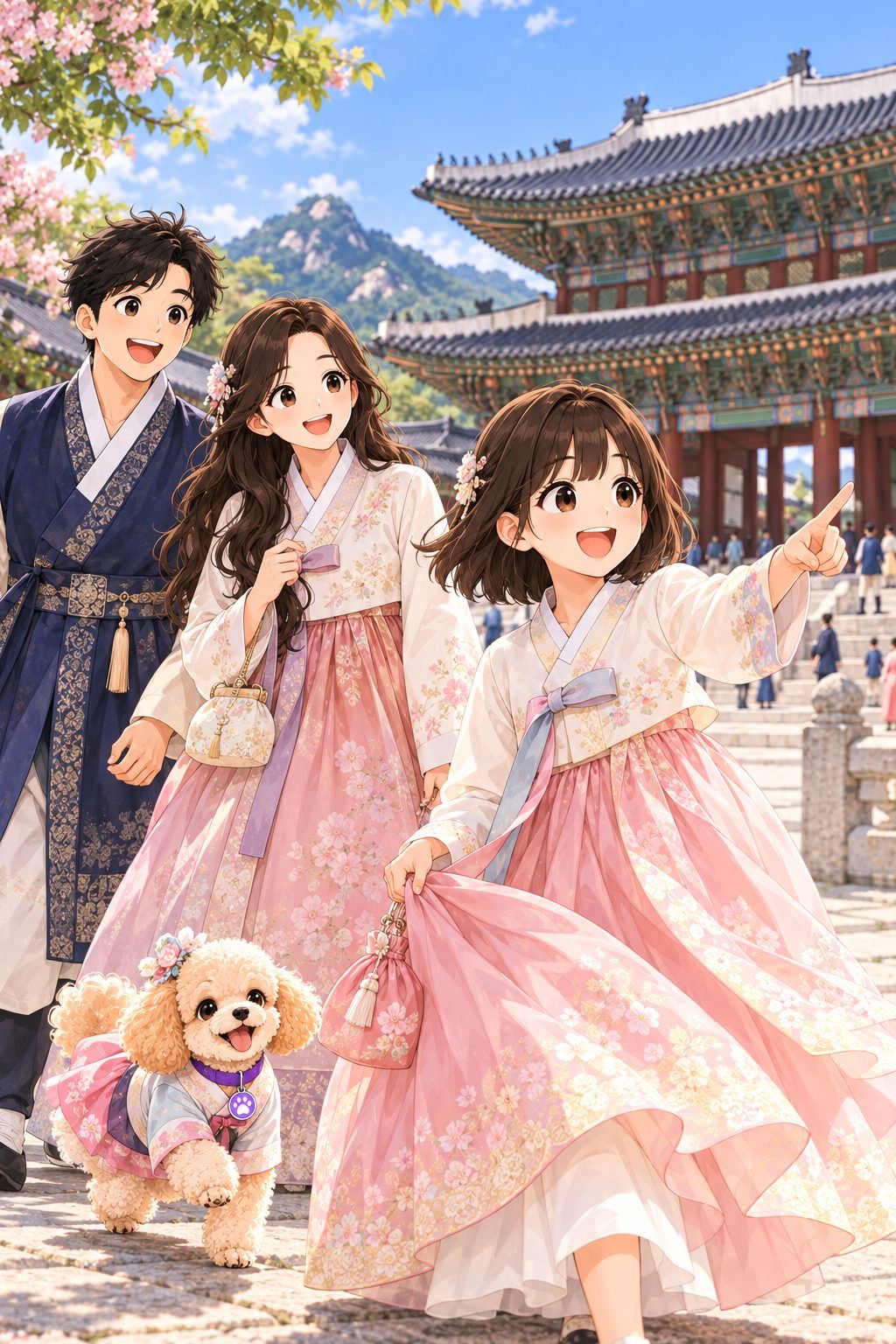
What Is a Hanbok Rental Experience?
Hanbok is traditional Korean clothing. In Seoul, visitors can rent hanbok for a limited period and wear it while exploring historic areas, particularly around the city’s royal palaces.
The basic process is simple. You visit a rental shop, choose an outfit, change into it, select any available accessories, confirm the return conditions, and then head out to explore.
Many rental shops can be found around Seoul’s palace districts. VISITKOREA notes that rental services are available near palace entrances and that visitors commonly wear hanbok at major royal palaces such as Gyeongbokgung and Changdeokgung.
A hanbok experience works especially well with Gyeongbokgung Palace. Travelers who want to continue exploring traditional Seoul can also connect the experience with Bukchon Hanok Village, Insadong, or Changdeokgung Palace.
How the Hanbok Rental Process Usually Works
Exact procedures vary by rental shop, but a typical experience follows a straightforward sequence.
- Choose a rental shop and rental duration.
- Select a hanbok style and color combination.
- Change into the outfit according to the shop’s instructions.
- Choose any included or optional accessories.
- Confirm the return time and rental conditions.
- Visit the palace or nearby historic district.
- Return to the shop before the agreed deadline.
Do not assume that every rental package includes the same services. Hairstyling, bags, hats, hair accessories, lockers, photography, or premium hanbok may be included at one shop and charged separately at another.
Check what your specific rental includes before paying.
Step 1: Choose Your Hanbok
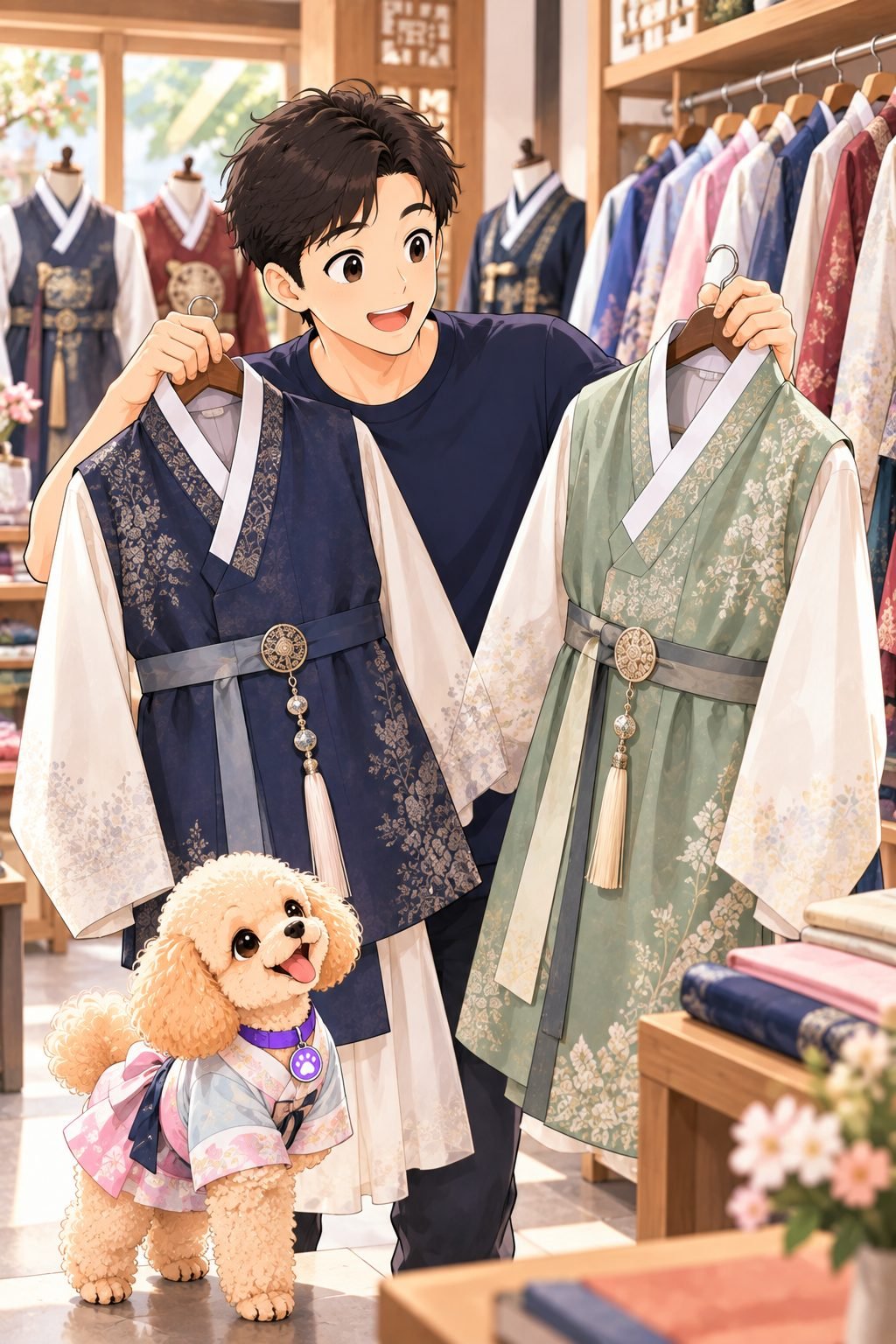
Choosing the outfit is often one of the most enjoyable parts of the experience. Rental shops may offer different colors, patterns, silhouettes, and combinations ranging from relatively traditional designs to modernized styles.
Instead of choosing only the most eye-catching outfit on the rack, think about the entire experience ahead.
- Comfort: You may spend several hours walking through large palace grounds.
- Fit: Make sure you can walk, sit, and use stairs comfortably.
- Weather: Seoul summers can be hot and humid, while winters can be very cold.
- Color: Choose a combination you genuinely like rather than worrying about finding one supposedly correct tourist style.
- Rental time: A complicated outfit is less useful if you have only a short sightseeing window.
If you are unsure about sizing or how different pieces should be combined, ask the rental staff before changing.
Step 2: Get Dressed and Check the Fit
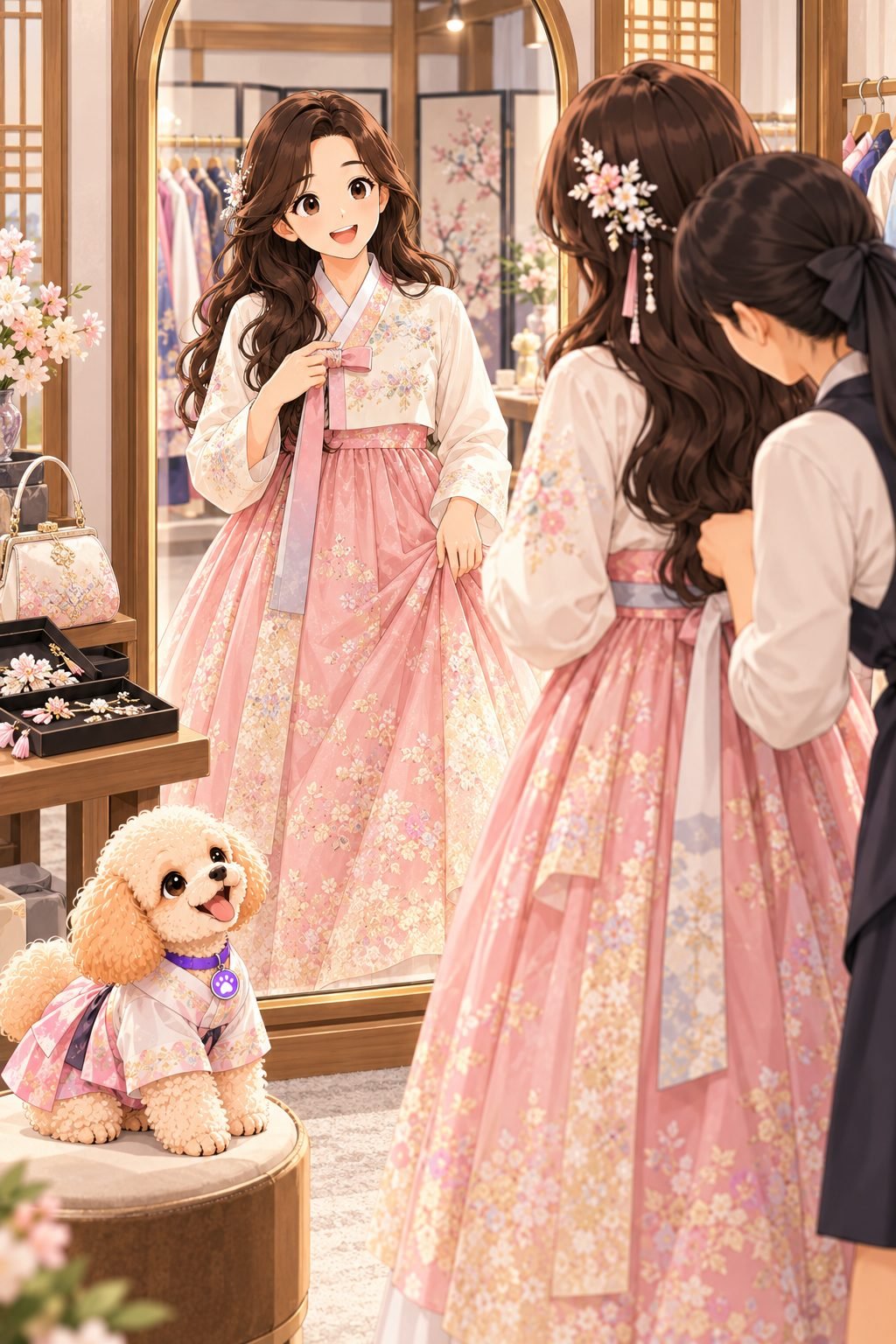
Once you have selected your outfit, follow the shop’s instructions for changing. Assistance varies between businesses, so do not assume every rental shop follows exactly the same fitting process.
Before leaving, take a minute to move around rather than checking the outfit only in a mirror.
- Walk several steps.
- Check the length of the skirt or pants.
- Make sure the upper garment feels secure.
- Check that accessories will stay in place while walking.
- Make sure your footwear is comfortable enough for the palace grounds.
If something feels uncomfortable inside the shop, ask for help immediately. Fixing the fit before leaving is much easier than returning after you have already reached the palace.
Step 3: Confirm the Rental Conditions
Before starting your palace visit, confirm the practical details of your rental.
- Return time: Know the exact deadline, not just the approximate rental duration.
- Return location: Confirm whether the outfit must be returned to the same branch.
- Included items: Check which accessories are included in your package.
- Personal belongings: Ask how your regular clothes and other belongings will be stored.
- Late return: Check whether additional charges apply.
- Damage or stains: Understand the shop’s policy before leaving.
- Deposit or identification: Follow the current requirements of the individual rental provider.
Prices, deposits, rental durations, and included services differ between businesses and can change over time. Check the current conditions directly with the rental provider instead of relying on an old price quoted in a travel post.
Step 4: Visit a Royal Palace in Hanbok
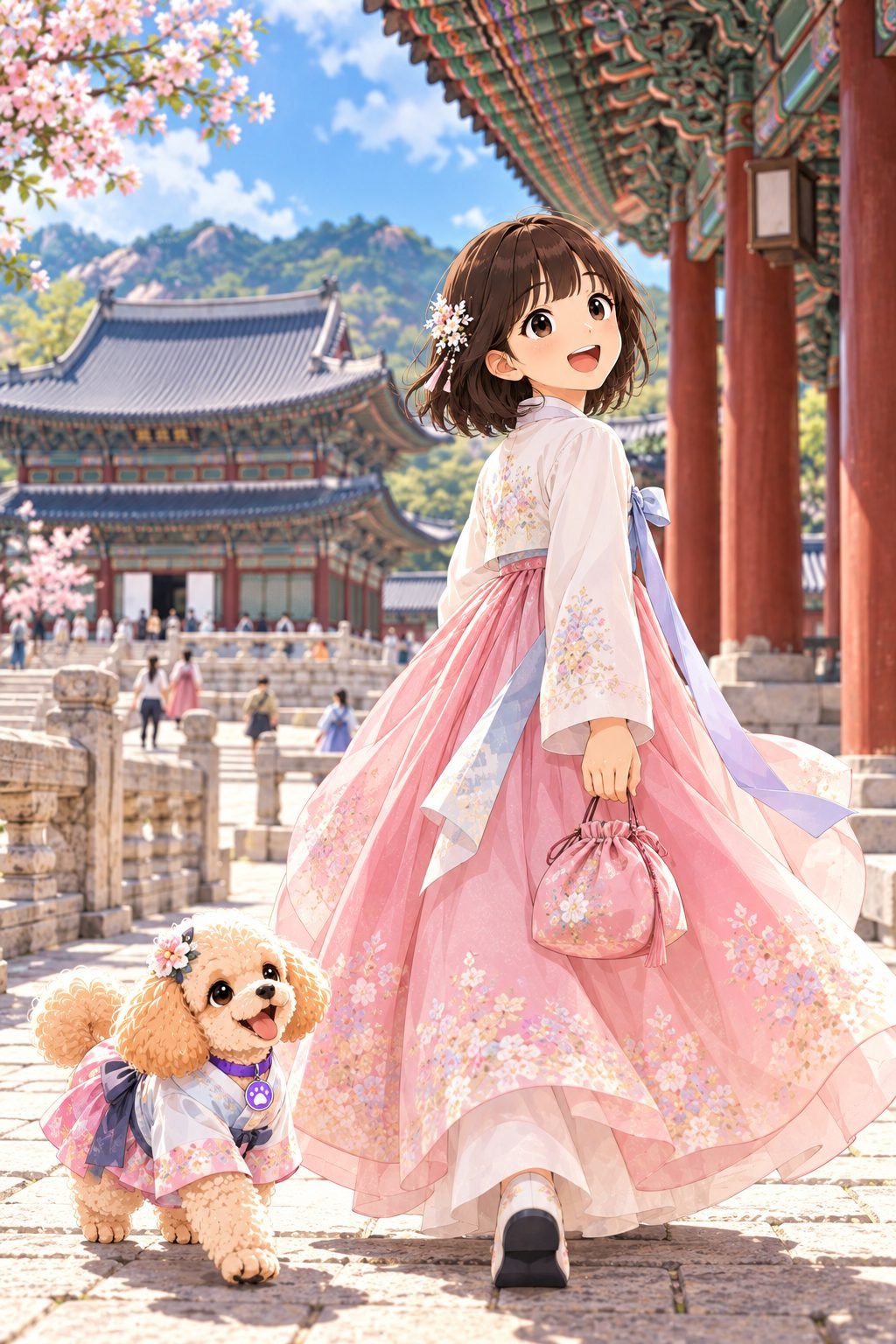
Once you are dressed, the palace visit becomes the main part of the experience.
Take time to explore rather than turning the entire visit into a photo session. Walk through the courtyards, look at the traditional architecture, and enjoy how the clothing and historic surroundings come together.
Gyeongbokgung is a natural choice for a first visit because it can easily be combined with other historic areas in central Seoul. Changdeokgung offers another excellent setting for travelers interested in palace architecture and traditional scenery.
Wearing hanbok does not change the normal visitor rules. Stay out of restricted areas, do not climb on cultural heritage structures, avoid blocking paths for extended photo sessions, and follow staff instructions.
Can You Enter Seoul’s Royal Palaces for Free in Hanbok?
Yes, qualifying hanbok wearers can currently receive free admission under the Royal Palaces and Tombs Center’s official hanbok admission guidelines.
The rule is more specific than simply wearing something that looks traditional. Both traditional hanbok and modernized hanbok can qualify, but the basic outfit must include an appropriate hanbok upper garment together with a hanbok skirt or pants.
Partially wearing hanbok does not qualify. For example, combining a hanbok upper garment with jeans, or wearing a hanbok skirt or pants with an ordinary T-shirt, is not eligible under the current guideline.
The policy applies regardless of nationality, so international visitors wearing qualifying hanbok can also receive the benefit.
Because admission policies, opening schedules, and special-event conditions can change, check the current official palace information before your visit.
Plan Enough Time for the Experience
Do not calculate your rental period using only the time you expect to spend inside the palace.
You also need time to choose an outfit, change clothes, adjust accessories, walk from the rental shop to the palace, take photographs, explore the grounds, return to the shop, and change back into your regular clothes.
A rushed schedule can turn an enjoyable cultural experience into a constant check of the clock.
If your itinerary also includes nearby Bukchon Hanok Village or Insadong, allow additional walking time rather than assuming everything can be covered during a short rental window.
What to Wear Under Hanbok
What you wear underneath your hanbok can make a big difference to your comfort, especially if you plan to spend several hours walking around Seoul.
Choose simple, lightweight clothing that does not create bulky lines under the hanbok. During warmer months, breathable clothing can make a long palace visit more comfortable. During colder months, ask the rental shop what layers can reasonably be worn underneath your outfit.
Footwear deserves special attention. A palace visit can involve a surprising amount of walking over stone paths, courtyards, and uneven surfaces. Unless your rental experience specifically requires different footwear, prioritize shoes that you can comfortably walk in.
Hanbok Etiquette at the Palace
Wearing hanbok can make a palace visit feel special, but the palace remains a national heritage site rather than a photo studio.
Keep normal visitor etiquette in mind. Stay on permitted routes, do not enter restricted spaces, avoid touching or leaning on historic structures, keep noise at a reasonable level, and follow instructions from on-site staff.
When taking photographs, be aware of other visitors. A beautiful doorway or courtyard may be popular with many people, so avoid occupying the same location for an extended photo session.
The Royal Palaces and Tombs Center also requires visitors seeking hanbok free admission to wear qualifying hanbok appropriately. Keep the required upper garment on and wear the outfit in a manner suitable for the palace environment.
Tips for Taking Better Hanbok Photos
You do not need professional equipment to get memorable photographs. The setting already provides much of the visual interest.
- Use the architecture: Palace gates, courtyards, tiled roofs, and wooden corridors can frame the outfit naturally.
- Keep moving: Walking photographs often show the shape and movement of hanbok better than stiff poses.
- Look beyond the busiest gate: Exploring deeper into permitted areas can provide different backgrounds.
- Respect shared spaces: Take the photo and move on when other visitors are waiting.
- Protect the outfit: Avoid sitting or leaning where the garment could become dirty or damaged.
If photography is one of your main reasons for renting hanbok, build extra time into your rental rather than rushing between locations.
Common Mistakes to Avoid
A few simple mistakes can make a hanbok experience more stressful than necessary.
- Choosing only by appearance: An uncomfortable outfit becomes difficult after a long walk.
- Ignoring the return deadline: Palace sightseeing can take longer than expected.
- Assuming every accessory is included: Rental packages differ by provider.
- Forgetting the palace schedule: Opening hours and regular closing days differ by site and can change around holidays or special events.
- Planning too many locations: A short rental period may not be enough for a palace, Bukchon, Insadong, and multiple photo stops.
- Assuming every hanbok-like outfit qualifies for free admission: The official free-admission clothing requirements still apply.
Tips for International Visitors
You do not need to be Korean to participate in the hanbok experience. The official palace free-admission guideline applies to qualifying hanbok wearers regardless of nationality.
When choosing a rental provider, check whether its booking information and rental conditions are available in a language you understand. If you are reserving online, save your booking confirmation and the shop’s location before arriving.
It is also useful to take a quick photo of the rental shop entrance or save its map location before leaving. Palace districts contain many small streets and businesses, and finding the correct return location can be harder when you are watching the clock.
If you are unfamiliar with Seoul, keep the day geographically simple. For example, you can combine Gyeongbokgung with nearby Bukchon Hanok Village or Insadong rather than spending a large part of your rental time traveling across the city.
K-Nana Family Guide
Dad: Do not choose the most elaborate hanbok before checking whether you can comfortably walk in it.
Mom: Before leaving the rental shop, confirm the return time, included accessories, storage arrangements, and any additional charges that could apply.
Daughter: Give yourself enough time to enjoy the palace itself. The best hanbok experience is not necessarily the one with the most photos.
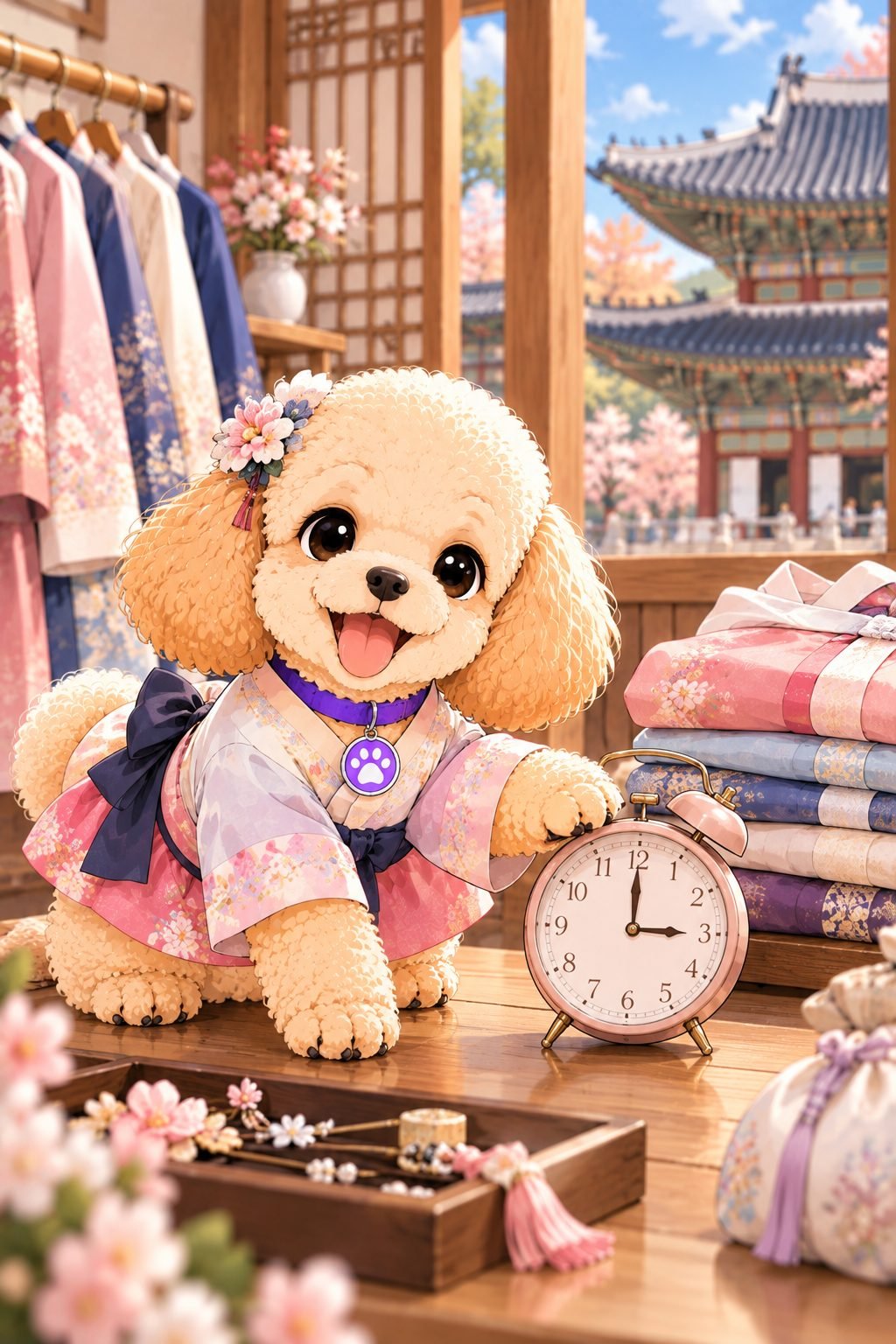
Nana: Check the clock before one more photo stop! Returning on time is part of a smooth hanbok day.
Practical Hanbok Rental Checklist
- Choose the palace or neighborhood you want to visit first.
- Check the palace’s current opening schedule.
- Check the rental shop’s current prices and package conditions.
- Choose a hanbok that is comfortable for walking.
- Confirm what accessories are included.
- Check how your belongings will be stored.
- Confirm the exact return time.
- Save the rental shop location on your phone.
- Make sure the outfit meets the current hanbok free-admission guideline if you plan to use that benefit.
- Leave enough time to return and change clothes without rushing.
Frequently Asked Questions
Can foreigners enter a Korean royal palace for free while wearing hanbok?
Yes. Under the current official guideline, nationality does not prevent a visitor wearing qualifying hanbok from receiving the free-admission benefit. The outfit still needs to satisfy the hanbok requirements.
Does modernized hanbok qualify for free palace admission?
Modernized hanbok can qualify, but it must meet the official clothing guidelines. Wearing only a hanbok upper garment with jeans, or hanbok bottoms with an ordinary T-shirt, does not qualify.
Do I need to reserve a hanbok rental in advance?
That depends on the rental provider. Some businesses accept walk-ins, while others offer or encourage reservations. Advance booking may be useful during busy travel periods or when you want a particular service, but always check the current policy of the shop you plan to use.
How much does hanbok rental cost?
There is no single standard price. Rental fees vary by provider, rental duration, outfit category, accessories, hairstyling, photography, and other services. Check the current package and total price directly with the provider before booking.
Can I wear hanbok to Gyeongbokgung and Changdeokgung?
Hanbok is commonly worn by visitors to Seoul’s royal palaces, including Gyeongbokgung and Changdeokgung. Current admission hours, closing days, special programs, and access conditions should still be checked before visiting.
Should I wear special shoes with hanbok?
Not necessarily. For most travelers, walking comfort is an important consideration because palace grounds can be large. Ask your rental provider about footwear options and choose something appropriate for your itinerary.
Final Takeaway
A hanbok rental can turn an ordinary sightseeing day into a more memorable way to experience Seoul’s historic districts. The process is simple, but a little planning makes a major difference: choose a comfortable outfit, understand your rental conditions, check the palace schedule, allow enough time, and confirm the return deadline before heading out.
For a classic first experience, combine your hanbok rental with Gyeongbokgung Palace. If you have additional time, nearby traditional areas such as Bukchon Hanok Village and Insadong can extend the experience without requiring a long trip across Seoul.
The goal is not simply to wear traditional clothing for a photograph. Take time to explore the architecture, respect the heritage site, and let wearing hanbok become part of your experience of historic Seoul.
References
- Royal Palaces and Tombs Center — Free Admission Guidelines for Hanbok Wearers
- Royal Palaces and Tombs Center — Royal Palace Admission and Visitor Information
- Korea Tourism Organization (VISITKOREA) — Hanbok and Seoul Palace Travel Information
Image Credits
Hanbok rental family visual with Dad, Mom, K-Nana daughter, and Nana wearing traditional Korean clothing while exploring a royal palace in Seoul — K-Nana Studio original visual.
Hanbok selection visual with Dad and Nana comparing traditional Korean outfits inside a fictional hanbok rental shop — K-Nana Studio original visual.
Hanbok fitting visual with Mom and Nana illustrating the fitting, styling, and final outfit-check process at a fictional hanbok rental shop — K-Nana Studio original visual.
Royal palace hanbok experience visual with K-Nana daughter and Nana illustrating the experience of exploring historic Seoul while wearing traditional Korean clothing — K-Nana Studio original visual.
Nana as the K-Nana Studio mascot reminding travelers to check the hanbok rental return time before finishing the experience — K-Nana Studio original visual.
Disclaimer
This article is provided for general travel and cultural information. Rental prices, package inclusions, deposits, operating hours, palace schedules, admission policies, and individual business rules can change. Always confirm current information with the relevant palace, official tourism authority, and rental provider before visiting or making a reservation.