
Korean Temple Stay for First-Time Visitors
A Korean temple stay offers international visitors a chance to experience the quieter rhythm of life at a Buddhist temple while learning about Korean Buddhist culture, daily practices, meditation, temple etiquette, and traditional activities.
It is not simply an overnight stay in an unusual accommodation. Depending on the temple and program, participants may join meditation, Buddhist ceremonies, temple tours, communal meals, tea-related activities, 108 prostrations, cultural workshops, or periods of quiet rest.
Programs vary significantly, so the most important first step is choosing a temple stay that matches the kind of experience you actually want.
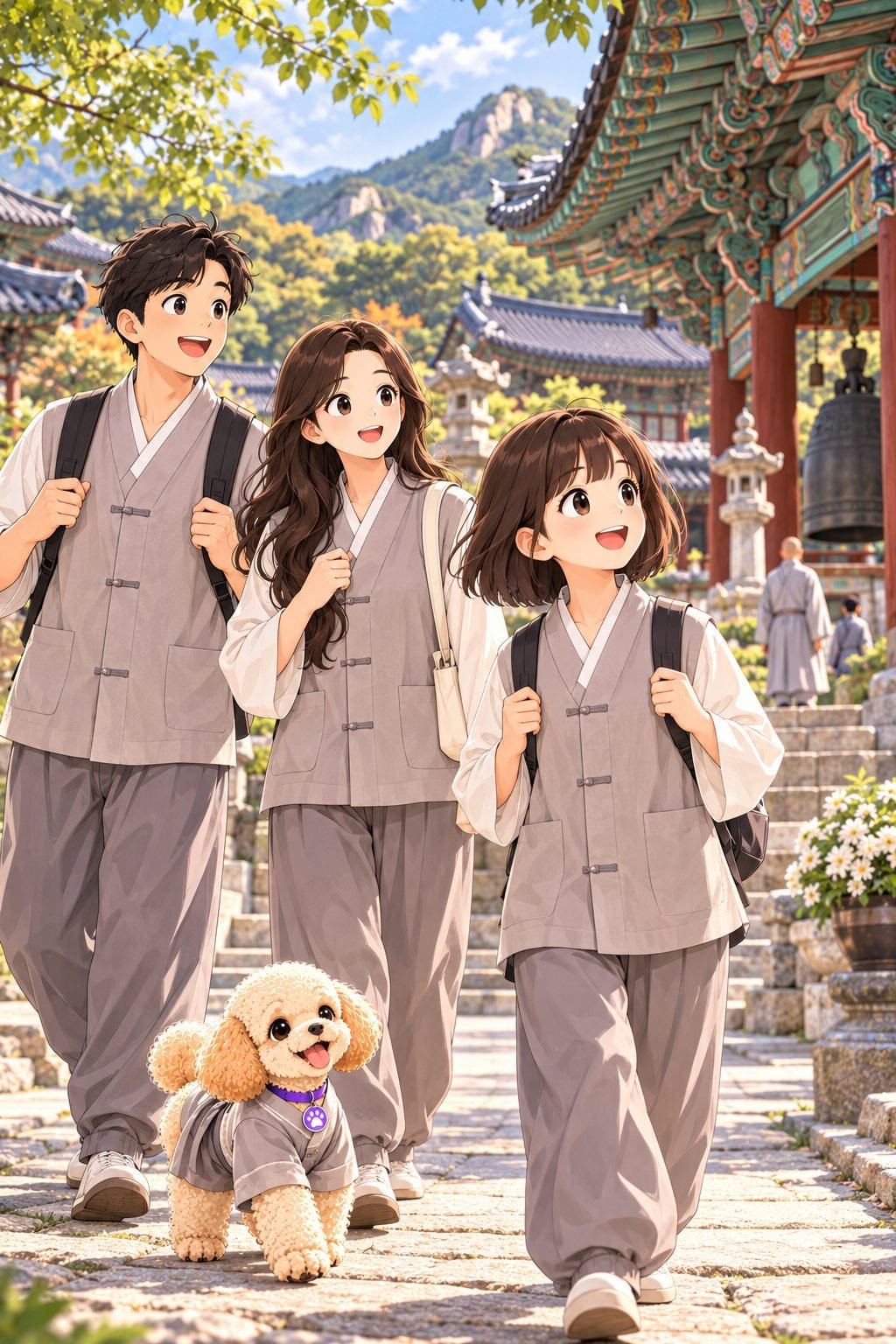
What Is a Korean Temple Stay?
Templestay is a cultural program that allows visitors to experience aspects of daily life and Buddhist practice at participating Korean temples.
VISITKOREA describes Templestay as an opportunity to experience Korean Buddhism, its daily lifestyle, rituals, and spirituality. Common activities can include Buddhist services, Seon meditation, 108 prostrations, communal activities, temple meals, tea-related programs, and traditional cultural experiences.
That does not mean every temple stay follows the same schedule. Some programs emphasize structured cultural activities, while others provide more free time for rest and reflection. One-day programs are also available at some locations for travelers who do not want an overnight stay.
A temple stay can therefore range from a short introduction to temple culture to a more structured overnight experience following part of the temple’s daily rhythm.
Choose the Right Type of Temple Stay
Before choosing a specific temple, decide what kind of experience you want.
Programs can generally be approached in three broad ways:
- Experiential programs: More structured activities such as meditation, prostrations, temple tours, cultural activities, or tea-related experiences.
- Rest-oriented programs: More personal time and fewer scheduled activities, with an emphasis on slowing down and spending time in the temple environment.
- One-day programs: Shorter experiences for visitors who want an introduction to temple culture without staying overnight.
These categories are useful for planning, but individual temples design their own programs. Always read the current program description rather than assuming that every experiential or restful stay includes identical activities.
Step 1: Find a Temple and Check the Program
The official Templestay system includes participating temples in Seoul and many other regions of Korea. VISITKOREA lists international-visitor programs at temples in areas including Seoul, Busan, Daegu, Jeju, Gyeongsangbuk-do, and Gyeongsangnam-do.
For international visitors, language support is an important practical consideration. Some programs provide English guidance or translation, while others may operate primarily in Korean.
When comparing programs, check:
- Program type: Overnight, experiential, restful, or one-day.
- Language: Whether English or another language is supported.
- Schedule: Arrival time, activities, meals, rest periods, and departure time.
- Accommodation: Whether rooms are private or shared.
- Age requirements: Check the specific program if traveling with children or teenagers.
- Physical activities: Some programs may include prostrations, walking, meditation, or early-morning activities.
- Meals: Check what is provided and inform the operator about relevant dietary concerns when appropriate.
Do not choose a program only because the temple looks beautiful in photographs. The schedule and participation requirements will affect your experience much more than the scenery alone.
Step 2: Make a Reservation
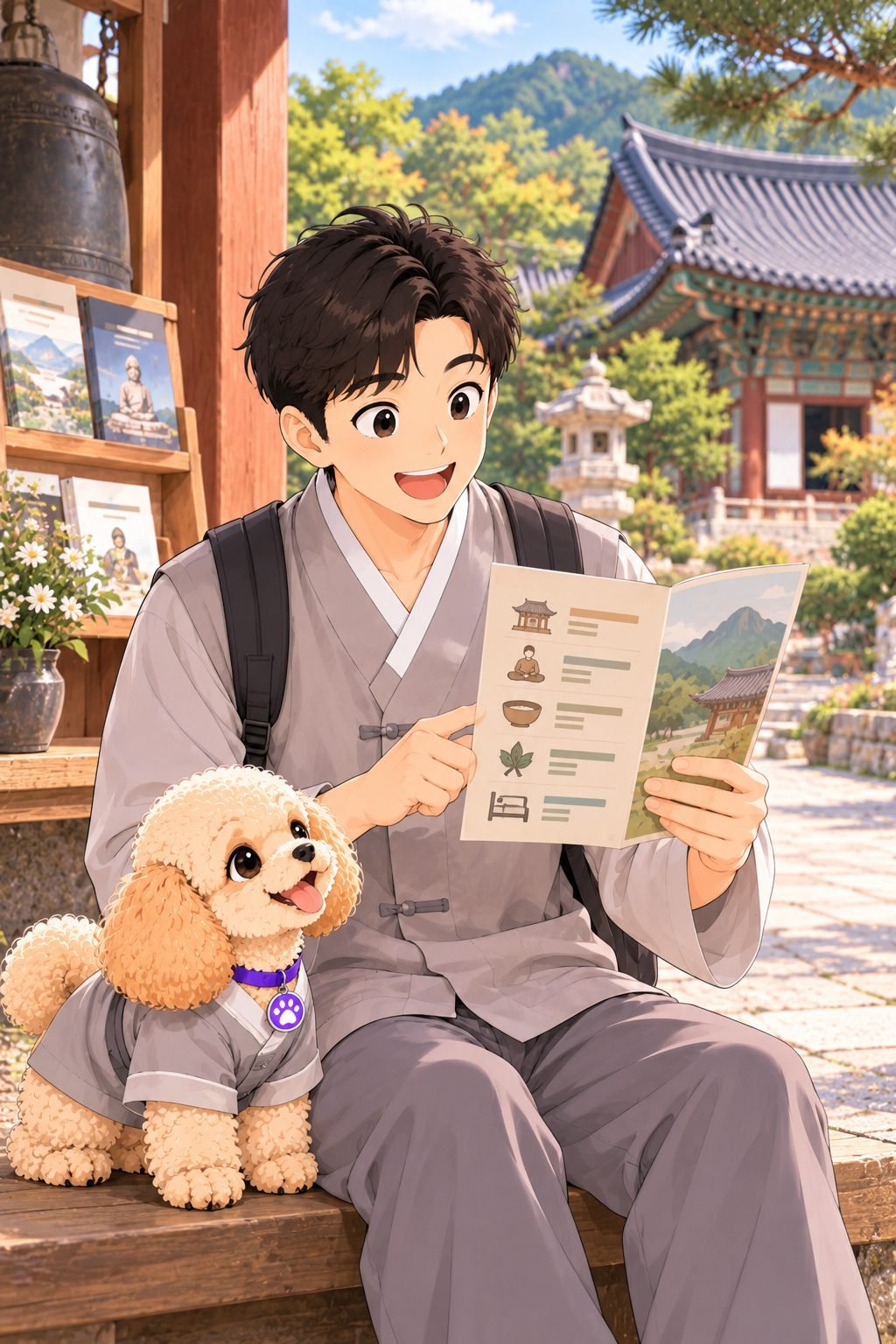
Many participating programs can be researched and reserved through the official Templestay website. Individual temples may have different booking windows, prices, cancellation policies, payment methods, and availability.
For example, current official listings show that some programs open reservations a limited time in advance, while others require reservations to be completed several days before the program begins. These conditions are specific to each program and should not be treated as nationwide rules.
Before paying, confirm:
- The exact program date
- Arrival and departure times
- Current participation fee
- Cancellation and refund policy
- Language support
- Room arrangements
- Meals included
- What you need to bring
- Any health, mobility, or age considerations relevant to the scheduled activities
After booking, keep the confirmation email or reservation information accessible on your phone. Some programs provide additional instructions after the reservation is completed.
What Happens When You Arrive?
The exact arrival process varies by temple, but an overnight program may begin with check-in, room assignment, changing into provided program clothing when applicable, and an orientation.
Orientation is important because a temple is an active religious and cultural space, not a themed hotel. Participants may receive instructions about the daily schedule, accommodation, meals, quiet hours, restricted areas, and appropriate behavior.
Listen carefully even if some of the rules seem unfamiliar. Following the temple’s instructions is part of participating respectfully in the experience.
Temple Etiquette Comes First
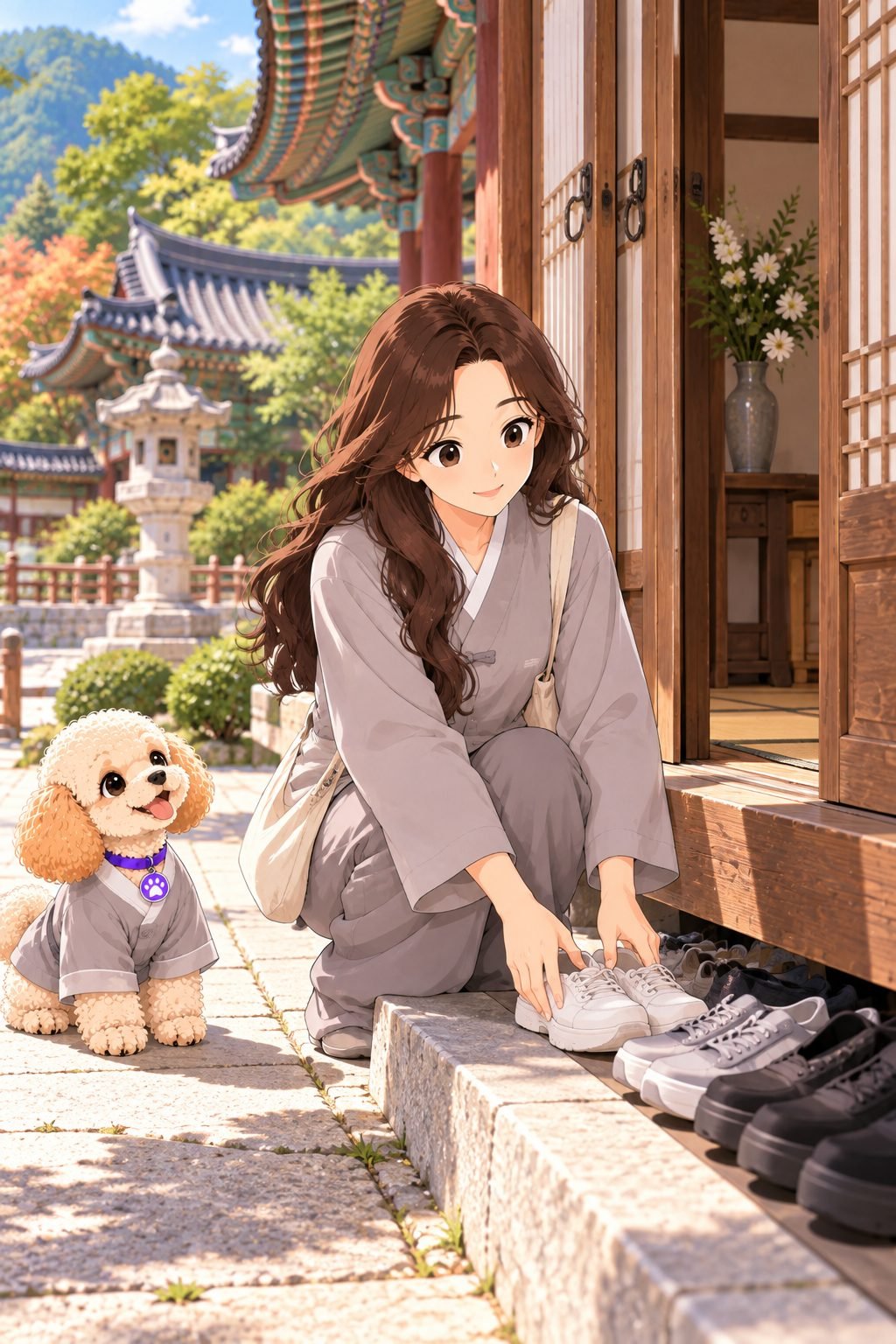
A temple stay takes place within a functioning Buddhist environment. Visitors do not need to arrive with detailed knowledge of Korean Buddhism, but they should be prepared to follow the rules of the temple and respect people who are practicing there.
Common guidance includes keeping noise low, avoiding restricted areas, dressing respectfully, following instructions when entering religious halls, and not disrupting people who are meditating or participating in ceremonies.
Rules concerning alcohol, smoking, outside food, photography, clothing, and access to particular spaces can differ by temple and program. Follow the instructions given by your host temple rather than assuming that a rule from another temple applies everywhere.
If you are unsure whether photography is appropriate during a ceremony, meditation session, meal, or inside a religious hall, ask staff before taking a picture.
What Activities Can You Expect?
There is no universal Templestay schedule, but commonly offered activities can include:
- Temple orientation or a guided temple tour
- Seon meditation
- Buddhist ceremonies or chanting
- 108 prostrations
- Tea time or conversation with a monk
- Temple meals
- Traditional cultural activities
- Quiet personal time
- Early-morning activities on some overnight programs
Some activities may be physically or culturally unfamiliar to first-time visitors. Pay attention during orientation, follow the instructor’s guidance, and ask when you are uncertain about how to participate.
Experiencing Meditation and Quiet Time
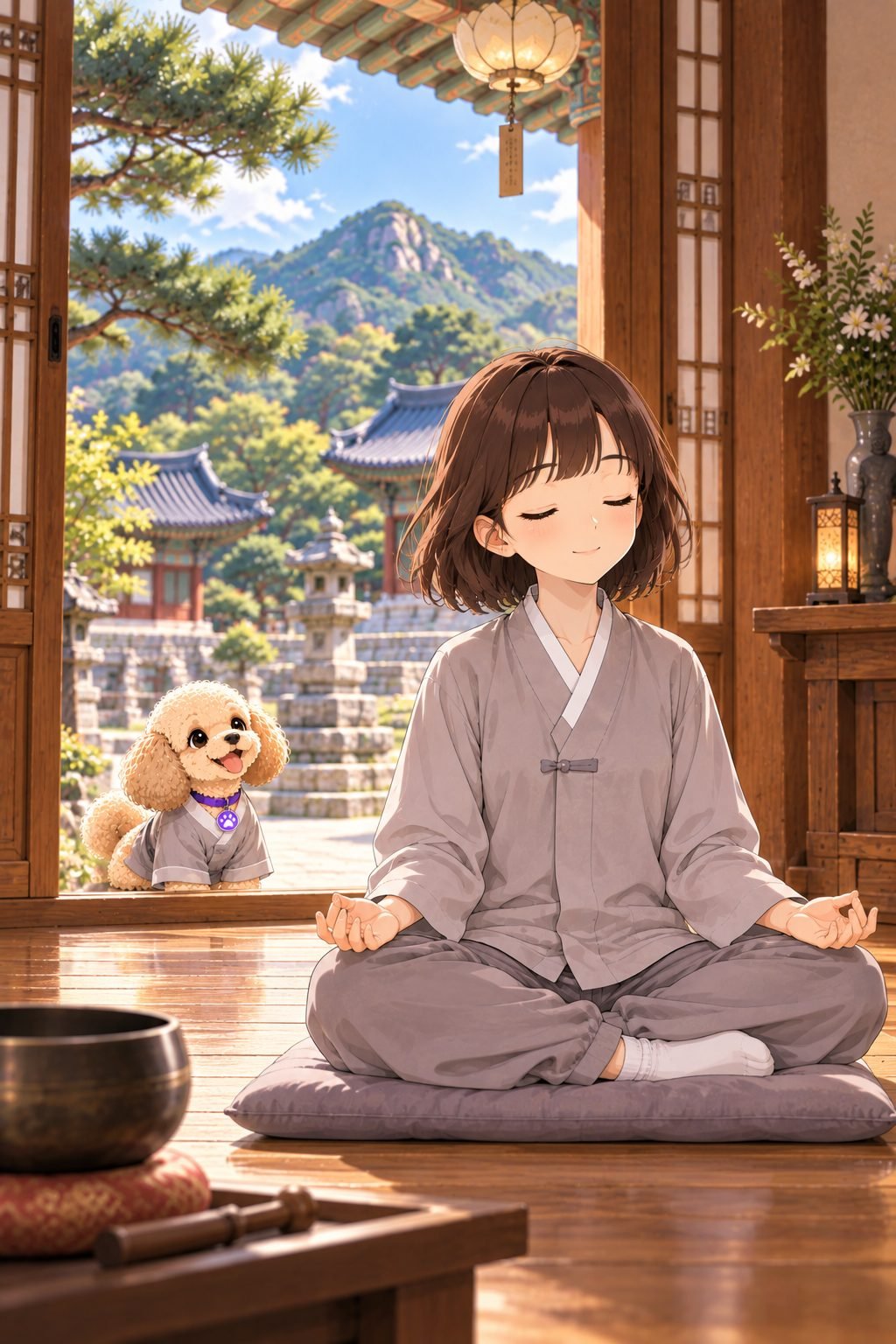
Meditation is one of the activities commonly associated with Templestay, but you do not need to arrive as an experienced meditator.
For a first-time visitor, the practical goal is simply to follow the instructor’s directions, sit as comfortably as the program allows, remain respectful of the group, and experience the quieter pace of the temple.
Do not treat meditation as a competition or assume that you must achieve a particular emotional or spiritual result. Individual experiences vary, and Templestay should not be presented as a guaranteed treatment for stress, anxiety, sleep problems, or any medical condition.
Temple Meals and Daily Rhythm
Food can be an important part of the experience. Temple food is connected with Korean Buddhist traditions, and some programs introduce participants to temple meals or related practices.
Meal style and instructions vary. Follow the program’s guidance about when to eat, how food is served, and what participants are expected to do before and after the meal.
If you have food allergies, medically necessary dietary restrictions, or other important dietary needs, contact the program before booking or participating. Do not assume that a vegetarian-style meal automatically meets every allergy or dietary requirement.
Prepare for an Earlier and Quieter Schedule
An overnight temple stay may operate on a very different schedule from a hotel stay. Some official programs include early-morning ceremonies or meditation, and bedtime may also be earlier than many travelers expect.
Check the published schedule before booking. If getting up very early, participating in structured activities, or sharing accommodation would significantly affect your trip, choose a program whose format better matches your needs.
The purpose is not to endure the most demanding schedule available. A suitable Korean temple stay is one whose activities, pace, language support, and accommodation arrangements allow you to participate respectfully and comfortably.
What to Bring for a Temple Stay
You usually do not need complicated equipment for a temple stay, but packing a few practical items can make an overnight program much more comfortable.
- Comfortable clothing: Bring simple clothes that are easy to move in, even when program clothing is provided.
- Comfortable shoes: Temple grounds may include stairs, stone paths, slopes, and outdoor walking.
- Personal toiletries: Check what the accommodation provides rather than assuming it operates like a hotel.
- Necessary medication: Bring any personal medication you normally require.
- Weather protection: Depending on the season, consider a warm layer, rain protection, sunscreen, or other appropriate items.
- Reservation information: Keep your booking confirmation and important contact information accessible.
The most reliable packing list is the one supplied by your specific program. Check the current instructions before leaving for the temple.
What Should You Wear?
Choose modest, comfortable clothing suitable for sitting, walking, and participating in quiet activities.
Some temple stay programs provide participants with simple program clothing during their stay. Availability, sizes, and requirements vary, so check the individual program rather than assuming clothing will always be provided.
Even when program clothing is available, bring suitable clothes for traveling to and from the temple and for the current weather.
Avoid planning the experience around fashion or photography. Comfort and respect for the setting are more important than creating a particular look.
Accommodation and Shared Spaces
A temple stay should not be approached with the expectations of a conventional hotel.
Accommodation arrangements vary by temple and program. Depending on the booking, participants may use shared rooms or other simple temple accommodation, and facilities may differ from what travelers expect at commercial lodging.
Before booking, check whether the room arrangement is suitable for you, especially if privacy, accessibility, sleeping arrangements, or shared facilities are important considerations.
Keep shared spaces tidy, limit unnecessary noise, and follow the temple’s rules regarding lights, phones, meals, and quiet hours.
Respect the Schedule
Temple programs often work as a group. Arriving late to meditation, meals, orientation, or other scheduled activities can affect both staff and other participants.
Check when and where you are expected to meet, and give yourself enough time to move between spaces.
If you decide that you cannot participate in an activity, ask the program staff what you should do rather than simply disappearing from the schedule. Participation requirements can differ between programs.
Using Your Phone and Camera
A temple stay can be visually memorable, but not every moment needs to become a photograph or video.
Photography rules can vary by location and activity. Religious halls, ceremonies, meditation sessions, monks, other participants, and restricted spaces may require particular care.
When you are uncertain, ask before taking photographs. Never assume that another participant or a monk wants to appear in your photo or video.
Keeping your phone quiet during structured activities also helps preserve the atmosphere for everyone.
Tips for International Visitors
International visitors can make the experience easier by checking practical details before booking rather than waiting until arrival.
- Language support: Confirm whether the program provides guidance in a language you understand.
- Transportation: Check the final route carefully. Some temples are outside major urban centers or require a bus, taxi, or additional walking after the nearest station.
- Arrival time: Plan to arrive before check-in rather than using the scheduled start time as your transportation target.
- Meals: Contact the program in advance about important allergies or medically necessary dietary restrictions.
- Physical requirements: Read the activity schedule if mobility, prolonged sitting, stairs, walking, or repeated prostrations may be difficult for you.
- Cultural questions: It is fine not to know every custom beforehand. Listen to the orientation and ask respectfully when you are unsure.
A temple stay does not require visitors to pretend that they already understand Korean Buddhist customs. Being willing to listen and follow the host temple’s guidance is more useful than trying to imitate practices without understanding them.
K-Nana Family Guide
Dad: Read the schedule before booking. A beautiful temple does not automatically mean its program fits your travel style.
Mom: Check the room arrangement, meals, what to bring, cancellation conditions, and transportation before paying.
Daughter: Put the phone away for part of the stay. Some of the experience comes from actually spending quiet time in the temple environment.
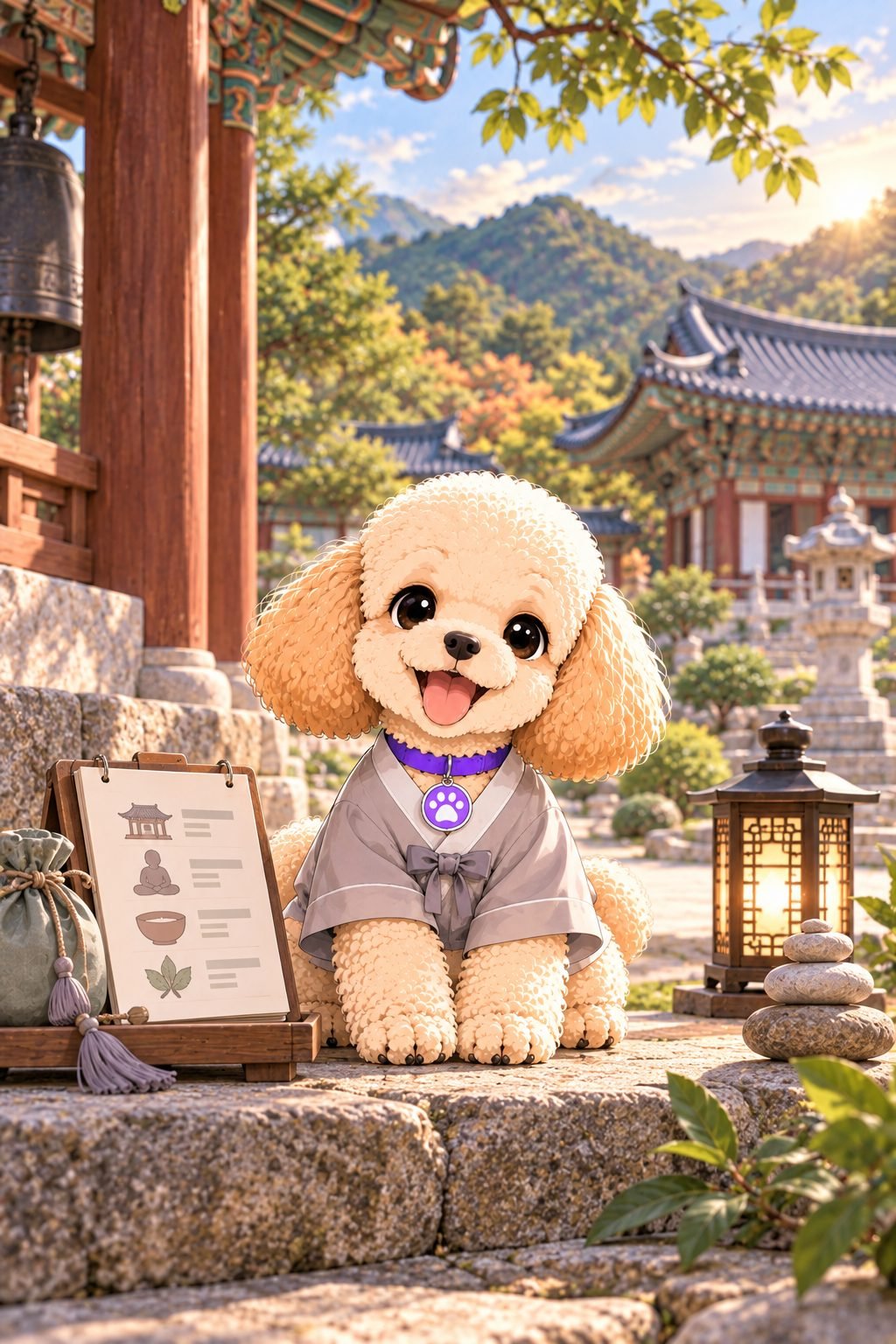
Nana: Check the rules and stay quiet, woof! Every temple program can be different.
Practical Korean Temple Stay Checklist
- Choose between an overnight, experiential, restful, or one-day program.
- Check whether the program supports a language you understand.
- Read the complete schedule before booking.
- Confirm the current participation fee and cancellation policy.
- Check the room and sleeping arrangements.
- Confirm what meals are included.
- Contact the program in advance about important dietary or accessibility needs.
- Check what clothing or program uniform is provided.
- Prepare comfortable shoes and weather-appropriate clothing.
- Plan transportation to arrive before the required check-in time.
- Follow photography and restricted-area rules.
- Keep noise low and respect other participants and temple residents.
Frequently Asked Questions
Do I need to be Buddhist to join a Korean temple stay?
Temple stay programs are offered as cultural experiences and are used by visitors from different backgrounds. You do not need detailed prior knowledge of Buddhism, but you should be willing to respect the religious setting and follow the program’s rules and instructions.
Can international travelers book a temple stay?
Yes. Participating temples offer programs that can be used by international visitors, and some specifically provide foreign-language support. Language availability varies, so check the individual program before booking.
Do I have to stay overnight?
No. Some temples offer one-day programs in addition to overnight experiences. Availability varies by temple and date.
Do all temple stays include meditation?
No. Meditation is common, but individual programs have different schedules. Read the current program description to see exactly which activities are included.
Are temple stay rooms private?
Not necessarily. Accommodation arrangements vary by temple and program, and some participants may use shared rooms. Check the room information before making a reservation if privacy is important to you.
Is temple food always suitable for every vegetarian or vegan traveler?
Do not assume that a meal automatically meets your personal dietary requirements simply because it is temple food. Ingredients, preparation, and program arrangements can vary. Travelers with allergies or specific dietary needs should contact the program in advance.
Can I take photos during a temple stay?
Photography may be possible in some areas and activities, but restrictions can apply. Ask before photographing ceremonies, religious halls, monks, other participants, or any activity where photography rules are unclear.
How much does a Korean temple stay cost?
There is no single nationwide price. Fees vary by temple, program type, duration, accommodation, and included activities. Check the current price on the official program listing before booking.
Final Takeaway
A Korean temple stay can offer a very different experience from a typical sightseeing itinerary. Instead of moving quickly between attractions, you spend time inside a functioning temple environment and experience part of its daily rhythm.
The key is choosing the right program. Check the schedule, language support, accommodation, meals, physical activities, transportation, and current booking conditions before making a reservation. Once you arrive, follow the temple’s guidance and respect the religious setting, residents, and other participants.
You do not need to understand every Buddhist custom before arriving. Come prepared to listen, participate respectfully, and experience a quieter side of Korean culture at a pace that suits the program you selected.
References
- Templestay Official Website — Program search, reservations, participating temples, and current program information.
- Korea Tourism Organization (VISITKOREA) — Templestay and Korean cultural experience information for international visitors.
Image Credits
Temple stay arrival visual with Dad, Mom, K-Nana daughter, and Nana illustrating a family beginning a cultural experience at a fictional Korean Buddhist temple — K-Nana Studio original visual.
Temple stay orientation visual with Dad and Nana illustrating a first-time visitor checking the program schedule and basic rules — K-Nana Studio original visual.
Temple etiquette visual with Mom and Nana illustrating quiet behavior and respectful use of a fictional Korean temple environment — K-Nana Studio original visual.
Meditation visual with K-Nana daughter and Nana illustrating a quiet meditation experience in a fictional traditional Korean temple setting — K-Nana Studio original visual.
Nana as the K-Nana Studio mascot reminding travelers to check the schedule, remain quiet, and respect the rules of a temple stay — K-Nana Studio original visual.
Disclaimer
This article is provided for general travel, cultural, and educational information. Temple stay schedules, participation fees, reservations, cancellation policies, accommodation arrangements, language support, meals, age requirements, accessibility, and program activities vary by temple and can change.
Meditation, prostrations, walking, early-morning activities, and other program elements may not be suitable for every participant. Travelers with health, mobility, allergy, dietary, or other individual concerns should review the current program details and contact the temple or program operator when appropriate before booking.
Always confirm current information and participation requirements through the official Templestay program or the relevant temple before traveling.