
Changdeokgung Palace is one of Seoul’s most remarkable royal palaces, known for the way its historic buildings blend naturally with the surrounding landscape. Built during the Joseon Dynasty and recognized as a UNESCO World Heritage Site, the palace combines royal architecture, peaceful courtyards, gardens, ponds, and wooded paths in the heart of modern Seoul.
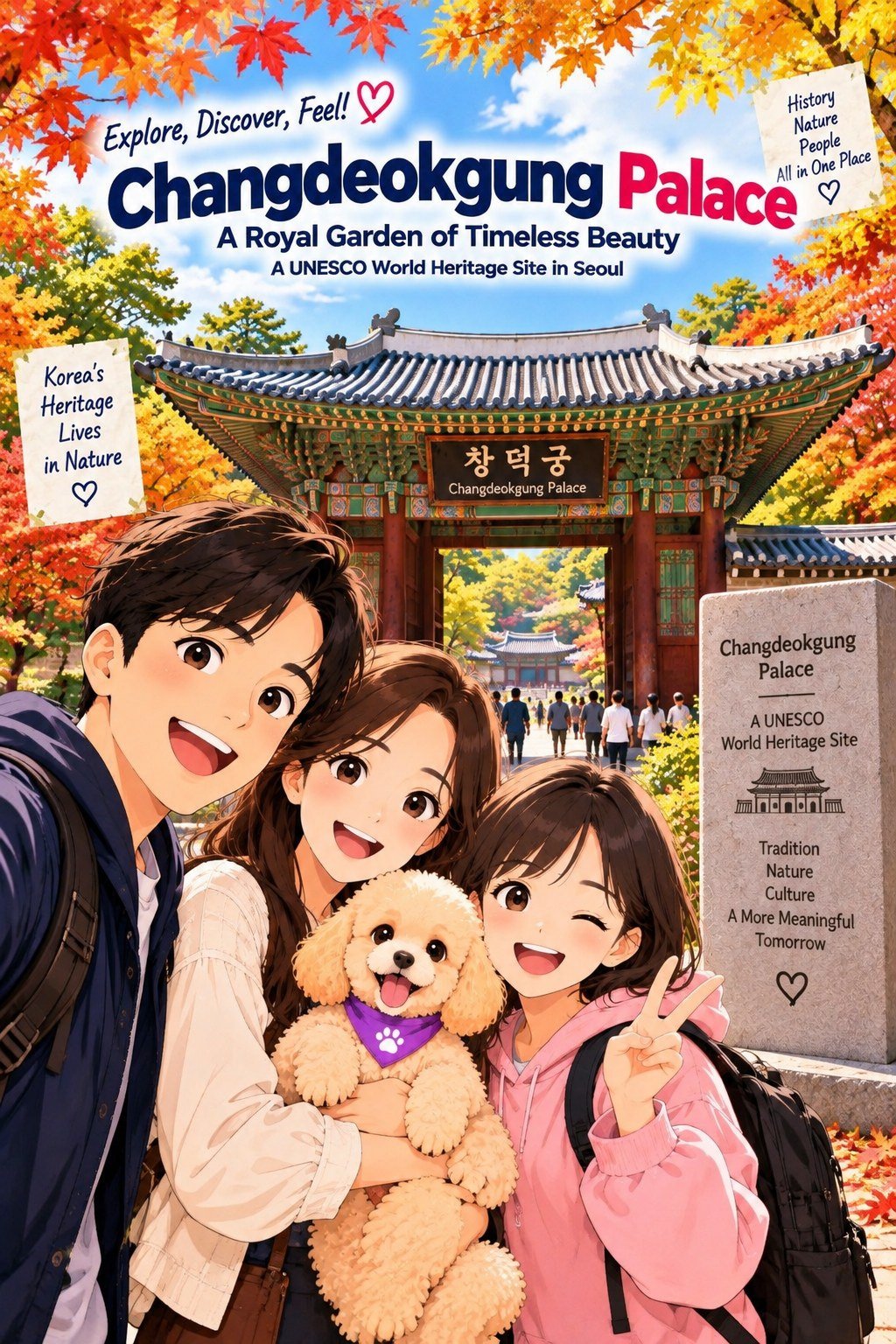
Discover royal history and nature at Changdeokgung Palace with the K-Nana family.
Quick Guide
| Location | Jongno-gu, Seoul |
| Best for | Royal history, architecture, gardens, nature, photography |
| Recommended time | About 2–3 hours |
| Closed | Mondays |
| Nearest subway | Anguk Station (Line 3) |
| UNESCO status | World Heritage Site since 1997 |
What Is Changdeokgung Palace?
Changdeokgung Palace was constructed in the early 15th century as a secondary royal palace of the Joseon Dynasty. Over time, it became an important royal residence and was used by many Joseon kings.
What makes Changdeokgung especially distinctive is its relationship with the natural landscape. Instead of imposing a completely symmetrical plan on the terrain, palace buildings and gardens were arranged to work with the existing hills and surroundings.
This harmony between architecture and nature was one of the reasons Changdeokgung was inscribed on the UNESCO World Heritage List in 1997.
Why Visit?
Changdeokgung offers a different experience from Gyeongbokgung Palace. While both are important Joseon royal sites, Changdeokgung is particularly memorable for its more intimate courtyards, wooded landscape, garden areas, and the way palace buildings follow the terrain.
- Explore one of Korea’s UNESCO World Heritage Sites.
- See traditional Joseon palace architecture.
- Walk through courtyards surrounded by trees and historic buildings.
- Experience the famous palace garden areas.
- Combine royal history with a quieter nature-focused visit.
Royal Architecture & Nature
Changdeokgung is best appreciated by looking at more than individual buildings. Rooflines, courtyards, stone paths, walls, trees, hills, and gardens work together to create the overall palace landscape.
The changing seasons also transform the atmosphere. Fresh greenery, summer shade, autumn foliage, and winter scenery each create a different impression of the palace.
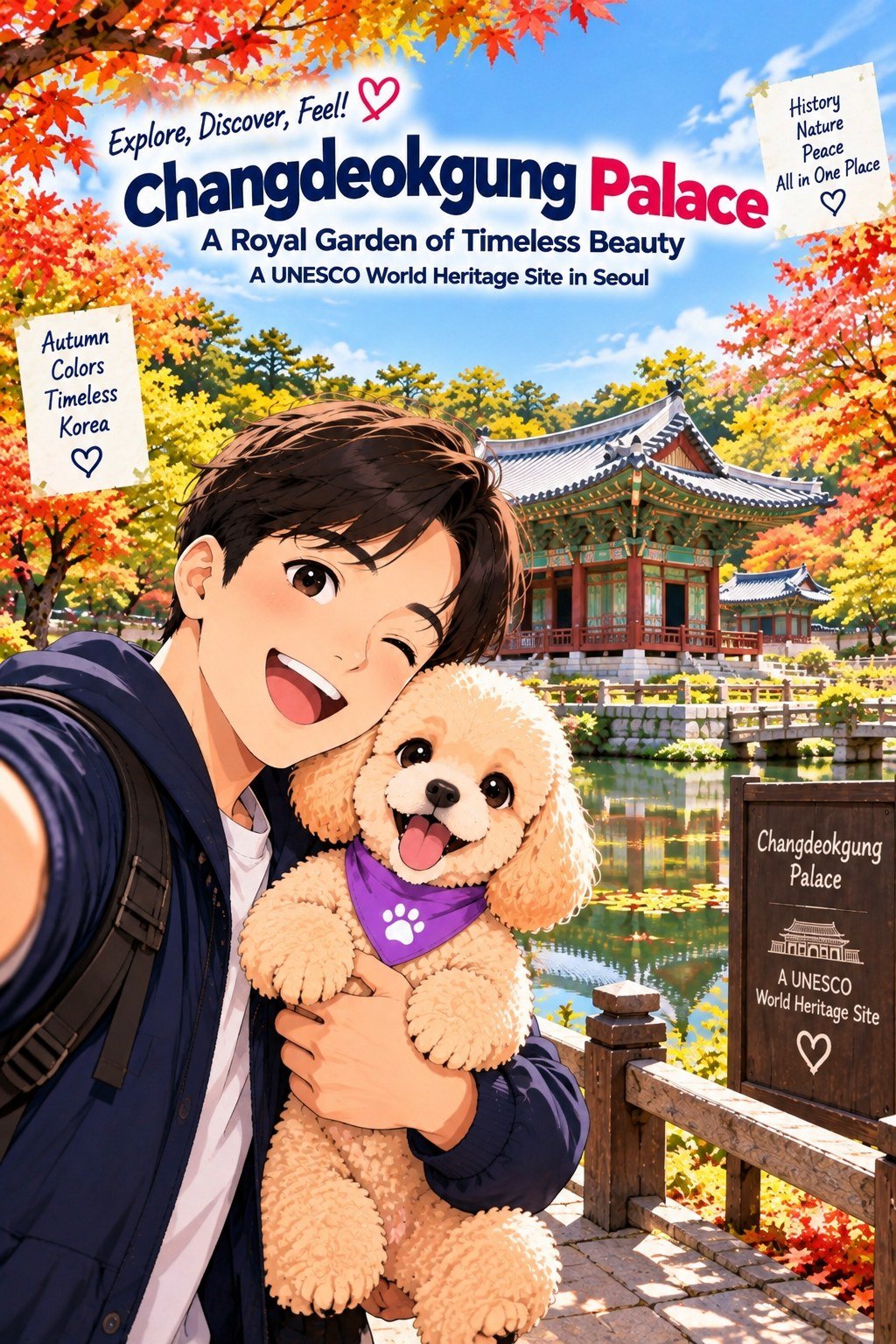
Changdeokgung is known for the harmony between royal architecture and nature.
What to See
Donhwamun Gate
Donhwamun is the main gate of Changdeokgung Palace and provides a striking introduction to the complex. Passing through the gate begins the transition from the surrounding city into the historic palace grounds.
Injeongjeon Hall
Injeongjeon served as the main throne hall. Important state ceremonies, royal events, and formal audiences were held here.
Seonjeongjeon Hall
Seonjeongjeon was associated with the king’s official duties and offers another perspective on how the palace functioned as both a royal residence and a center of government.
Royal Residential Areas
Changdeokgung also contains spaces connected with the everyday lives of the royal family. These areas feel more intimate than the palace’s major ceremonial courtyards.
The Secret Garden
One of Changdeokgung’s most famous features is the garden traditionally known as Huwon, often called the Secret Garden in English.
The garden extends behind the main palace area and includes wooded paths, ponds, pavilions, stone features, and landscaped spaces shaped around the natural terrain.
Access conditions, tour arrangements, reservation requirements, operating periods, and additional fees can differ from general palace admission. Visitors who specifically want to see the garden should check the latest official information before arriving.
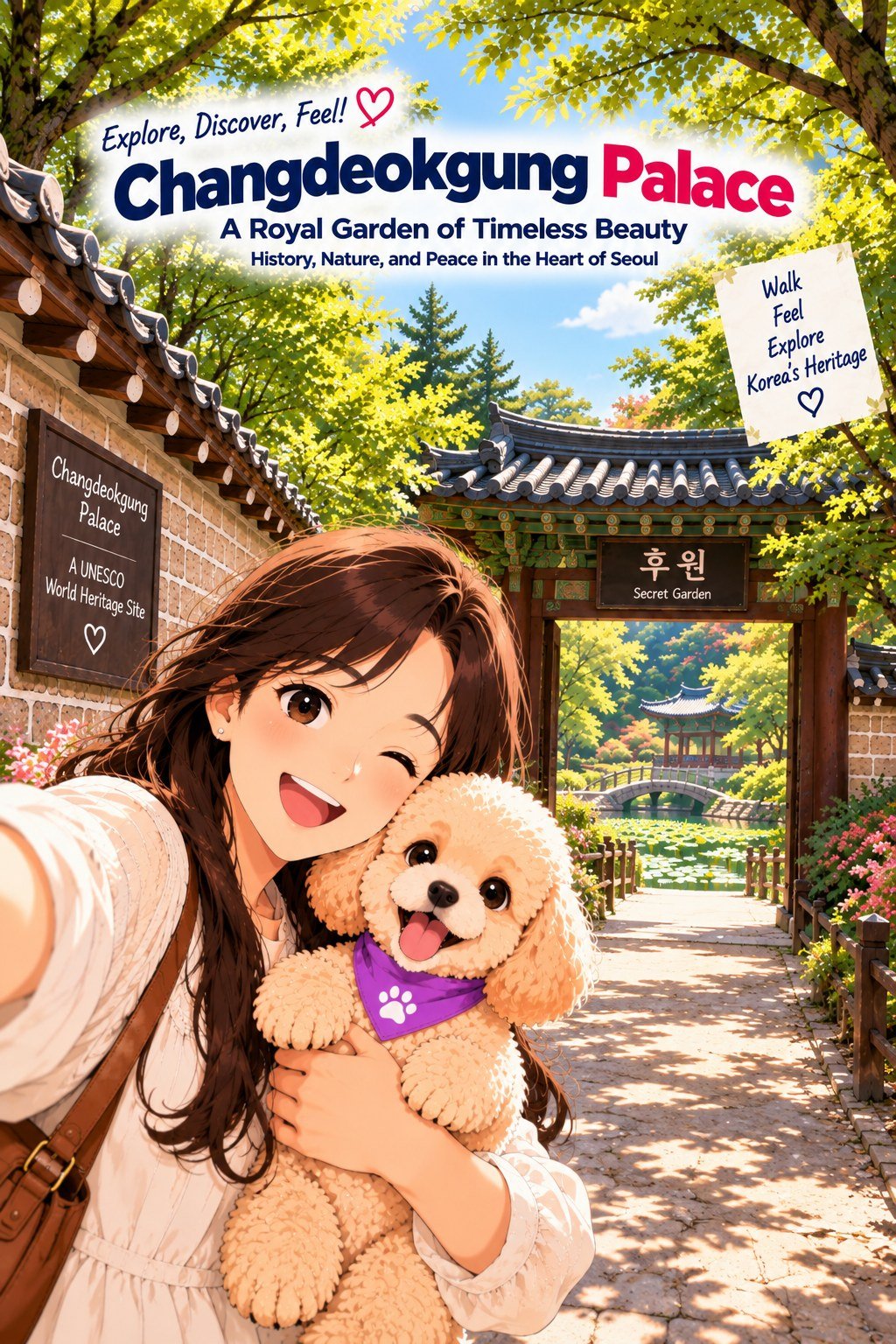
Wooded paths and traditional architecture reveal a quieter side of Changdeokgung.
Why the Garden Is Special
The garden demonstrates an important characteristic of Changdeokgung: architecture was designed to coexist with the landscape rather than dominate it.
Pavilions and other structures appear among trees, ponds, slopes, and open spaces. This creates a slower and more natural walking experience than visitors might expect from a royal palace in the middle of a major city.
Changdeokgung Through the Seasons
Each season changes the character of the palace. Spring brings fresh foliage and blossoms, while summer creates deep green shade around the garden and palace buildings.
Autumn is particularly striking as trees around the palace turn yellow, orange, and red. Winter strips the landscape back to its architecture, stone walls, paths, and bare branches.
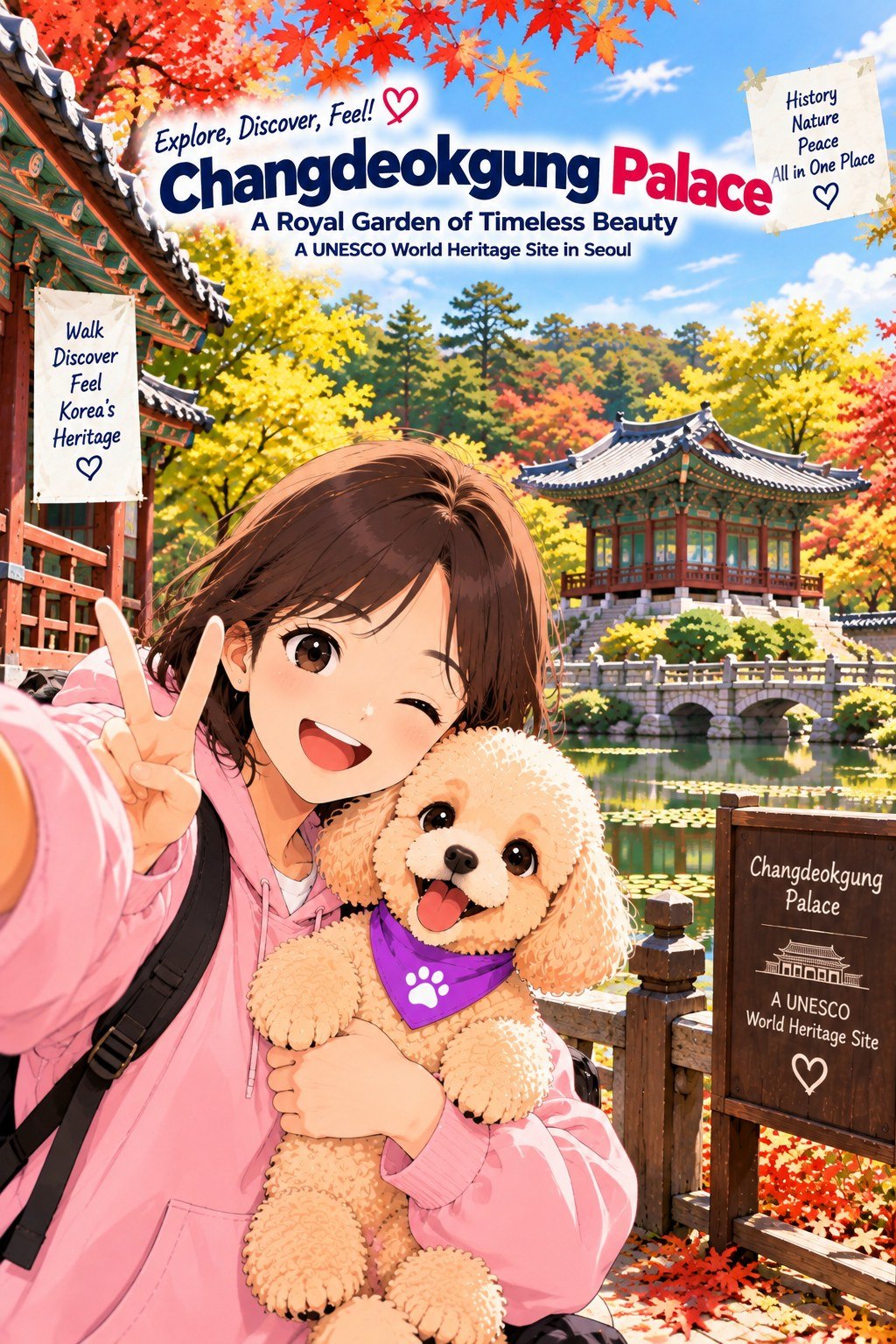
Seasonal scenery gives Changdeokgung a different atmosphere throughout the year.
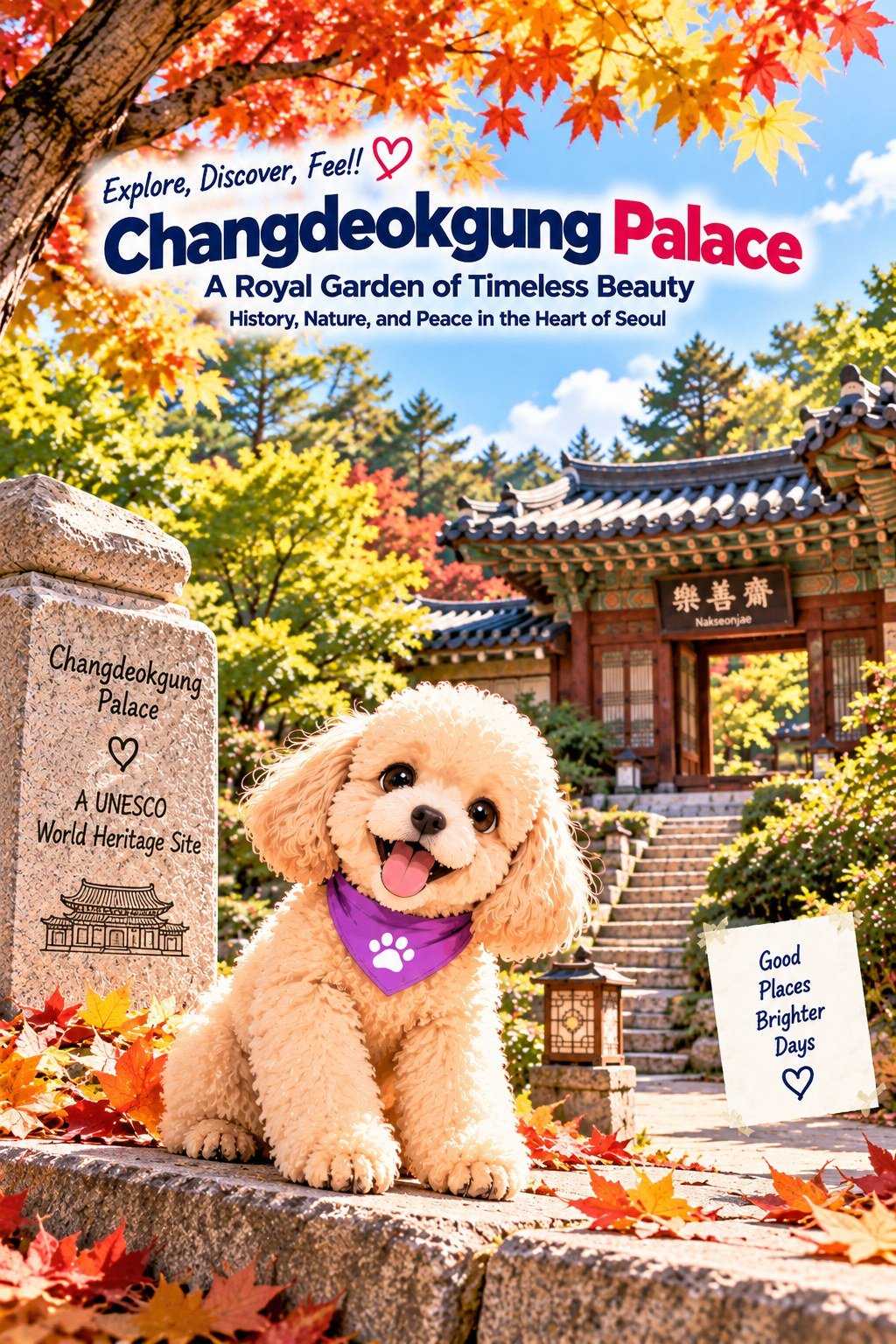
Nakseonjae Area
Nakseonjae is another interesting part of the palace complex. Its architecture is comparatively restrained, offering a different visual character from the richly decorated ceremonial buildings elsewhere in Changdeokgung.
The surrounding courtyards, walls, gates, stone paths, and vegetation create a quieter atmosphere and reward visitors who continue exploring beyond the palace’s most famous halls.
Walk Slowly
Changdeokgung is a place where rushing can mean missing much of its character. Small gates, stone walls, trees, roof details, courtyards, and changes in elevation are all part of the experience.
Allow time to walk without treating every building as a checklist item. The spaces between major attractions are often just as memorable as the landmarks themselves.
Quiet paths and traditional buildings reveal another side of Changdeokgung Palace.
Combine Changdeokgung with Bukchon
Bukchon Hanok Village is one of the most natural places to combine with Changdeokgung. Bukchon adds traditional residential architecture, tiled roofs, narrow hillside streets, workshops, and hanok scenery to a day focused on Korean history and culture.
Bukchon remains a residential neighborhood, so visitors should explore quietly and respect current access restrictions and private homes.
Continue to Insadong
From the palace area, visitors can also continue toward Insadong for traditional crafts, galleries, tea houses, souvenirs, and cultural shopping.
Combining Changdeokgung, Bukchon, and Insadong creates a compact central Seoul itinerary connecting royal architecture, hanok streets, traditional crafts, and contemporary cultural businesses.
Changdeokgung vs Gyeongbokgung Palace
Gyeongbokgung Palace and Changdeokgung are both important Joseon royal sites, but their atmosphere is different.
Gyeongbokgung is known for its large ceremonial spaces, monumental gates, broad courtyards, pavilions, and mountain backdrop. Changdeokgung feels more closely integrated with hills, trees, gardens, and the natural terrain.
Visitors interested in Korean royal history can experience both without expecting the two palaces to feel the same.
Best Time to Visit
Morning is a practical choice for visitors who prefer a quieter start and want enough time to explore both the main palace and additional garden areas.
Spring and autumn are especially attractive for outdoor walking, while summer offers abundant greenery. Winter can be colder but often provides a calmer and more architectural view of the palace.
Weather matters because much of a visit involves walking outdoors.
How Long to Spend
About 2–3 hours is a useful starting point if you want to explore the palace at a comfortable pace.
Visitors focusing only on the main palace can spend less time, while those including the garden or exploring nearby historic neighborhoods may want considerably longer.
How to Get There
Anguk Station on Seoul Subway Line 3 is one of the most convenient subway stations for visiting Changdeokgung Palace.
The palace is also within walking distance of other historic areas in Jongno, making it easy to combine with Bukchon Hanok Village and Insadong.
Admission & Opening Hours
General palace admission, garden admission, operating hours, seasonal schedules, guided tours, and reservation procedures can change.
The palace is normally closed on Mondays. Visitors planning to enter the Secret Garden should pay particular attention to current garden admission and tour arrangements because these may differ from general palace access.
Check the latest official palace information shortly before your visit rather than relying only on an older travel itinerary.
Hanbok & Palace Visits
Visitors wearing qualifying hanbok may be eligible for free general admission under Korea’s royal palace admission policies.
Rules concerning qualifying clothing and individual programs can change, so check current official requirements if free hanbok admission is part of your plan.
First-Time Visitor Tips
- Remember that Changdeokgung is normally closed on Mondays.
- Wear comfortable shoes because the palace and garden involve considerable walking.
- Check Secret Garden access separately from general palace admission.
- Allow extra time during popular spring and autumn periods.
- Bring water and sun protection during warmer weather.
- Check current hanbok admission rules if you plan to wear traditional clothing.
- Confirm opening hours, ticket conditions, and garden arrangements shortly before visiting.
What to Do Nearby
- Bukchon Hanok Village — traditional residential streets and hanok architecture.
- Gyeongbokgung Palace — the main royal palace of the Joseon Dynasty.
- Insadong — traditional crafts, galleries, tea houses, and cultural shopping.
- Samcheong-dong — cafés, galleries, and streets near Bukchon and the royal palaces.
- Jongmyo Shrine — an important royal ancestral shrine associated with the Joseon Dynasty.
K-Culture Connection
Changdeokgung shows how Korean royal architecture, history, and landscape design can work together within one cultural space.
For international visitors, the palace offers more than monumental buildings. Gardens, seasonal scenery, traditional design, royal history, and nearby historic neighborhoods provide a broader introduction to Korea’s cultural heritage.
FAQ
Is Changdeokgung Palace worth visiting?
It is particularly interesting for visitors who want to experience both Joseon royal architecture and a palace landscape closely connected with nature.
Is Changdeokgung a UNESCO World Heritage Site?
Yes. The Changdeokgung Palace Complex was inscribed on the UNESCO World Heritage List in 1997.
What day is Changdeokgung closed?
The palace is normally closed on Mondays. Special schedules can occur, so check current official information before visiting.
Is the Secret Garden included with normal admission?
Garden access can have separate admission, reservation, or tour arrangements. Check the current official rules when planning your visit.
How long should I spend at Changdeokgung?
About 2–3 hours is a practical amount of time for many first-time visitors, especially if the garden is included.
Which subway station is convenient?
Anguk Station on Line 3 is one of the most convenient starting points.
Related K-Nana Guides
Continue exploring historic central Seoul with the K-Nana Studio guides to Gyeongbokgung Palace, Bukchon Hanok Village, and Insadong. Together they connect Joseon royal history, traditional residential architecture, crafts, galleries, and cultural streets within Jongno.
Official Information
Opening hours, admission fees, Secret Garden access, guided tours, reservation requirements, hanbok admission rules, and special programs can change. Check the latest official palace and Seoul tourism information shortly before visiting.
Image Credits
Changdeokgung Palace family visual — K-Nana Studio original visual.
Changdeokgung Palace with Dad and Nana visual — K-Nana Studio original visual.
Secret Garden with Mom and Nana visual — K-Nana Studio original visual.
Changdeokgung Palace with K-Nana daughter and Nana visual — K-Nana Studio original visual.
Nana at the Nakseonjae area visual — K-Nana Studio original visual.