
Ceramides in Korean Skincare
Ceramides appear in many Korean moisturizers designed around skin-barrier care. For beginners, the important point is not simply whether a product says “ceramide” on the front. The complete formula, texture, intended application area, and official directions also matter.
This guide explains the basic role of ceramides in cosmetic formulas, common product types, routine placement, label checks, safety considerations, and practical ways to compare current Korean skincare products.
Quick Guide
- What they are: Ceramides are lipid ingredients associated with supporting the skin barrier in cosmetic formulations.
- Where they appear: They are commonly found in moisturizers and creams, including products intended for the face, body, or both.
- Routine position: A ceramide moisturizer generally follows lighter steps such as toner, essence, or serum.
- What to compare: Check the full ingredient list, texture, intended application area, directions, and specific ceramide names.
- What to remember: A ceramide ingredient does not make every formula interchangeable, and individual skin responses can differ.
Because cosmetic formulas and labels can change, verify current details on the product packaging and the official manufacturer’s page.
What Are Ceramides?
Ceramides are a class of lipids associated with the skin’s outer barrier. The skin barrier helps limit moisture loss and protects the skin’s surface from external exposure. In cosmetics, ceramides are included in formulations intended to support moisturized, comfortable-feeling skin.
An ingredient list may identify a specific type, such as Ceramide NP, rather than using only the broad word “ceramides.” Other ceramide-related names can also appear, so shoppers should read the complete ingredient list instead of relying only on front-label wording.
Barrier-support language on a cosmetic product does not mean that the product diagnoses, treats, or cures a skin condition. It describes the intended cosmetic role of the formulation, and the presence of a ceramide alone does not establish how well a complete product will suit an individual.
Ceramide Product Types and Formulations

In Korean skincare, ceramides commonly appear in creams and other moisturizing products. A lighter moisturizer may be easier to layer in a multi-step facial routine, while a richer cream may appeal to someone seeking a more substantial final moisturizing layer. Texture descriptions remain product-specific and should be checked with the manufacturer.
| Feature | What to check | Why it matters |
|---|---|---|
| Ceramide type | Names such as Ceramide NP or a ceramide-related ingredient name | Products may use different ingredients rather than an identical ceramide system. |
| Stated amount | Any concentration disclosed by the manufacturer | Not every brand states an amount, and a larger number alone does not prove better results. |
| Format and texture | Cream, moisturizer, or face-and-body formula | The format affects routine placement and practical application. |
| Intended area | Face, body, or specific dry areas | Directions can differ even when products share similar front-label terms. |
Verified product examples
Example 1: COSRX Balancium Comfort Ceramide Cream. The official COSRX page states that this moisturizer contains 10,000 ppm Ceramide NP. COSRX presents it as a lightweight yet rich moisturizer for barrier care and sensitized skin, with a finish described as not leaving an oily residue. These are manufacturer descriptions rather than guaranteed outcomes for every user.
Example 2: ILLIYOON Ceramide Ato Concentrate Cream. The official ILLIYOON listing describes a Korean-made moisturizer for sensitive, dry skin and identifies cetyl-PG hydroxyethyl palmitamide, described on the listing as Ceramide CPP-40 at 7,622 ppm, along with Ceramide NP at 4 ppm. The listed application areas include dry parts of the face, arms, and legs.
These examples show why the word “ceramide” is not enough for a direct comparison. The disclosed ceramide ingredients, stated concentrations, texture descriptions, and intended application areas differ. Concentration figures should not be treated as a simple performance ranking because the complete formulation also matters.
How to Use Ceramides in a Skincare Routine

A ceramide cream or moisturizer usually belongs in the moisturizing stage of a routine. Apply products according to their directions rather than assuming that every ceramide formula requires the same amount or method.
- Cleanse the skin using a routine appropriate for your needs.
- Apply any lighter toner, essence, or serum steps you choose to use.
- Apply the ceramide moisturizer as the moisturizing layer.
- During the day, follow with sunscreen when it is part of your routine.
Use the product only on areas permitted by its current directions. A facial moisturizer may have different instructions from a face-and-body cream, while some products may specifically identify dry areas such as the arms or legs.
Frequency depends on the formula, manufacturer’s directions, and individual response. Some moisturizers are designed for regular use, but that does not mean every product will suit every person or every routine.
Common mistakes to avoid
- Assuming every ceramide product has the same ingredients, concentration, or texture.
- Choosing only by the front label without checking the full ingredient list.
- Using a product on an area not covered by its directions.
- Adding several new products at once, which can make it difficult to identify the cause of irritation.
- Treating a cosmetic moisturizer as a substitute for professional assessment of a persistent skin concern.
A simple routine with one appropriately selected moisturizer is often easier for a beginner to evaluate than several overlapping products.
How to Choose a Ceramide Product Safely
Begin with the current full ingredient list. Look for specific ceramide names, but also review the rest of the formula because irritation or incompatibility can relate to any ingredient, not only the featured one.
- Confirm the format: Decide whether you want a facial moisturizer, a richer cream, or a product labeled for both face and body.
- Check the intended user and area: Read whether the manufacturer identifies particular skin needs or application areas.
- Read official directions: Follow the recommended amount, frequency, and usage restrictions.
- Verify the current label: Compare the package with the official manufacturer’s information because formulas and descriptions may change.
- Avoid concentration-only decisions: A disclosed ppm figure does not describe every aspect of a formulation.
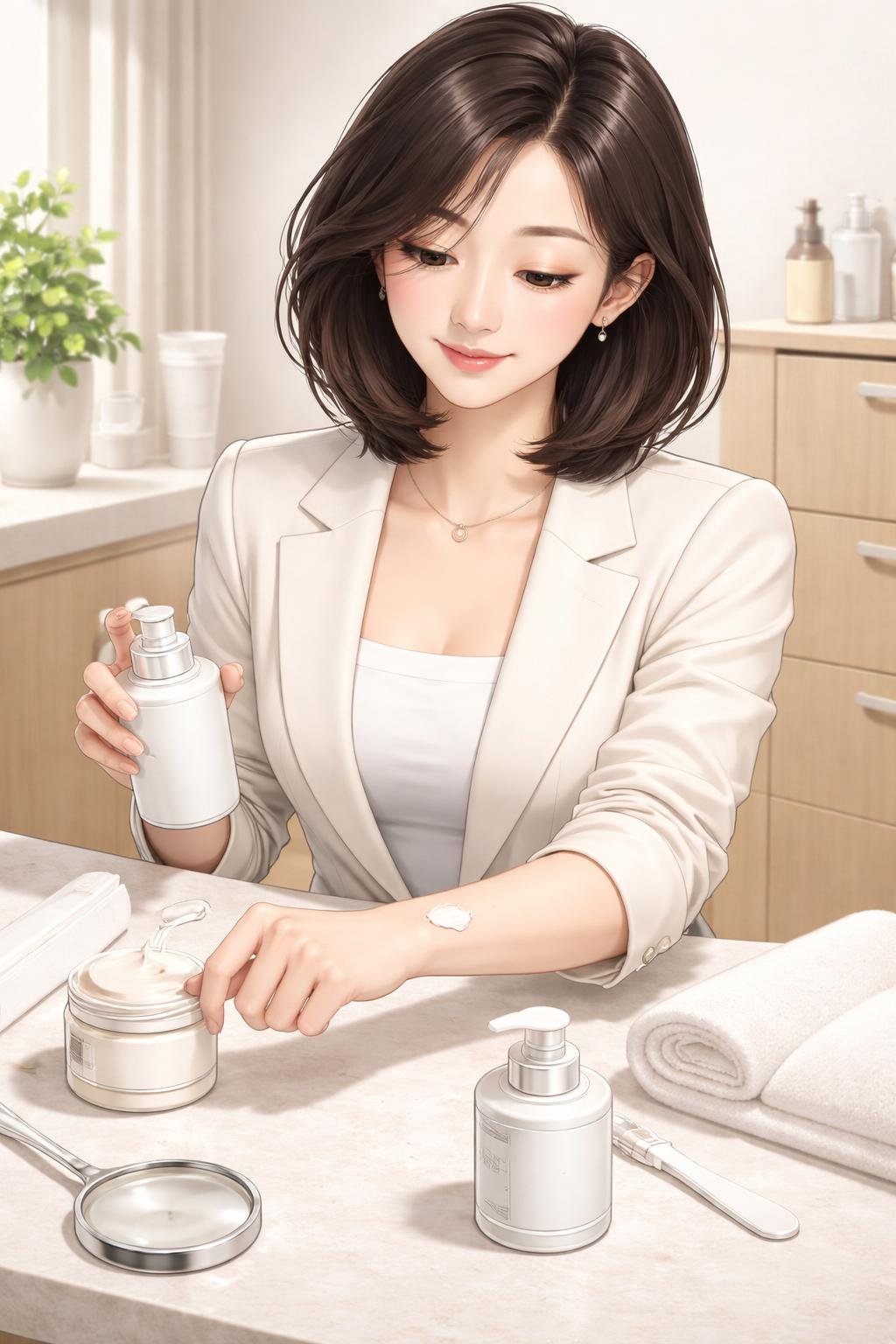
When trying a new formula, a cautious patch test on a small area can help identify an immediate unwanted response before broader use. Patch testing cannot guarantee that later irritation will not occur.
Stop using a product if it causes a concerning reaction. Significant, persistent, or worsening skin concerns should be discussed with an appropriate healthcare professional rather than self-diagnosed from a cosmetic label.
Ceramides in Korean Beauty Shopping and Routines
Ceramide products fit into the barrier-focused moisturizer category found across Korean skincare. Depending on the product, they may be positioned as facial creams, general moisturizers, or creams suitable for selected face and body areas.
International shoppers may encounter differences between an official Korean listing, an English-language brand page, a retailer description, and the package available in their market. Translations can also use slightly different texture or ingredient wording.
For a reliable comparison, start with the official brand page and then check the physical package. Match the product name, size, ingredient list, intended application area, and directions. A retailer summary can be useful for navigation, but it should not replace current manufacturer information.
This label-based approach provides practical context without assuming that all Korean routines follow one pattern. Ceramide moisturizer use depends on the individual product and the user’s routine rather than a single universal Korean beauty method.
K-Nana Beauty Guide
Fictional educational example: Nana is a fictional female beauty guide demonstrating a beginner-friendly selection process. Her scenario is not a personal review and does not claim any product result.
Nana first decides whether she needs a facial moisturizer or a cream labeled for broader face-and-body application. This prevents her from treating products with similar ceramide wording as automatically interchangeable.
She then reads the complete ingredient list and notes the exact ceramide-related name. If the manufacturer states a concentration, she records it as one formulation detail rather than assuming that the highest number must be the best choice.
Next, Nana checks the texture description, intended application areas, and official directions. She places a facial ceramide cream after lighter routine steps, using the amount and frequency stated by the manufacturer.
Finally, she introduces only one new product and monitors how her skin responds. This fictional process illustrates careful label reading and routine planning without predicting effectiveness or a personal outcome.
Frequently Asked Questions

Are ceramides moisturizers?
Ceramides are ingredients, not a complete product category by themselves. They are often included in moisturizers and creams, but the complete formulation determines the product’s texture, directions, and intended use.
When should I apply a ceramide cream?
A ceramide cream is generally used at the moisturizing stage, after lighter products such as toner, essence, or serum. Follow the specific label if the manufacturer provides different instructions.
Can I use a ceramide product every day?
Some ceramide moisturizers are intended for regular use, but suitable frequency depends on the individual formula, its directions, and your skin’s response. Reduce or stop use if you experience a concerning reaction.
Are ceramide products only for dry skin?
No. Although many ceramide creams are marketed toward dry or sensitive skin, product textures and intended users vary. Someone who prefers a lighter texture should compare the complete formula and manufacturer description rather than choosing by the featured ingredient alone.
How can ceramides appear on an ingredient label?
A label may use a name such as Ceramide NP or another specific ceramide-related ingredient name. For example, the verified ILLIYOON listing identifies both Ceramide NP and cetyl-PG hydroxyethyl palmitamide, described there as Ceramide CPP-40. Always check the current full ingredient list.
Final Takeaway
Ceramides in Korean skincare are commonly found in moisturizing formulations positioned for skin-barrier care. The featured ceramide is only one part of the product, so consider the complete ingredient list, texture, application area, and official directions.
Use a ceramide cream in the moisturizer stage unless its label says otherwise, introduce new formulas cautiously, and verify current information through the manufacturer and product packaging.
References
- COSRX Balancium Comfort Ceramide Cream | COSRX.COM – COSRX Official — https://www.cosrx.com/collections/moisturizer-cream/products/balancium-comfort-ceramide-cream
- [패밀리세트] 세라마이드 아토 집중크림 500ml 패밀리세트 – 일리윤직영몰 — https://www.illiyoon.com/product/detail.html?cate_no=32&display_group=1&product_no=186
- Safety Assessment of Ceramides as Used in Cosmetics | Cosmetic Ingredient Review — https://cir-safety.org/supplementaldoc/safety-assessment-ceramides-used-cosmetics
These sources support the cited product details and identify a formal cosmetic safety assessment concerning ceramides.
Image Credits
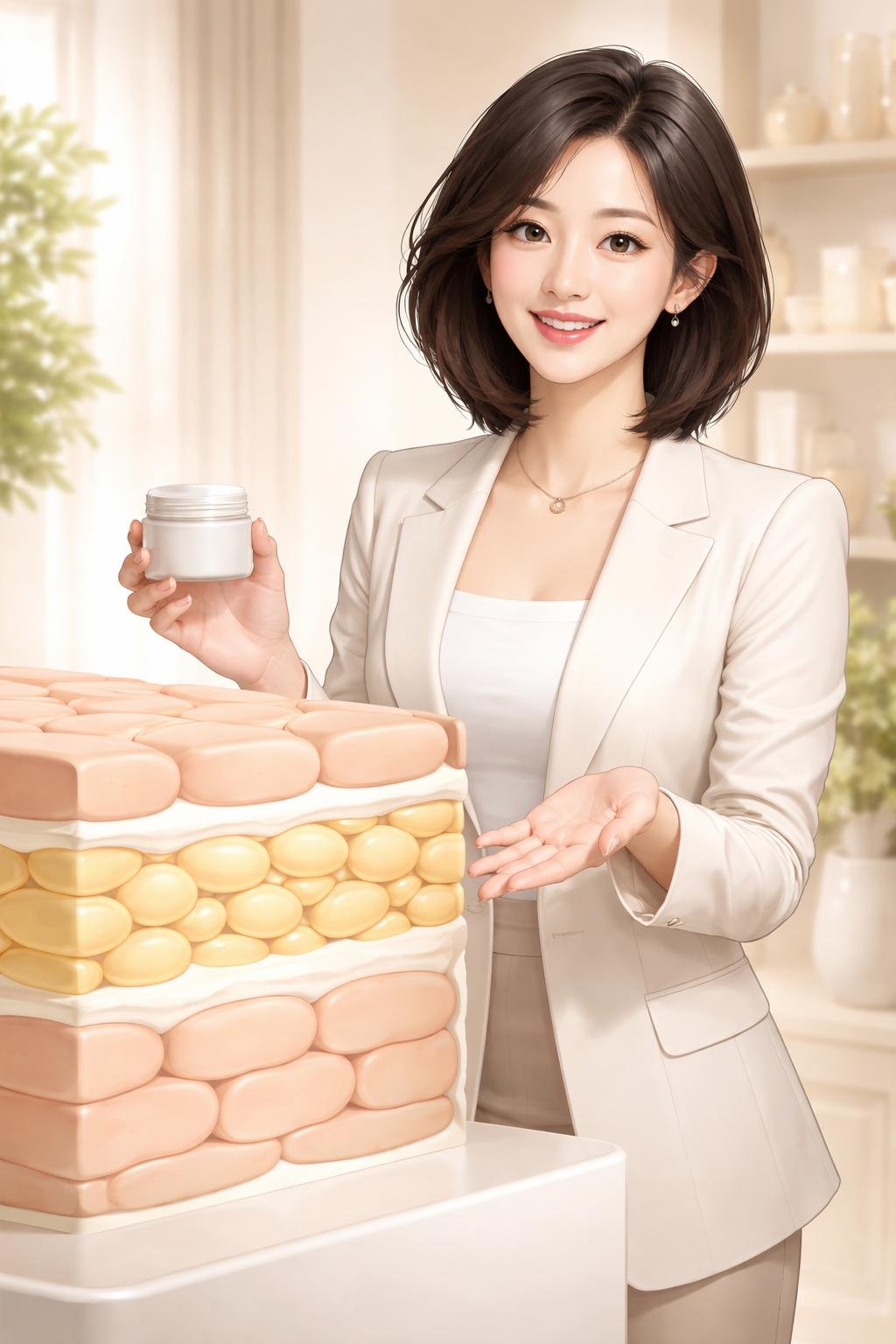
- An original AI-generated educational illustration introducing ceramides and the skin-barrier concept.
- An original AI-generated comparison of moisturizer formats and fictional ingredient-label layouts featuring ceramide terminology.
- An original AI-generated routine diagram showing a ceramide moisturizer after lighter skincare steps.
- An original AI-generated checklist covering ingredient review, intended application area, official directions, and cautious patch testing.
- An original AI-generated final reminder, intended for placement after the FAQ, emphasizing complete-formula checks and current manufacturer information.
All five visuals are illustrative educational graphics and are not records of real products, packaging, people, application results, or clinical outcomes.
Disclaimer
This article provides general educational information and is not medical advice, diagnosis, or treatment. Cosmetic formulations, ingredients, labels, availability, and prices can change, and individual skin responses vary.
Verify current product information with the official manufacturer and the package available in your market. Consult an appropriate healthcare professional about significant, persistent, or worsening skin concerns.
AI-generated images are illustrative and may not accurately represent actual products, packaging, ingredients, application results, or clinical outcomes.