
Kimchi is one of the most recognizable foods in Korean cuisine. It is commonly made by seasoning vegetables with ingredients such as chili pepper, garlic, ginger, green onion, and salt, then allowing the mixture to ferment. Napa cabbage kimchi is the version many international visitors recognize first, but kimchi is actually a broad family of foods with many different ingredients, flavors, textures, and regional traditions.
In Korea, kimchi is not usually treated as a special dish reserved for celebrations. It is an everyday part of the table, served alongside rice, soups, noodles, grilled meat, and many other meals. For travelers, understanding kimchi is therefore one of the easiest ways to understand how Korean meals are shared and enjoyed.
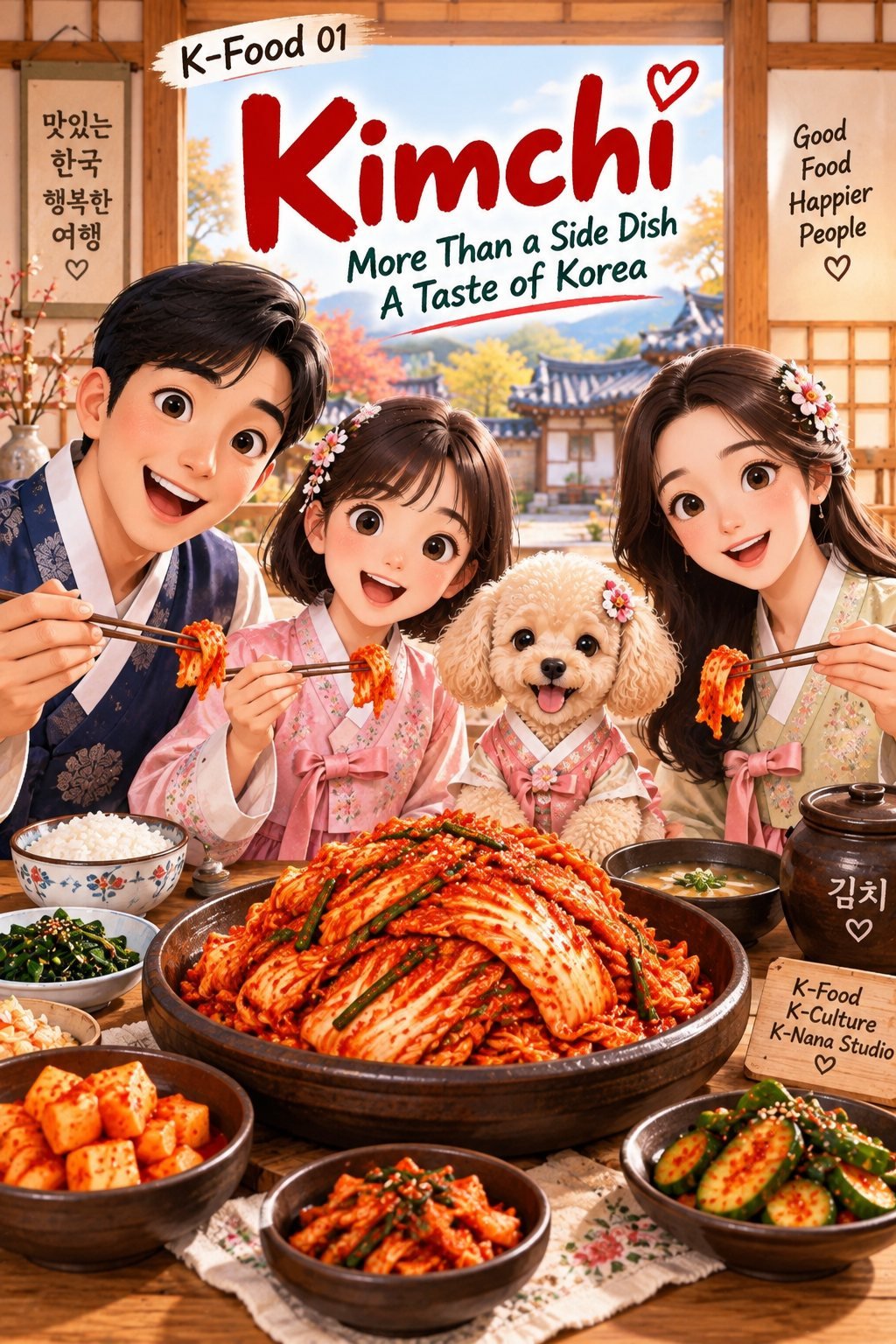
Kimchi is more than one spicy side dish — it is part of the everyday rhythm, flavor, and shared culture of the Korean table.
Quick Guide
| Korean name | 김치 |
| Food type | Seasoned and fermented vegetable food |
| Most familiar version | Napa cabbage kimchi, or baechu kimchi |
| Common flavors | Spicy, savory, tangy, salty, fresh, or fermented depending on the type and stage |
| Usually eaten with | Rice, soups, stews, noodles, grilled meat, and many everyday Korean meals |
| Good for first-time visitors | Trying several varieties rather than assuming all kimchi tastes the same |
What Is Kimchi?
Kimchi refers to a wide range of Korean vegetable preparations that are salted, seasoned, and often fermented. Napa cabbage is the best-known base ingredient, but radish, cucumber, green onion, mustard greens, and many other vegetables can also be used.
The seasoning varies by recipe. Common ingredients can include Korean red pepper flakes, garlic, ginger, green onion, salted seafood, fish sauce, and other seasonings. Not every kimchi contains the same ingredients, and recipes can differ between households, restaurants, regions, and seasons.
Fermentation gradually changes the aroma, acidity, texture, and flavor. Freshly prepared kimchi can taste crisp and bright, while longer-fermented kimchi generally develops a stronger sourness and deeper fermented character.
Why Kimchi Matters in Korea
One of the easiest ways to understand kimchi is to look at how frequently it appears at Korean meals. A small serving may arrive automatically with rice, soup, noodles, barbecue, or another main dish, often as part of a collection of side dishes known as banchan.
Kimchi also works differently depending on the meal. Crisp kimchi can add acidity and spice beside rice, while fermented kimchi can balance rich grilled meat. More mature kimchi is also used as an ingredient in cooked dishes such as stews, fried rice, pancakes, and other Korean foods.
This versatility means that visitors may encounter kimchi repeatedly during a trip without eating exactly the same experience each time.
Kimjang: Making Kimchi Together
Kimjang refers to the Korean tradition of preparing and sharing large quantities of kimchi, traditionally in preparation for winter. The process has historically involved families and communities working together to prepare vegetables, seasoning, storage containers, and finished kimchi.
Kimjang is important not simply because of the food produced. The tradition also represents cooperation, shared knowledge, family recipes, seasonal preparation, and the passing of food culture between generations.
UNESCO inscribed “Kimjang, making and sharing kimchi in the Republic of Korea” on the Representative List of the Intangible Cultural Heritage of Humanity in 2013, recognizing the cultural practices and community traditions surrounding kimchi making.
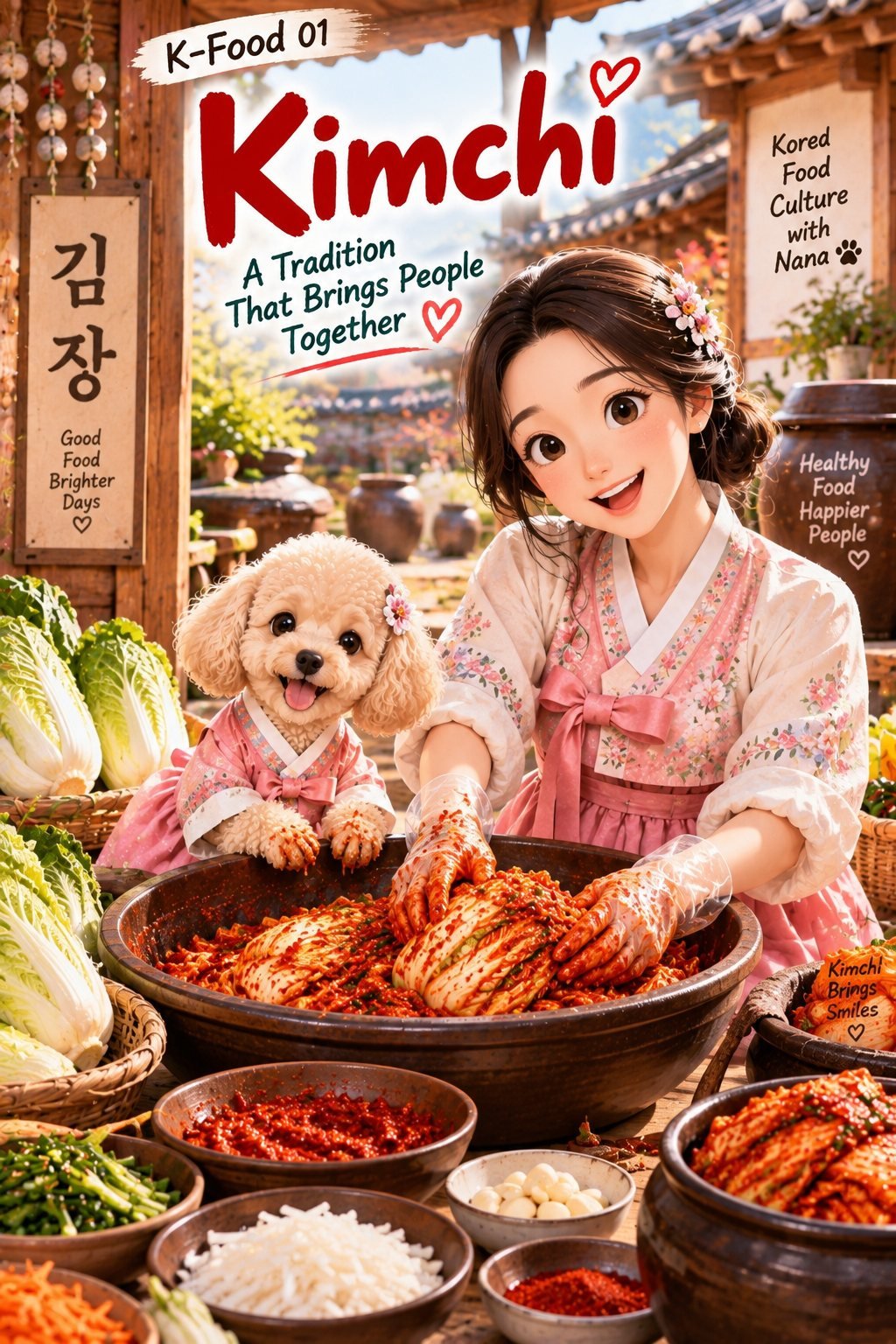
Kimjang shows how kimchi connects food with cooperation, family knowledge, seasonal preparation, and the tradition of sharing.
How Kimchi Is Made
The exact process depends on the type of kimchi, but napa cabbage kimchi provides a useful example. The cabbage is typically salted first, which softens the leaves and helps prepare the vegetable for seasoning.
A seasoning mixture is then prepared. Recipes vary widely, but commonly used ingredients can include Korean red pepper flakes, garlic, ginger, green onion, radish, fish sauce, salted seafood, and other seasonings.
The seasoning is distributed between the cabbage leaves before the prepared kimchi is placed into a suitable container. It may be eaten relatively fresh or allowed to ferment further, depending on the desired flavor and how it will be used.
Fermentation Changes the Flavor
Kimchi does not have one fixed taste. Fermentation continues to change its aroma, acidity, texture, and overall flavor over time.
Fresh kimchi can be crisp, bright, and vegetable-forward. As fermentation develops, the flavor generally becomes tangier and more complex. Well-fermented kimchi is often especially useful in cooked dishes because its stronger character remains noticeable when combined with other ingredients.
Temperature, storage, ingredients, salt level, recipe, and fermentation time can all influence the final result. This is one reason kimchi from two restaurants or households may taste noticeably different even when both are made with napa cabbage.
Kimchi at the Korean Table
For many visitors, the easiest place to understand kimchi is simply at a Korean dining table. Kimchi often appears as banchan alongside the main meal rather than being ordered as the main dish itself.
A bowl of rice provides a mild base, while kimchi contributes acidity, seasoning, texture, and sometimes heat. With richer foods, especially grilled meat, kimchi can provide a sharp contrast that changes the balance of each bite.
This means there is no single correct way for a first-time visitor to experience kimchi. Try a small amount with rice, then compare it with soup, meat, or another part of the meal to see how the combination changes.
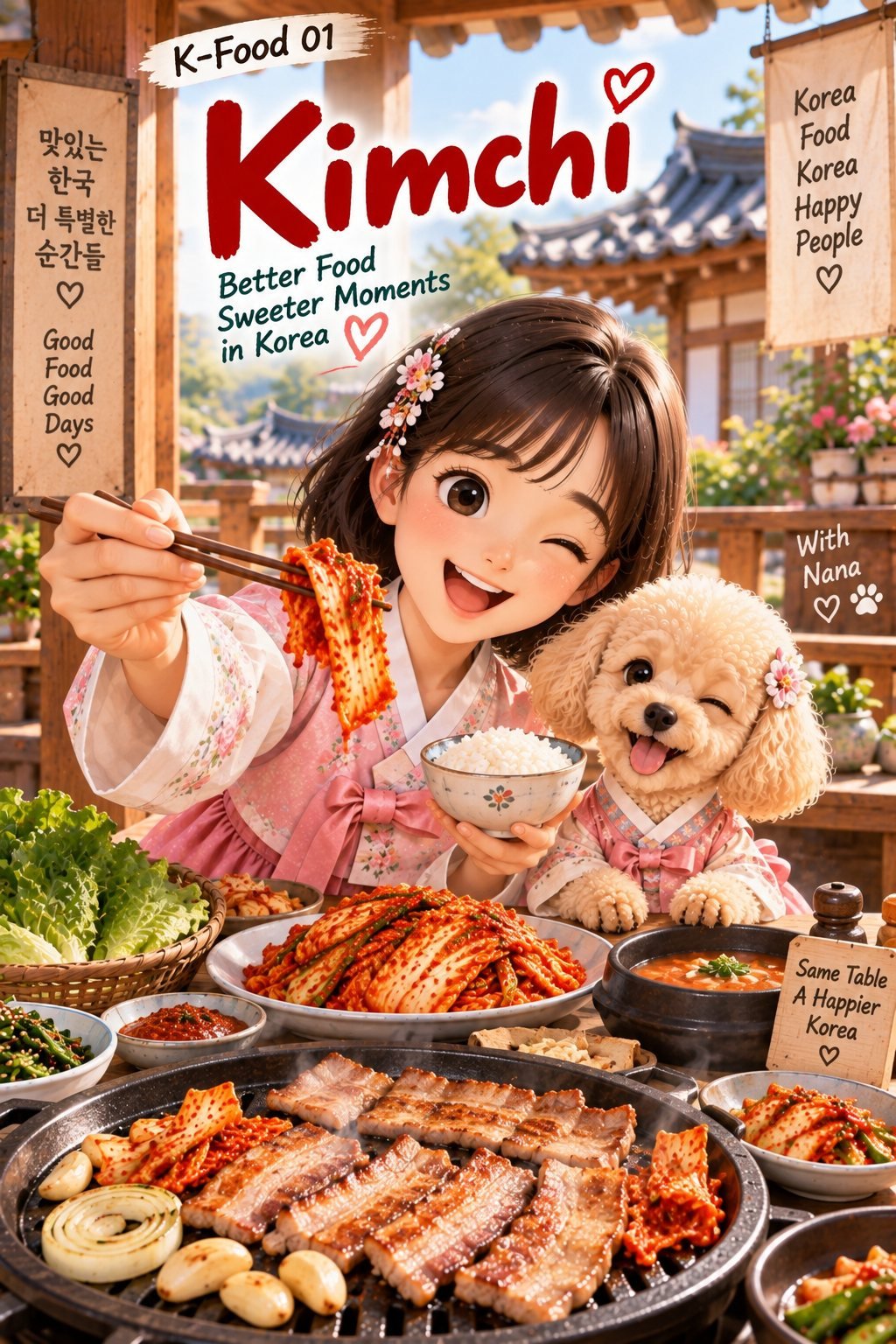
Kimchi becomes easier to understand when it is tasted as part of a complete Korean meal with rice, grilled food, soup, and other side dishes.
Kimchi & Korean BBQ
Kimchi and Korean barbecue are a particularly familiar combination. The acidity and seasoning of kimchi can contrast with the richness of grilled pork or beef, while rice and fresh vegetables help bring the different flavors together.
Kimchi may be eaten directly as a side dish, wrapped with meat and other ingredients, or sometimes grilled beside the meat. Heating fermented kimchi creates a different texture and aroma from eating it cold.
Travelers interested in experiencing Korean food culture beyond a single dish can also explore traditional markets. At Gwangjang Market, food stalls and market surroundings provide a broader introduction to Korean market culture and everyday foods.
First-Time Kimchi Taste Guide
First-time visitors should not assume that disliking one kimchi means they dislike kimchi altogether. Different varieties can vary considerably in spice level, sourness, sweetness, saltiness, crunch, ingredients, and fermentation.
- Start with baechu kimchi — napa cabbage kimchi is the most familiar introduction for many visitors.
- Try kkakdugi — cubed radish provides a firmer, crunchier texture.
- Try cucumber kimchi — it can offer a fresher vegetable texture and a different eating experience.
- Look for baek kimchi — white kimchi can be useful for visitors who want to explore kimchi without the familiar red chili-heavy appearance.
- Compare fresh and fermented flavors — fermentation can significantly change acidity, aroma, and texture.
- Eat kimchi with other food — rice, soup, noodles, or grilled meat can make the balance easier to understand.
Markets can also be useful places to encounter different Korean food traditions during a trip. In addition to Gwangjang Market, K-Nana Studio’s Mangwon Market guide introduces another local market environment where travelers can experience everyday Korean food culture.
Different Types of Kimchi
Kimchi is not a single recipe. Korea has many varieties made with different vegetables, seasonings, preparation methods, and fermentation styles. Travelers who explore several types can experience very different textures and flavors under the same broad name of kimchi.
Baechu kimchi, made with napa cabbage, is the variety most international visitors recognize. Kkakdugi uses cubed radish and has a firm, crunchy texture, while oi kimchi uses cucumber and can provide a fresher bite.
Yeolmu kimchi is made with young radish greens, while pa kimchi uses green onions. Baek kimchi, or white kimchi, shows that kimchi does not always need to have the familiar bright-red appearance associated with chili-heavy varieties.
Traditional markets are useful places to see how diverse Korean food can be. At Gwangjang Market, visitors can experience a busy Korean market environment where prepared foods, ingredients, side dishes, and other everyday flavors come together.

A Korean market helps reveal that kimchi is not one dish but a broad food tradition with many vegetables, textures, seasonings, and flavors.
Regional & Seasonal Differences
Kimchi recipes can vary according to region, season, available ingredients, household traditions, and personal preference. Different areas of Korea developed their own approaches to seasoning and preserving vegetables, contributing to the diversity visitors encounter today.
Season also matters because different vegetables become available at different times of year. Some kimchi varieties emphasize fresh seasonal ingredients, while others are prepared with longer storage and fermentation in mind.
Travel can therefore provide opportunities to encounter kimchi in different settings. Traditional food culture around Jeonju Hanok Village, local markets such as Mangwon Market, and regional food environments such as Seogwipo Maeil Olle Market can introduce travelers to different sides of Korean eating culture.
So Many Kinds of Kimchi
Seeing several varieties together makes the diversity of kimchi especially clear. Cabbage, radish, cucumber, green onion, and leafy vegetables can each create a different texture and flavor even when similar seasonings are used.
The differences are not limited to spice. One variety may be crunchy and refreshing, another deeply fermented and sour, while another may be mild enough for someone who usually avoids spicy food.

From napa cabbage and radish to cucumber and green onion, the world of kimchi is much broader than one familiar red side dish.
Kimchi Beyond the Side Dish
Kimchi is frequently served as banchan, but its role in Korean cuisine extends far beyond a small side dish. Fermented kimchi is also used as an ingredient that can provide acidity, seasoning, aroma, and depth to cooked foods.
Kimchi jjigae turns fermented kimchi into a warming stew. Kimchi fried rice combines it with rice and other ingredients, while kimchi jeon transforms chopped kimchi into a savory pancake. Kimchi can also appear in noodles, dumplings, soups, and other dishes.
This versatility is useful for travelers who are uncertain about eating kimchi by itself. Someone who does not immediately enjoy cold fermented kimchi may discover that they prefer it grilled, cooked into a stew, or mixed into fried rice.
Kimchi & K-Culture
Kimchi provides a direct connection between Korean food and everyday culture. It appears at home meals, restaurants, markets, barbecue tables, traditional gatherings, and modern dining experiences, making it one of the foods travelers are most likely to encounter repeatedly in Korea.
Its story also connects old and new Korea. Kimjang represents cooperation and knowledge passed between generations, while modern restaurants and younger food culture continue to reinterpret how kimchi is served and combined with other foods.
Travelers exploring places such as Gwangjang Market can experience the energy of Korean market food, while Jeonju Hanok Village provides a broader setting for experiencing traditional Korean architecture, food, and culture together.
For K-Nana Studio, Kimchi is therefore a natural starting point for the K-Food collection: a familiar Korean food that opens the door to fermentation, banchan, markets, shared meals, regional traditions, and many other parts of Korean food culture.
FAQ
Is all kimchi spicy?
No. Many familiar varieties use Korean red pepper flakes and have some level of heat, but kimchi can vary greatly. Baek kimchi, or white kimchi, is one example that shows kimchi does not always have the familiar red, chili-heavy appearance. Spice levels also differ by recipe, restaurant, household, and variety.
Is kimchi always made with napa cabbage?
No. Napa cabbage kimchi is one of the best-known varieties, but radish, cucumber, green onion, young radish greens, and many other vegetables can also be used to make kimchi.
Why does kimchi taste sour?
Fermentation changes kimchi over time and can increase its acidity and fermented flavor. Freshly prepared kimchi may taste crisp and bright, while more mature kimchi can become noticeably tangier and stronger.
What should I eat with kimchi?
Kimchi is commonly eaten with rice, soups, stews, noodles, grilled meat, and many other Korean dishes. First-time visitors may find it useful to taste a small amount with rice or another part of the meal rather than eating it completely on its own.
What is kimjang?
Kimjang is the Korean tradition of making and sharing large quantities of kimchi, historically associated with preparing food for winter. The tradition represents shared work, seasonal preparation, family knowledge, and community cooperation.
Where can travelers experience Korean market food culture?
Gwangjang Market is one useful place to experience the atmosphere of a traditional Korean market and explore a wide range of foods. Travelers can also visit Mangwon Market for another local market experience or Seogwipo Maeil Olle Market while exploring Jeju.
Where to Experience Korean Food Culture
Kimchi can be encountered almost anywhere Korean meals are served, from neighborhood restaurants and barbecue tables to markets and traditional food experiences. Visitors do not need to search for one famous restaurant simply to try kimchi.
For a broader food experience, visit Gwangjang Market to explore one of Seoul’s best-known traditional market environments, or Mangwon Market for a neighborhood market atmosphere connected with everyday food and local shopping.
Travelers interested in combining Korean food with traditional architecture and culture can also explore Jeonju Hanok Village. On Jeju Island, Seogwipo Maeil Olle Market provides another regional market experience.
Related K-Nana Guides
Continue exploring Korean culture with Gwangjang Market for traditional market food and street-level atmosphere, Jeonju Hanok Village for hanbok, traditional architecture, food, and cultural experiences, and Insadong for traditional streets, crafts, tea, and Korean cultural experiences.
As the K-Nana Studio K-Food collection expands, this Kimchi guide will also connect with dedicated guides to Bibimbap, Korean BBQ, Tteokbokki, Korean Fried Chicken, and other foods after those articles are published.
Food & Allergy Notes
Kimchi ingredients vary considerably by recipe. Some versions may contain fish sauce, salted seafood, shellfish-derived ingredients, or other animal-based seasonings, while others may be prepared differently. Visitors following vegetarian or vegan diets should not assume that vegetable-based kimchi is automatically suitable for them.
Recipes may also include ingredients that are relevant to individual food allergies or dietary restrictions. Restaurant preparation methods, packaged products, and market foods can differ, so ask the restaurant or seller about ingredients when an allergy, intolerance, religious restriction, or other dietary requirement is important.
Fermented foods can also vary in salt level, acidity, spice, and serving size. This guide introduces Korean food culture and does not provide individualized medical or dietary advice.
Image Credits
Kimchi and traditional Korean family table with the K-Nana family and Nana in hanbok visual — K-Nana Studio original visual.
Kimjang and napa cabbage kimchi preparation with Mom and Nana in hanbok visual — K-Nana Studio original visual.
Kimchi, rice, and Korean grilled pork with K-Nana daughter and Nana in hanbok visual — K-Nana Studio original visual.
Different kimchi varieties at Gwangjang Market with Dad and Nana in hanbok visual — K-Nana Studio original visual.
Nana in hanbok with napa cabbage kimchi, kkakdugi, cucumber kimchi, and other kimchi varieties visual — K-Nana Studio original visual.
Disclaimer
This article is provided for general food, travel, and cultural information. Ingredients, preparation methods, fermentation, allergens, dietary suitability, restaurant practices, and individual responses to foods can vary. Always confirm ingredients directly with the restaurant, seller, or manufacturer when allergies, medical conditions, or dietary restrictions are relevant.