
Introduction to Propolis in Korean Skincare
Propolis in Korean skincare appears in products such as serums and moisturizers. It is a bee-derived cosmetic ingredient that brands may combine with humectants, botanical extracts, niacinamide, exfoliating ingredients, or other bee-derived materials.
This guide explains what propolis is, how it differs from honey and royal jelly, and how verified Korean serum and cream examples fit into a routine. It also covers label checks, gradual introduction, individual skin responses, and practical precautions without promising specific results.
Quick Guide

- What it is: Propolis is a material produced by bees using collected plant resins and other substances. Cosmetic formulas use processed propolis ingredients, such as propolis extract.
- Verified formats: The official examples covered here include a Beauty of Joseon serum and a COSRX moisturizer.
- Routine position: A serum generally goes after cleansing and before moisturizer. A propolis cream serves as the moisturizer step.
- Companion ingredients: Do not judge a formula by the word “propolis” alone. Check the complete ingredient list because other ingredients affect how the product fits your routine.
- Individual response: Introduce a new cosmetic gradually, follow its current directions, and stop using it if it causes a concerning reaction.
What Propolis Is and Why It Appears in Skincare
Propolis is a bee-derived material made with plant resins collected and processed by bees. Skincare products do not simply contain raw material from a hive; they use cosmetic ingredients identified on the product label, such as propolis extract.
Propolis is not the same as honey or royal jelly. Honey is a different bee-produced substance, while royal jelly is a secretion made by worker bees. A formula can contain one of these ingredients or combine several of them, so their names should not be treated as interchangeable.
Official Korean beauty brand descriptions commonly position propolis around moisture, comfort, and radiance. Beauty of Joseon says the propolis in its Glow Serum helps hydrate, calm, and soothe the skin. COSRX describes the bee-derived ingredients in its Full Fit Propolis Light Cream in relation to nourishment, antioxidants, and moisture. These are manufacturer descriptions of intended cosmetic roles, not guarantees that every user will experience the same outcome.
Propolis Product Types and Ingredient Combinations
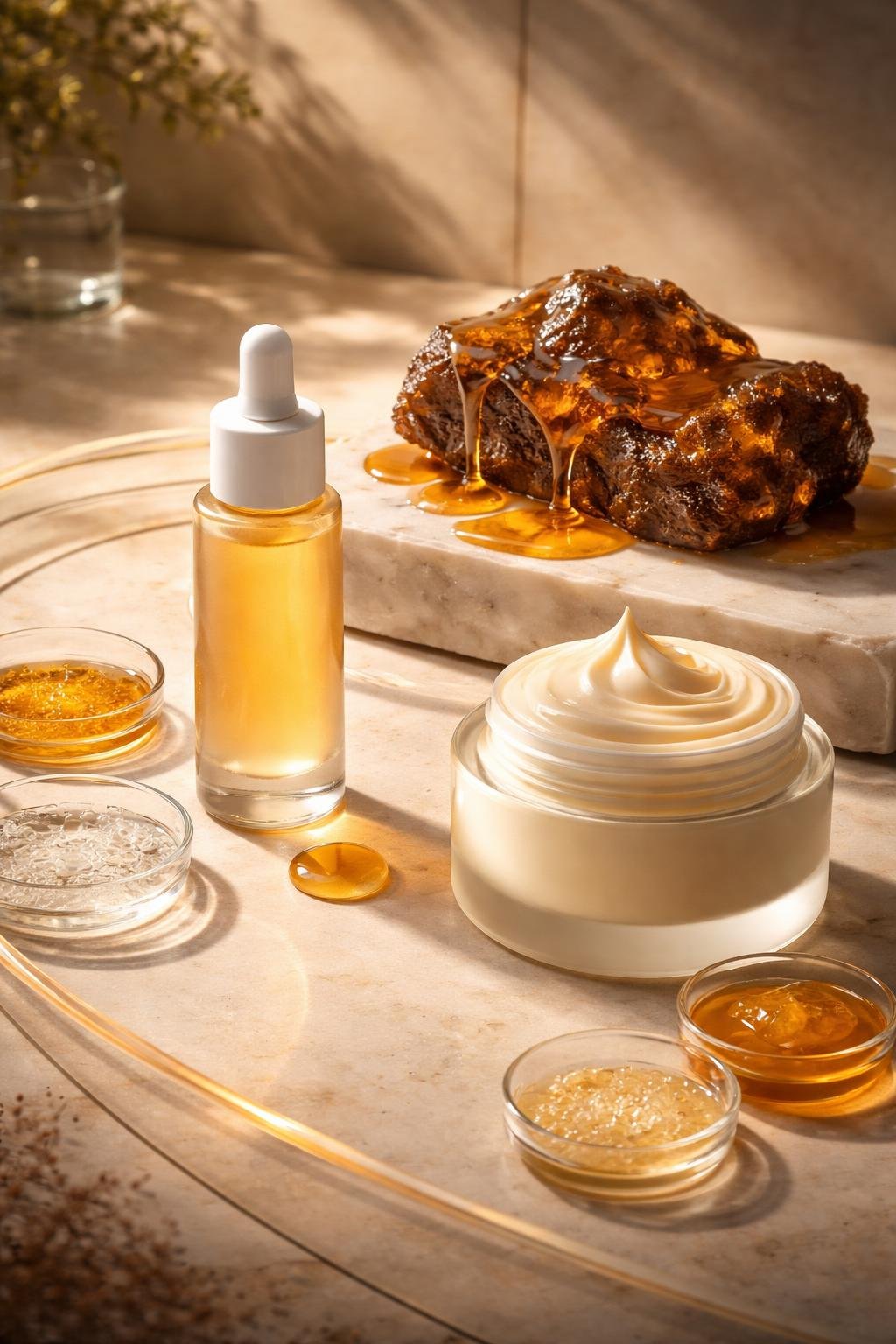
A propolis product is defined by its complete formulation, not only by its featured ingredient. The following official examples show how propolis can appear in two different product categories. They are educational examples rather than endorsements.
| Verified example | Product type | Notable ingredients | Officially described texture and use |
|---|---|---|---|
| Beauty of Joseon Glow Serum: Propolis + Niacinamide | Serum | Propolis extract, niacinamide, and BHA | The brand describes a thick, honey-like texture that absorbs without stickiness. It presents the formula for concerns including uneven texture, enlarged pores, excess sebum, and radiance. |
| COSRX Full Fit Propolis Light Cream | Moisturizer | 64% propolis extract, 1% honey extract, and 1% royal jelly extract | The brand describes a lightweight, gel-like moisturizer for dull, dehydrated, or rough-looking skin, with moisture, radiance, and plumpness among its claimed benefits. |
A serum is usually a lighter treatment step applied before moisturizer. A cream is intended to act as the moisturizing step that helps complete the routine. Texture names are useful starting points, but they do not predict how every formula will feel on every person.
Companion ingredients also matter. In the Beauty of Joseon example, niacinamide and BHA are separate from propolis and contribute their own formulation roles and use considerations. In the COSRX example, propolis, honey, and royal jelly remain distinct ingredients even though all three are bee-derived.
How to Use Propolis in a Skincare Routine
The correct position depends on whether the propolis product is a serum or a moisturizer. The current directions on the product and manufacturer’s website should take priority over a general routine.
- Cleanse: Begin with clean skin using a cleanser appropriate for your routine.
- Apply lighter treatment steps: If the propolis product is a serum, apply it at this stage unless its directions specify otherwise.
- Moisturize: Apply a separate moisturizer after a serum. If the propolis product is a cream, it can occupy this step.
- Use daytime sunscreen: Finish a morning routine with sunscreen and follow its labeled application directions.
Beginners can introduce one new product at a time rather than changing several parts of the routine together. This makes it easier to observe how the complete formula feels and whether it appears compatible with the rest of the routine.
Frequency should follow the product directions and personal tolerance. More frequent application is not automatically better. If a propolis product also contains ingredients such as BHA, consider the full routine instead of assuming that all propolis formulas should be used in the same way.
Common mistakes include applying a serum after a heavy cream, treating a cream as though it were a concentrated serum, and adding several unfamiliar formulas at once. A simple application-order guide can emphasize that product type and label directions determine placement.
How to Choose a Propolis Product Safely
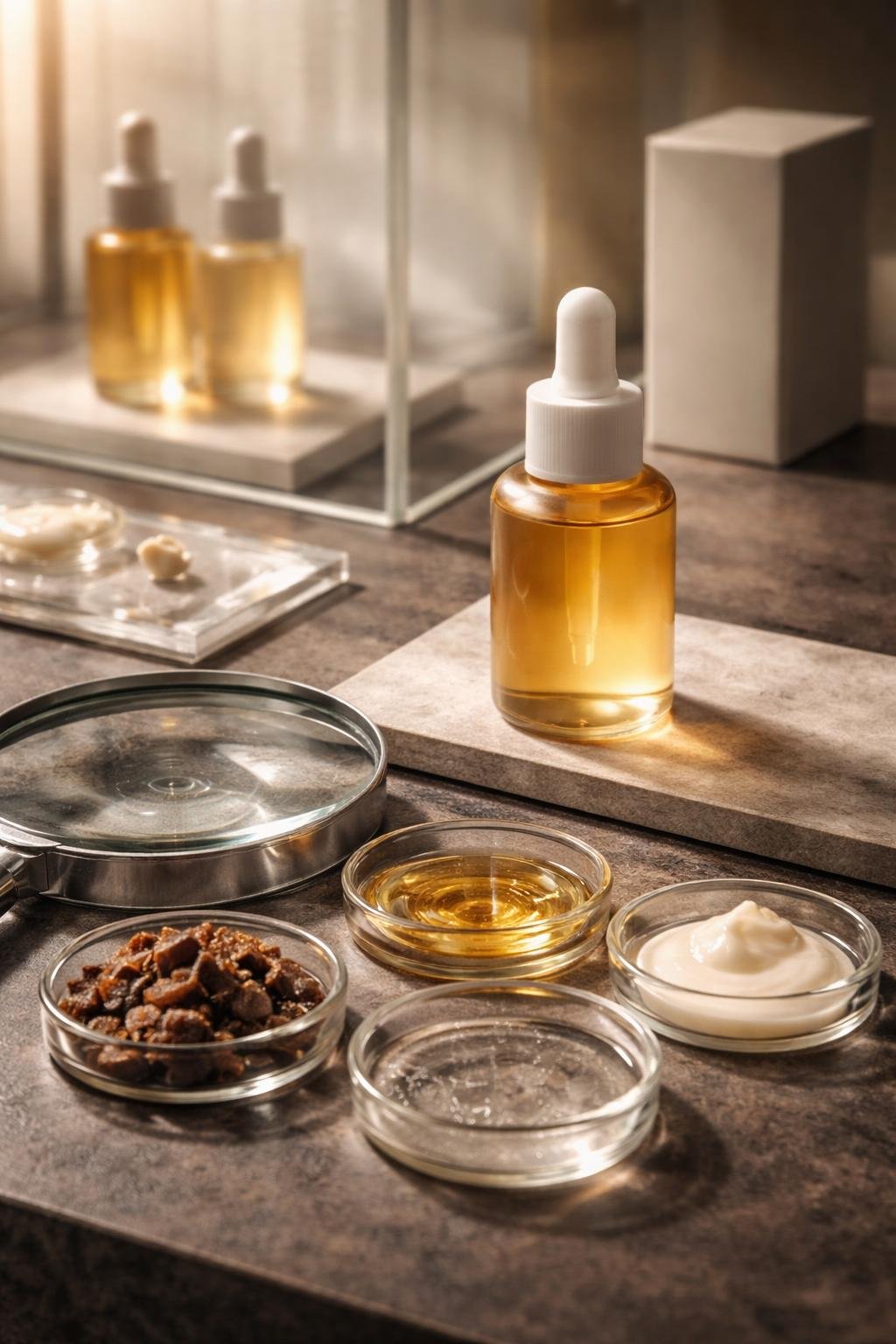
Choose between a serum and a cream according to the step you need. A serum may suit someone seeking an additional treatment layer, while a cream may make more sense when the priority is a moisturizer. Texture preferences also matter because some people prefer a thick serum and others prefer a lightweight gel-like cream.
Read the complete ingredient list rather than relying on front-label wording. Confirm whether the listed ingredient is propolis extract and note accompanying ingredients such as niacinamide, BHA, honey extract, royal jelly extract, fragrance components, or other substances relevant to your routine.
Product names, ingredient lists, concentrations, packaging, and directions can change. Verify the current label with the official manufacturer or the packaging in hand, particularly when repurchasing or comparing listings from different markets.
Patch testing a new cosmetic on a small area before broader use can help you observe your individual response. Introduce only one unfamiliar product at a time and follow the current manufacturer instructions. Patch testing does not guarantee that irritation will never occur.
Skin responses vary, and irritation can be related to propolis, a companion ingredient, or the formula as a whole. Discontinue use if a concerning reaction develops. Significant or persistent skin concerns should be discussed with an appropriate healthcare professional rather than diagnosed through a cosmetic guide.
Propolis in Korean Beauty Culture and Shopping
Propolis is presented within several styles of Korean skincare rather than one standard formula. Beauty of Joseon includes propolis among ingredients used in its Hanbang-inspired skincare presentation. Hanbang-themed beauty generally draws on traditional Korean ingredient concepts, but that positioning does not mean every product has the same composition or function.
International shoppers may encounter propolis in serums, creams, and other formulation styles. Concentrations and companion ingredients can differ, as the verified serum and cream examples demonstrate. Country-specific listings may also vary, so shoppers should use current official labels instead of assuming all Korean propolis products are alike.
K-Nana Beauty Guide
K-Nana is a fictional beauty guide used only for the following hypothetical examples. She does not provide personal reviews or claim that either format will work for every reader.
Scenario 1: Choosing a routine step
K-Nana already has a moisturizer she likes but wants to explore a propolis product as an additional layer. She compares serums and checks where the selected formula belongs in her routine. If she instead needs a moisturizer, she looks at propolis creams rather than adding an unnecessary serum.
Scenario 2: Checking companion ingredients
K-Nana sees “propolis” on the front of a serum but also reads the full label. She notices that the formula contains niacinamide and BHA, so she considers those ingredients alongside the other products in her routine instead of evaluating propolis in isolation.
Scenario 3: Introducing one product
K-Nana avoids starting a new serum, cream, and exfoliating product on the same day. She selects one formula, follows its current directions, and pays attention to her individual response before making another change.
Frequently Asked Questions
1. Are propolis and honey the same?
No. Propolis and honey are different bee-derived substances with separate ingredient names. Royal jelly is also distinct. A product may contain one of them or combine several, so check the full ingredient list.
2. Should I use both a propolis serum and a propolis cream?
Not necessarily. A serum and cream serve different routine roles, but using both is not required. Choose products according to the steps you need, their complete formulations, and how your skin responds.
3. Where does propolis belong in a skincare routine?
A propolis serum generally belongs after cleansing and before moisturizer. A propolis cream normally occupies the moisturizer step. Follow the specific product’s current instructions when they differ from this general order.
4. Do propolis products suit every skin type?
No cosmetic formula can be assumed to suit everyone. Texture, companion ingredients, existing routines, and individual responses all matter. Patch test a new product and discontinue it if a concerning reaction occurs.
5. How can I check whether a propolis formulation has changed?
Compare the ingredient list and directions on your current packaging with information from the official manufacturer. Check again when repurchasing, because formulas, labels, packaging, availability, and market-specific details may change.
Final Takeaway
Propolis in Korean skincare appears in more than one product type. A serum provides an additional treatment step, while a cream functions as a moisturizer. Neither format is automatically the better choice.
Look beyond the featured ingredient and consider the full formula. Companion ingredients such as niacinamide, BHA, honey extract, and royal jelly extract are distinct from propolis and can affect product selection. Check current labels and directions, introduce unfamiliar products one at a time, and pay attention to your individual response.
References
The formulation details and manufacturer descriptions in this guide were checked against the following official sources. Product information may change, so readers should confirm current details with the manufacturers.
- Ingredients
– Beauty of Joseon
— https://beautyofjoseon.com/pages/ingredients - Glow Serum: Propolis + Niacinamide | Beauty of Joseon Official Store — https://beautyofjoseon.com/products/glow-serum-propolis-niacinamide?country=US¤cy=USD&variant=51833681772916
- COSRX Propolis Light Cream | COSRX.COM – COSRX Official — https://www.cosrx.com/collections/propolis/products/full-fit-propolis-light-cream
Image Credits
- Visual 01: An original AI-generated educational illustration introducing bee-derived propolis alongside generic serum and cream formats.
- Visual 02: An original AI-generated comparison of a propolis serum and a propolis moisturizer, with generic callouts for companion ingredients and texture differences.
- Visual 03: An original AI-generated routine-order guide showing cleansing, a lighter serum step, moisturizer, and daytime sunscreen.
- Visual 04: An original AI-generated label-checking and patch-testing guide emphasizing the complete ingredient list, current directions, and individual response.
- Visual 05: An original AI-generated final reminder to choose the needed product type, check companion ingredients, and introduce one new formula at a time.
All five visuals are illustrative. They do not depict actual products, packaging, events, application results, or clinical outcomes.
Disclaimer
This article provides general educational information and is not medical advice, diagnosis, or treatment. Cosmetic formulations, ingredients, labels, availability, and prices can change, and individual skin responses vary. Verify current product details and directions with the official manufacturer. Consult an appropriate healthcare professional about significant or persistent skin concerns. AI-generated images are illustrative and may not accurately represent actual products, packaging, ingredients, application results, or clinical outcomes.