
Introduction to Korean Lip Tints
Lip tints are color cosmetics available in a range of textures, finishes, and shade families. This Korean lip tint guide explains how beginners can compare tint types, choose between matte and dewy finishes, select a shade, apply color evenly, and check labels for relevant ingredient and safety information.
Terms such as “fixing,” “matte,” and “dewy” are brand-specific descriptions rather than guarantees of identical performance. Texture, staining behavior, comfort, transfer, and final appearance depend on the individual formulation, application method, and wearer.
Quick Guide
| Decision | Practical starting point |
|---|---|
| Finish | Choose matte or fixing-style color for a less glossy appearance, or dewy color for visible shine. Check the brand’s description because finish names are not standardized. |
| Shade | Consider color family, depth, natural lip color, and the look you want. Treat online swatches as references rather than exact predictions. |
| Application | Prepare the lips, remove excess product from the applicator, place a small amount precisely, and blend or build in thin layers. |
| Wear | Allow the product to settle if directed by the manufacturer. Transfer and staining vary by formulation and activity. |
| Label check | Review the current ingredient list, usage directions, warnings, and official product information instead of assuming all tints work the same way. |
What Is a Korean Lip Tint?
A lip tint is a lip-color product designed to deposit color. Some formulas leave noticeable residual color after part of the surface layer wears away, but the degree of staining varies. “Korean lip tint” commonly refers to tint products associated with Korean cosmetics brands or Korean beauty routines; it does not identify one standardized formula.
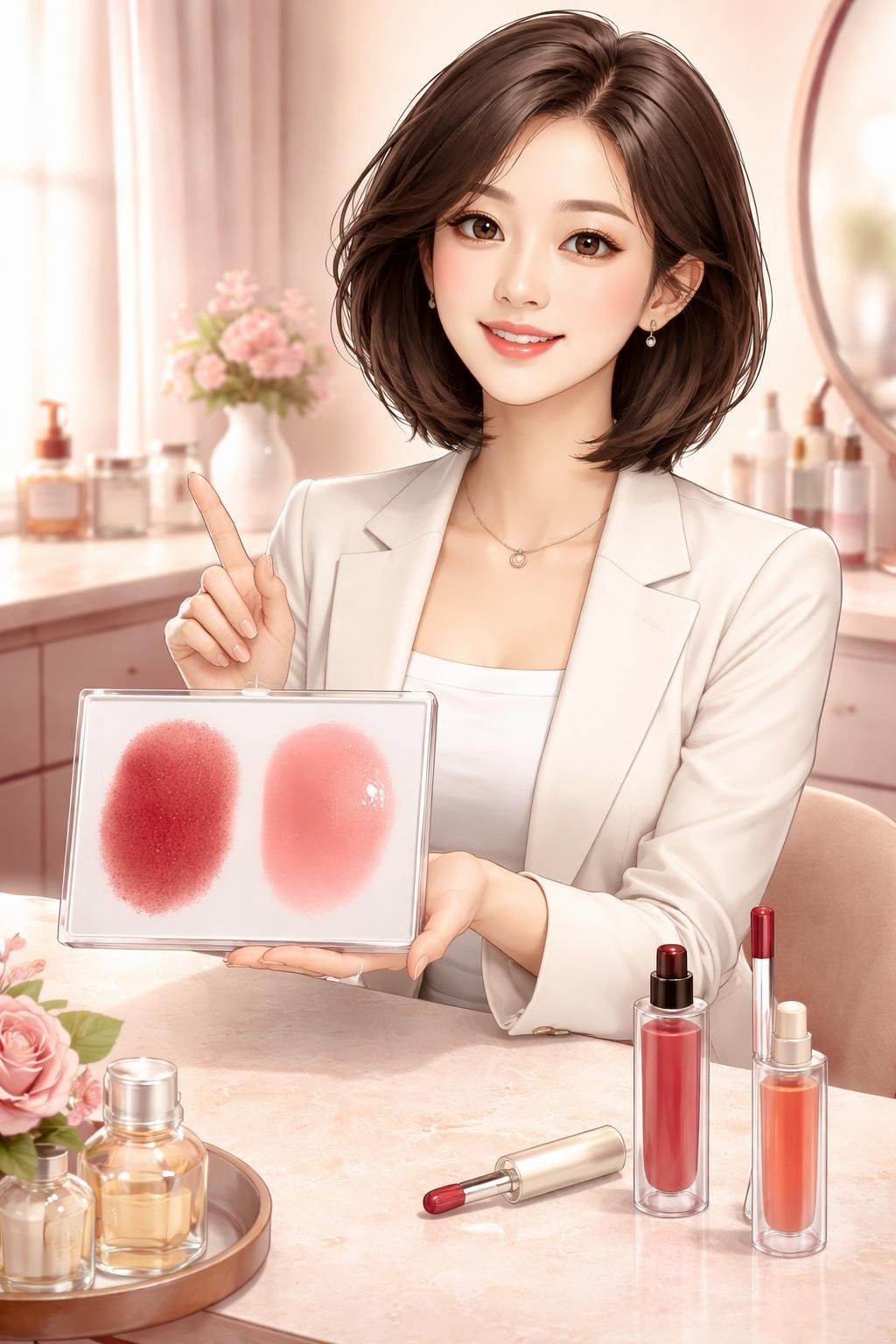
A tint can combine deposited color with different surface finishes. A matte tint has little visible shine, while a dewy tint creates a glossier appearance. Other descriptions, including fixing, watery, velvet, or glossy, may indicate a brand’s intended texture or finish, but shoppers should read the specific product description rather than infer universal performance from the name.
Tints also vary in thickness, drying or settling behavior, transfer, and how evenly they adhere to the lips. A thin-feeling formula is not automatically transfer-resistant, and a matte label does not guarantee that a product will feel or perform like every other matte tint.
Lip Tint Types, Finishes, and Formulations
Matte and fixing-style tints
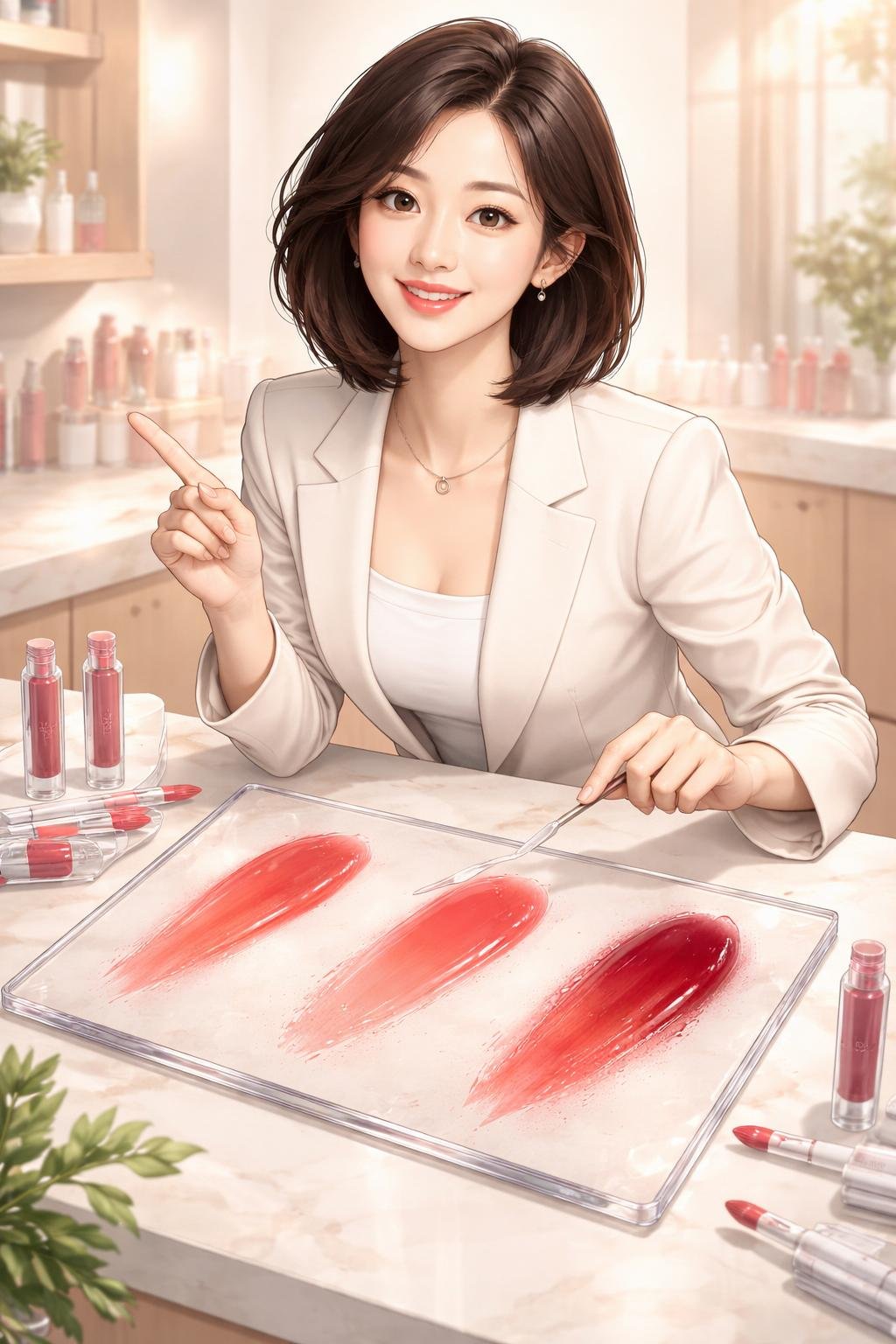
Matte tints are designed to create a low-shine finish. “Fixing” is sometimes used for formulas intended to settle after application, but any transfer-related claim should be interpreted according to the manufacturer’s directions and wording.
As a verified product example, ETUDE describes its Fixing Tint #Hype Khaki as a hydrating lip tint with a lightweight matte finish designed to stain masks less. Its official page lists a 4 g vegan tint in Foggy Pink and Hazelnut Mauve. These details apply to that listed product and should not be generalized to all matte or fixing tints.
Dewy-style tints
Dewy tints are positioned around a shiny or moist-looking finish. The level and persistence of shine still depend on the formula, the amount applied, and normal wear.
As a verified range example, AMUSE lists a Dew Tint Duo under its “LIP DEWY” category. Its selectable shades include La Vie en Coral, Sandeul, Healthy Peach, Pomelo Nude, Strawberry, Fig Dew, Rose Bean, Amethyst, Mauve Grape, Peach Bunny, Sunday, Water Peach, Milky Rose, Dippin Cherry, and Dippin Choco. These are labeled shade examples, not recommendations or predictions of how the colors will look on a particular person.
Labels, ingredients, and color additives
A current product label may provide an ingredient list, directions, warnings, and other market-specific information. Formulas and labels can change, so consult the packaging and official manufacturer information for the exact product being used.
Color additives give lip cosmetics their color. According to the US Food and Drug Administration, a color additive used in lip cosmetics must be approved specifically for use on the lips; approval for externally applied cosmetics does not automatically include lip use. The FDA also explains that lakes are water-insoluble color additives often used in lipstick to help prevent color bleeding. Regulatory requirements can differ by market, so this FDA information should not be treated as a summary of every country’s rules.
How to Apply Korean Lip Tint
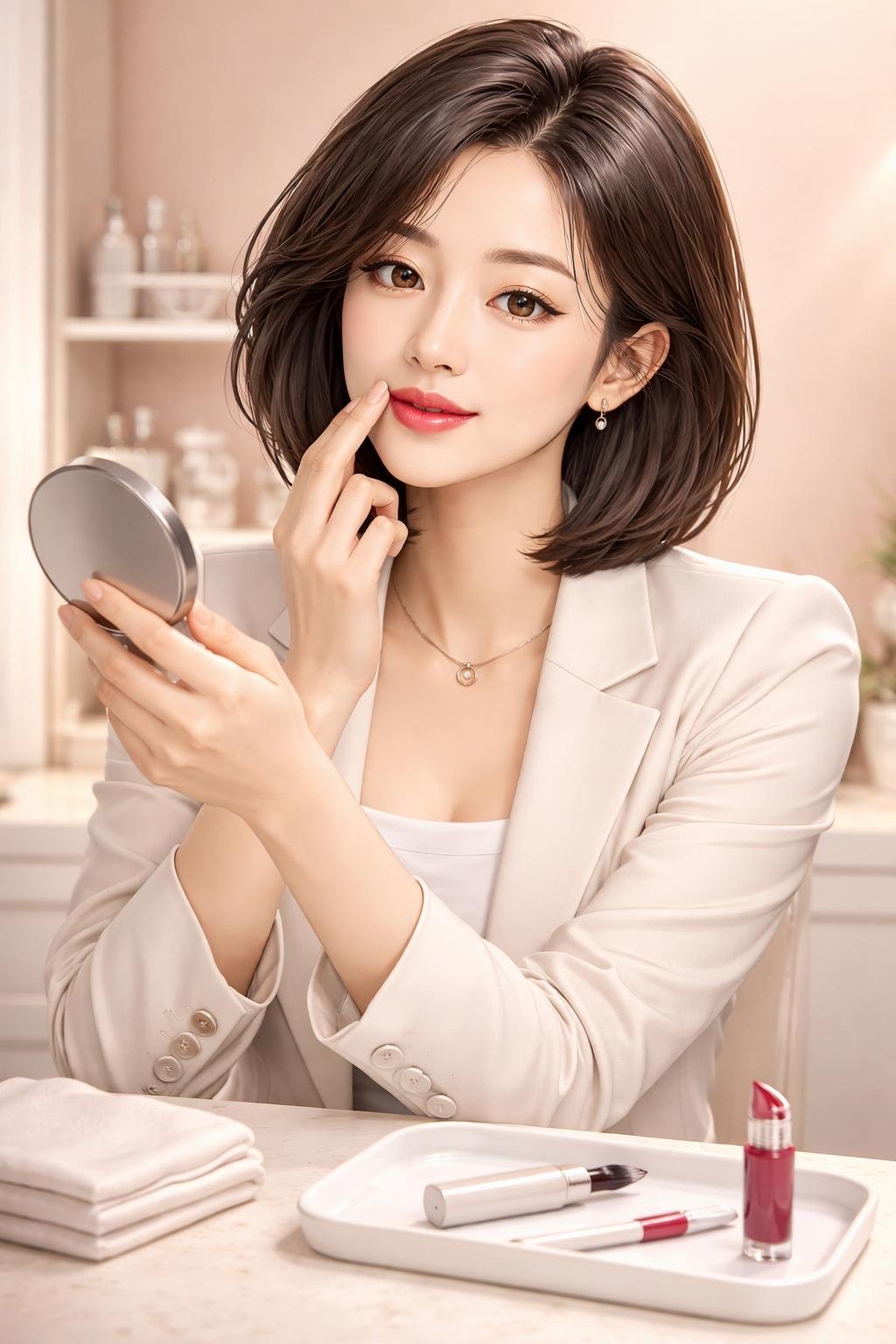
- Prepare the lips. Start with clean lips. If there are loose, uneven areas, use gentle preparation appropriate for your lips rather than pulling or aggressively scrubbing the skin. If moisturizer is applied, allow it to absorb and blot excess that could interfere with color placement.
- Control the amount. Remove excess tint from the applicator against the container opening when appropriate. A small amount is easier to position and build than a thick first layer.
- Place the color. Apply the tint where you want the strongest color. Work carefully around the lip line because highly pigmented or staining formulas may be difficult to correct after they settle.
- Blend or build. Blend promptly if the product directions call for it. Add thin layers for greater depth rather than applying a large amount at once.
- Let the formula settle. Follow the manufacturer’s instructions before pressing the lips together, adding another product, eating, or testing transfer.
Full-lip technique
For a full-lip look, trace the natural lip boundary carefully and fill the interior with a thin, even layer. Check the corners and inner edges for heavy buildup before adding more color.
Softly diffused technique
For a softly diffused look, place a small amount near the inner portion of the lips and blend it outward before the formula sets. Keep the outer edge lighter and less defined. This is an application example rather than a rule for how Korean lip makeup must look.
Touch-ups and common mistakes
Before touching up, check whether only the shine has faded or whether the deposited color is also uneven. Adding more tint over a thick or patchy layer can emphasize texture, so remove loose residue or excess product when appropriate and reapply sparingly.
Common mistakes include applying too much at once, failing to blend a quick-setting formula promptly, ignoring dry or uneven areas, and assuming every tint needs the same settling time. Reapply only as needed and in line with the product instructions.
How to Choose a Shade and Check Product Safety
Start with color family and depth
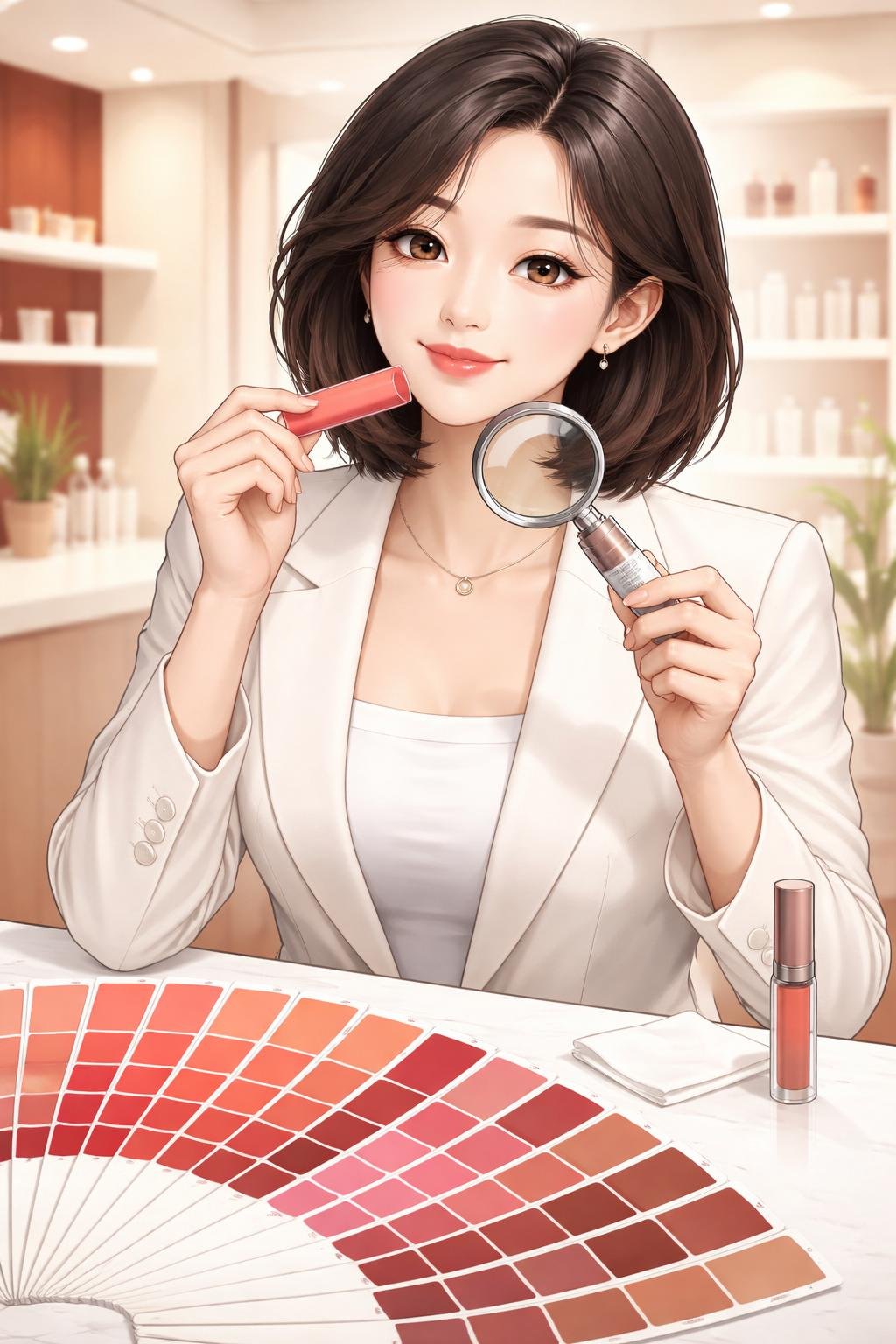
First decide whether you want a pink, coral, peach, red, berry, mauve, brown, or another color family. Then consider depth: a pale shade may create a softer effect, while a deeper shade can look more defined. These categories can overlap, and shade names are marketing labels rather than precise color measurements.
Your natural lip color can affect the visible result, especially with sheer formulas. Skin tone, lighting, screen settings, the number of layers, and surrounding makeup can also make an online swatch look different in person. When possible, compare official swatches shown under multiple conditions, while recognizing that they still cannot guarantee an exact match.
Verified names such as Foggy Pink, Hazelnut Mauve, Healthy Peach, Fig Dew, Rose Bean, Mauve Grape, and Dippin Choco illustrate how brands label different shade ideas. They do not establish that a shade will suit a particular complexion or appear identical across different lips.
Check the current product information
- Confirm that the product is intended for use on the lips.
- Read the current ingredient list and any warnings on the package.
- Follow the manufacturer’s application and storage directions.
- Check official information for formula or label updates.
- Do not rely on a finish name alone to predict transfer, comfort, staining, or wear.
Respond to discomfort appropriately
Individual responses to cosmetics vary. Stop using a tint if it causes irritation or discomfort. Avoid applying a product to cracked, bleeding, or otherwise damaged lips when its directions or your circumstances make use inappropriate. Significant or persistent symptoms should be discussed with an appropriate healthcare professional rather than diagnosed through a beauty guide.
Lip Tints in Korean Beauty Culture
A thesis held in the Hansung University repository traces Korean lip makeup to the Three Kingdoms period, when red rouge was used. The thesis notes that the exact application method from that period is unknown, so modern techniques should not be presented as direct reconstructions of ancient practice.
Lip colors and shapes changed over time alongside the beauty standards of different eras. In modern practice, the thesis describes increasing emphasis on selecting techniques suited to the individual, including approaches that complement the natural lips.
The diversification and specialization of lip products make accurate product knowledge and application guidance increasingly useful. This context helps explain why shoppers encounter many tint textures, finishes, and shade descriptions, but it does not mean that one tint style represents all Korean consumers or Korean beauty practices.
K-Nana Beauty Guide
Fictional educational example: Nana is a fictional beauty guide demonstrating a beginner’s decision process. She is not reviewing products or reporting personal results.
Nana first compares two general options: a lightweight matte tint for a low-shine look and a dewy tint for visible shine. She does not assume that either option will be more comfortable, longer-lasting, or less transferable without checking the exact product description.
Next, she narrows her shade search by choosing a color family and depth. For example, she might compare a muted mauve family with a brighter peach family, while remembering that her natural lip color and the formula’s opacity can alter the final appearance.
Before use, Nana checks the official product page and the label on the actual package. She reviews the ingredient list, directions, warnings, intended use, and any instructions about allowing the tint to settle.
Finally, she chooses an application style. For an even full-lip look, she applies a controlled layer across the lips. For a diffused look, she places less product toward the center and blends outward. This fictional scenario demonstrates a method for making a choice; it does not claim a particular product result.
Frequently Asked Questions
1. Are lip tint and lipstick the same?
No. Both add color to the lips, but “lip tint” and “lipstick” describe broad product categories with overlapping possibilities. Tints are often marketed around deposited or residual color, while lipstick can refer to many stick and non-stick formulas. The actual texture, opacity, finish, and wear depend on the individual product.
2. How do matte and dewy tints differ?
A matte tint creates little visible shine, while a dewy tint creates a shinier surface appearance. Either category can vary in thickness, staining, transfer, and comfort, so the finish label alone does not describe every performance characteristic.
3. Why does a shade look different from its online swatch?
Natural lip color, skin tone, lighting, screen settings, formula opacity, and the number of layers can all affect the appearance. Online swatches are useful references, but they cannot predict an identical result for every person.
4. How can I create a softly diffused lip?
Apply a small amount of tint near the inner portion of the lips, then blend it outward before it settles. Keep the outer edge lighter and add color gradually rather than starting with a thick layer.
5. What should I do if a lip tint causes irritation or discomfort?
Stop using the product and remove it gently. Do not keep reapplying it to test the reaction. Seek advice from an appropriate healthcare professional if the concern is significant or persistent.
References
- Fixing Tint #Hype Khaki 4g – ETUDE GLOBAL OFFICIAL WEBSITE — https://int.etude.com/shop/category/lip/fixing-tint-hype-khaki-4g/
- AMUSE | 듀 틴트 듀오 세트 – GIFT 립 스크럽 포함 — https://m.amusemakeup.com/product/%EB%93%80-%ED%8B%B4%ED%8A%B8-%EB%93%80%EC%98%A4-%EC%84%B8%ED%8A%B8/485/category/1/display/3/
- Color Additives and Cosmetics: Fact Sheet | FDA — https://www.fda.gov/industry/color-additives/color-additives-and-cosmetics-fact-sheet
- HSU Repository: 한국 입술화장(化粧)문화에 관한 通時的 고찰 — https://dspace.hansung.ac.kr/handle/2024.oak/10132
Final Takeaway
Choose a lip tint by considering the finish, color family, depth, and your natural lip appearance. Apply a small amount in controlled layers, follow the product’s settling instructions, and use either a precise full-lip technique or a softly diffused technique. Check current labels and official manufacturer information because formulas and claims differ, and remember that appearance and comfort vary by person and product.
Image Credits
- Introductory finish overview: An original AI-generated educational visual comparing simplified matte and dewy lip-tint finishes.
- Textures and labels: An original AI-generated diagram comparing generic product textures with example label elements such as ingredients, directions, warnings, and finish descriptions.
- Application sequence: An original AI-generated step-by-step diagram showing lip preparation, controlled product placement, blending, layering, and settling.
- Shade and safety checklist: An original AI-generated educational visual covering color family, depth, natural lip color, label checks, and individual sensitivity.
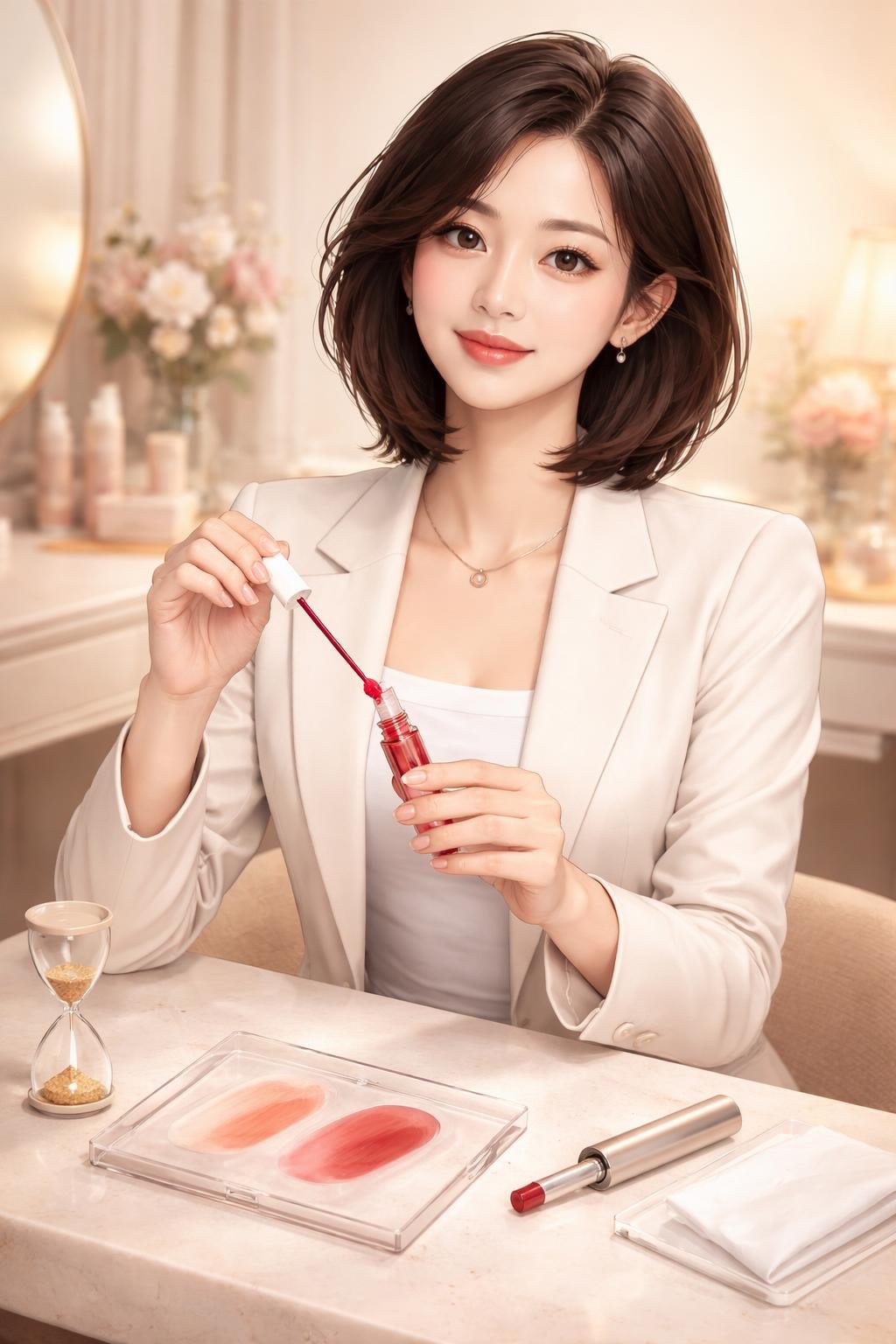
- Final practical reminder: An original AI-generated visual placed after the FAQ sequence to reinforce thin-layer application, current-label checks, and individual variation.
All five visuals are illustrative. They do not depict verified products, real packaging, guaranteed results, clinical outcomes, or real events.
Disclaimer
This article provides general educational information and is not medical advice, diagnosis, or treatment. Cosmetic formulations, ingredients, labels, availability, and prices can change, and individual skin and lip responses vary. Verify current product information with the official manufacturer and consult an appropriate healthcare professional about significant or persistent irritation, discomfort, or other concerns. AI-generated images are illustrative and may not accurately represent actual products, packaging, ingredients, application results, or clinical outcomes.