
Introduction
Centella asiatica in Korean skincare appears in products ranging from lightweight toners to creams. Often marketed with the shorthand name “cica,” this plant ingredient and its derived components are commonly associated with calming-focused cosmetic formulas. However, a Centella label does not tell you everything about a product’s concentration, supporting ingredients, texture, or suitability for your skin.
This beginner’s guide explains what Centella asiatica is, how extracts and related components can appear in formulas, where different product types fit into a routine, and how to check labels and introduce a product cautiously. It also separates manufacturer descriptions and traditional-use context from evidence about a finished cosmetic product.
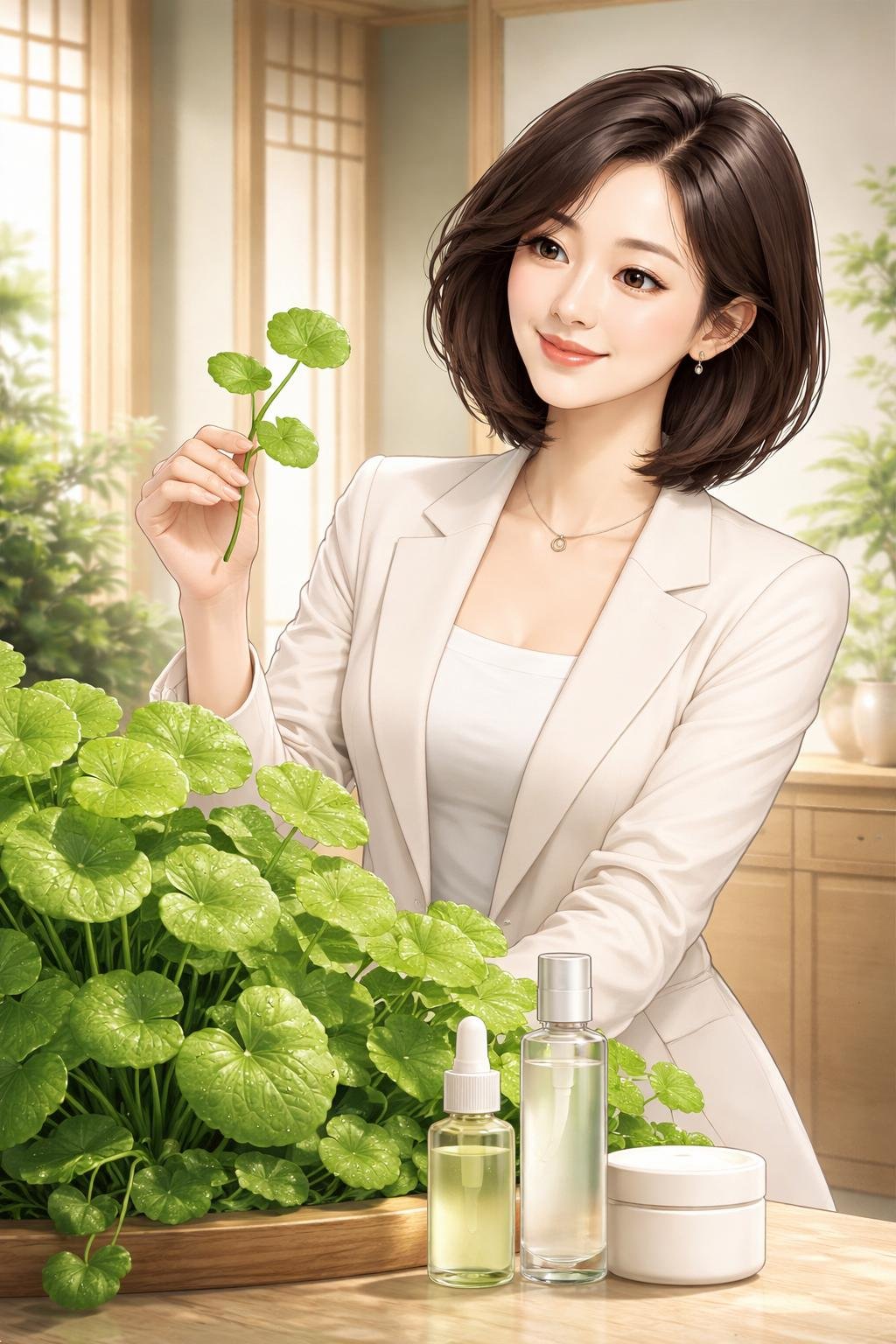
Educational visual 1: An illustrated ingredient overview introduces the Centella plant, common label terms, and the difference between a plant-derived ingredient and a complete skincare formula.
Quick Guide
| Question | Beginner answer |
|---|---|
| What is it? | Centella asiatica is a plant used as a source of cosmetic extracts and components such as madecassoside and asiaticoside. |
| Where can it appear? | It may be found in toners, serums, creams, eye creams, and other cosmetic formats. |
| Where does it go in a routine? | Follow the product directions and generally apply products from lighter to heavier textures. |
| What should you check? | Read the complete ingredient list, directions, warnings, and current manufacturer information. |
| Does “cica” guarantee a particular formula? | No. It is a common marketing shorthand, but the exact Centella ingredient, concentration, and supporting formula can differ. |
A front label can highlight Centella even though the complete formula contains many other ingredients. Product format, extraction method, fragrance components, preservatives, solvents, and other supporting ingredients can all affect how a product feels and how an individual responds.
What Is Centella Asiatica?
Centella asiatica is a plant used in cosmetic formulations. Skincare labels may list a Centella extract, a plant-derived component, or several related ingredients. “Cica” is a widely used skincare term associated with Centella, but it is not a precise substitute for reading the formal ingredient list.
Relevant Centella-derived components include madecassoside, asiaticoside, madecassic acid, and asiatic acid. A formula may contain one or more of these components, a broader Centella extract, or a combination of both.
Traditional use and cosmetic marketing provide cultural and product context, but they do not by themselves prove how every finished product will perform. Results cannot be inferred from the plant name alone because finished formulas use different ingredient combinations, concentrations, extraction processes, and delivery systems.
Centella Product Types, Extracts, and Formulations
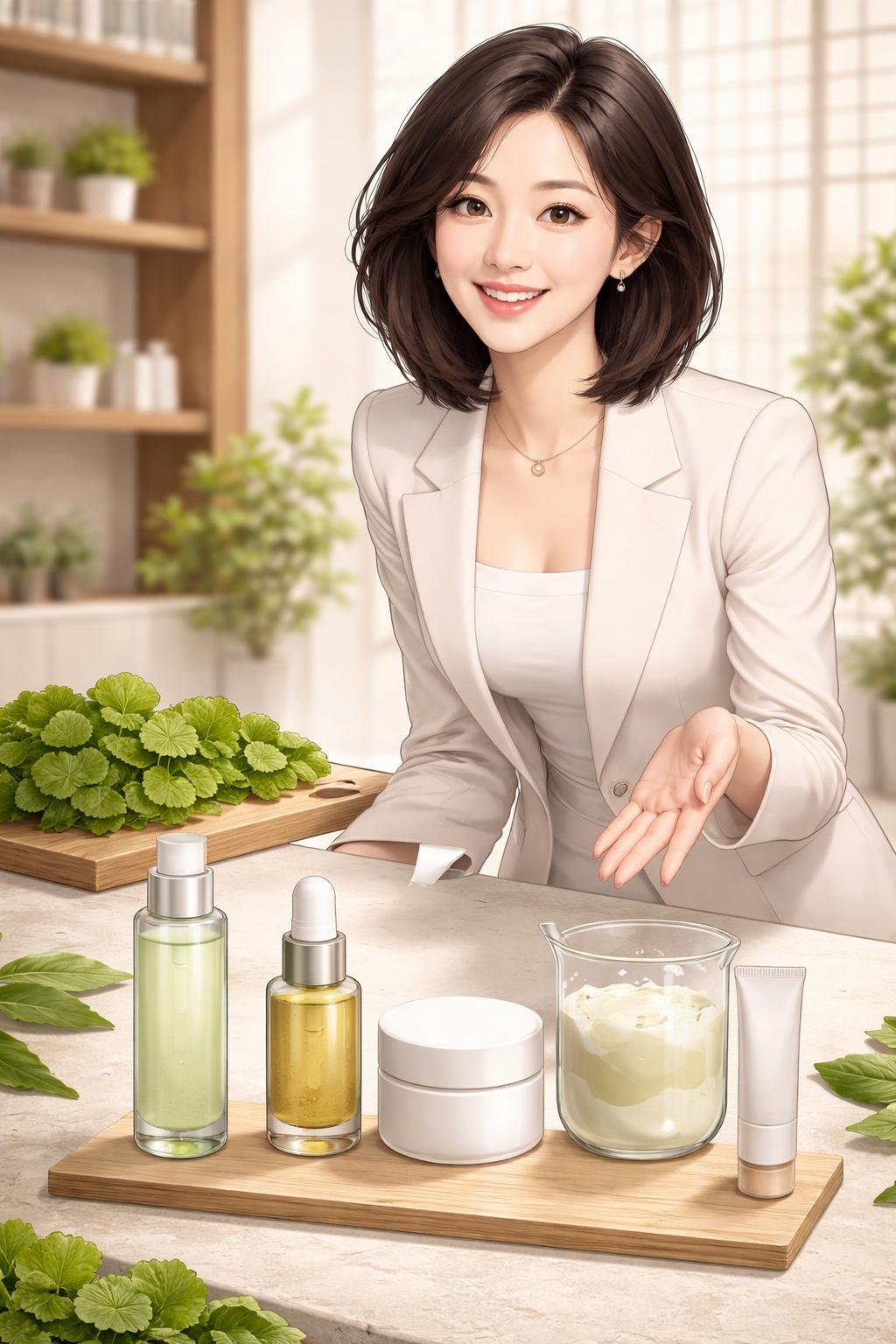
Centella can be incorporated into several product formats. The best format for a routine depends on the complete formula and the role the product is meant to play.
| Product type | Typical routine role | What to check |
|---|---|---|
| Toner | A lightweight step generally used after cleansing. | Application directions, supporting ingredients, and whether the formula is leave-on or rinse-off. |
| Serum | A concentrated-feeling, targeted routine step used before heavier moisturizers. | The exact Centella ingredients, stated concentration where disclosed, and the rest of the formula. |
| Cream | A moisturizing step that helps complete a routine. | Texture, emollient ingredients, fragrance components, and suitability for personal preferences. |
| Eye cream | A product formulated for use around the eye area according to its directions. | Placement instructions and warnings about direct eye contact. |
Extracts and isolated components
“Centella asiatica extract” generally refers to material extracted from the plant. Madecassoside, asiaticoside, madecassic acid, and asiatic acid are more specific Centella-related components. Their presence does not make two products equivalent because the formula surrounding them still matters.
Verified manufacturer example
Example: Purito Seoul’s product page states that its Wonder Releaf Centella Serum contains Centella asiatica extract at 34,685 ppm. The page also lists Centella callus extracellular vesicles, madecassoside, asiaticoside, madecassic acid, and asiatic acid. Purito describes low-temperature extraction, a CICASOME delivery system, and TECA enriched with four Centella actives.
Those details apply to the product information disclosed on that manufacturer page. They should not be generalized to all Centella serums, and the manufacturer’s performance descriptions should not be treated as independent clinical proof. Extraction methods, delivery systems, concentrations, and supporting ingredients vary among products.
Educational visual 2: A formulation chart compares a toner, serum, cream, and eye cream while distinguishing Centella extract, named Centella-derived components, and the complete formula.
How to Use Centella Asiatica in a Skincare Routine
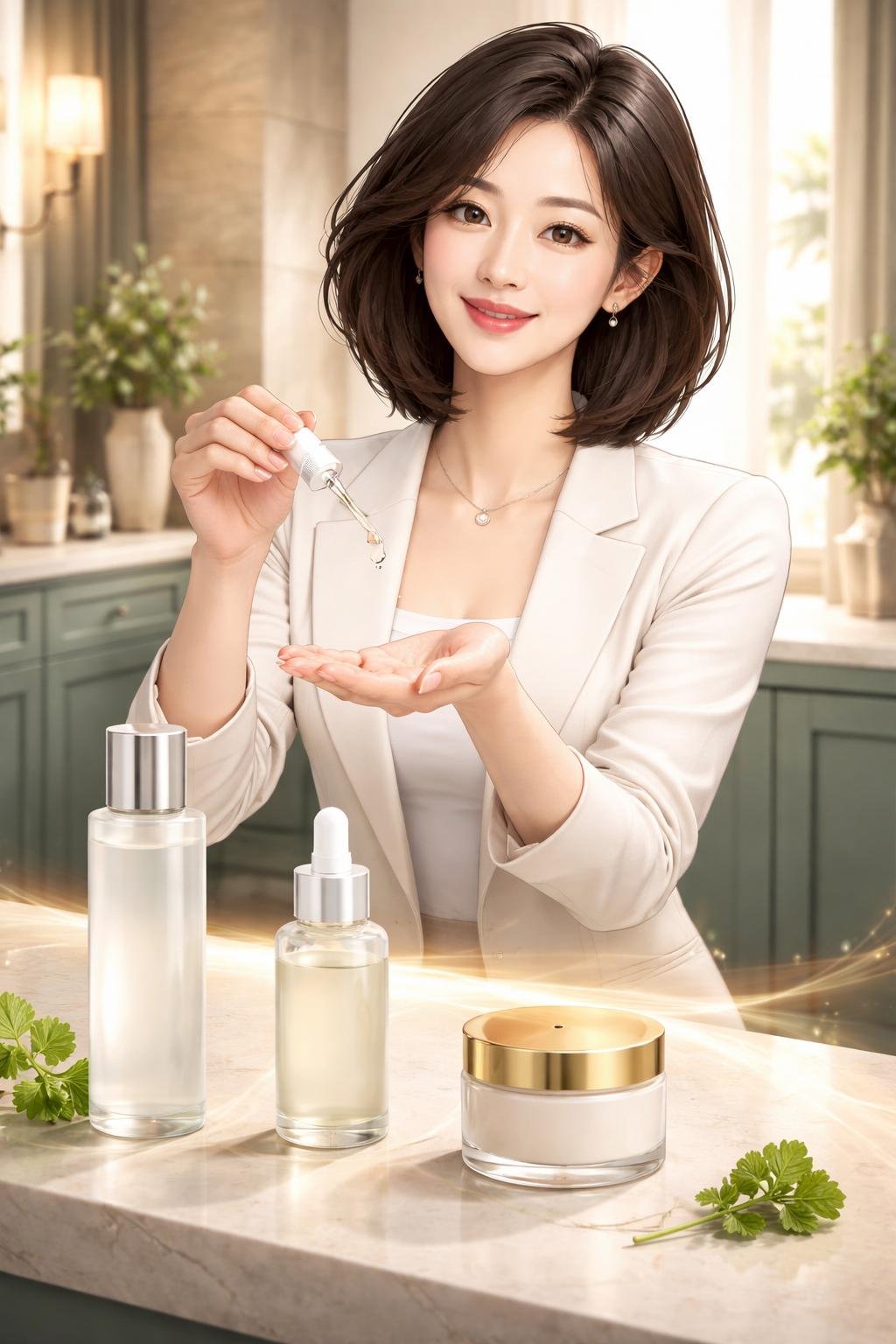
Use a Centella product according to its own directions rather than following one universal rule. Application can differ depending on whether the product is a toner, serum, cream, eye product, or another format.
- Cleanse the skin with a suitable cleanser.
- Apply a lightweight toner if it is part of the routine.
- Apply a Centella serum or another lightweight leave-on treatment according to its label.
- Follow with a moisturizer or Centella cream where appropriate.
- During a daytime routine, finish with an appropriate sunscreen.
This lighter-to-heavier order is a practical general guide, not a replacement for manufacturer directions. Some formulas may have specific placement or application instructions.
Frequency and introduction
Check the stated frequency on the label. When adding a new product, introduce it separately rather than changing several steps at once. This makes it easier to notice whether the product suits your skin.
Using a Centella toner, serum, and cream together is not automatically necessary. Multiple products may repeat similar ingredients while also exposing the skin to more supporting ingredients. A beginner can select one format that fills a clear routine need before considering another.
Educational visual 3: A simple routine-order illustration places toner, serum, cream, and daytime sunscreen from lighter to heavier steps without suggesting guaranteed results.
How to Choose a Centella Product Safely
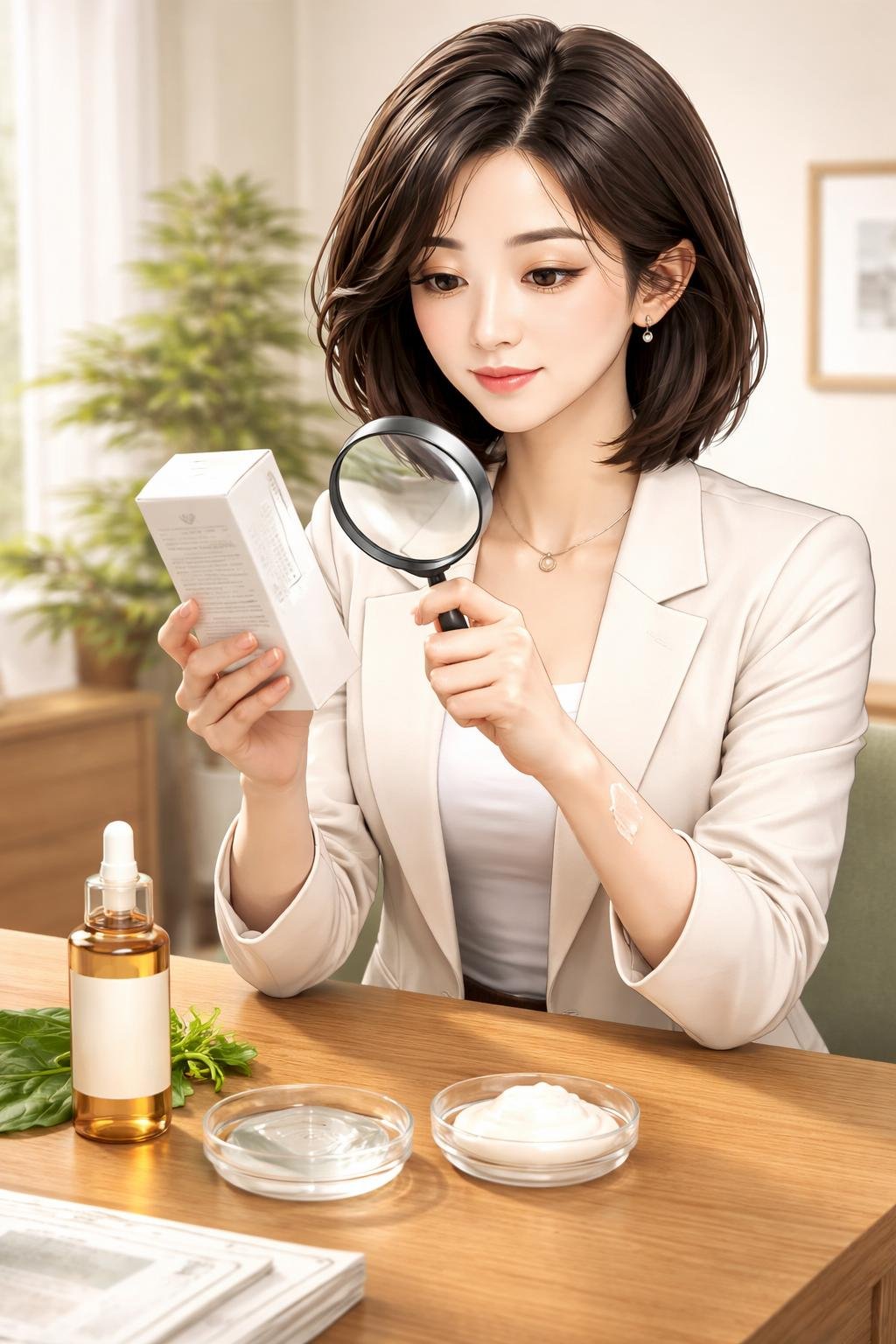
Read beyond the front label
Find the complete ingredient list and identify whether the product contains Centella asiatica extract, specific derivatives, or both. Also review the rest of the formulation for ingredients you already know you prefer or avoid.
Verify the current label and directions through the official manufacturer, especially when buying from a listing that may show older packaging. Cosmetic formulations, names, labels, and availability can change.
Choose a practical format
A lightweight toner or serum may suit someone who already has a moisturizer, while a cream may make more sense for someone seeking a moisturizing step. Selection should be based on the product’s complete purpose and texture rather than the Centella name alone.
Introduce the product cautiously
Consider patch testing the product on a small area as directed or as advised by an appropriate professional. Patch testing cannot guarantee that irritation will never occur, but it may help identify an immediate unwanted response before broader use.
Centella products can still cause discomfort or irritation because individual responses vary and the formula contains more than one ingredient. Stop using a product if a concerning response develops. Significant or persistent skin concerns warrant advice from an appropriate healthcare professional rather than self-diagnosis through a cosmetic label.
The Cosmetic Ingredient Review page listed in the references identifies a safety assessment concerning Centella asiatica-derived ingredients used in cosmetics. Its existence should not be interpreted as proof that every finished Centella product is suitable for every person.
Educational visual 4: A label-check checklist highlights the ingredient list, manufacturer directions, warnings, patch testing, and introducing only one new product at a time.
Centella Asiatica in Korean Beauty Culture
Beauty of Joseon identifies Centella asiatica as one of its traditional Hanbang skincare ingredients. Hanbang in Korean beauty commonly refers to the use or interpretation of ingredients associated with traditional Korean herbal practices in modern cosmetic products. The brand also describes Centella as soothing and calming, but these are manufacturer statements rather than independent proof about every formula.
Purito Seoul describes Centella as traditionally used in Korea for wound recovery and valued in skincare for calming and soothing purposes. The company also states that its Centella is harvested across varied Korean terrain and processed using low-temperature extraction. Traditional-use descriptions offer cultural background; they should not be read as a medical recommendation or treatment claim for a cosmetic.
Purito’s ingredient overview shows that the brand uses Centella in toners, serums, creams, and eye creams, including unscented products. This illustrates the variety of formats available in Korean skincare, not a rule that Korean Centella products share the same formula, origin, concentration, or effect.
K-Nana Beauty Guide
Fictional educational example: Nana is a fictional beauty guide helping a beginner compare three Centella formats. She does not review the products or predict results.
First, Nana checks the current official labels for a toner, serum, and cream. She notes the exact Centella ingredient or derivative, the complete ingredient list, the directions, and any warnings rather than comparing only the front-label word “cica.”
Next, she identifies the routine gap. Because the beginner already has a cleanser and moisturizer but wants one lightweight step, Nana uses the serum format as an example of the most direct fit. This is a fictional selection exercise, not a claim that a serum is best for everyone.
Nana places the example serum after cleansing and any lightweight toner but before moisturizer, subject to its manufacturer directions. She suggests introducing that one product without simultaneously adding the Centella toner and cream. The beginner can then monitor comfort and discontinue use if an unwanted response appears.
Frequently Asked Questions
1. Do Centella and cica refer to the same skincare concept?
They are closely related in skincare language. “Cica” is commonly used as shorthand for Centella-focused products, but it is a marketing term rather than a complete ingredient-list description. Check whether the formula contains Centella asiatica extract, specific Centella-derived components, or a blend.
2. Does Centella suit every skin type?
No ingredient or finished cosmetic can be assumed to suit everyone. Skin responses vary, and a product includes supporting ingredients beyond Centella. Review the full formula and introduce it cautiously.
3. Can I use several Centella products together?
Several products can sometimes be layered if their directions and formulas are compatible, but duplication is not automatically beneficial. Starting with one product makes the routine simpler and helps you monitor your individual response.
4. Where does a Centella serum belong in a routine?
A serum generally goes after cleansing and lightweight toner steps but before moisturizer. Follow the directions for the specific serum because texture and intended use can differ.
5. Does a higher stated Centella concentration automatically make a product better?
No. A stated concentration is only one formulation detail. The type of extract, named derivatives, supporting ingredients, product stability, texture, directions, and personal suitability also matter.
Final Takeaway
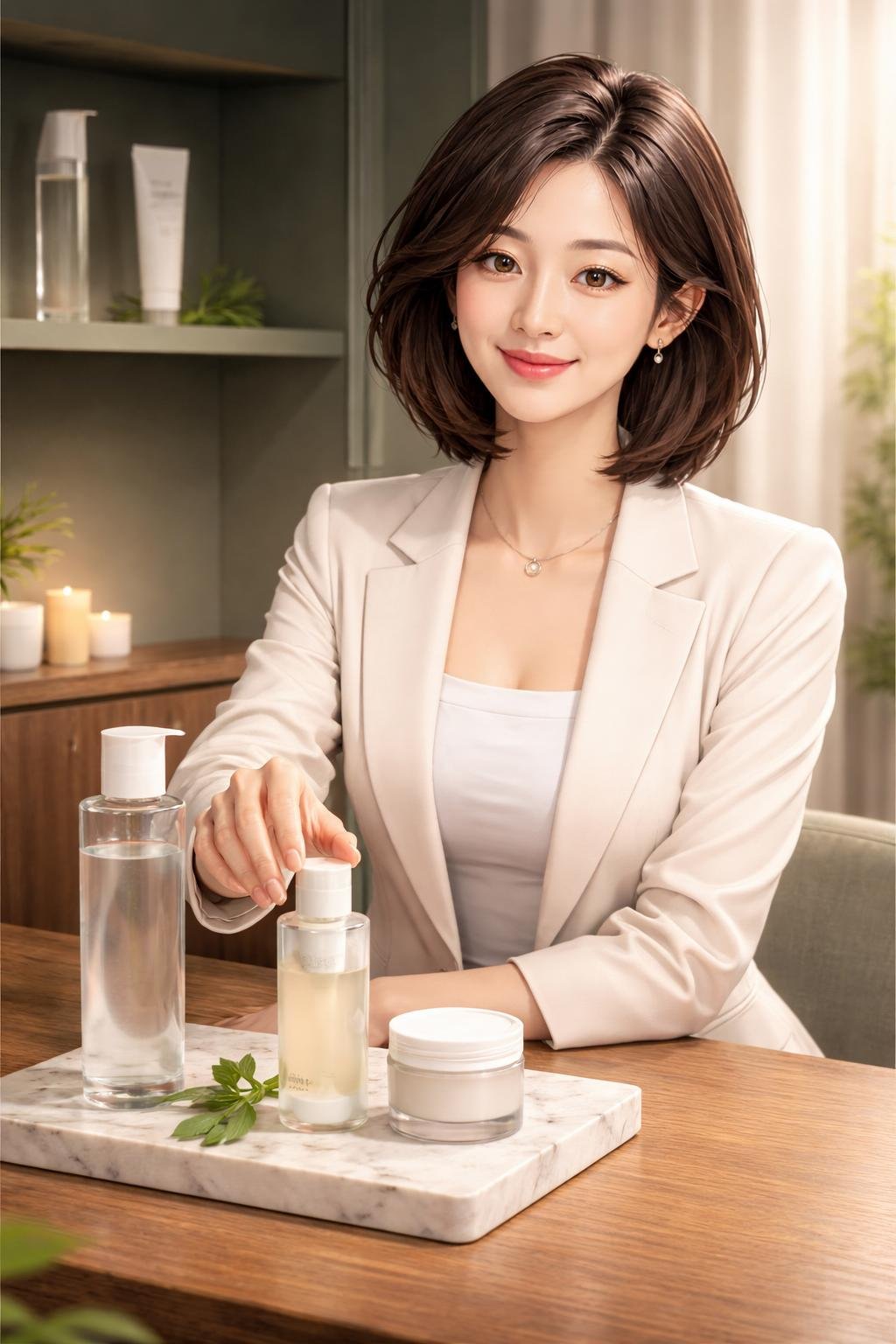
When choosing Centella asiatica in Korean skincare, identify the exact extract or derivative instead of relying only on “cica” marketing. Assess the complete formulation, select a format with a clear role in your routine, and follow the product’s directions.
Introduce one product cautiously, pay attention to your individual response, and verify current ingredient and product information with the official manufacturer. Traditional context and brand descriptions can help explain how Centella is presented, but they do not guarantee the performance or suitability of a finished cosmetic.
Educational visual 5: A final reminder combines three practical steps: check the current label, place the chosen format correctly in the routine, and monitor the skin after cautious introduction.
Image Credits
- Ingredient overview: Original AI-generated educational illustration of the Centella plant, common skincare terminology, and the complete-formula concept.
- Products and formulations: Original AI-generated chart showing generic toner, serum, cream, and eye-cream formats alongside extract and derivative labels.
- Routine order: Original AI-generated educational sequence showing lighter-to-heavier skincare steps and daytime sunscreen placement.
- Label and safety checks: Original AI-generated checklist covering official labels, full ingredient lists, directions, patch testing, and cautious introduction.
- Final practical reminder: Original AI-generated summary graphic about checking the label, selecting one useful format, and monitoring individual response.
All five visuals are illustrative. They do not depict actual products, packaging, clinical outcomes, application results, or real events.
References
- Manufacturer product information: Wonder Releaf Centella Serum | Purito Seoul — https://purito.com/product/wonder-releaf-centella-serum/
- Manufacturer ingredient information: Ingredients
– Beauty of Joseon — https://ca.beautyofjoseon.com/pages/ingredients
- Manufacturer ingredient overview: Centella Asiatica | Purito Seoul — https://purito.com/ingredient/centella-asiatica/
- Independent safety-assessment context: Safety Assessment of Centella asiatica-derived Ingredients as Used in Cosmetics | Cosmetic Ingredient Review — https://www.cir-safety.org/supplementaldoc/safety-assessment-centella-asiatica-derived-ingredients-used-cosmetics-1
Disclaimer
This article provides general educational information and is not medical advice, diagnosis, or treatment. Cosmetic formulations, ingredients, labels, availability, and prices can change, and individual skin responses vary. Verify current product details, directions, and warnings with the official manufacturer. Consult an appropriate healthcare professional about significant or persistent skin concerns. AI-generated images are illustrative and may not accurately represent actual products, packaging, ingredients, application results, or clinical outcomes.