
Gwangalli Beach is one of Busan’s most recognizable waterfront destinations, combining a sandy urban beach with cafés, restaurants, nightlife, ocean views, and a direct panorama of Gwangandaegyo Bridge. The bridge stretches across the water in front of the beach, giving Gwangalli a distinctive city-and-sea landscape that changes dramatically between day and night.
For first-time visitors to Busan, Gwangalli offers a different experience from Haeundae. The beach feels closely connected to its surrounding streets, cafés, restaurants, and evening culture, while the illuminated bridge becomes the visual centerpiece after sunset.
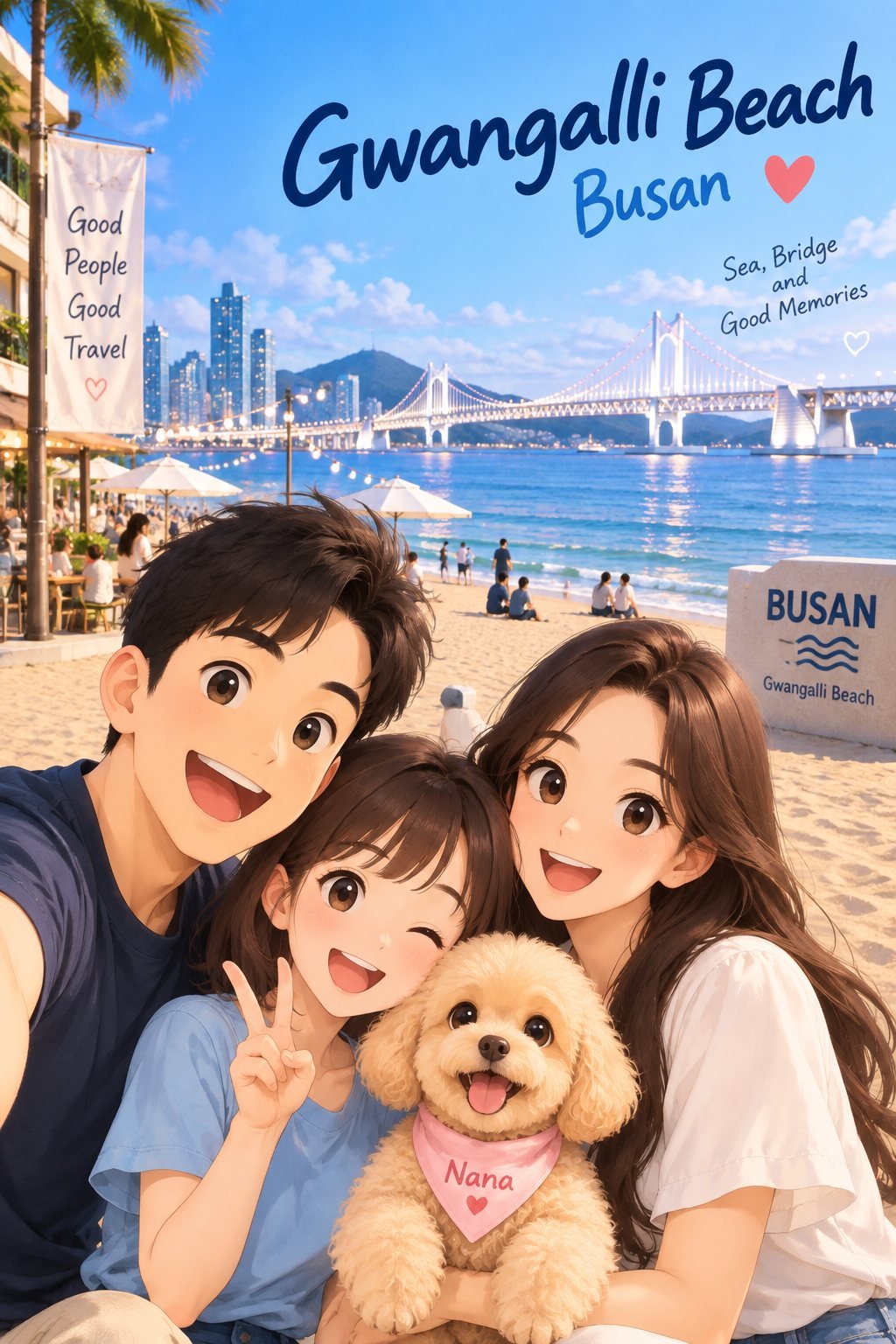
Gwangalli Beach combines Busan’s seaside atmosphere with one of the city’s most recognizable bridge views.
Quick Guide
| Location | Suyeong-gu, Busan |
| Best for | Beach walks, Gwangandaegyo views, cafés, photography, food, nightlife, modern Busan |
| Recommended time | About 3–5 hours |
| Nearest subway | Gwangan Station |
| Admission | General access to the beach is free |
| Good to combine with | Beachfront cafés, restaurants, nearby coastal areas, evening bridge views, and other eastern Busan attractions |
What Is Gwangalli Beach?
Gwangalli Beach is an urban beach in Suyeong-gu facing the waters around Gwangandaegyo Bridge. Its sandy shoreline is backed by a dense neighborhood of cafés, restaurants, accommodation, shops, and entertainment businesses.
The relationship between the beach and the city is an important part of Gwangalli’s character. Visitors can walk beside the water, move into the surrounding streets for coffee or food, and return to the beach without traveling far.
The atmosphere also changes considerably throughout the day. Daytime emphasizes the sea, sand, and bridge panorama, while evening brings illuminated buildings, reflections across the water, and a livelier waterfront mood.
Gwangandaegyo Bridge
Gwangandaegyo Bridge, also widely known as Gwangan Bridge, is the defining landmark seen from Gwangalli Beach. Stretching across the water, its large scale creates a dramatic background for the entire beachfront.
During daylight, the bridge forms part of the wider coastal landscape alongside the sea, surrounding hills, and Busan skyline. After dark, illumination makes the bridge much more prominent and creates colorful reflections across the water.
Lighting patterns and special displays can vary according to date, season, events, weather, and operating conditions. Visitors planning a trip specifically for a particular display should check current information before visiting.
Why Visit?
- See one of Busan’s most recognizable views of Gwangandaegyo Bridge.
- Walk along a sandy urban beach with cafés and restaurants close by.
- Experience the waterfront during both daylight and nighttime.
- Photograph the bridge, ocean, skyline, and changing reflections on the water.
- Enjoy cafés, local food, restaurants, and Busan’s evening atmosphere.
- Experience a younger and more social side of the city’s coastal culture.
- Combine beach scenery with modern urban life in one compact area.
Walking Gwangalli Beach
Walking along the waterfront is one of the easiest ways to experience Gwangalli. The beach provides an open view toward Gwangandaegyo Bridge, while the surrounding streets remain close enough for convenient café, restaurant, and shopping stops.
A relaxed walk allows visitors to see how the view changes from different positions along the shoreline. Moving even a short distance can change the relationship between the bridge, sea, buildings, beach, and surrounding hills.
Late afternoon is particularly useful for visitors who want to experience several atmospheres during one trip. You can begin with a daytime beach walk, stop for food or coffee, and return to the waterfront as the bridge lights become more visible.
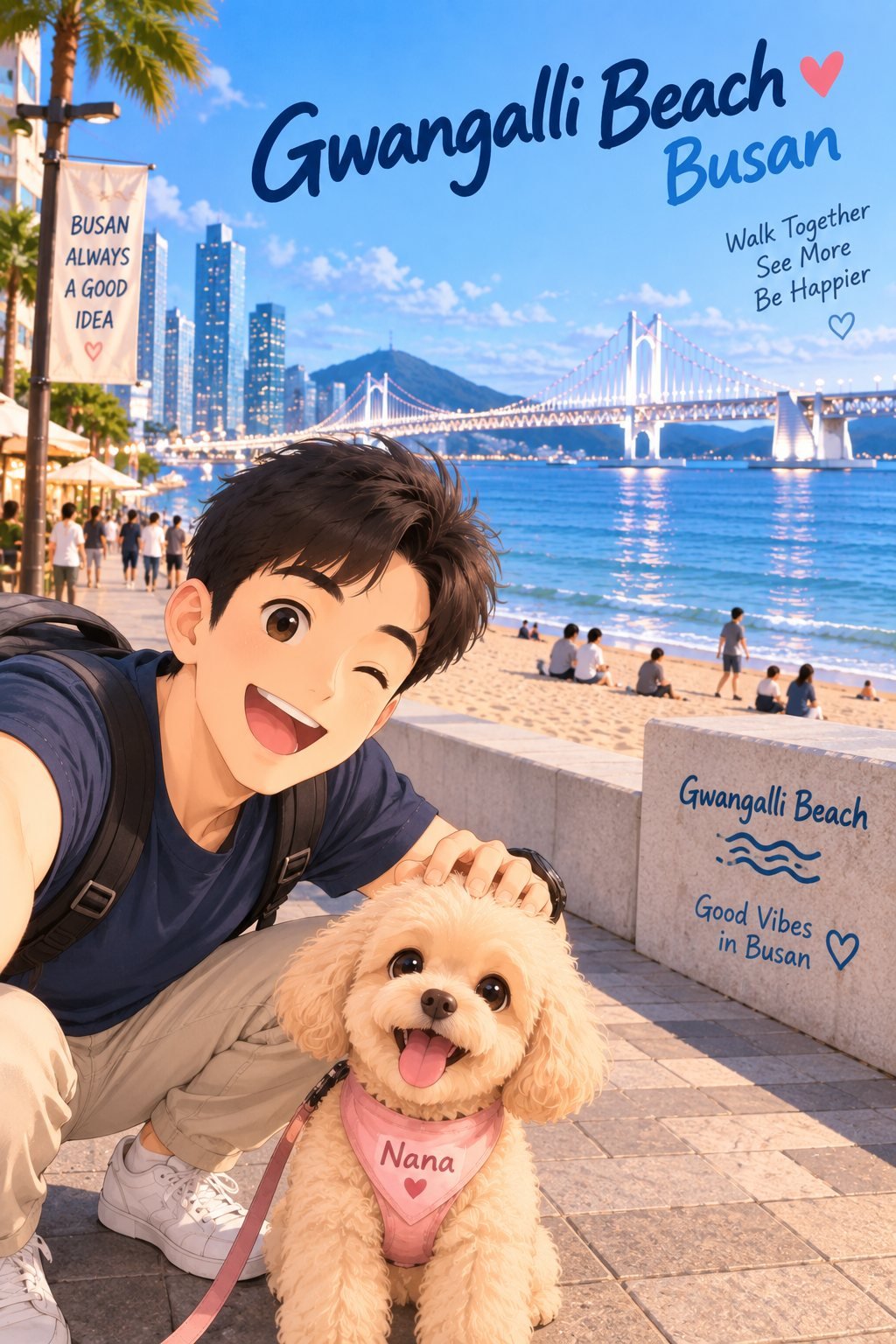
A waterfront walk provides changing views of Gwangandaegyo Bridge, the sea, and Busan’s urban coastline.
Ocean-View Cafés
Gwangalli is especially popular for cafés because the beach and Gwangandaegyo Bridge create a memorable waterfront backdrop. Cafés can be found throughout the streets facing or surrounding the beach, giving visitors an easy place to rest between walks and sightseeing.
Some locations provide direct views of the bridge and ocean, while others focus more on desserts, specialty coffee, interior design, or a quieter atmosphere away from the busiest sections of the waterfront.
Views, menus, seating arrangements, and operating hours vary by business. If a particular bridge view, terrace, or window seat is important to your visit, check current information before traveling.

Ocean-view cafés offer a relaxed way to enjoy Gwangalli Beach and Gwangandaegyo Bridge between walks along the waterfront.
Gwangalli & Busan K-Culture
Gwangalli combines Busan’s coastal identity with a youthful urban atmosphere. The streets around the beach contain cafés, restaurants, bars, music, fashion, small shops, and changing cultural spaces that become particularly active later in the day.
The beachfront itself also functions as a social space. Visitors and local residents gather to walk, take photographs, meet friends, enjoy the sea, and watch the bridge as the surrounding city begins to light up.
Seasonal events, performances, pop-ups, and other cultural activities can add to the atmosphere, but schedules and locations change. Check current information when a particular event is an important part of your visit.

Cafés, food, music, nightlife, and the waterfront reveal a youthful side of contemporary Busan culture.
Food & Evening Culture
Food is easy to include in a Gwangalli visit because restaurants and casual dining options are concentrated around the beachfront and nearby streets.
Visitors can find Korean food, seafood, cafés, desserts, and many other dining choices throughout the wider neighborhood. The area becomes increasingly lively toward evening as people arrive for dinner, drinks, beach walks, and nighttime bridge views.
Individual restaurants and cafés can change over time, so menus, prices, reservations, and opening hours should be checked directly when a specific business is important to your itinerary.
Photography at Gwangalli
Gwangalli is one of Busan’s most visually distinctive waterfront areas because Gwangandaegyo Bridge remains visible across much of the beach.
During the day, photographs can emphasize the blue sea, sandy shoreline, bridge structure, surrounding mountains, and city skyline. Around sunset, changing sky colors create a natural transition toward the illuminated nighttime landscape.
After dark, bridge lighting and city lights reflect across the water, creating a very different scene from daytime. Moving along the beach can also change the angle and apparent scale of the bridge considerably.
Popular waterfront locations can become crowded during evenings, weekends, festivals, and special events. Avoid blocking pedestrian routes and give other visitors enough space when taking photographs.
Gwangalli vs Haeundae
Gwangalli Beach and Haeundae Beach are both major Busan waterfront destinations, but their visual identities and surrounding atmosphere are different.
Haeundae combines a broad sandy coastline with a dramatic high-rise skyline, hotels, shopping, restaurants, cafés, and a large modern beach district.
Gwangalli is strongly defined by its direct view of Gwangandaegyo Bridge and the cafés, restaurants, nightlife, and social atmosphere immediately surrounding the waterfront.
First-time visitors do not necessarily need to choose only one. Experiencing both provides two different perspectives on Busan’s modern coastal lifestyle.
Gwangalli After Dark & Drone Show
Gwangalli becomes especially memorable after sunset. As the sky darkens, Gwangandaegyo Bridge, nearby buildings, restaurants, cafés, and waterfront streets begin to illuminate, creating colorful reflections across the water.
The beach is also known for drone light shows held over the waterfront. When scheduled, coordinated drones create changing images, patterns, and messages above the sea, adding another visual attraction to Gwangalli’s nighttime atmosphere.
Drone show schedules, performance times, themes, cancellations, and weather-related changes can vary. Visitors planning a trip specifically for a drone show should always check the latest official schedule before visiting.
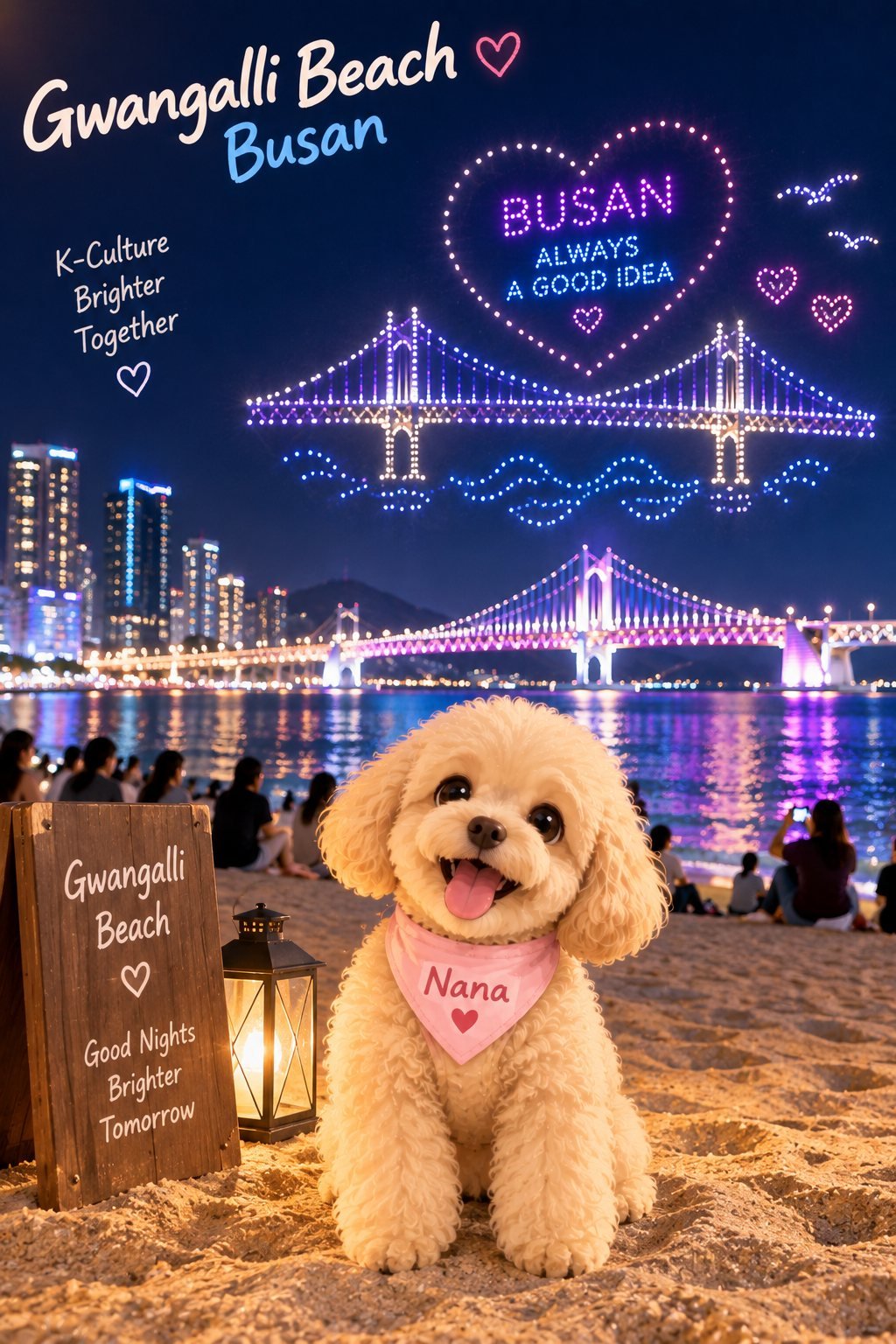
Gwangandaegyo Bridge, city lights, and special nighttime events give Gwangalli a completely different atmosphere after sunset.
Best Time to Visit
Late afternoon through evening is a practical time for first-time visitors because one trip can include the beach in daylight, sunset colors, dinner or coffee, and the illuminated bridge after dark.
Spring and autumn are comfortable for waterfront walks, while summer brings warmer beach weather and larger crowds. Winter can provide a quieter atmosphere, although coastal wind and lower temperatures may make longer outdoor visits less comfortable.
Weekends, holidays, festivals, and special events can make the beachfront significantly busier. Weather conditions can also affect ocean views and outdoor activities.
How Long to Spend
About 3–5 hours works well for many first-time visitors who want to walk along the beach, enjoy a café or meal, take photographs, and remain until the bridge lights become prominent.
A short daytime visit can take considerably less time. Visitors planning dinner, nightlife, photography, a drone show, or a longer café stop may want to spend most of the afternoon and evening in the area.
How to Get There
Gwangan Station is a convenient subway access point for Gwangalli Beach and the surrounding neighborhood.
From the station area, visitors can continue toward the waterfront on foot through the surrounding streets. Navigation apps can help identify the most convenient route for your exact destination along the beach.
Busan covers a large geographical area, so allow sufficient transportation time when combining Gwangalli with attractions in other parts of the city.
First-Time Visitor Tips
- Visit in the late afternoon if you want both daytime and nighttime bridge views.
- Check the weather before planning a visit focused on outdoor activities or photography.
- Check the latest official schedule if seeing a drone show is important to your trip.
- Expect larger crowds during weekends, holidays, festivals, and special nighttime events.
- Wear comfortable shoes if you plan to walk the full beachfront and surrounding streets.
- Check current operating hours and reservation conditions for specific cafés and restaurants.
- Be considerate of other visitors when photographing the bridge from busy waterfront areas.
- Allow enough transportation time when traveling between Gwangalli and other Busan districts.
What to Do Nearby
- Gwangandaegyo Bridge views — the defining panorama of Gwangalli and especially impressive after sunset.
- Gwangalli beachfront cafés — coffee, desserts, and waterfront views throughout the surrounding streets.
- Millak waterfront area — another coastal area near Gwangalli with sea views and local dining options.
- Suyeong district — local streets, restaurants, cafés, and neighborhoods beyond the immediate beachfront.
- Haeundae Beach — Busan’s major modern beach district with a high-rise skyline, food, cafés, shopping, and nightlife.
- Gamcheon Culture Village — colorful hillside streets, local history, public art, viewpoints, and another side of Busan culture.
- Haedong Yonggungsa Temple — Korean Buddhist culture, traditional architecture, and dramatic seaside scenery.
Busan K-Culture Connection
Gwangalli shows how Busan’s contemporary culture is closely connected with its waterfront. The beach is not separated from everyday city life; cafés, restaurants, music, nightlife, photography, events, and social gatherings extend directly toward the sea.
Gwangandaegyo Bridge gives the neighborhood a visual identity that becomes particularly strong after dark. Combined with changing events and the youthful atmosphere around the beach, it creates a modern Busan experience that differs from both Haeundae Beach and Gamcheon Culture Village.
Together, Haeundae, Gamcheon, and Gwangalli begin to show international visitors three distinct sides of Busan: a modern high-rise beach district, a historic hillside cultural neighborhood, and a social waterfront centered around one of the city’s most recognizable nighttime landmarks.
FAQ
Is Gwangalli Beach free to visit?
Yes. General access to Gwangalli Beach is free. Individual cafés, restaurants, activities, rentals, events, and other facilities may have separate charges.
What is Gwangalli Beach known for?
Gwangalli Beach is known for its sandy waterfront, direct views of Gwangandaegyo Bridge, ocean-view cafés, restaurants, nightlife, photography, and lively evening atmosphere. The illuminated bridge is one of the area’s most recognizable sights.
Which subway station is best for Gwangalli Beach?
Gwangan Station is a convenient subway access point for Gwangalli Beach. From the station area, visitors can continue toward the waterfront on foot using a current navigation app for their preferred section of the beach.
How long should I spend at Gwangalli Beach?
About 3–5 hours works well for many first-time visitors. A shorter visit can focus on the beach and bridge views, while cafés, restaurants, photography, nightlife, and special events can extend the visit through the evening.
When is the best time to visit Gwangalli Beach?
Late afternoon through evening is a practical choice because visitors can experience the beach in daylight, changing sunset colors, and Gwangandaegyo Bridge after dark. Weather, season, and crowd levels can affect the experience.
Can I see a drone show at Gwangalli Beach?
Drone light shows may be held over the Gwangalli waterfront, but schedules, performance times, themes, cancellations, and weather-related changes can vary. Check the latest official information before visiting if the drone show is an important part of your trip.
Related K-Nana Guides
Continue exploring Busan with Haeundae Beach for ocean scenery, a modern high-rise skyline, cafés, food, and nightlife, Gamcheon Culture Village for colorful hillside streets, public art, local history, and viewpoints, Haedong Yonggungsa Temple for Korean Buddhist culture beside the sea, Taejongdae Park for forests, coastal cliffs, lighthouse scenery, and open ocean views, and BUSAN X the SKY & Green Railway for panoramic Haeundae views and coastal walking.
Official Information
Gwangalli Beach is a public coastal destination, while nearby cafés, restaurants, shops, accommodations, recreational facilities, events, and other businesses operate under their own schedules and conditions. Gwangandaegyo Bridge lighting, drone shows, performances, festivals, swimming periods, beach facilities, safety rules, operating hours, transportation conditions, and access restrictions can change according to season, weather, events, and local management. Check current official information when a particular event, drone show, activity, restaurant, or seasonal experience is important to your visit.
Image Credits
Gwangalli Beach and Gwangandaegyo Bridge family travel visual — K-Nana Studio original visual.
Gwangalli Beach walk and Gwangandaegyo Bridge with Dad and Nana visual — K-Nana Studio original visual.
Gwangalli ocean-view café with Mom and Nana visual — K-Nana Studio original visual.
Gwangalli K-culture and youthful waterfront atmosphere with K-Nana daughter and Nana visual — K-Nana Studio original visual.
Nana enjoying Gwangandaegyo Bridge and the Gwangalli night scenery visual — K-Nana Studio original visual.