
Understanding Korean Moisturizers
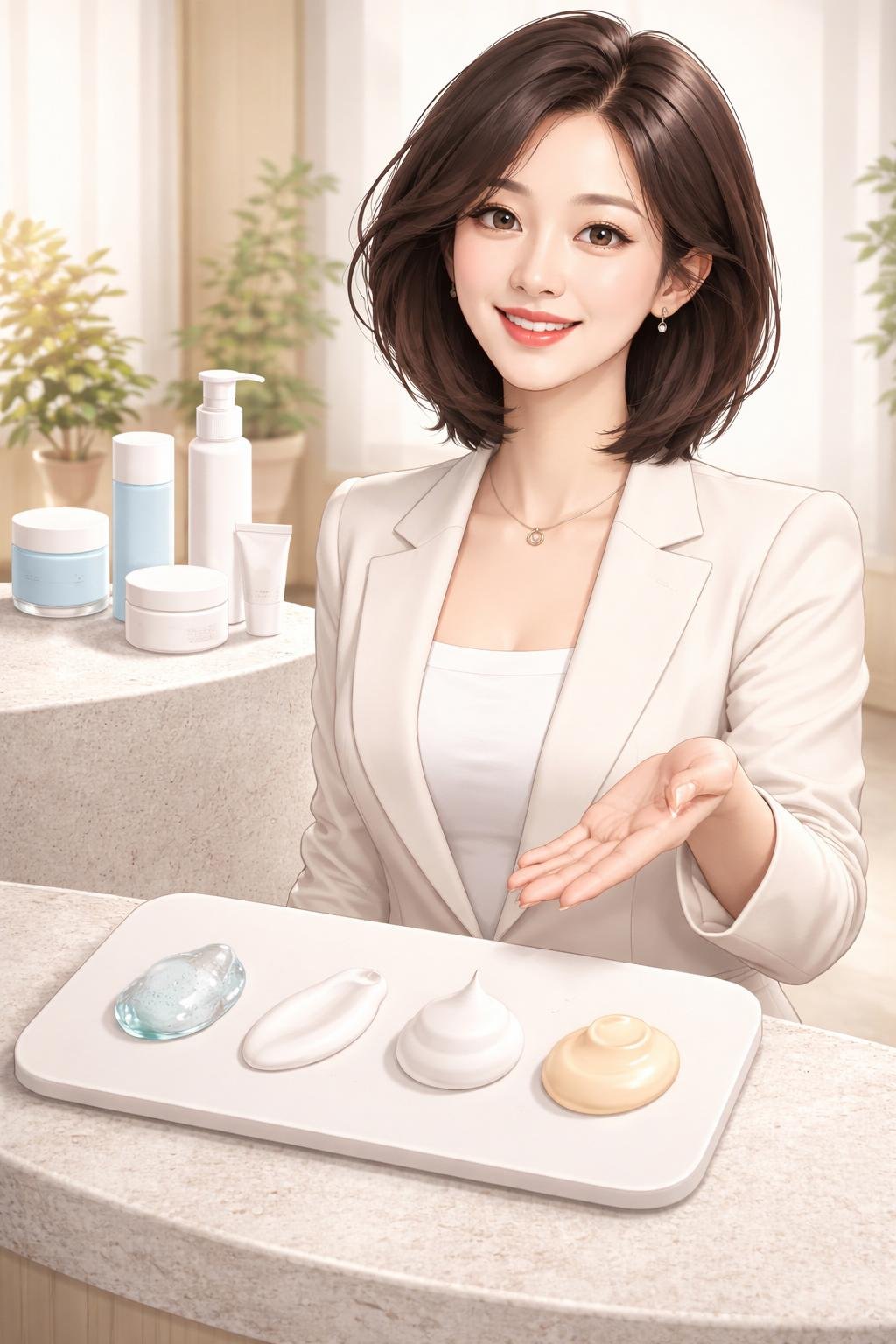
This Korean moisturizer guide explains how to compare products marketed within K-Beauty by formulation, texture, ingredients, and suitability for different skin needs. A Korean moisturizer is not one specific consistency: it may be a lightweight gel, a fluid lotion, a richer cream, or a thick ointment.
Beginners will learn how these types differ, what to consider on an ingredient label, how to select an appropriate texture, and how to apply moisturizer effectively without assuming that one product works for everyone.
Quick Guide
| Type | Typical texture | General selection consideration |
|---|---|---|
| Gel | Lightweight and often water-based | May suit oily skin or people who prefer a lighter finish |
| Lotion | Fluid and lighter than most creams | May suit normal skin or provide moderate moisture |
| Cream | Thicker and richer, with more oil than a lotion | Often considered for dry skin |
| Ointment | Thickest and most occlusive option | May be useful for very dry areas |
Skin type is a starting point rather than a strict rule. Oily skin may prefer a lightweight gel, normal skin may be comfortable with a lotion, and dry skin may benefit from a cream or ointment. Combination skin can sometimes use moisturizer only where it feels dry.
Applying moisturizer to damp skin immediately after showering helps retain water on the skin. Comfort, current skin condition, and individual response should also guide the amount and frequency used.
What Is a Korean Moisturizer?
A moisturizer is a topical cosmetic product used to support skin hydration and reduce moisture loss. Products sold as Korean moisturizers belong to the same broad cosmetic category as moisturizers from other markets, although their names, packaging, textures, and suggested routine steps may differ.
The Korean label or marketing category does not identify a single formula. One product may have a light gel consistency, while another may be a rich cream. Terms such as gel, lotion, cream, and ointment provide more practical information about texture and richness than the country-based marketing category alone.
A moisturizer should therefore be evaluated through its formulation type, current ingredient list, directions, and suitability for the user’s needs rather than through an assumption that all Korean products behave alike.
Moisturizer Types, Textures, and Ingredients
Gels and lotions
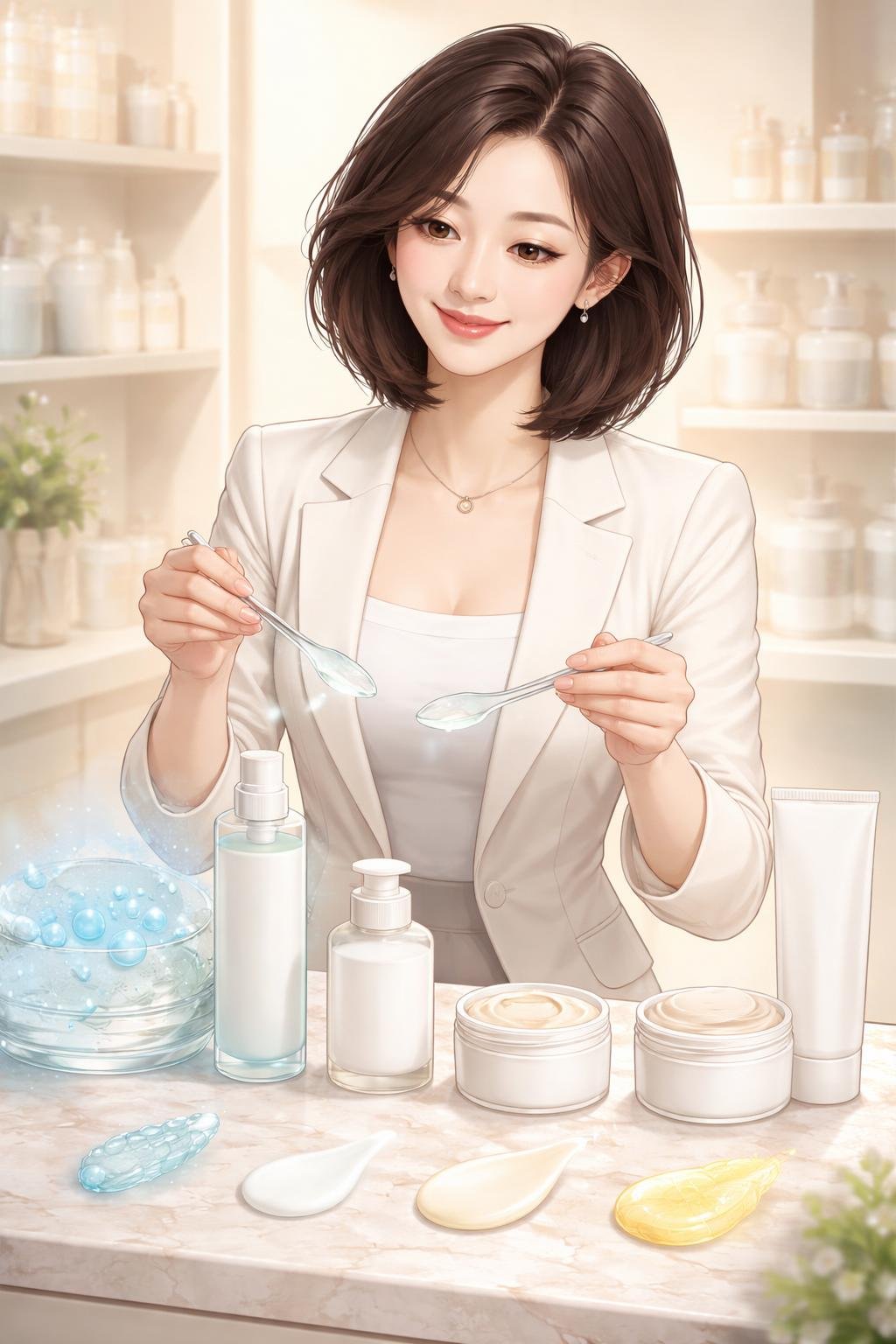
Water-based gels generally feel lighter than lotions. They can appeal to people who dislike a heavy finish, although a light texture does not automatically make every gel suitable for sensitive or oily skin.
Lotions are usually more fluid than creams. They can provide a middle ground for someone who wants more substance than a gel without the richness of a cream.
Creams and ointments
Creams are thicker and generally contain more oil than lotions. Their richer texture can be useful when skin feels dry or when a lighter product does not feel comfortable enough.
Ointments are the thickest option in this comparison and generally retain more moisture than lotions. Because they can feel heavy, some people reserve them for very dry skin or specific dry areas rather than applying them everywhere.
Ingredient-label considerations
Ceramides and hyaluronic acid are relevant ingredients to look for in hydrating formulas. Ceramides are lipids associated with the skin barrier, while hyaluronic acid is used in cosmetics for its water-binding properties. Their presence does not guarantee that a complete formula will suit every person.
Fragrance, alcohol, and alpha-hydroxy acid may aggravate dryness for some people. Anyone with dry or easily irritated skin should assess the complete formula and current label instead of judging a product from one highlighted ingredient.
How to Apply Moisturizer
- Cleanse or shower as appropriate for your routine.
- Leave the skin slightly damp rather than waiting until it feels completely dry.
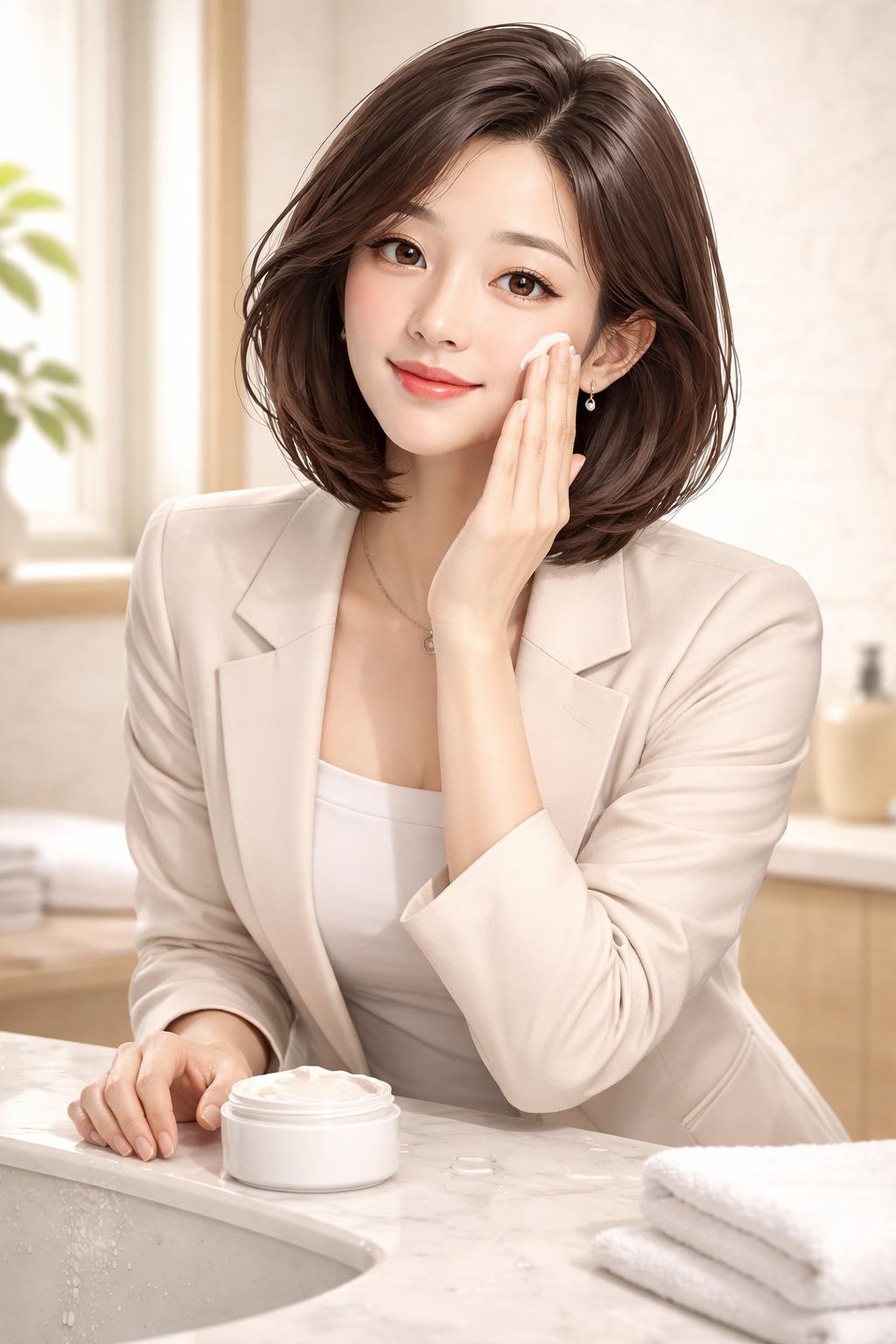
- Apply moisturizer immediately after showering to help trap water on the skin.
- Spread it gently and use enough to cover areas that feel dry.
- Allow the product to settle before adding sunscreen during a daytime routine.
Very dry skin may require generous application more than once during the day. Frequency should be adjusted according to comfort, the product directions, and how the skin responds.
Common mistakes include using too little on dry areas, selecting a texture only because it is popular, or continuing to use a formula that causes discomfort. More product is not always better, and a thick ointment does not need to be applied over areas that are already comfortable.
How to Choose a Moisturizer for Your Skin
Start with current skin needs
- Oily skin: A lightweight gel may feel more comfortable. Some oily skin may not need moisturizer in every situation, so selection should reflect how the skin feels rather than a fixed rule.
- Normal skin: A lotion may provide a balanced starting texture.
- Dry skin: A cream or ointment generally retains more moisture than a lotion.
- Combination skin: Moisturizer can be concentrated on dry areas instead of being applied in the same amount everywhere.
Read the current label
Check the complete ingredient list, directions, warnings, and intended use on the current package or official manufacturer information. Formulas and labels can change, so an older review or product image may no longer describe what is being sold.
For very dry skin, a fragrance-free and non-comedogenic product may be worth considering. “Non-comedogenic” generally indicates that a product is intended not to clog pores, but the term does not guarantee that no user will experience breakouts or irritation.
Consider irritation and individual variation
Stop using a moisturizer if it produces significant discomfort or an unwanted reaction. As a cautious practice, someone concerned about sensitivity can try a small amount on a limited area before broader use, while recognizing that this cannot predict every possible response.
Skin needs may also change with climate, routine, or current dryness. Persistent, significant, or worsening concerns require guidance from an appropriate healthcare professional rather than self-diagnosis through a cosmetic label.
Korean Beauty Context and Shopping Considerations
International shops may group many different formulations under labels such as Korean skincare or K-Beauty moisturizer. This category can help shoppers identify a market or product style, but it does not establish texture, ingredient suitability, or performance.
Shopping terms can also vary. A product presented as a lotion may be more fluid than a cream, but the practical choice should still be based on the actual description, directions, and current ingredient list. Avoid assuming that every Korean routine requires several moisturizing layers or that one texture is universally preferred.
When comparing products, identify the formulation type first, then consider richness, comfort, fragrance, and relevant label details. Verify current information through the official manufacturer, especially when retailer descriptions, translated labels, and older product listings differ.
K-Nana Beauty Guide
Fictional example: Nana is a fictional female beauty guide used to demonstrate a beginner-friendly comparison. She is not reviewing products or reporting personal results.
Nana places four unlabeled sample textures side by side. She identifies the gel as the lightest, the lotion as more fluid than a cream, the cream as richer, and the ointment as the thickest. This comparison helps her understand texture categories without treating them as promises of effectiveness.
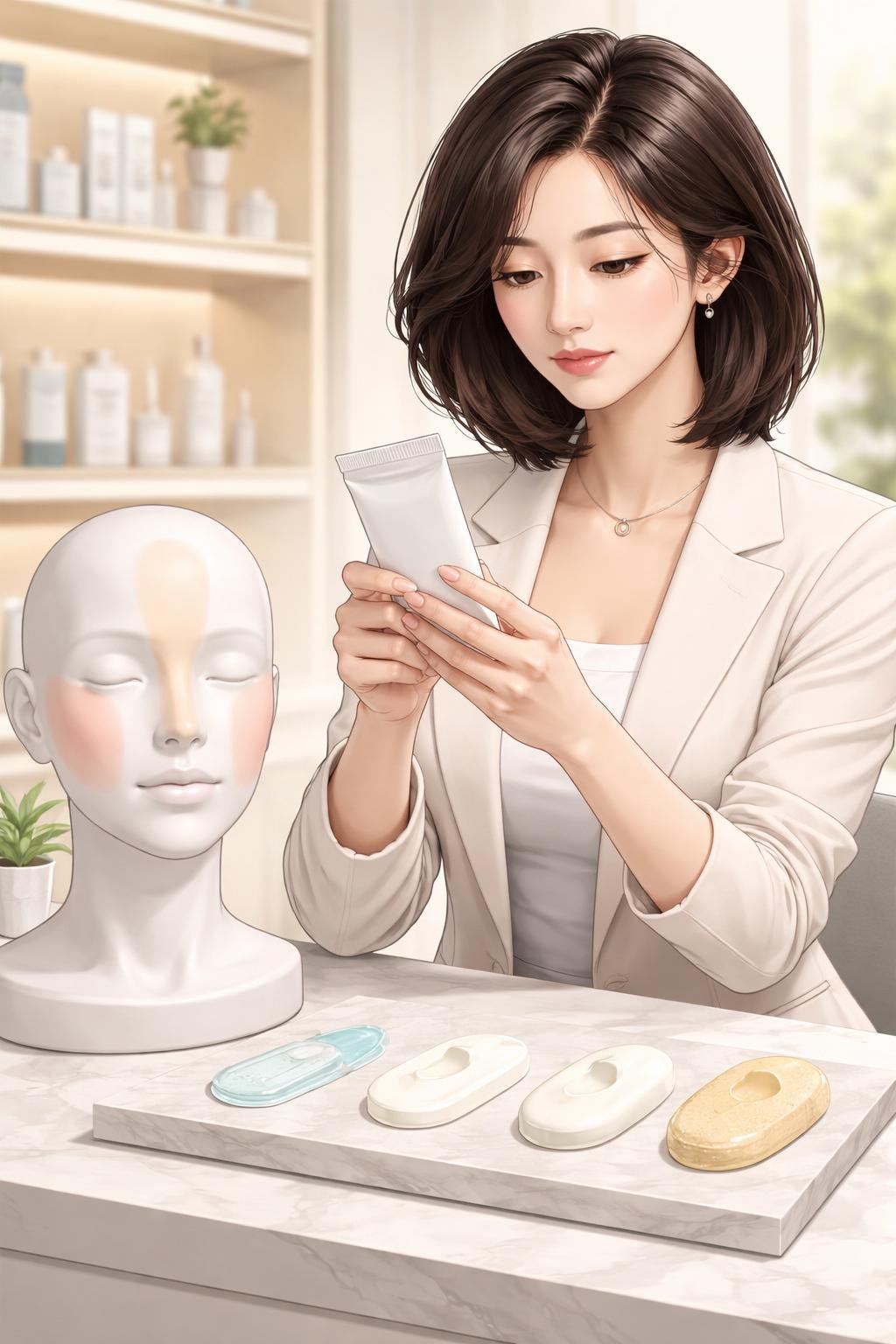
Example for selection: Nana suggests that a beginner with oily skin could start by examining a lightweight gel, while someone with dry skin could compare a cream and an ointment. For combination skin, she demonstrates placing moisturizer only on the areas that feel dry.
Example for label checking: Before choosing, Nana reads the current ingredient list and directions. She looks for relevant ingredients such as ceramides or hyaluronic acid and notes whether fragrance, alcohol, or alpha-hydroxy acid appears on a formula being considered for dry or easily irritated skin.
Example for application: Nana demonstrates applying an appropriate amount to slightly damp skin immediately after cleansing or showering. The example illustrates application order only and does not claim a particular result.
Frequently Asked Questions
What is the difference between a gel and a cream?
A water-based gel generally feels lighter, while a cream is thicker and usually contains more oil. A gel may appeal to someone who prefers a light finish, whereas a cream may be more comfortable for dry skin.
Does oily skin always need moisturizer?
No. Oily skin may not need moisturizer in every situation, or it may be more comfortable with a lightweight gel. The decision should reflect current skin needs and response rather than the assumption that every person must use the same routine.
Should moisturizer be applied to damp or dry skin?
Applying moisturizer to damp skin immediately after showering can help trap water. The skin can be gently patted so that it remains slightly damp before application.
Can combination skin use moisturizer only on dry areas?
Yes. Combination skin can be moisturized selectively, with more attention given to dry areas and less or no product applied where it feels unnecessary.
Which label details should someone with dry or easily irritated skin check?
Check the current ingredient list, directions, warnings, and fragrance information. Ceramides and hyaluronic acid are relevant to hydration, while fragrance, alcohol, and alpha-hydroxy acid may aggravate dryness for some people. A fragrance-free, non-comedogenic option may also be worth considering for very dry skin.
References
- How to pick the right moisturizer for your skin — https://www.aad.org/public/everyday-care/skin-care-basics/dry/pick-moisturizer
- Dry skin: Overview — https://www.aad.org/public/diseases/a-z/dry-skin-overview
These American Academy of Dermatology sources support the general distinctions among moisturizer types, skin-based selection considerations, application timing, ingredient considerations, and guidance for dry skin.
Final Takeaway
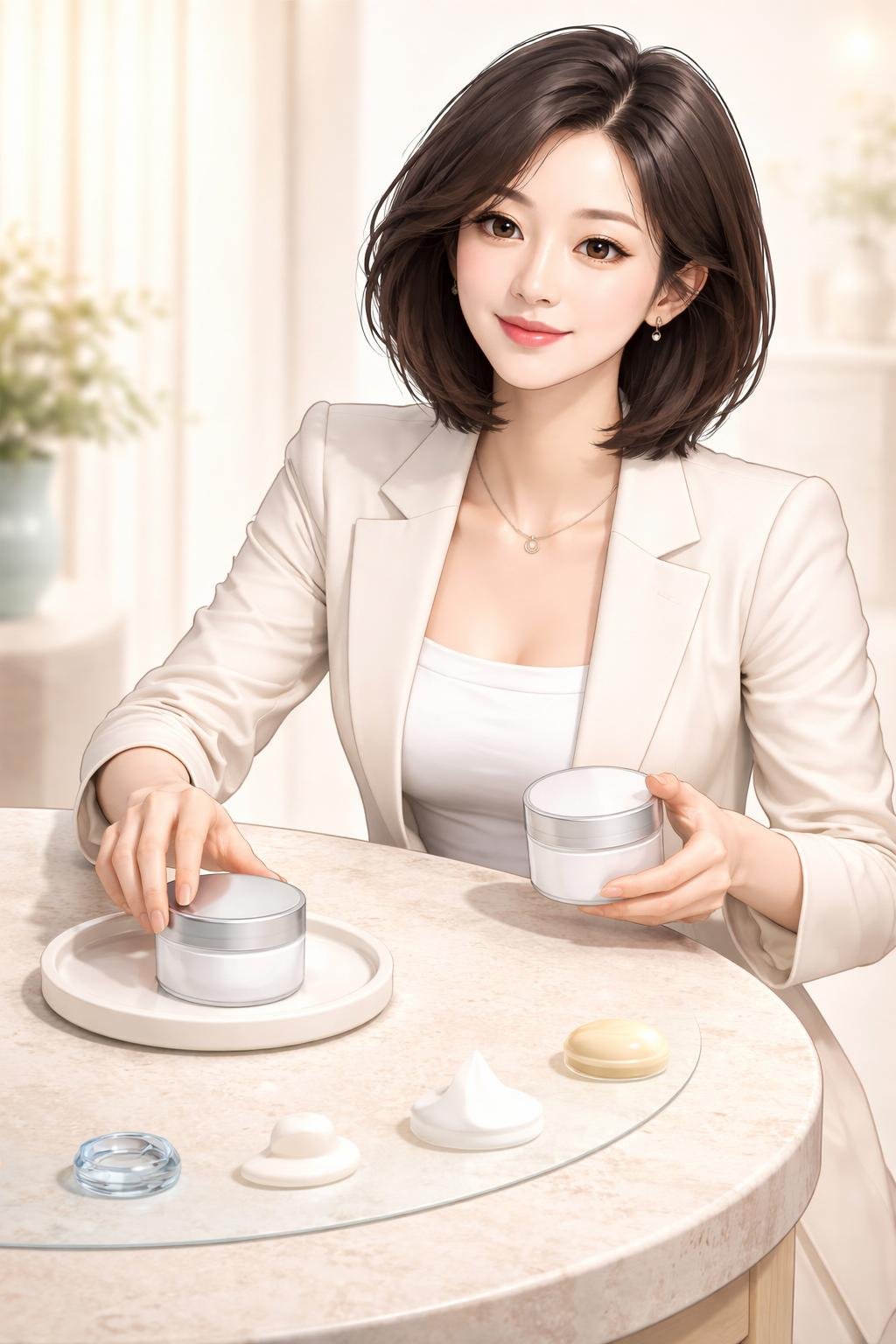
Choose a Korean moisturizer according to texture, richness, current skin needs, and comfort rather than the marketing category alone. Check the current label, apply the product appropriately to slightly damp skin, and adjust the amount or frequency according to individual response. A gel, lotion, cream, or ointment can each be useful when its formulation matches the area and level of dryness being addressed.
mage Credits
- Visual 01: An original AI-generated educational introduction showing gel, lotion, cream, and ointment textures in neutral, unlabeled containers.
- Visual 02: An original AI-generated comparison chart presenting product richness and label references to ceramides, hyaluronic acid, fragrance, alcohol, and alpha-hydroxy acid.
- Visual 03: An original AI-generated application diagram showing moisturizer being placed on slightly damp skin after cleansing.
- Visual 04: An original AI-generated selection guide matching general skin needs with texture and label-checking considerations.
- Visual 05: An original AI-generated final reminder to compare texture, current labels, comfort, and individual response before choosing a moisturizer.
All five visuals are illustrative educational artwork. They are not records of real events and do not represent exact products, packaging, ingredients, or results.
Disclaimer
This article provides general educational information and is not medical advice, diagnosis, or treatment. Cosmetic formulations, ingredients, labels, availability, and prices may change, and individual skin responses vary. Verify current product information with the official manufacturer, and consult an appropriate healthcare professional about significant, persistent, or worsening skin concerns. AI-generated images are illustrative and may not accurately represent actual products, packaging, ingredients, application results, or clinical outcomes.