
Introduction to Korean Skincare Essence
A Korean skincare essence is a leave-on cosmetic product usually applied after cleansing and before heavier products. Depending on its formulation, it may add hydration, provide light conditioning, or deliver ingredients intended for a particular cosmetic concern.
This guide explains the purpose of an essence, common formulation types, ingredient-label basics, selection considerations, and practical application. Because the term “essence” is not a universal formulation standard, the current label and directions for each product matter more than the category name alone.
Quick Guide
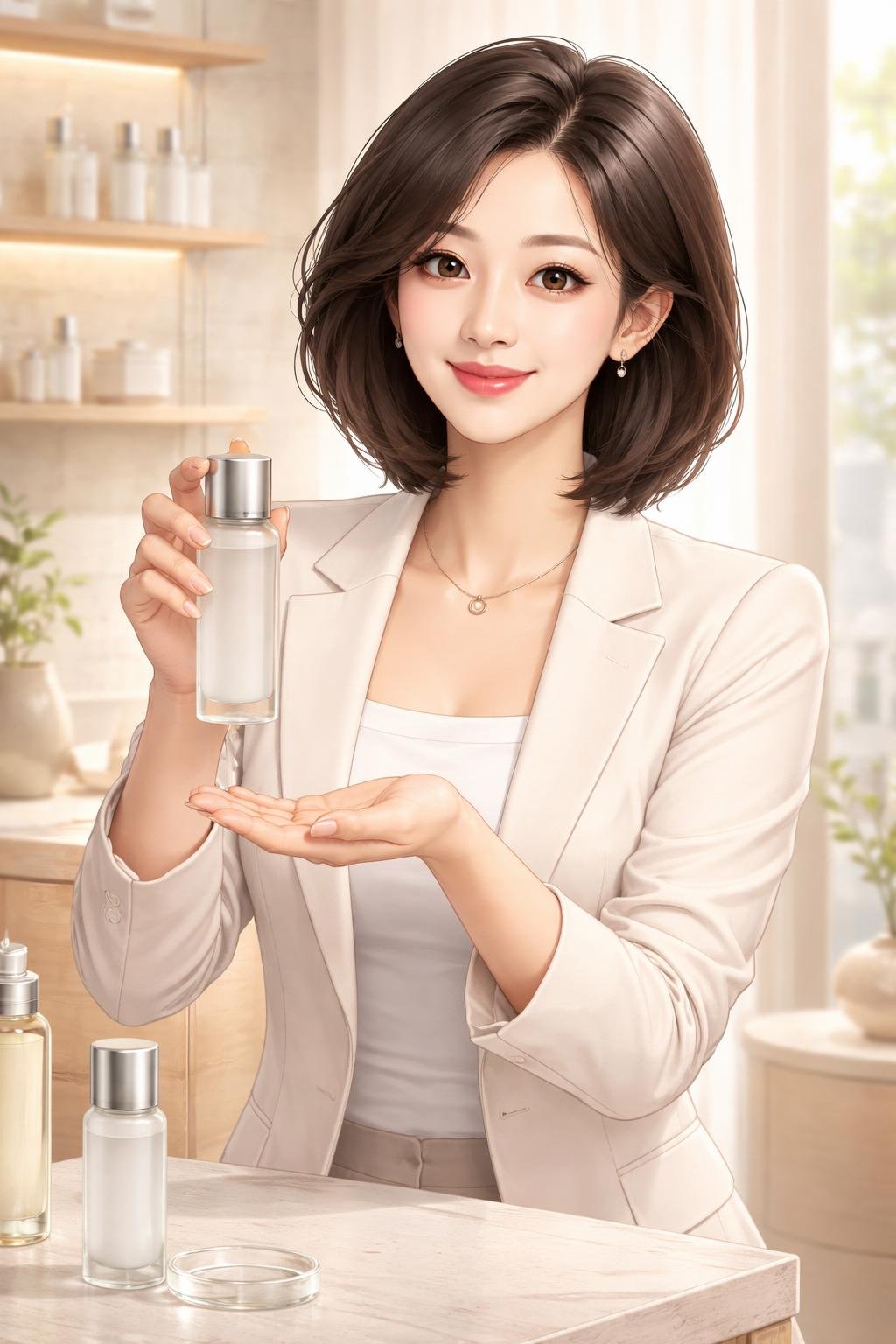
- What it is: A leave-on skincare product that is often lightweight but can also have a thicker, serum-like texture.
- Why it may be used: Depending on the formula, an essence may support hydration, skin conditioning, or another stated cosmetic purpose.
- Typical routine position: After cleansing and optional toner, but before moisturizer and morning sunscreen.
- How to apply it: Spread or gently press a small amount over the face without aggressive rubbing.
- How often to use it: Follow the product directions and adjust according to skin response and the rest of the routine.
- What to check: Review the current ingredient list, directions, warnings, and recommended frequency rather than relying only on front-label claims.
What Is a Korean Skincare Essence?
Essence is a broad product category rather than one fixed formula. It commonly refers to a leave-on step intended to be applied in a relatively thin layer. Some essences feel almost like water, while others have a gel, milky, or viscous consistency.
The product’s role depends on its complete formulation. One essence may focus on simple hydration and conditioning, while another may contain ingredients marketed for exfoliation, brightening, oil control, or other cosmetic goals. These products should not be assumed to work identically simply because they share the word “essence.”
Names such as toner, essence, ampoule, and serum can overlap between brands and markets. Texture also does not reliably indicate ingredient strength. A watery product is not necessarily mild, and a thick product is not automatically more concentrated. The ingredient list, directions, warnings, and manufacturer’s description provide more useful information.
Essence Types, Formulations, and Ingredients
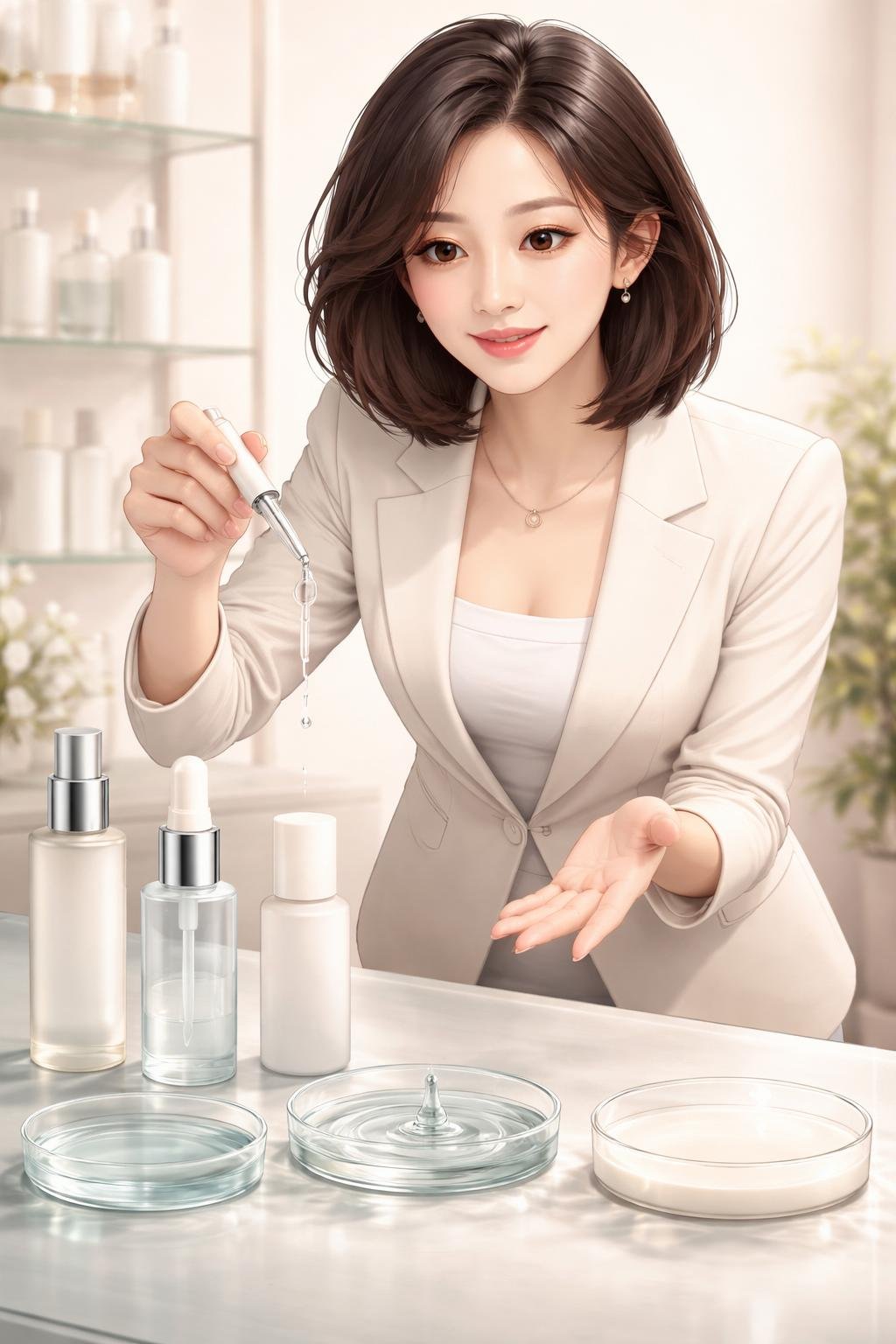
Essences can be organized by texture, formulation, and intended cosmetic function. These groupings are practical descriptions, not universal industry definitions.
| General type | Typical characteristics | What to check |
|---|---|---|
| Watery essence | Fluid texture that spreads in a thin layer | Directions, ingredient order, fragrance, alcohol content, and any active-use warnings |
| Gel or viscous essence | More cushioning texture that may feel substantial without being a cream | Whether it layers comfortably with moisturizer and sunscreen |
| Milky or emulsion-like essence | Contains a balance of water-based and oil-based components | Whether it provides enough conditioning for the intended routine |
| Ferment-containing essence | Includes one or more ingredients produced through fermentation processes | The exact ingredient names and formula, rather than broad assumptions about all fermented ingredients |
| Active-focused essence | Formulated around a stated cosmetic goal, such as exfoliation or tone care | Concentration information when provided, frequency instructions, warnings, and overlap with other active products |
Understanding ingredient roles
Humectants are ingredients used to attract or retain water within a cosmetic formula and on the skin’s surface. Common examples in cosmetics include glycerin and forms of hyaluronic acid. Emollient ingredients help create a smoother, softer skin feel, while occlusive ingredients reduce water loss by forming a more protective surface layer.
An essence may also include botanical extracts, fragrance materials, preservatives, exfoliating acids, antioxidants, or ingredients used for skin-conditioning purposes. The presence of a familiar ingredient does not establish how well the entire product will work for a particular person. Concentration, ingredient combinations, packaging, stability, and individual response can all matter.
How to read the label
- Identify the full product name and stated cosmetic purpose.
- Read the complete ingredient list instead of focusing only on highlighted ingredients.
- Look for ingredients that have previously caused irritation or sensitivity.
- Check directions, frequency guidance, and warnings, especially for exfoliating or other active-focused formulas.
- Verify the current label through the official manufacturer because formulations can change.
Marketing language should not be treated as proof of performance. Claims about a formula should be assessed using current manufacturer information and appropriate supporting evidence.
How to Apply a Korean Skincare Essence
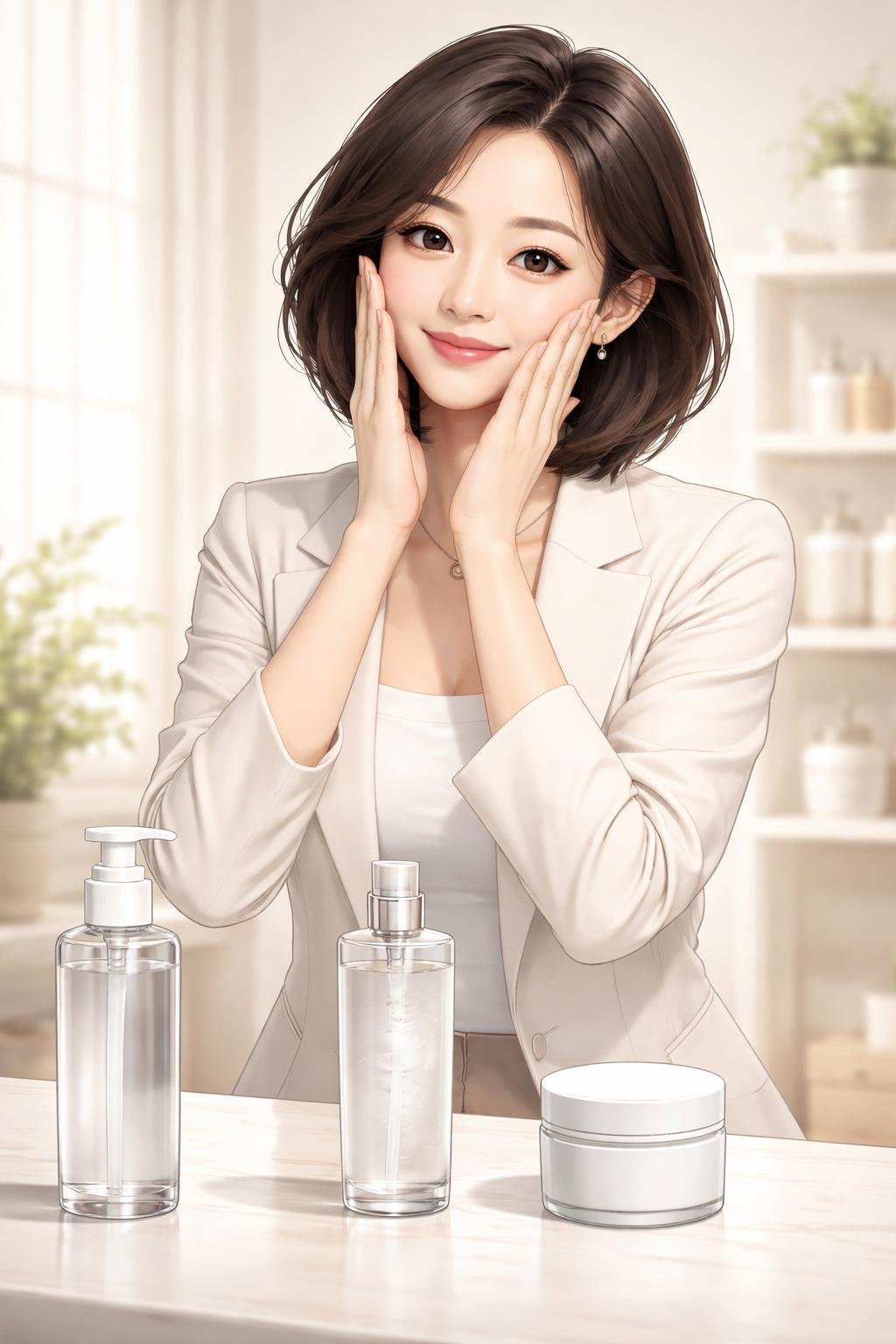
A basic application order is cleanser, optional toner, essence, moisturizer, and daytime sunscreen. This sequence is only a general framework. The correct position may differ when a product has special directions or when prescription and treatment products are involved.
- Cleanse gently: Remove makeup, sunscreen, and surface debris with a cleanser suitable for the routine.
- Use toner if desired: Toner is optional. If used, follow its directions before moving to the essence unless either label says otherwise.
- Apply the essence: Dispense the amount recommended on the label. If no exact amount is given, begin with enough to spread a thin, even layer without soaking the skin.
- Spread without aggressive friction: Use clean hands to smooth or gently press the product over the face. Avoid the eye area unless the label permits use there.
- Continue the routine: Apply compatible leave-on products and moisturizer. Finish a morning routine with sunscreen according to its directions.
Layering and frequency
Allowing an essence to settle briefly can make layering more comfortable, but the skin does not need to become completely dry unless a product’s directions require it. If products pill, feel excessively sticky, or do not spread evenly, try using smaller amounts or fewer layers.
A simple hydrating formula may be designed for regular use, while an exfoliating or active-focused essence may require a more limited schedule. Daily use is not automatically appropriate for every essence. Start according to the label, monitor the skin, and avoid increasing frequency merely to use the product faster.
Common application mistakes
- Assuming every essence should be used twice a day.
- Applying several overlapping active formulas without checking their directions.
- Using a large amount when a thin layer is sufficient.
- Rubbing irritated skin vigorously during application.
- Continuing use despite persistent burning, swelling, or worsening discomfort.
- Relying on a generic routine order instead of the product’s current instructions.
How to Choose an Essence and Use It Safely
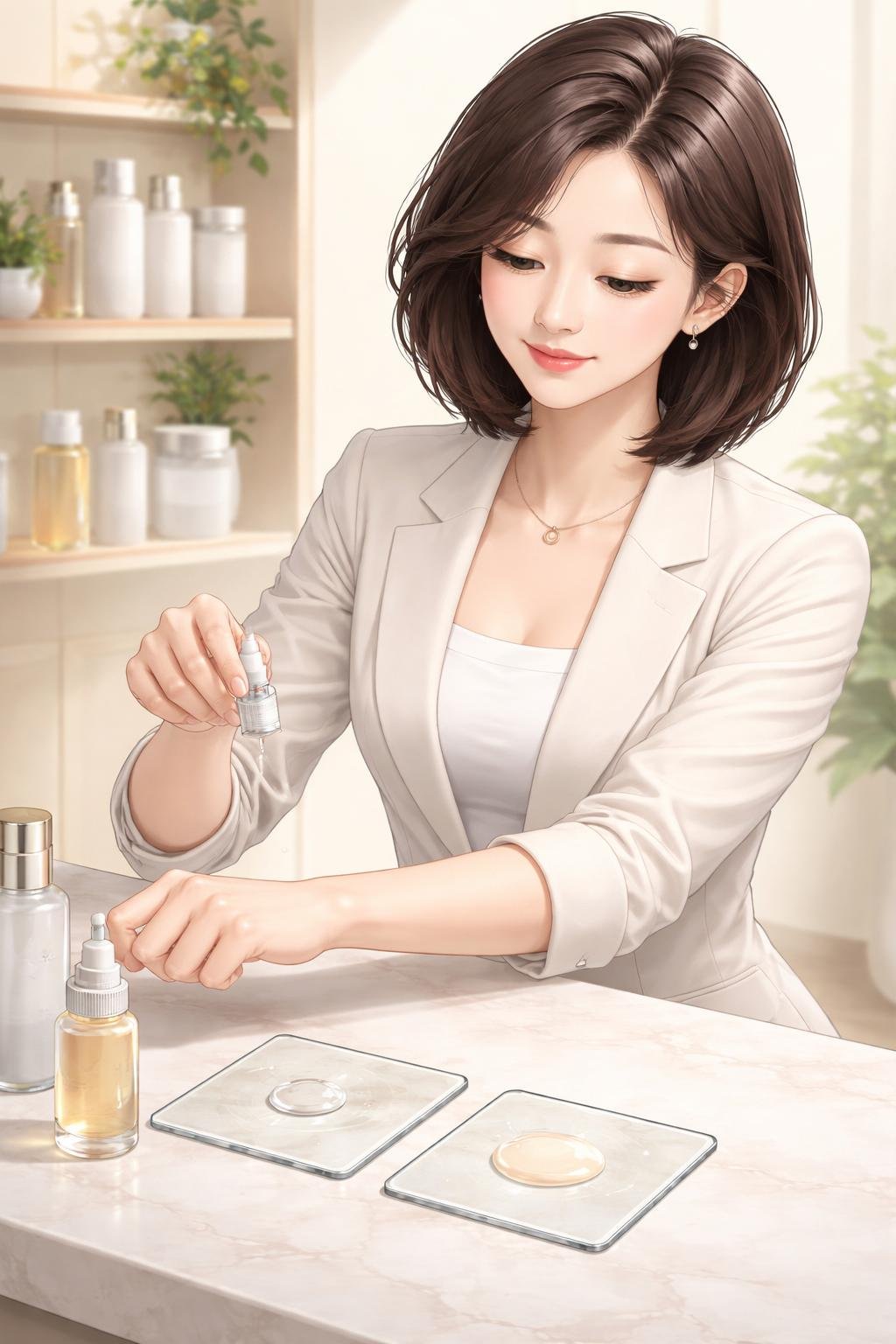
Begin with the role you want the product to serve. Someone seeking an uncomplicated hydration step may prefer a straightforward formula that fits easily beneath moisturizer. A person who already uses several leave-on products may decide that an additional essence would duplicate existing steps.
Texture is also a practical consideration. A lightweight liquid may suit someone who prefers thin layers, while a gel or milky formula may appeal to someone who wants more noticeable conditioning. Climate, seasonal changes, other skincare products, and personal sensory preferences can influence the choice.
Selection checklist
- Choose a clear purpose instead of selecting a product only because it is popular.
- Compare the formula with products already in the routine.
- Check for fragrance or other ingredients that have caused previous problems.
- Review active ingredients and frequency instructions for possible overlap.
- Confirm that the texture works with moisturizer, sunscreen, and makeup when relevant.
- Read the current official label before purchasing or applying the product.
Patch testing and irritation
A patch test can help identify an obvious reaction before broader use, although it cannot guarantee that a product will never cause irritation. Follow any manufacturer testing instructions. In the absence of specific directions, introduce the product cautiously on a small area and avoid testing several new products at the same time.
Temporary tingling should not automatically be interpreted as proof that a product is working. Stop using a product if it causes concerning discomfort, swelling, or a worsening reaction. Significant or persistent skin concerns should be discussed with an appropriate healthcare professional rather than self-diagnosed through cosmetic product categories.
People using prescription skincare or managing a diagnosed skin condition should seek individualized guidance before combining it with active-focused essences. Individual tolerance can differ even when two people appear to have a similar skin type.
Essence in Korean Beauty Culture
Essence is widely associated with Korean beauty because it appears as a distinct category in many K-beauty routines and retail descriptions. It reflects a product-layering approach in which several relatively light products may be applied according to texture and purpose.
This does not mean that every Korean consumer follows a long routine, uses an essence, or applies products in the same order. Skincare habits vary according to personal preference, skin needs, budget, season, and available products. Multi-step routine numbers are best viewed as optional frameworks rather than cultural rules.
International shoppers may also encounter category names used differently across Korean and overseas stores. One brand’s “first essence” may have directions that differ from those of a standard essence, while another product labeled as a toner or serum may have a similar texture. Checking the original manufacturer’s description and instructions is more reliable than assuming that translated category names are interchangeable.
K-Nana Beauty Guide
Fictional example: Nana is a fictional beginner guide used to demonstrate decision-making. She does not represent a real customer, product review, or documented skincare result.
Nana wants to add hydration without turning her routine into a complicated sequence. She first checks whether her moisturizer already meets her needs. If she still wants a separate lightweight layer, she compares simple hydrating essences and reads their full labels instead of choosing by packaging or popularity.
Her example morning routine is cleanser, hydrating essence, moisturizer if needed, and sunscreen. Her evening example is cleanser, the same essence, and moisturizer. These are illustrative routines rather than instructions for every reader.
If Nana instead considers an exfoliating essence, she treats it as an active-focused product rather than an interchangeable hydration step. She checks the recommended frequency, reviews her routine for other exfoliating products, patch tests cautiously, and avoids introducing another new active at the same time.
The practical lesson from this fictional guide is to give each product a defined role. An essence can be useful when it adds something the routine needs, but there is no reason to include one merely to increase the number of steps.
Frequently Asked Questions
Is an essence necessary in a skincare routine?
No. The basic value of an essence depends on its formulation and whether it fills a useful role. A cleanser, suitable moisturizer, and daytime sun protection may form a simpler foundation, with optional products added according to individual needs.
How is an essence different from toner or serum?
There is no universal boundary between these categories. Toners are often positioned immediately after cleansing, essences as light conditioning layers, and serums as more targeted products, but brand definitions and textures overlap. Use the formula and directions rather than the category name to determine the product’s role.
When should I apply an essence?
It is generally applied after cleansing and optional toner but before moisturizer. Products described as first essences or active treatments may have different directions, so the specific label takes priority over a general routine order.
Can I use an essence every day?
That depends on the formula, directions, and skin response. Some products are intended for regular use, while exfoliating or other active-focused essences may have restricted frequency. Do not assume that daily use is suitable without checking the label.
Can I layer more than one essence?
Multiple essences can sometimes be layered, but doing so is not necessary and may duplicate ingredients or increase irritation risk. Beginners can start with one product, assess how it fits the routine, and add another only if it has a distinct purpose and compatible directions.
References
No verified external references were supplied for this article, so no citations or URLs have been fabricated. Readers should check current official manufacturer labels and directions for product-specific formulations, ingredients, warnings, and use instructions. Authoritative cosmetic ingredient-safety guidance should be consulted when evaluating ingredient-specific safety questions.
Final Takeaway
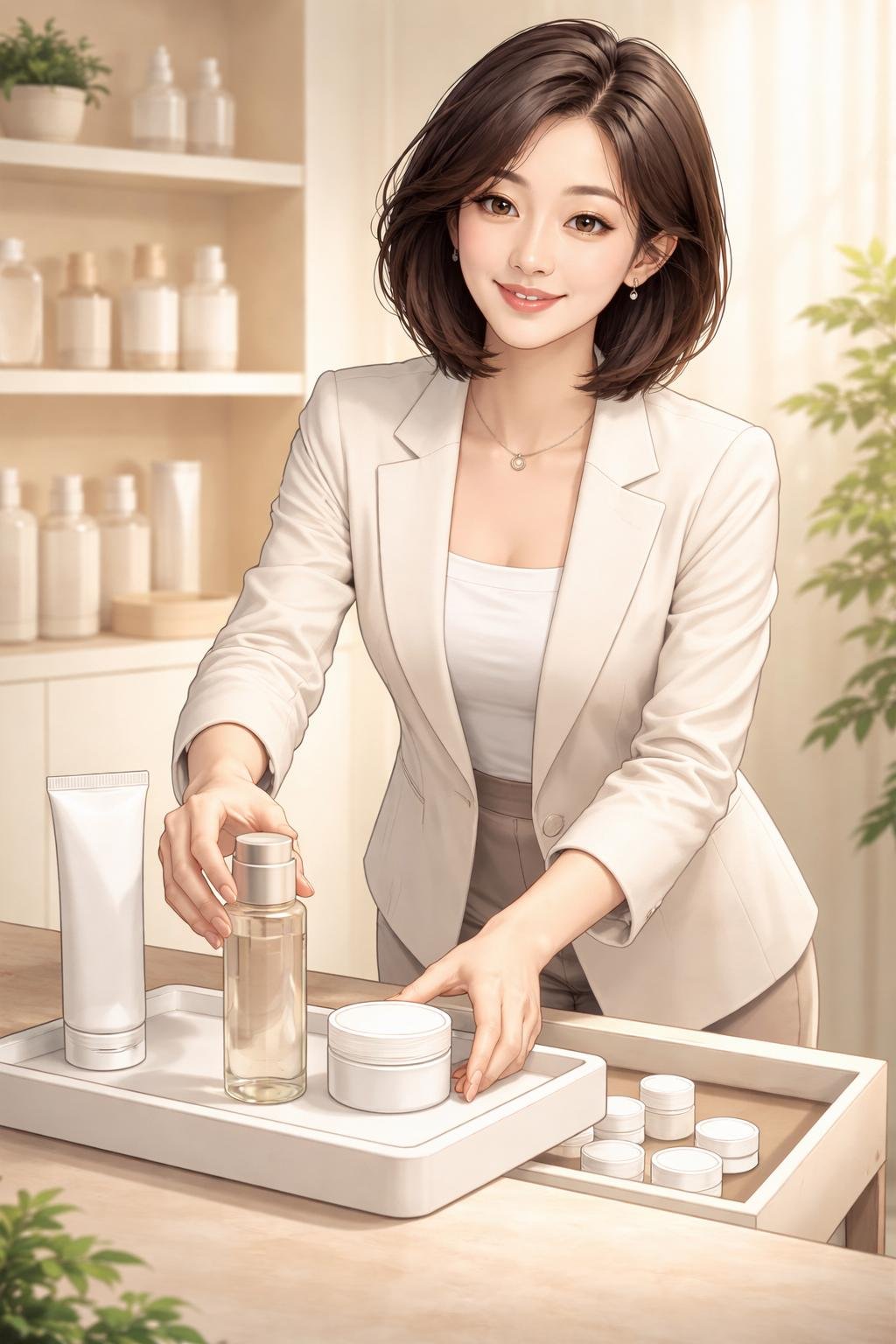
A Korean skincare essence is an optional leave-on step whose purpose depends on its complete formulation. Choose one by its intended role, texture, ingredient list, and compatibility with the rest of the routine rather than by category name alone.
Introduce the product carefully, follow its current directions, watch for ingredient overlap, and adjust use according to individual response. A simple routine that meets the skin’s needs is more practical than adding an essence without a clear reason.
Image Credits
- Image 01 — Essence concept: An original AI-generated educational illustration showing a generic essence texture and its position within a simple skincare routine.
- Image 02 — Formulations and ingredients: An original AI-generated comparison of watery, gel, and milky textures alongside generic ingredient-category symbols.
- Image 03 — Application order: An original AI-generated sequence showing cleanser, optional toner, essence, moisturizer, and daytime sunscreen.
- Image 04 — Selection and safety: An original AI-generated label-checking and cautious patch-testing guide without identifiable product packaging.
- Image 05 — Practical reminder: An original AI-generated visual encouraging readers to choose one clear product purpose, follow directions, and keep the routine manageable.
All five visuals are illustrative educational images. They do not depict actual products, packaging, ingredient structures, personal experiences, application results, or clinical outcomes.
Disclaimer
This article provides general educational information and is not medical advice, diagnosis, or treatment. Cosmetic formulations, ingredients, labels, availability, and prices can change, and individual skin responses vary. Verify current product information with the official manufacturer before use. Consult an appropriate healthcare professional for significant or persistent irritation, reactions, or other skin concerns.
Any AI-generated images described in this article are illustrative and may not accurately represent actual products, packaging, ingredients, application results, or clinical outcomes.