
Traditional Korean Tea House Experience for First-Time Visitors
A traditional Korean tea house experience offers a slower and quieter way to explore Korean culture. Instead of rushing through another attraction, you can sit inside a hanok-style space, choose a traditional drink, enjoy the atmosphere, and take a short break from a busy sightseeing schedule.
For first-time international visitors, however, the menu can be unfamiliar. What is the difference between jujube tea, ginger tea, omija tea, and ssanghwacha? Do you need to follow a formal tea ceremony? Are traditional snacks always included? And is there any special etiquette you should know before visiting?
This guide focuses on the practical experience of visiting a traditional Korean tea house, from choosing a place and reading the menu to ordering, enjoying your tea, and respecting the atmosphere.
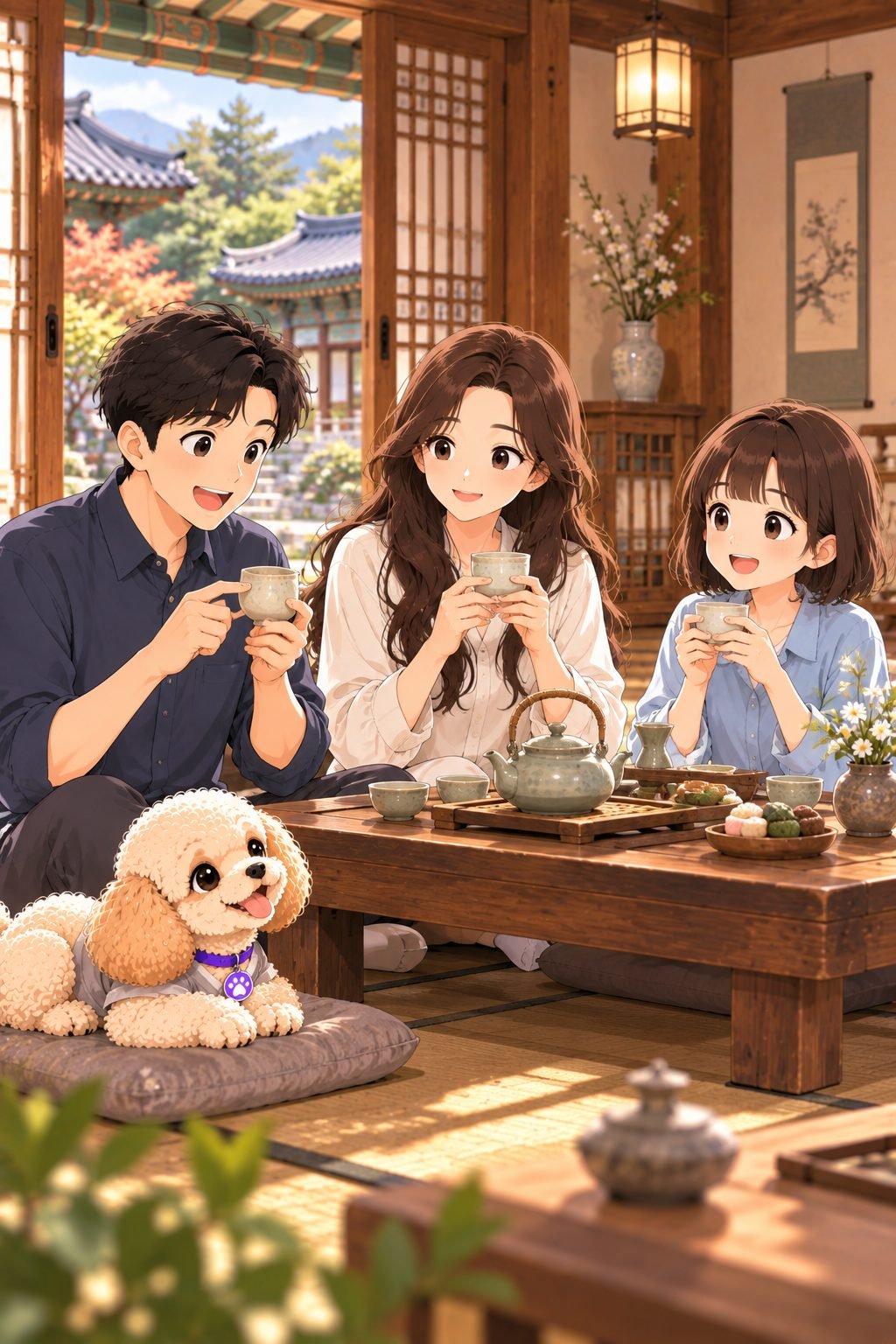
What Is a Traditional Korean Tea House?
A traditional Korean tea house is a place where visitors can enjoy Korean-style teas and other traditional beverages, often in a setting influenced by hanok architecture and traditional interior design.
There is no single menu or interior that defines every traditional tea house. Some are located inside old hanok buildings with wooden floors, sliding doors, gardens, and low tables. Others combine traditional design with a more contemporary café layout.
The drinks also vary. Depending on the tea house, you may find brewed leaf teas as well as traditional beverages made with ingredients such as jujube, ginger, omija berries, green plum, chrysanthemum, or herbal mixtures.
Traditional snacks such as rice cakes or Korean sweets may also be available, but they are not automatically included with every drink.
Where Can You Try a Traditional Tea House in Seoul?
Insadong is one of the easiest areas for first-time visitors to explore traditional tea houses in Seoul. The neighborhood is known for galleries, traditional shops, restaurants, craft stores, and tea houses located along the main street and surrounding alleys.
VISITKOREA lists several traditional tea houses in the area, including hanok-style venues serving drinks such as jujube tea, ginger tea, omija tea, and ssanghwacha.
You do not need to visit one specific famous shop to have the experience. For an Evergreen travel plan, it is better to explore the area, check current menus and opening hours, and choose a tea house that matches the atmosphere and drinks you want.
Insadong can also be combined naturally with nearby historic areas such as Bukchon Hanok Village or Changdeokgung Palace.
Step 1: Check the Menu Before Ordering
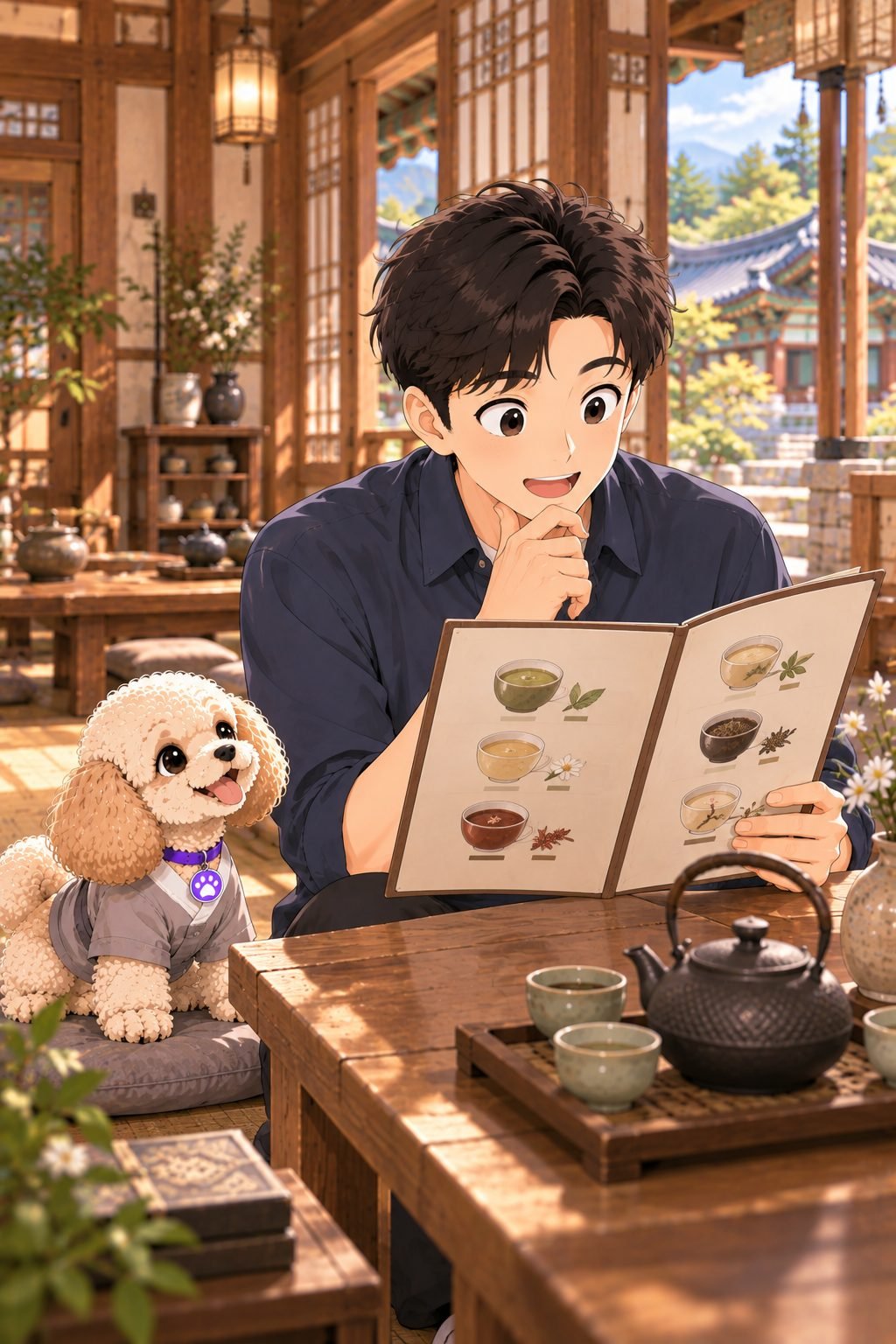
Do not worry if the menu looks unfamiliar. Traditional Korean tea house menus can contain drinks that are very different from the black tea, green tea, or coffee selections many travelers already know.
Take a moment to read the descriptions and ask staff when you are unsure about an ingredient.
Some drinks you may encounter include:
- Daechucha: A jujube-based traditional drink, often rich and naturally sweet in flavor.
- Saenggangcha: Ginger tea with a distinctive warm and spicy character.
- Omijacha: A drink made with omija, or five-flavor berries, known for a complex sweet-and-tart flavor profile.
- Maesilcha: A sweet-and-tart drink made with green plum.
- Yujacha: A fragrant citrus drink commonly prepared with preserved yuja.
- Ssanghwacha: A rich traditional herbal-style beverage that may be served with additional ingredients depending on the shop.
- Green tea: Some tea houses also serve Korean-grown leaf teas and other brewed teas.
This is not a universal menu. Individual tea houses choose their own drinks, recipes, serving styles, and ingredients.
Tea, Cha, and Traditional Korean Drinks
One useful thing for international visitors to understand is that the English word “tea” can make a Korean menu seem simpler than it really is.
In everyday English-language travel information, many Korean traditional drinks are translated as “tea,” even when they are prepared from fruits, roots, herbs, preserved ingredients, or other materials rather than tea leaves.
That is why two drinks listed next to each other as “tea” can have completely different textures and flavors.
If you specifically want brewed tea leaves, ask what type of tea is being served. If you simply want to explore Korean traditional beverages, choosing an unfamiliar fruit-, root-, or herb-based drink can be part of the experience.
Step 2: Ask About Ingredients When Necessary
Traditional does not automatically mean suitable for every traveler.
Recipes can vary between tea houses, and drinks or snacks may contain honey, nuts, grains, dairy ingredients, medicinal herbs, fruit preserves, or other ingredients depending on the recipe.
If you have a food allergy, medically necessary dietary restriction, or an ingredient you must avoid, ask the staff before ordering rather than relying only on the English name of the drink.
The same rule applies to accompanying snacks. A rice cake, yakgwa, yugwa, or another traditional sweet may contain ingredients that are not obvious from its appearance.
Step 3: Enjoy the Tea Without Rushing
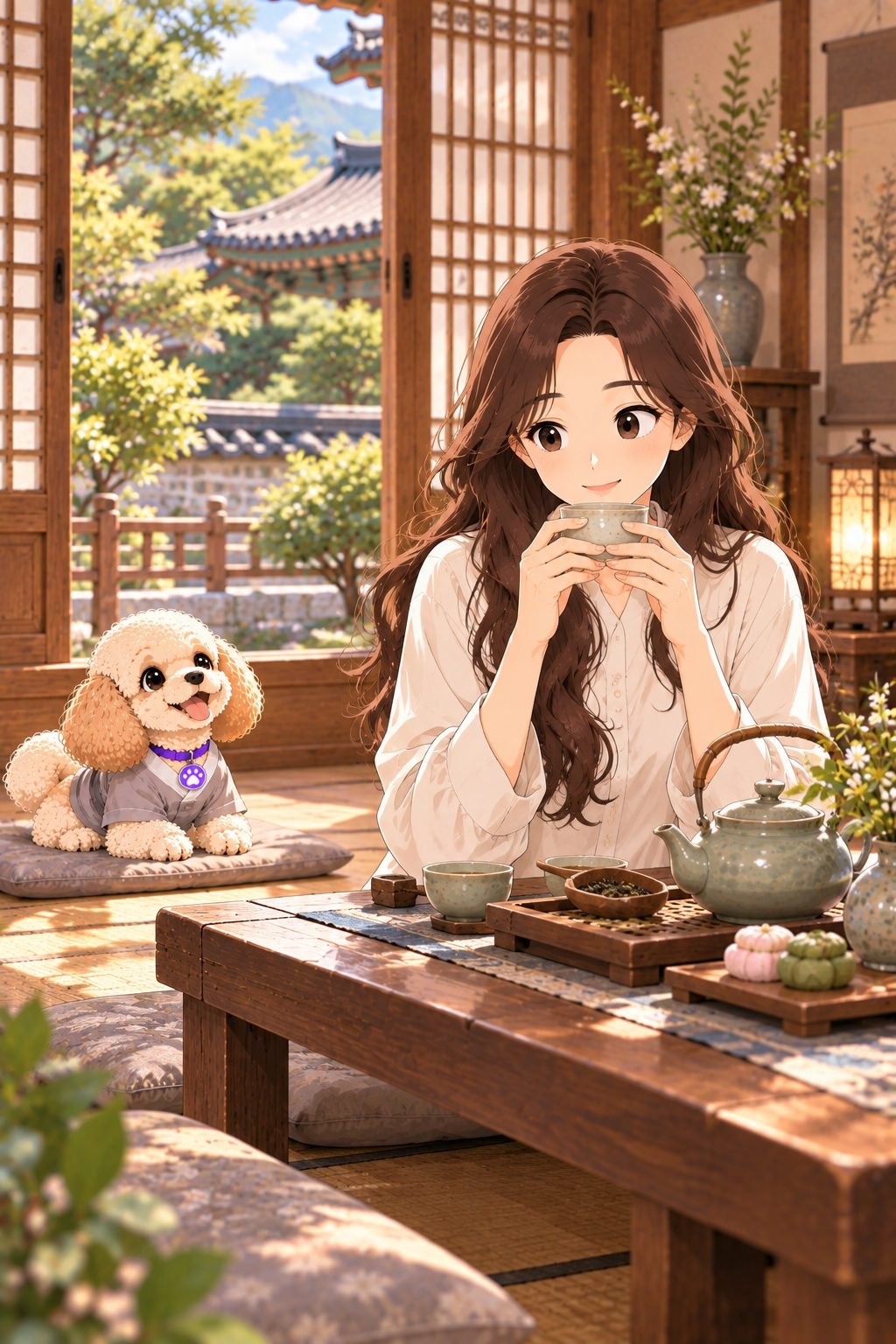
Once your drink arrives, you usually do not need to turn an ordinary tea house visit into a formal ceremony.
Some specialized cultural programs teach darye, Korean traditional tea etiquette, with structured instructions about preparing, serving, and drinking tea. A regular commercial tea house, however, may simply be a comfortable place where customers order a drink and enjoy it at their own pace.
Follow the way your tea is served. If a pot, cups, or brewing instructions are provided, ask staff if you are unsure what to do.
Hot tea can take time to cool, so there is no reason to hurry. Part of the appeal of a traditional tea house is the opportunity to slow down and enjoy the drink and surroundings together.
Do You Need to Know Korean Tea Etiquette?
For an ordinary tea house visit, you generally do not need to memorize a complicated set of ceremonial rules before entering.
Basic courtesy matters more: keep your voice appropriate for the space, handle the teaware carefully, respect other customers, and follow any instructions provided by the tea house.
A formal tea-etiquette experience is different. Dedicated cultural programs may teach specific procedures, posture, serving methods, and the meaning of traditional tea customs.
If you want that deeper experience, look specifically for a tea ceremony or darye program rather than assuming every traditional tea house automatically provides one.
Step 4: Experience the Space, Not Just the Drink
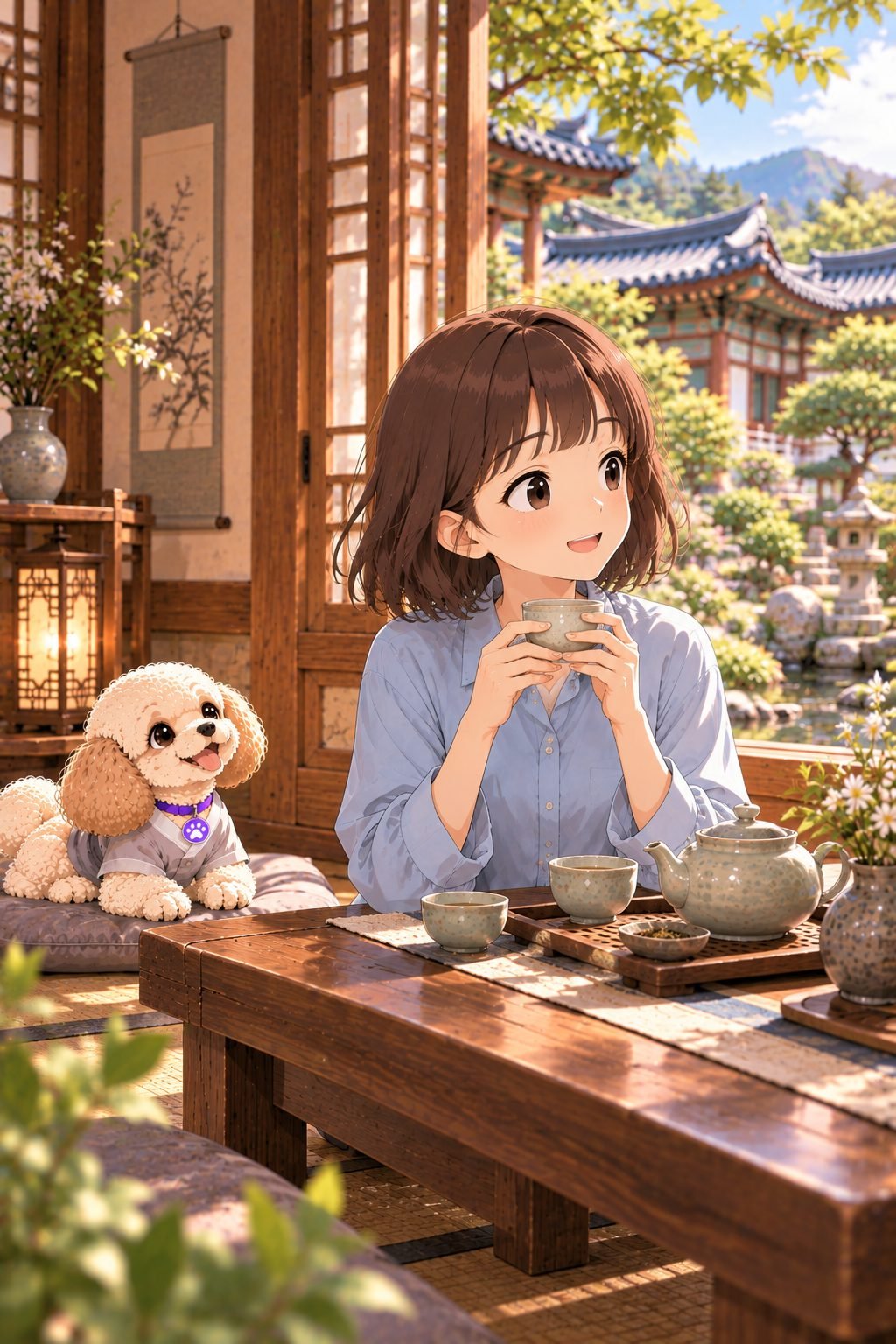
A traditional tea house experience is often as much about the setting as the drink itself.
Hanok-style tea houses may feature wooden architecture, traditional doors and windows, courtyards, gardens, artwork, or low seating. Some venues offer both indoor rooms and outdoor garden seating.
Instead of finishing your drink quickly and leaving, take time to notice the space. This slower pace creates a useful contrast with crowded shopping streets, palaces, and other busy sightseeing stops.
In Insadong, this works especially well because you can step away from the main street, spend time in a quieter tea house, and then continue exploring galleries, craft shops, and traditional streets nearby.
Traditional Snacks: What to Expect
Some traditional tea houses serve Korean snacks alongside or separately from their drinks. Depending on the venue, you might encounter rice cakes, yugwa, yakgwa, or other sweets.
Do not assume that snacks are complimentary or included with every order. Check the menu or ask before ordering.
If you are already exploring Korean food during your trip, the tea house can also provide a different context for trying traditional sweets: not as a full meal, but as a small accompaniment to a drink and a quiet break.
How Long Should You Allow?
A traditional tea house does not need to consume half a day of your itinerary.
For many travelers, it works naturally as a break between nearby attractions. The important thing is not to schedule the visit so tightly that you need to drink quickly and leave immediately.
If you are exploring Insadong, Bukchon, or a nearby palace district, build the tea house into the same part of the day rather than traveling across Seoul only for a short drink.
A well-planned traditional Korean tea house experience should feel like a pause in your itinerary, not another task to complete.
How to Behave in a Traditional Tea House
A traditional tea house is usually a relaxed commercial space, not a place where visitors are expected to know formal ceremonial etiquette. Still, the quieter atmosphere makes a few simple habits useful.
- Keep your voice comfortable for the space: Many traditional tea houses are designed for conversation and relaxation rather than loud group activity.
- Handle teaware carefully: Small cups, pots, trays, and ceramic pieces may be delicate.
- Ask before moving unfamiliar items: Some objects on the table may be part of the tea service.
- Respect other customers: Avoid occupying shared spaces for long photo sessions.
- Follow house rules: Seating, ordering, payment, photography, and outside-food policies vary by business.
If you visit a dedicated tea ceremony or darye program, follow the instructor’s directions because that experience may involve more structured etiquette than an ordinary tea house visit.
Floor Seating or Chairs?
Do not assume that every traditional tea house requires sitting on the floor.
Some hanok-style venues have low tables and floor seating, while others provide chairs or a mixture of seating styles. Interior layouts differ considerably between businesses.
If sitting on the floor is uncomfortable because of mobility, joint, or other physical concerns, check the seating arrangement before choosing a tea house or ask staff whether chair seating is available.
Ordering and Paying
Ordering systems vary. Some tea houses take orders at the table, while others may ask customers to order at a counter.
Prices also vary according to the venue, drink, ingredients, and serving style. Check the current menu rather than relying on prices from an older travel article or social-media post.
Payment methods can also differ. International travelers should keep at least one alternative payment method available rather than assuming every small traditional venue handles foreign cards in exactly the same way.
Photography Without Disrupting the Experience
Traditional tea houses can be beautiful places to photograph, especially when they feature hanok architecture, courtyards, gardens, traditional ceramics, or carefully presented drinks.
Take photographs without turning the entire room into a personal photo set. Avoid blocking narrow passages, repeatedly moving furniture, photographing other customers without permission, or interrupting staff during busy periods.
If a venue has restrictions on photography or particular rooms, follow its current policy.
Tips for International Visitors
A little preparation can make a first traditional tea house visit easier.
- Check the menu: English translations may not fully explain every ingredient.
- Ask about unfamiliar ingredients: This is particularly important for allergies and dietary restrictions.
- Check current hours: Small independent tea houses may change operating days or hours.
- Do not expect coffee-shop speed: Some drinks may require preparation or brewing time.
- Allow time to enjoy the setting: The atmosphere is part of the experience.
- Choose by preference: You do not need to order the most unusual drink simply because you are traveling.
If you are unsure what to order, describing the flavor you prefer can be more useful than choosing only by the translated drink name. You might ask for something sweet, tart, warming, light, or less sweet depending on what the venue offers.
Food Allergies and Dietary Considerations
Traditional Korean beverages and sweets can contain ingredients that are not obvious from their English names or appearance.
Depending on the recipe, drinks or snacks may include nuts, seeds, honey, grains, fruit preserves, herbal ingredients, or other components. Recipes are not identical from one tea house to another.
If an ingredient could cause a serious allergic reaction or conflicts with a medically necessary diet, ask the venue directly before consuming the item. Do not rely on a general description of the drink as a guarantee of its ingredients.
K-Nana Family Guide
Dad: If the menu is unfamiliar, do not choose only by the English word “tea.” Check what the drink is actually made from.
Mom: Ask about ingredients, prices, and included snacks before ordering when the menu is unclear.
Daughter: Take a few photos, then put the phone down and enjoy the hanok atmosphere. The space is part of the experience.
Nana: No need to rush, woof! Enjoy the quiet atmosphere as much as the tea.
Practical Traditional Tea House Checklist
- Choose a tea house that fits naturally into your sightseeing route.
- Check current opening hours before visiting.
- Look through the menu before ordering.
- Ask what an unfamiliar drink contains.
- Check whether snacks are included or ordered separately.
- Ask about allergens or important dietary restrictions when necessary.
- Check whether the seating arrangement is comfortable for you.
- Handle traditional teaware carefully.
- Keep photography considerate of other customers.
- Allow enough time to enjoy the drink without rushing.
Frequently Asked Questions
Do I need to know Korean tea ceremony etiquette before visiting?
No. An ordinary traditional tea house visit is different from participating in a formal tea ceremony or darye program. Basic courtesy and following the venue’s instructions are usually more important than memorizing ceremonial procedures.
What traditional Korean tea should a first-time visitor try?
There is no single best choice. Jujube, ginger, omija, yuja, maesil, herbal-style drinks, and brewed leaf teas can have very different flavors. Choose according to your taste and the menu available at the tea house.
Are traditional Korean teas always made from tea leaves?
No. Many beverages translated into English as Korean “tea” can be prepared from fruits, roots, herbs, flowers, preserved ingredients, or other materials rather than leaves from the tea plant.
Are traditional snacks included with the tea?
Not always. Some tea houses may serve a small accompaniment, while others sell rice cakes or traditional sweets separately. Check the current menu or ask the staff.
Are traditional Korean tea houses expensive?
There is no standard price. Prices vary by venue, location, drink, ingredients, and serving style. Check the current menu before ordering.
Can I find traditional tea houses in Insadong?
Yes. Insadong is well known for traditional shops, galleries, crafts, restaurants, and tea houses, making it a convenient area for travelers who want to include a traditional tea experience in a central Seoul itinerary.
Can I visit a tea house after exploring Bukchon?
Yes. Bukchon Hanok Village, Insadong, and Changdeokgung Palace are all in the broader historic area of central Seoul, so a tea house break can fit naturally into a day exploring these destinations.

Final Takeaway
A traditional Korean tea house experience does not need to be complicated. Choose a place that fits your itinerary, take time to understand the menu, ask about unfamiliar ingredients when necessary, and enjoy the drink at a comfortable pace.
For first-time visitors to Seoul, Insadong is a practical area to begin. A tea house visit can also provide a relaxing break between nearby destinations such as Bukchon Hanok Village and Changdeokgung Palace.
The experience is not only about choosing a traditional drink. The hanok setting, ceramics, quiet atmosphere, and slower pace can all become part of experiencing traditional Korean culture.
References
- Korea Tourism Organization (VISITKOREA) — Insadong, traditional tea houses, and Korean cultural experience information.
- Visit Seoul — Seoul tourism and traditional cultural experience information.
Image Credits
Traditional tea house family visual with Dad, Mom, K-Nana daughter, and Nana illustrating a family experiencing Korean tea culture inside a fictional hanok-style tea house — K-Nana Studio original visual.
Tea menu visual with Dad and Nana illustrating a first-time visitor choosing among unfamiliar Korean traditional drinks — K-Nana Studio original visual.
Traditional tea visual with Mom and Nana illustrating a visitor slowly enjoying tea in a fictional Korean hanok tea house — K-Nana Studio original visual.
Hanok tea house experience visual with K-Nana daughter and Nana illustrating the quiet atmosphere and cultural setting of a traditional Korean tea house — K-Nana Studio original visual.
Nana as the K-Nana Studio mascot reminding travelers to slow down and enjoy the atmosphere of a traditional tea house — K-Nana Studio original visual.
Disclaimer
This article is provided for general travel, cultural, and educational information. Tea house menus, ingredients, prices, opening hours, seating arrangements, payment methods, and house policies vary by business and can change.
Traditional beverages and snacks may contain allergens or ingredients that are not obvious from their names or appearance. Travelers with food allergies, medically necessary dietary restrictions, or other individual concerns should confirm ingredients directly with the venue before ordering or consuming food or drinks.
Always check current information with the individual tea house or relevant official tourism source before visiting.