
A Korean pottery workshop gives you the chance to shape, decorate, and keep a ceramic piece made during your trip. Depending on the studio, you may build a cup by hand, use a pottery wheel, paint a prepared object, or apply designs inspired by Korean ceramic traditions.
The creative part is beginner-friendly at many studios, but the booking options can be confusing. You need to know whether the class includes wheel throwing, glazing, firing, pickup, or international shipping. Your finished piece is also rarely ready on the same day because the clay normally needs to dry and be fired.
This guide explains how to choose a suitable class, what happens when you arrive, how to handle the clay, and what to confirm before paying.
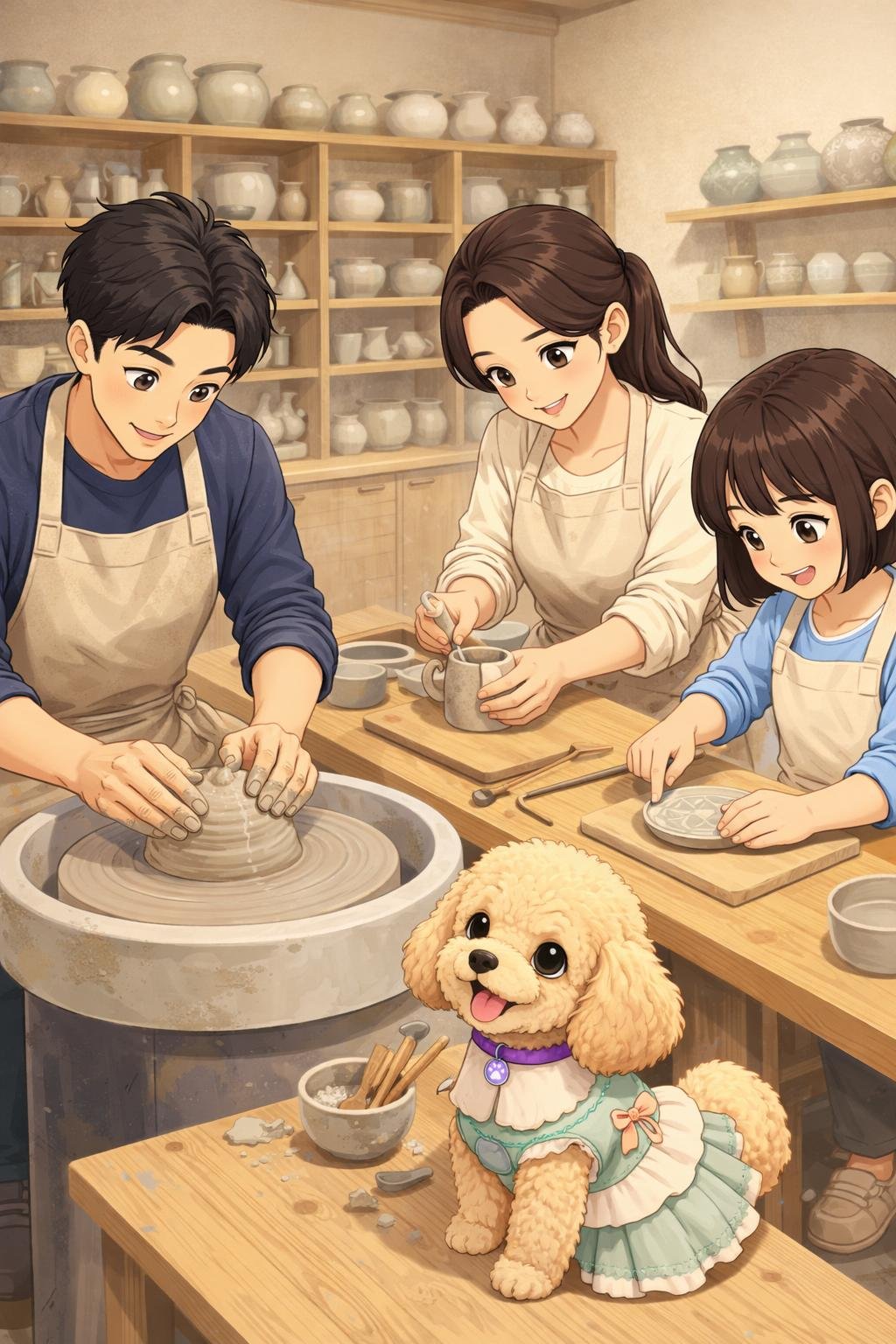
What Is a Korean Pottery Workshop?
A Korean pottery workshop is a supervised ceramic-making session held at a pottery studio, craft center, museum, or cultural experience venue. Classes may focus on contemporary ceramics, traditional techniques, or a combination of both.
The most common workshop formats are:
- Hand-building: You shape clay using your hands and simple tools. Pinch pots, small bowls, cups, and plates are common beginner projects.
- Pottery wheel: You center and shape clay on a rotating wheel with help from an instructor.
- Slip casting or mold-based making: You use a prepared form and focus on assembling or decorating the piece.
- Pottery painting: You decorate a ceramic item that has already been formed. This usually requires less contact with wet clay.
- Traditional-style decoration: You may use stamped patterns, carved lines, brush decoration, or colors inspired by Korean ceramics.
These formats are not interchangeable. A listing described as a “ceramic experience” may be a painting session rather than a full clay-forming class. Read the activity details carefully before booking.
Why Try Pottery in Korea?
Korea has a long ceramic history that includes Goryeo celadon, Joseon white porcelain, buncheong ware, and practical earthenware traditions. A workshop can introduce some of these materials, colors, forms, and decorative ideas through a hands-on activity.
However, not every class teaches a historically documented method. Some studios offer modern pottery with Korean-inspired patterns, while others provide more detailed cultural instruction. If learning about traditional ceramics is important to you, check whether the class explains its historical references rather than assuming every design is traditional.
Pottery also works well as a quiet cultural activity between busier sightseeing days. Travelers interested in other hands-on arts may also enjoy a Korean calligraphy and seal-engraving experience. In Seoul, pottery studios are sometimes found around craft and design areas such as Insadong and Seongsu-dong, although available classes and operating schedules change.
Where Can You Experience It?
Pottery activities are available in major cities and in regions associated with Korean ceramic production. Possible venues include:
- Independent neighborhood pottery studios
- Traditional craft centers
- Ceramic museums and cultural foundations
- Tourist experience centers
- University-area art studios
- Private workshops listed through travel booking platforms
Visitors exploring traditional districts such as Insadong or Jeonju Hanok Village may find craft experiences nearby, but do not assume that walk-in sessions are available. Small studios may operate only during scheduled classes or close on irregular days.
Always confirm the exact address. Workshops can be located inside upper-floor commercial buildings, residential-looking alleys, or shared art spaces rather than obvious street-level stores.
Step 1: Choose the Right Workshop Format
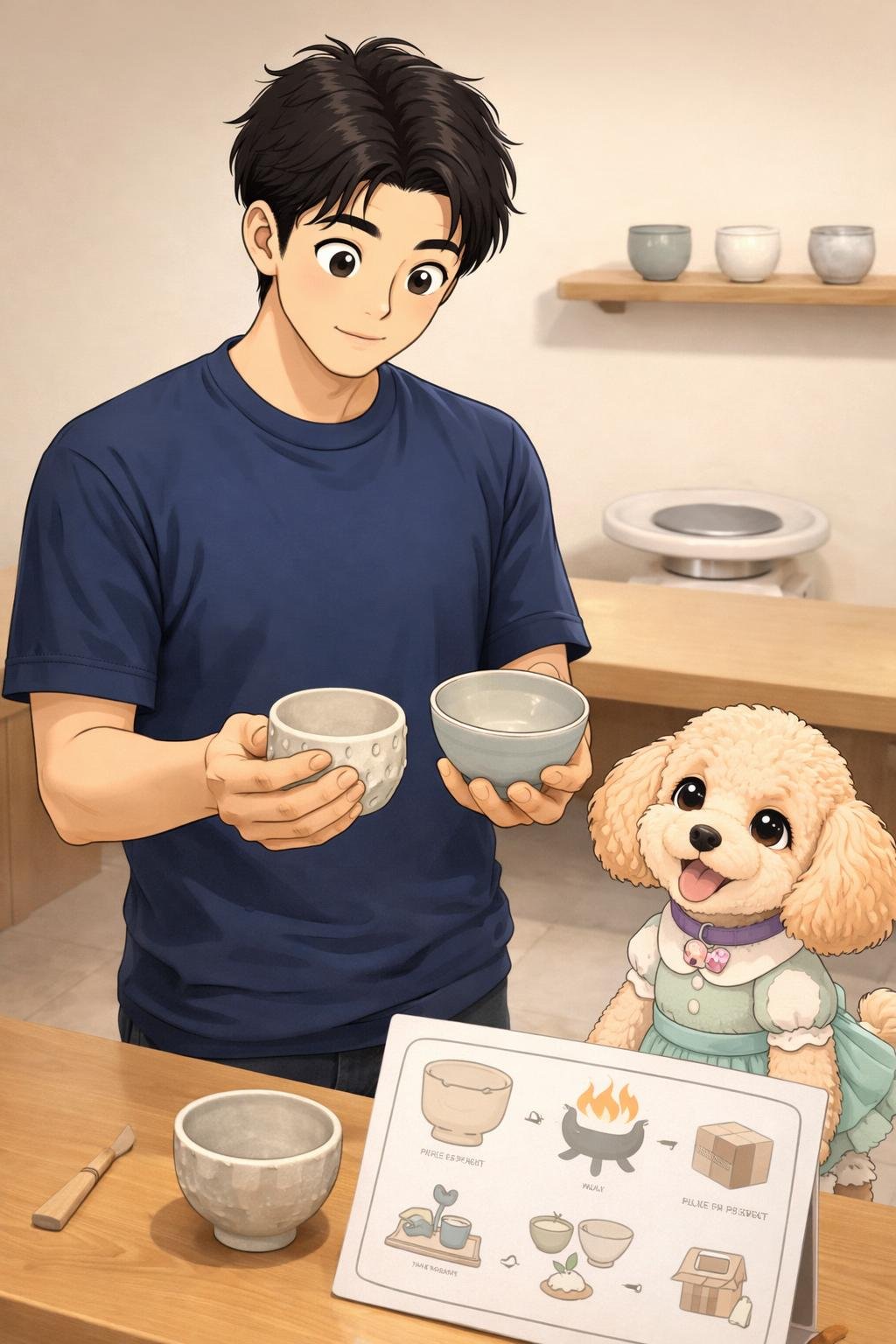
The first decision is not simply which studio looks attractive. You need to choose a class that matches what you actually want to make and how much instruction you need.
Hand-Building or Pottery Wheel?
Hand-building is generally the more flexible choice for first-time visitors. It allows you to work slowly, adjust the shape, and add handles or decorative details. It is also suitable for groups whose members have different skill levels.
Wheel throwing offers the familiar experience of shaping clay on a spinning wheel. It can be satisfying, but centering the clay takes practice. In a short beginner session, the instructor may guide your hands, correct the shape, or finish part of the piece for you.
If you want to say that you personally formed the entire object, ask how much hands-on control participants receive. Some introductory wheel sessions involve substantial instructor assistance so that visitors can complete a usable form within the scheduled time.
Questions to Ask Before Booking
- Is this hand-building, wheel throwing, or ceramic painting?
- Is the class designed for complete beginners?
- How many pieces can each participant make?
- Are trimming, glazing, and firing included?
- Can I choose the glaze color?
- How long is the active workshop session?
- When will the finished pottery be ready?
- Is domestic or international shipping available?
- What happens if I leave Korea before the piece is ready?
- What languages can the instructor currently support?
Language support varies. A class advertised through an English-language platform may be easier for an international visitor, but confirm whether the actual instruction is in English, bilingual, translated, or mainly demonstrated visually.
Step 2: Book and Confirm the Finished-Piece Plan
Booking requirements vary by studio. Some accept walk-ins, while others prepare clay and staff according to the number of reservations. Weekend sessions, private classes, and English-supported workshops may require advance booking.
Before paying, check what the listed fee includes. The initial price may or may not cover additional clay, glaze choices, firing, packaging, delivery, or international postage. Do not rely only on photos of finished pottery; read the inclusions and cancellation terms.
The Most Important Question: How Will You Receive It?
Wet clay cannot usually be packed into your luggage immediately. A completed piece generally needs to dry before it can be fired. Depending on the process, the studio may also trim, glaze, and fire it again.
Turnaround time differs by studio, firing schedule, technique, and season. Confirm the current estimate directly with the venue. Your options may include:
- Returning to the studio for pickup
- Domestic delivery to a Korean address
- International shipping where offered
- Leaving the piece if shipping is unavailable or impractical
If shipping is offered, ask about the carrier, tracking, packaging, estimated dispatch date, and what happens if the pottery cracks during firing or transit. Ceramic pieces can change shape or develop small irregularities during drying and firing, so confirm the studio’s remake or refund policy.
Step 3: Prepare for the Workshop
You normally do not need specialist equipment, but pottery can be messy. Clay splashes, glaze materials, and water may reach your sleeves, shoes, or personal items.
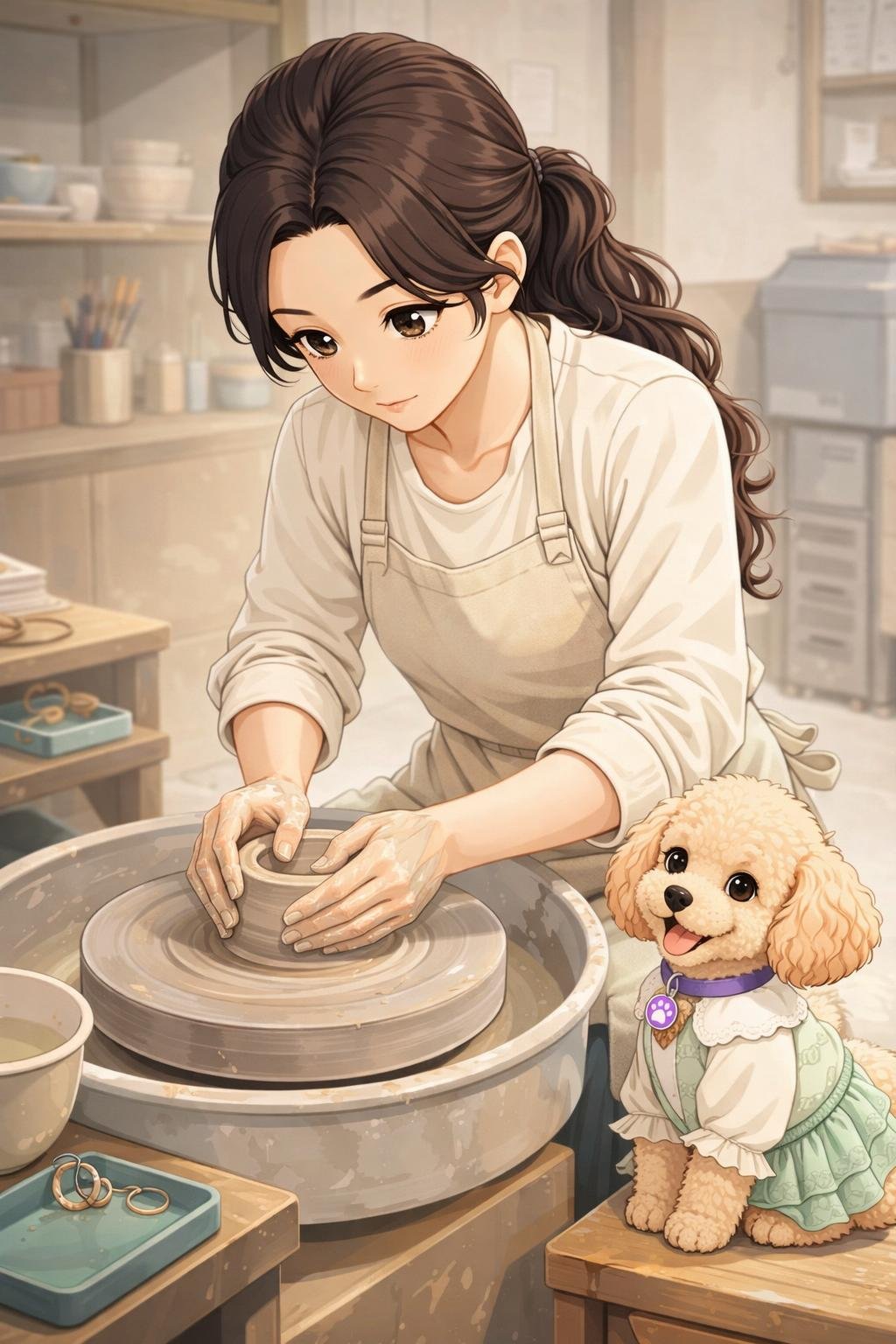
What to Wear
- Wear comfortable clothes that can tolerate clay or water marks.
- Choose sleeves that can be rolled securely above the wrists.
- Avoid loose bracelets, watches, and rings while shaping clay.
- Tie back long hair before using a pottery wheel.
- Wear stable shoes, especially if the floor may become damp.
- Keep fingernails reasonably short if you want easier control of soft clay.
Many studios provide an apron, but this is not universal. Ask before visiting or bring clothing that you do not mind getting dirty. Clay can sometimes leave residue even after brushing or washing.
What to Bring
- Your booking confirmation
- A payment method accepted by the studio
- The Korean address and phone number of your accommodation, if delivery may be needed
- A hairstyle tie if you have long hair
- A simple design reference saved on your phone
- A translation app for detailed questions
Foreign-card acceptance and payment methods vary by venue. Confirm whether you need to pay online, on arrival, or separately for shipping.
Step 4: What Happens When You Arrive?
Arrival procedures differ, but a beginner workshop often follows this sequence:
- Check in and confirm your reservation.
- Store coats, bags, and valuables away from the work area.
- Put on an apron and wash or prepare your hands as instructed.
- Listen to a safety and technique demonstration.
- Choose a form, size, or design within the class limits.
- Shape or decorate the piece with instructor guidance.
- Add an approved mark, initials, or identification code.
- Select a glaze or finish if that option is included.
- Confirm pickup or shipping details before leaving.
Arrive on time. A demonstration at the beginning may explain how to use the wheel, tools, and clay safely. If you arrive late, the studio may not be able to restart the full explanation or extend your session.
Step 5: Shape Your Ceramic Piece
For hand-building, the instructor may teach you to compress the clay, join pieces securely, and keep the walls at a workable thickness. For wheel throwing, you may begin by centering the clay before opening and raising the walls.
Follow the instructor’s limits on size and thickness. An oversized base, very thin handle, or heavy decoration may dry unevenly or break. A simpler piece often survives the ceramic process more reliably than an ambitious design made under time pressure.
Expect the Final Piece to Look Different
Clay can shrink during drying and firing. Glaze colors may also look different before firing, so a pale or dull-looking surface in the studio can become darker, brighter, or glossier later.
Ask to see fired samples of the available glaze colors rather than judging only from liquid glaze or an unfired example. Even then, handmade pottery can show natural variation.
Step 6: Add Korean-Inspired Decoration Thoughtfully
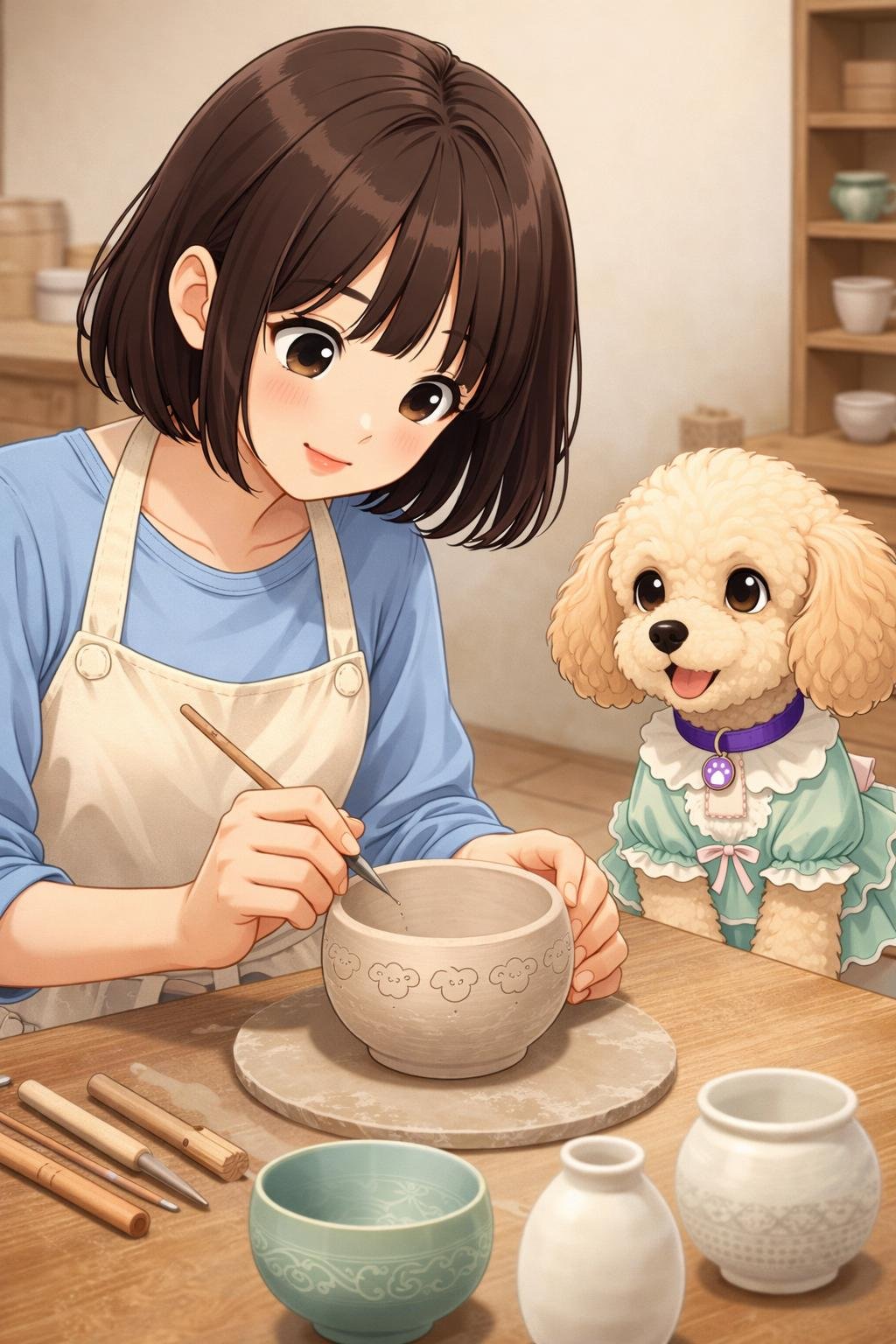
Decoration is often the part that makes a Korean pottery workshop culturally memorable. Depending on the class, you might carve a simple pattern, use stamps, brush on pigment, or choose a glaze associated with Korean ceramic aesthetics.
Common sources of inspiration may include:
- Soft green colors associated with celadon
- White porcelain and restrained decoration
- Floral, cloud, crane, or geometric motifs
- Buncheong-inspired stamping, carving, or white slip effects
- Simple forms based on bowls, cups, jars, or small dishes
A motif appearing in a modern class is not automatically an exact reproduction of a historical artifact. If you want historical context, ask the instructor which period, material, or object inspired the design. Visiting a ceramics collection at a museum can also help you recognize the difference between Goryeo celadon, buncheong ware, and Joseon white porcelain.
Can You Write Korean on the Pottery?
Some studios allow initials, short Korean words, dates, or small messages. Check the available space and ask whether your lettering method is suitable for the clay or glaze.
If you do not read Korean, verify the spelling before applying a permanent design. Keep the phrase short and avoid copying decorative characters from an unverified online image.
Glazing, Firing, and Food Safety
The studio may ask you to choose a glaze before you leave, or staff may apply a standard finish after the class. In other workshops, participants decorate with underglaze colors themselves.
If you plan to use the item for food or drinks, ask the studio whether the completed piece is intended to be food-safe. Also confirm whether it is suitable for:
- Hot beverages
- Microwave use
- Dishwasher use
- Oven use
- Frequent soaking or washing
Do not assume that every handmade ceramic object is suitable for cooking or serving food. Decorative items, certain finishes, and pieces with cracks or exposed surfaces may require different care. Follow the maker’s instructions for the finished item.
Pottery Workshop Etiquette and Safety
- Wait for instructions before operating a pottery wheel or electrical equipment.
- Do not enter kiln, firing, storage, or staff-only areas.
- Use only the amount of clay and materials included in your session.
- Do not handle another participant’s wet or finished work.
- Keep phones and cameras away from wet clay and moving equipment.
- Ask before photographing the instructor, other participants, or private studio areas.
- Clean tools and your workspace according to the studio’s system.
- Do not pour clay-filled water into a sink unless staff specifically instruct you to do so.
Studios have their own cleanup procedures because clay sediment can affect plumbing and equipment. Follow the venue’s instructions rather than cleaning tools as you would at home.
Photography Tips
Pottery workshops can produce excellent travel photos, especially during wheel throwing or decoration. Ask about photography before the class begins so you do not interrupt the instructor later.
If you are working alone, a small phone stand may be useful only if the studio permits it and it does not block a walkway or workspace. Avoid touching your phone with clay-covered hands. For wheel sessions, take photos during a pause rather than trying to film while controlling the clay.
Some studios may restrict filming of teaching methods, other customers, artworks, or kiln areas. Photography rules vary, so confirm them on arrival.
Accessibility, Age, and Participation Considerations
Pottery can involve sitting for an extended period, leaning over a table, using foot pedals, applying hand pressure, or moving around wet floors. Wheel and table heights may not suit every participant.
Before booking, ask about any needs involving:
- Step-free access and elevators
- Wheelchair-compatible tables
- Seating with back support
- Alternative hand-building options
- Hand strength or fine-motor assistance
- Sensory sensitivity to clay textures or studio noise
- Age requirements for children
- Adult supervision rules
Do not assume that every studio has the same facilities. Accessibility and participation policies vary significantly, particularly in small or upper-floor workshops.
K-Nana Family Guide
Dad: Confirm What You Are Actually Booking
Dad checks whether the listing means wheel throwing, hand-building, or painting. His first question is whether firing and delivery are included, because the piece will probably not leave the studio on the same day.
Mom: Prepare for Clay, Payment, and Delivery
Mom chooses washable clothing, removes jewelry, and confirms the full cost before the class. She also checks payment methods, pickup timing, shipping arrangements, and whether the finished object is intended for food use.
Daughter: Enjoy the Handmade Differences
Daughter saves a simple design reference but leaves room for the clay to guide the result. She asks before filming, keeps her phone away from wet hands, and treats small variations as part of the handmade experience.
Nana: Keep It Simple
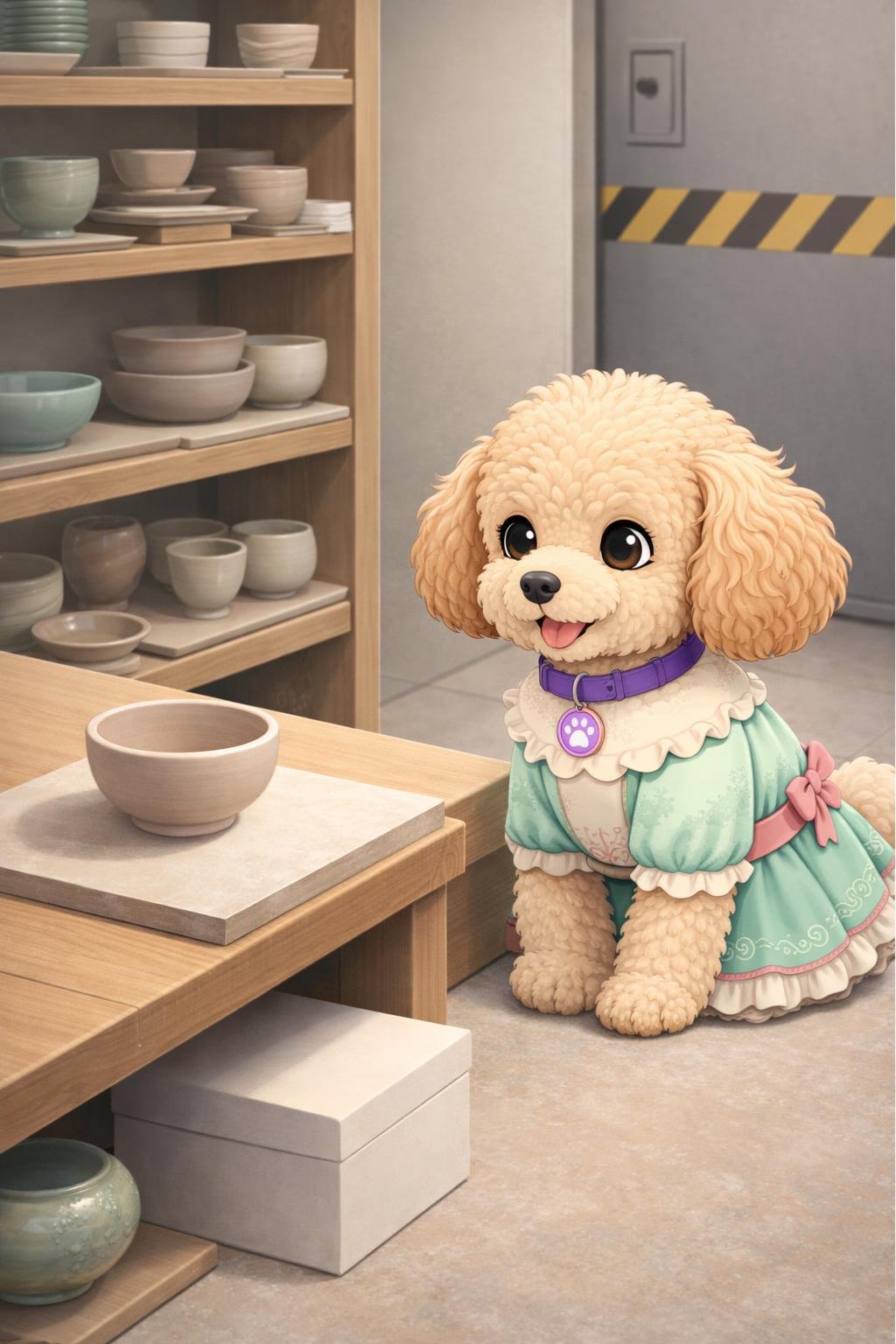
Nana’s tip: “A small bowl finished well makes a better souvenir than a giant masterpiece that cannot survive the kiln!”
Common First-Timer Mistakes
- Booking the wrong format: A pottery-painting class is different from making an object from wet clay.
- Expecting same-day pickup: Drying, glazing, and firing normally happen after the session.
- Ignoring shipping details: International delivery may be unavailable, expensive, or arranged separately.
- Choosing an overly complex design: Thin handles and heavy decorations can be difficult for beginners.
- Wearing delicate clothing: Clay and glaze residue can splash beyond the apron.
- Assuming English instruction: Confirm current language support before booking.
- Assuming the item is food-safe: Ask about intended use and care instructions.
- Applying Korean text without checking it: Verify spelling before making the design permanent.
- Scheduling too close to departure: You may not have time to collect the finished pottery.
Practical Korean Pottery Workshop Checklist
- Choose hand-building, wheel throwing, or painting.
- Confirm that the class accepts complete beginners.
- Check the class language and demonstration style.
- Ask how many pieces are included.
- Confirm whether glazing and firing are included.
- Check the current completion estimate.
- Arrange pickup or shipping before paying.
- Confirm all additional delivery and material charges.
- Wear comfortable, washable clothing.
- Tie back long hair and remove hand jewelry.
- Bring a simple design rather than an elaborate plan.
- Ask before taking photos or videos.
- Confirm food-use and care instructions for the finished piece.
- Save the studio’s contact details until your pottery arrives.
Frequently Asked Questions
Can foreigners join a Korean pottery workshop?
Yes, many workshops accept international visitors. However, language support, booking systems, and payment methods vary. Confirm the current arrangements with the studio before visiting.
Do I need pottery experience?
Not for a beginner class. Look for a workshop specifically described as suitable for first-time participants. An instructor may demonstrate each step and help correct the shape.
Should I choose hand-building or a pottery wheel?
Choose hand-building if you want more time and control over a decorative shape. Choose the wheel if the spinning and shaping process is your main reason for attending. Wheel throwing may involve more instructor assistance.
Do I need a reservation?
It depends on the venue. Small studios may require reservations because class sizes, materials, and staff are limited. Check current booking requirements rather than relying on walk-in availability.
How long does a pottery workshop take?
Session length varies according to the format, group size, and number of pieces. Confirm whether the advertised duration includes orientation, cleanup, and decoration as well as clay work.
Can I take my pottery home on the same day?
Usually not if you make it from wet clay. The piece generally needs to dry and be fired. Ceramic painting experiences may also require later firing. Ask when and how the finished item will be available.
Can the studio ship my pottery overseas?
Some studios may offer international shipping, while others provide only pickup or domestic delivery. Confirm destinations, costs, tracking, packaging, and breakage policies before booking.
Will my finished piece look exactly as it did in the workshop?
No. Clay can shrink, warp, crack, or change color during drying and firing. Glaze appearance can also change significantly in the kiln. Handmade variation is normal, but the studio should explain its policy for major firing failures.
Can I make a traditional Korean ceramic piece?
Possibly, but check what “traditional” means in the specific class. A workshop may teach a historically informed technique, use a traditional-style motif, or simply offer a modern design inspired by Korean ceramics.
Can children participate?
Age limits and adult-supervision requirements vary. Ask whether the class format, tools, furniture, and session length are appropriate for the child before reserving.
What should I do if I have limited hand mobility?
Contact the studio in advance. Hand-building may be adaptable, but available support, table height, wheel controls, and accessible facilities differ by venue.
Final Takeaway
A Korean pottery workshop offers a slow, creative way to connect with Korea’s ceramic culture while making a personal travel keepsake. The most important first-time decision is choosing the correct class format and understanding what happens to the pottery after the hands-on session.
Before visiting, confirm the teaching language, total cost, firing process, completion time, pickup or shipping method, accessibility, and intended use of the finished item. Wear practical clothes, keep your design manageable, and expect handmade variations after firing.
References
- Korea Tourism Organization, VISITKOREA cultural experience and traditional craft information.
- National Museum of Korea, Korean ceramics collection and educational resources.
- Korea Ceramic Foundation, information about Korean ceramic culture, museums, exhibitions, and regional ceramic heritage.
- National Intangible Heritage Center, information about Korean traditional crafts and heritage practices.
- Official information from the relevant pottery studio, museum, cultural center, or booking provider selected by the traveler.
Image Credits
- Image 01: K-Nana Studio original visual introducing the family’s Korean pottery workshop experience.
- Image 02: K-Nana Studio original visual showing Dad and Nana considering beginner pottery class options.
- Image 03: K-Nana Studio original visual showing Mom preparing for and handling the practical pottery-making process, with Nana in a separate safe mascot position.
- Image 04: K-Nana Studio original visual showing Daughter decorating a Korean-inspired ceramic piece, with Nana observing safely as the studio mascot.
- Image 05: K-Nana Studio original visual featuring Nana’s final reminder to keep the first pottery project simple.
Disclaimer
This article provides general travel, cultural, and educational information. Prices, opening hours, reservations, class languages, payment methods, firing schedules, shipping services, age limits, participation requirements, accessibility, photography rules, and studio house rules may vary or change.
Ceramic materials, finishes, food-use suitability, and care requirements also depend on the individual studio and piece. Confirm important current information directly with the relevant official source, booking provider, or venue before visiting or paying for a workshop.