
Korean Baseball Game Experience: Tickets, Cheering Culture, Stadium Food, and First-Time Tips
A Korean baseball game is part sporting event, part organized cheering performance, and part casual food outing. Even visitors who do not closely follow baseball can enjoy the energetic songs, coordinated movements, team colors, and stadium snacks.
The experience can also be confusing for a first-time international visitor. Ticket platforms may require Korean-language navigation, home and away supporters often gather in different seating areas, and the cheering continues through much of the game. Food, payment, entry, and rain policies can vary by stadium and match.
This guide explains how to choose a game, buy a ticket, find the right seat, order stadium food, join the cheering, and avoid common mistakes at your first Korean baseball game.

What Is a Korean Baseball Game Like?
Professional baseball in South Korea is organized around the Korea Baseball Organization, commonly called the KBO. Regular-season games are played by clubs based in several cities, including Seoul, Busan, Incheon, Suwon, Daejeon, Daegu, Gwangju, Changwon, and other locations depending on the current league structure and venue arrangements.
The basic rules will feel familiar if you have watched baseball elsewhere. The atmosphere, however, can be very different. Each team has songs, chants, colors, cheering leaders, and performance traditions. Rather than cheering only after a major play, supporters may sing for individual batters throughout their team’s offensive innings.
You do not need to know every baseball rule or speak Korean to participate. Watching the crowd, following the cheer leader’s movements, and repeating simple sounds or a player’s name are enough for a beginner.
Why Try a Baseball Game in Korea?
- It is beginner-friendly: You can enjoy the atmosphere even without detailed knowledge of baseball.
- It offers local culture in real time: Songs, food, team loyalty, and group participation are all part of the event.
- It works for different travel styles: You can focus on the sport, the cheering, photography, or a relaxed evening with food.
- It is highly social: The crowd often participates together instead of watching silently.
- It can fit into a city itinerary: Many stadiums are connected to urban public transportation, although travel time and last-train timing should be checked.
Where Can You Watch Professional Baseball?
KBO clubs play at home stadiums around Korea. Seoul-area visitors may see games at venues in Jamsil or Gocheok, while other major baseball cities include Busan, Incheon, Suwon, Daejeon, Daegu, Gwangju, and Changwon.
Do not assume that every team always plays at the stadium most commonly associated with it. Schedules, special games, venue arrangements, and postseason locations can change. Confirm the official schedule and stadium name before booking transportation.
If you attend a game in Jamsil, the surrounding Jamsil and Seokchon Lake area can also be useful for meals, shopping, or a walk before the game. Leave enough time to reach the correct stadium gate, especially during evening rush hour.
Step 1: Choose the Team, Date, and Seating Area
Start with the official KBO schedule or the participating teams’ official channels. Check all of the following:
- Home team and visiting team
- Stadium name and city
- Game date and starting time
- Whether ticket sales have opened
- Potential weather disruption
- Transportation after the expected game time
Baseball games do not have a guaranteed finishing time. Extra innings, pitching changes, weather delays, and the pace of play can extend the evening. Avoid planning a tightly timed reservation immediately afterward.
Home Side or Away Side?
Fans of the two teams are often concentrated in different sections. The exact orientation varies by stadium, so do not rely only on a general rule such as “first-base side” or “third-base side.” Check the seat map and the current ticket notice for the venue.
If you want the strongest cheering atmosphere, look for a designated cheering section or seats near the cheer stage. If you prefer easier conversation, fewer people standing in front of you, or a calmer view of the whole field, choose a section farther from the main cheering area.
| Seat Type | Best For | What to Consider |
|---|---|---|
| Cheering section | Songs, chants, and high energy | May be loud, crowded, and active for long periods |
| Infield seating | Closer views of players and game action | Prices and sightlines vary by block |
| Outfield seating | A more casual experience or different field perspective | Farther from some plays and main cheer stages |
| Table or special seating | Food, personal space, or small groups | Availability, layout, and rules differ by stadium |
| Accessible seating | Visitors with mobility requirements | Confirm location, companion seating, route, and booking procedure in advance |
Step 2: Buy Your Baseball Ticket
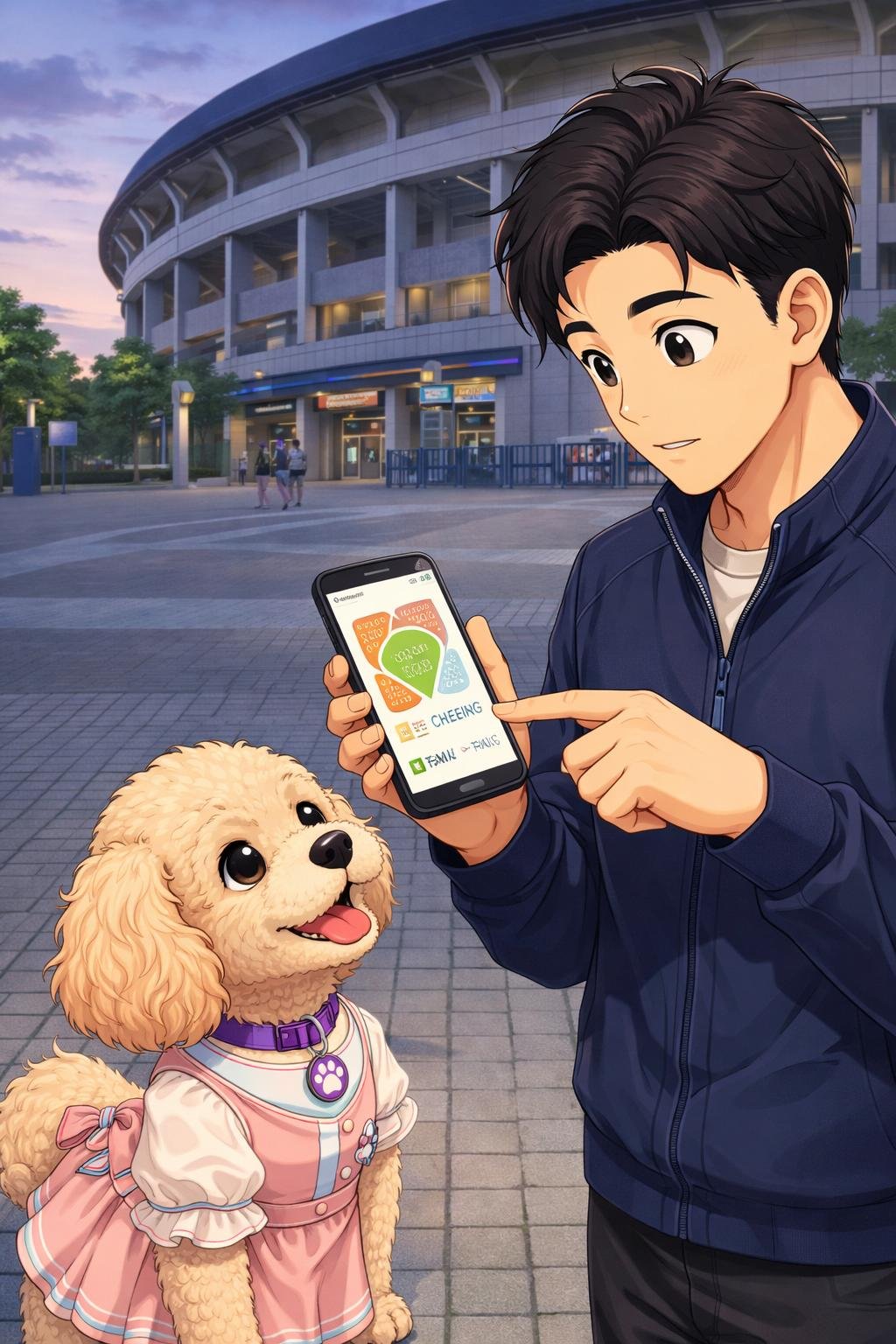
Ticket sales may be handled through a team’s official website, app, or designated ticketing platform. The platform and sales-opening time can differ by club and match. Popular weekend games, rivalry games, final home games, and postseason games may sell quickly.
International visitors can encounter several difficulties:
- A Korean-language booking interface
- Account registration requirements
- Korean mobile phone verification
- Payment authentication that does not support every foreign card
- A ticket issued through an app rather than as a printable document
- A purchaser-name check at the box office
Do not assume that one booking method works for every club. Before ticket sales begin, check the team’s current official ticket notice and the requirements of its authorized ticket platform.
If Online Booking Does Not Work
Some venues may sell remaining tickets at an on-site ticket office, but same-day availability is never guaranteed. Sales methods, box-office opening times, purchase limits, and accepted payment methods vary.
If you plan to ask hotel staff, a local acquaintance, or a concierge service for booking help, make sure you understand:
- Whose name will appear on the reservation
- Who receives the mobile ticket or confirmation message
- Whether the purchaser must be present
- How ticket transfer or collection works
- What identification is required
- Whether cancellation is possible and what deadline applies
A screenshot may not be accepted if the ticket uses a moving barcode, rotating QR code, or app-based validation. Follow the current instructions for the specific ticket.
Avoid Unofficial Resale Risks
Unofficial resale can involve inflated prices, duplicated codes, invalid tickets, or tickets that cannot be transferred properly. Use official or clearly authorized sales channels whenever possible. Check the current organizer rules before accepting a transferred ticket.
Step 3: Prepare Before Going to the Stadium
Check the weather on game day. Some Korean baseball stadiums are open-air, while others have different levels of roof coverage. Rain, strong sun, heat, cool evening temperatures, and wind can affect comfort.
What to Wear
- Comfortable clothing that allows you to sit and stand repeatedly
- Walking shoes for station transfers, stairs, and stadium concourses
- A light layer for cooler evenings or air-conditioned indoor areas
- Sun protection for exposed daytime seats
- A compact rain item if permitted by the venue
Team uniforms and caps are optional. Wearing neutral clothing is completely acceptable. If you want merchandise, check whether official stores operate at the stadium and whether they are open for your game. Product stock and store hours can change.
What to Bring
- Your mobile ticket, booking confirmation, or collection details
- Passport or other identification if the ticket instructions require it
- A charged phone and portable battery
- A payment method accepted at the venue
- Any essential personal medication
- Only bags and items permitted under the stadium’s current entry rules
Large bags, cans, glass containers, professional camera equipment, umbrellas, or other items may be restricted. Rules vary by stadium and can change, so check the official prohibited-items list before leaving.
Step 4: Arrive, Collect Your Ticket, and Enter
Arrive early enough to find the correct gate, resolve ticket problems, buy food, and locate your seat. Crowds can build near game time, particularly at major stations and stadium entrances.
If you need to collect a physical ticket, locate the correct box office before joining an entry line. Keep the reservation number, purchaser information, and any required identification ready.
At the Gate
Entry procedures may include scanning a mobile or paper ticket and checking bags. Re-entry policies differ, so ask before leaving the stadium after admission.
Once inside, match the section, row, and seat number printed on your ticket. Korean stadiums may have multiple levels and similarly numbered blocks. Ask an usher for help rather than entering a restricted section or repeatedly climbing between levels.
A useful phrase is “I jari eodiyeyo?”, meaning “Where is this seat?” You can also show the ticket screen while asking.
Stadium Food: How to Order and What to Check
Eating during the game is a major part of Korean baseball culture. Depending on the stadium, you may find concession stands, convenience-style counters, local vendors, franchise restaurants, or temporary stalls.
Common choices can include fried chicken, tteokbokki, gimbap, dumplings, noodles, sausages, snacks, and drinks. The actual selection varies significantly by venue and may change by season.
Korean fried chicken is especially associated with casual sports viewing, but do not expect every vendor to offer the same flavors, portion sizes, or ingredients. Spicy sauces may contain gochujang or other seasonings, while soy-based and seasoned products can still contain allergens.
How Ordering Usually Works
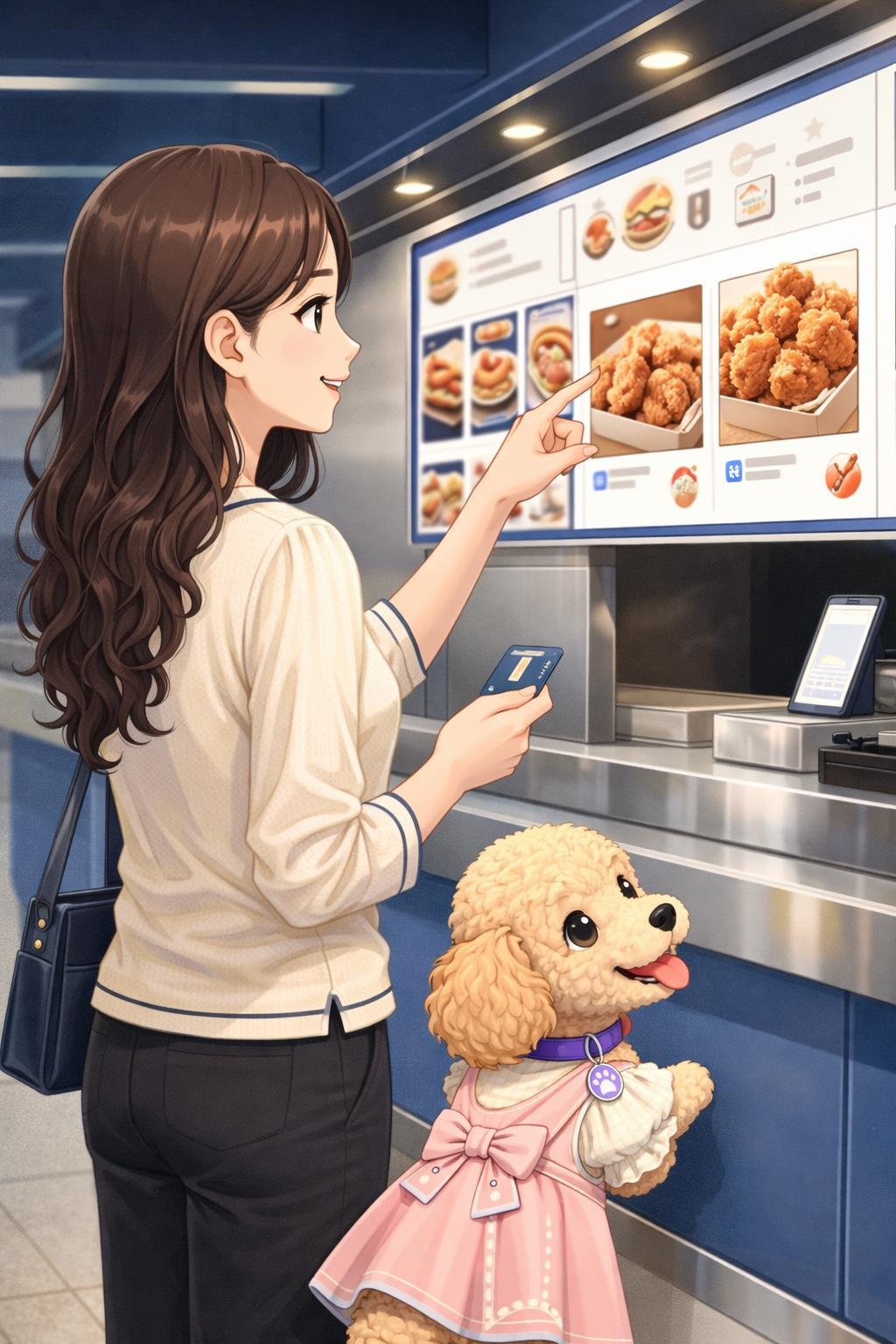
- Look at the menu board before reaching the counter.
- Choose the item, quantity, and flavor or spice option if available.
- Point to the menu photo or show a translated item name if needed.
- Confirm whether you should wait at the counter or collect the order elsewhere.
- Keep the receipt or order number until collection.
English menus and English-speaking staff are not guaranteed. A translation app and a screenshot of the desired item can help. Avoid holding up a busy line while deciding among many options; step aside and review the menu first when possible.
Outside Food, Drinks, and Delivery
Some baseball venues permit certain outside foods, while container, alcohol, delivery, and gate-entry rules can differ. Do not assume that food policies are identical across the league. Confirm the current stadium rules, including whether delivery orders can be collected at a designated location.
Beer and other alcoholic beverages may be sold at some venues, subject to current rules. Drink responsibly, keep aisles clear, and do not carry open drinks through crowded rows if you can avoid it.
Allergies and Dietary Restrictions
Recipes and cooking practices vary. Fried foods may share oil, sauces can contain soy, wheat, seafood, nuts, dairy, or other allergens, and meat-free-looking dishes may use fish-based or meat-based ingredients.
If you have a serious allergy or medically necessary dietary restriction, confirm ingredients and cross-contact risks directly with the vendor. If clear confirmation is not possible, bring a suitable permitted alternative or eat before entering, subject to the stadium’s current food policy.
Nana represents the K-Nana Studio mascot in food-related scenes, not a real pet participating at a concession stand or dining area. Real pet access is subject to stadium policy, and animals should never be assumed to be permitted.

How Korean Baseball Cheering Works
The most distinctive moment for many visitors begins when their team comes to bat. A cheer leader or cheering squad directs the crowd while music and chants are played for individual batters.
Supporters may:
- Sing a player’s name or personal cheer song
- Repeat short team chants
- Clap inflatable cheering sticks together
- Follow simple arm movements
- Stand during especially energetic moments
- Celebrate runs with team songs
You are not required to participate. It is fine to watch quietly, especially while learning the rhythm. If you want to join, copy the nearby fans and focus on the repeated part of the chant.
Do You Need to Learn the Songs?
No. Regular supporters may know many player songs, but first-time visitors can participate with clapping and simple repeated phrases. Lyrics are sometimes displayed on stadium screens, although English or romanized versions are not guaranteed.
The coordinated energy may feel familiar to travelers who have seen K-pop fan chants, but baseball cheering has its own team-based traditions and game rhythm. Watch how the crowd responds to each batter rather than treating it like a concert performance.
Cheering Etiquette
- Cheer for your team without insulting players or opposing supporters.
- Do not block another person’s view for long periods outside an active cheering area.
- Follow ushers’ instructions about standing, aisles, and restricted spaces.
- Keep cheering tools away from other spectators’ faces and food.
- Do not throw objects onto the field.
- Respect nearby families and visitors who prefer less intense participation.
Photography and Video
Casual phone photography is generally part of the spectator experience, but venue rules determine what equipment and recording are allowed. Restrictions may apply to tripods, long lenses, commercial photography, live streaming, prolonged video recording, or blocking aisles.
Take photos from your own seat without leaning into another spectator’s space. Avoid using bright flashes toward players, performers, or nearby fans. If you photograph identifiable strangers at close range, ask permission before posting the image publicly.
The cheering sections can produce lively photos, but keep your attention on moving crowds, steps, food trays, and sudden foul balls. Follow stadium safety announcements throughout the game.
Weather Delays, Postponements, and Cancellations
Weather can affect outdoor games before or after the scheduled starting time. A forecast of rain does not automatically mean that a game has already been canceled.
Check official team, league, stadium, or ticket-platform announcements rather than relying only on a weather app. If a game is postponed or canceled, refund and ticket-validity procedures depend on the seller and event rules.
Do not discard your ticket or booking confirmation until the official procedure is clear. If you bought through another person, the refund may return to the original payment method rather than directly to you.
Leaving the Stadium
Large numbers of spectators may leave at the same time. Nearby subway platforms, buses, taxis, and pedestrian routes can become crowded.
Before the game, check:
- The route from your gate to the nearest useful station
- The final train or bus connection to your accommodation
- An alternative route if the main station is congested
- Whether you are comfortable leaving before the final inning if necessary
If you stay until the end, be patient and follow crowd-control directions. Do not stop at the top of stairs or immediately outside a gate to organize your group.
K-Nana Family Guide
Dad: Make the Seating Decision First
Dad’s first question is not simply, “Which ticket is cheapest?” It is, “Do we want the loud cheering section or a calmer view?” Choosing the correct team side and atmosphere prevents the most common first-time seating disappointment.
Mom: Check the Changeable Details
Mom checks the weather, permitted bag size, food rules, payment options, accessibility needs, and ticket-collection instructions. She also avoids assuming that every concession can explain allergens or accept the same payment method.
Daughter: Learn by Watching the Crowd
Daughter does not memorize every song before the game. She watches one cheering sequence, finds the repeated movement, and joins the next round. She takes a few photos without blocking the row, then puts the phone down for the liveliest inning.
Nana: Keep One Eye on the Last Train
Nana’s mascot tip: cheer loudly, but check your route home before the ninth inning!
Common First-Time Mistakes to Avoid
- Booking the wrong supporter section: Verify the home and away cheering areas on the stadium’s current seat map.
- Assuming a foreign card will work: Check the ticket platform and prepare an alternative official booking approach.
- Arriving just before the first pitch: Ticket collection, food lines, and gate queues can take time.
- Relying on a ticket screenshot: Some mobile tickets require an active app or changing code.
- Ignoring weather announcements: Outdoor baseball schedules can change.
- Planning a fixed end time: The length of a game is not guaranteed.
- Bringing restricted containers or equipment: Review the current entry policy.
- Standing in the aisle for photos: Keep evacuation and service routes open.
- Assuming food ingredients: Ask directly when allergies or dietary restrictions matter.
- Buying unofficial resale tickets without checking transfer rules: A code or screenshot may be invalid.
Practical Korean Baseball Game Checklist
- Confirm the date, teams, stadium, and start time.
- Check which side supports the home and visiting teams.
- Choose between an energetic cheering section and a calmer seat.
- Review the official ticket platform’s account, phone, and payment requirements.
- Save the correct ticket-access or collection instructions.
- Check the weather and official game-status announcements.
- Review bag, food, drink, camera, and prohibited-item rules.
- Bring required identification and charge your phone.
- Confirm transportation and last-train timing.
- Arrive early for ticket issues, merchandise, food, and seat-finding.
- Ask vendors directly about important allergens or dietary needs.
- Keep your ticket information until any cancellation or refund issue is resolved.
Frequently Asked Questions
Can foreigners attend a Korean baseball game?
Yes. International visitors can attend, and you do not need to understand Korean or know every baseball rule. The main difficulty may be ticket booking because platforms and verification requirements differ by team.
Do I need to reserve a ticket in advance?
Advance booking is recommended for popular games and desirable seating areas. Same-day tickets may be available for some matches, but availability and box-office procedures are not guaranteed.
How long does a Korean baseball game take?
There is no fixed finishing time. The pace of play, extra innings, pitching changes, and weather delays can all affect the duration. Keep your evening schedule flexible.
Which seats are best for cheering?
Choose a designated cheering section near your team’s cheer stage. The correct side and block vary by stadium, so use the current official seat map rather than a general assumption.
Can I attend if I do not support either team?
Yes. Neutral visitors are welcome to watch the game and atmosphere. You can choose a team for the evening, wear neutral colors, or sit outside the most concentrated supporter sections.
Can I bring food into a Korean baseball stadium?
Policies vary by venue. Some stadiums allow certain foods but restrict containers, alcohol, delivery access, or other items. Check the current official rules for your stadium.
Is English available at the stadium?
English signs or assistance may be available in some locations, but the level of support varies. Keep your ticket, seat information, and key translated phrases accessible on your phone.
Can I pay with a foreign credit card?
Foreign-card acceptance is not guaranteed across ticket platforms, concession stands, or merchandise shops. Confirm payment requirements in advance and carry an alternative accepted method when possible.
What happens if the game is canceled because of rain?
Wait for an official announcement. Refunds, rescheduling, and ticket validity depend on the seller and event rules. The refund may return to the original purchaser’s payment method.
Can I take photos and videos?
Casual personal photography may be allowed, but equipment, recording, streaming, and commercial-use rules vary. Follow the current stadium policy and avoid blocking other spectators.
Is a Korean baseball game suitable for children?
Many families attend, but guardians should consider noise, crowds, late finishing times, seating layout, and weather. Check current child-ticket and age-related policies with the team or venue.
Are stadiums accessible for wheelchair users?
Accessible seating, companion-seat rules, elevators, entrances, and booking procedures vary by stadium. Contact the venue or official ticket provider before purchasing so the appropriate route and seat can be confirmed.
Final Takeaway
A Korean baseball game combines professional sport with coordinated cheering, team traditions, and casual stadium dining. It can be enjoyable even if you do not understand Korean or follow the KBO before your trip.
For a smooth first visit, choose the correct supporter section, understand how your mobile or collected ticket works, arrive early, and keep the end of the evening flexible. Before going, confirm the official schedule, weather status, stadium rules, payment options, accessibility arrangements, and transportation home.
References
- Korea Baseball Organization, official league schedules, game information, standings, and announcements.
- Official KBO club websites and social channels, for team schedules, ticket sales, seating maps, and match-day notices.
- Official stadium and municipal facility information, for access, prohibited items, accessibility, and venue rules.
- Korea Tourism Organization and VISITKOREA, for general travel and transportation information in Korea.
- Official ticketing platforms designated by each club, for current booking, cancellation, collection, and refund policies.
Image Credits
- Image 01: K-Nana Studio original visual introducing the family’s Korean baseball game experience.
- Image 02: K-Nana Studio original visual showing Dad and Nana reviewing ticket and seating choices.
- Image 03: K-Nana Studio original visual showing Mom and Nana’s symbolic mascot perspective on safe stadium food preparation and ordering.
- Image 04: K-Nana Studio original visual showing Daughter and Nana experiencing Korean baseball cheering culture.
- Image 05: K-Nana Studio original visual featuring Nana with a final practical game-day reminder.
Disclaimer
This article provides general travel, cultural, and educational information. Baseball schedules, ticket prices, sales platforms, opening times, reservations, refunds, ingredients, payment methods, participation requirements, stadium access, bag policies, food rules, accessibility arrangements, photography rules, and other house rules may vary or change.
Confirm important current information with the Korea Baseball Organization, the relevant team, official ticket provider, stadium, transportation operator, or food vendor before visiting. Travelers with serious allergies, medically necessary dietary restrictions, mobility requirements, or other essential needs should contact the relevant venue or provider directly.