
Visiting a Pharmacy in Korea: What First-Time Travelers Should Know
International visitors may need a pharmacy in South Korea for a minor health concern, a replacement for familiar medicine, or basic travel supplies. The process can be manageable, but differences in medicine names, language support, prescriptions, opening hours, and payment methods require some preparation.
This beginner-focused guide explains how to visit a pharmacy in Korea, communicate with the pharmacist, discuss possible alternatives, and confirm the price and payment method. It also explains what to prepare when your needs involve prescription or complex medicines.
What a Pharmacy Visit in Korea Is Like
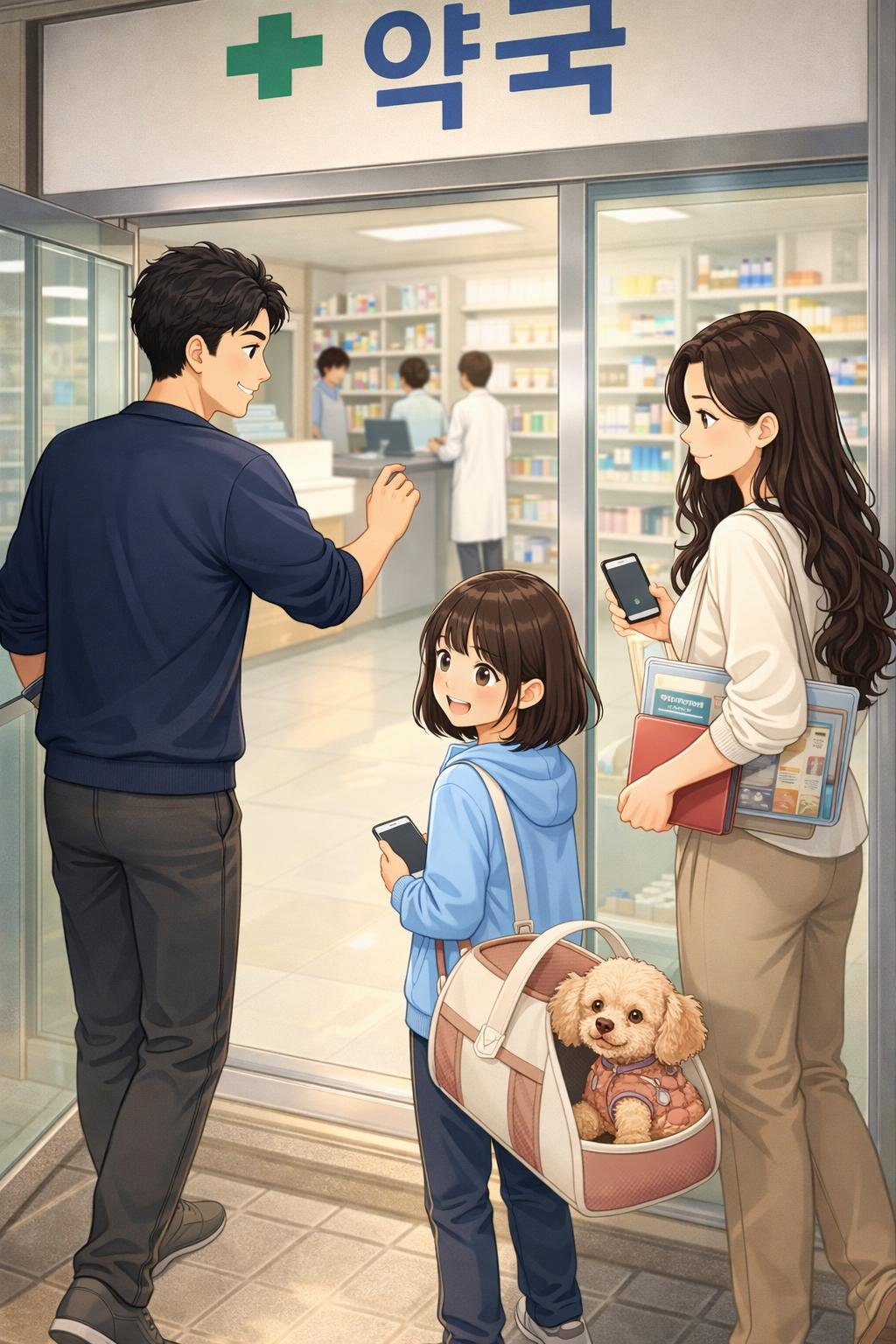
A Korean pharmacy is a place where you can speak with a pharmacist about symptoms and ask what suitable products may be available. The pharmacist may ask questions about your symptoms, allergies, current medicines, and how long you have felt unwell.
If the exact medicine or ingredients you recognize are unavailable, the pharmacist may suggest a local alternative. Do not assume that an alternative has the same ingredients, strength, or directions as your usual product. Ask the pharmacist to explain what it is and how it should be used.
According to the supplied VISITKOREA guidance, pharmacists may also provide a health consultation without requiring a purchase. You can therefore ask for guidance and decide what to do after hearing the available information.
Why International Visitors May Need a Korean Pharmacy
A traveler may visit a pharmacy for help with a minor health need or to look for practical items such as digestive aids, pain-relief products, diarrhea medicine, ointments, or bandages. Availability varies, so these examples should not be treated as a guaranteed product list for every pharmacy.
You might also need help identifying a local equivalent to medicine used at home. Packaging and brand names can differ between countries, which makes a photo, ingredient information, or the original container more useful than relying on a brand name alone.
Pharmacy guidance does not replace appropriate medical care. If your needs are urgent, severe, unclear, or medically complex, seek suitable medical assistance rather than depending only on a pharmacy consultation.
What to Prepare Before You Go
Write down your main symptoms, when they started, and any known allergies. Keep this information short and specific so that it is easier to show directly or enter into a translation app.
- Bring the original medicine package when possible.
- Save clear photos of the front label, ingredient information, and dosage details.
- Record the names of medicines and supplements you currently use.
- Prepare translated symptom and allergy information before entering the pharmacy.
- Keep important information available offline in case your mobile connection is unreliable.
For complex or prescription medicines, the supplied VISITKOREA guidance recommends obtaining a medical record and an English prescription before traveling. Keep extra paper copies or clear photos of these documents. Carrying documentation does not guarantee that a particular medicine will be available, so confirm important medicine needs before and during your trip.
Do not assume that a pharmacy will be open, provide English-language assistance, stock an exact product, charge a particular price, or accept your foreign card. Check current hours and ask the individual pharmacy about availability, price, and payment methods.
How to Find an Open Pharmacy
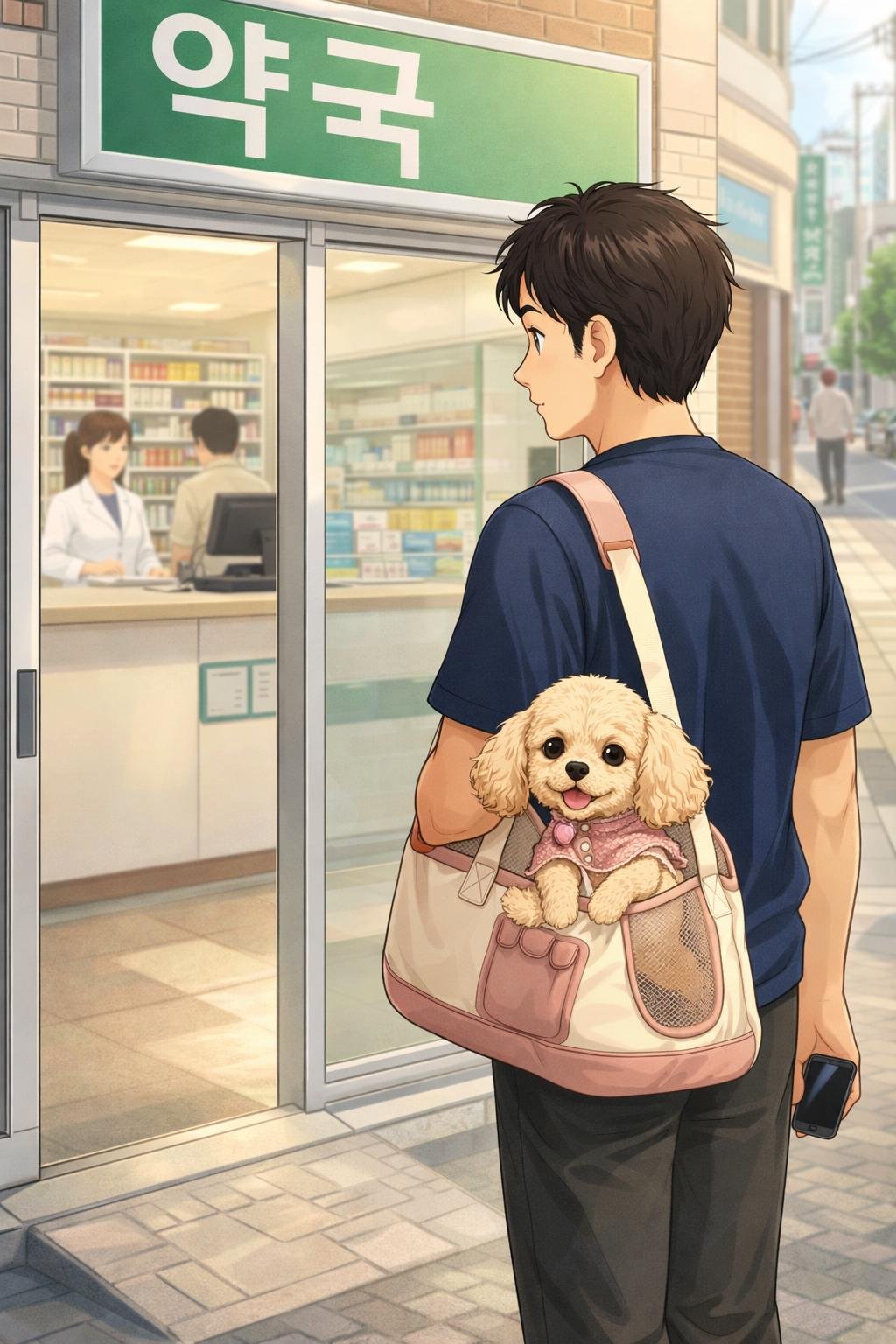
You can search for pharmacies near your accommodation or current location using a map or local search service, but confirm that the displayed operating information is current. Holiday and late-night availability may be different from ordinary daytime service.
The Korean Pharmaceutical Association has holiday-duty and late-night pharmacy websites that list nearby pharmacies and operating hours. Because schedules can change, confirm the details shown before making a long trip to a listed location.
In areas frequently visited by international travelers, some pharmacies may display a sign indicating that language assistance is available. Such a sign can be helpful, but English or another requested language should not be assumed at every location.
Gimpo and Incheon airports have pharmacies that sell travel essentials, according to the supplied VISITKOREA source. Pharmacists there may assemble sets containing items such as digestive aids, painkillers, diarrhea medicine, ointments, and bandages. Current location, hours, stock, and access conditions should still be checked.
Travelers who need visitor assistance can contact the 1330 Korea Travel Helpline at +82-2-1330. Multilingual text chat is also offered. Service details and availability should be checked through the current official information.
How to Visit a Pharmacy in Korea Step by Step
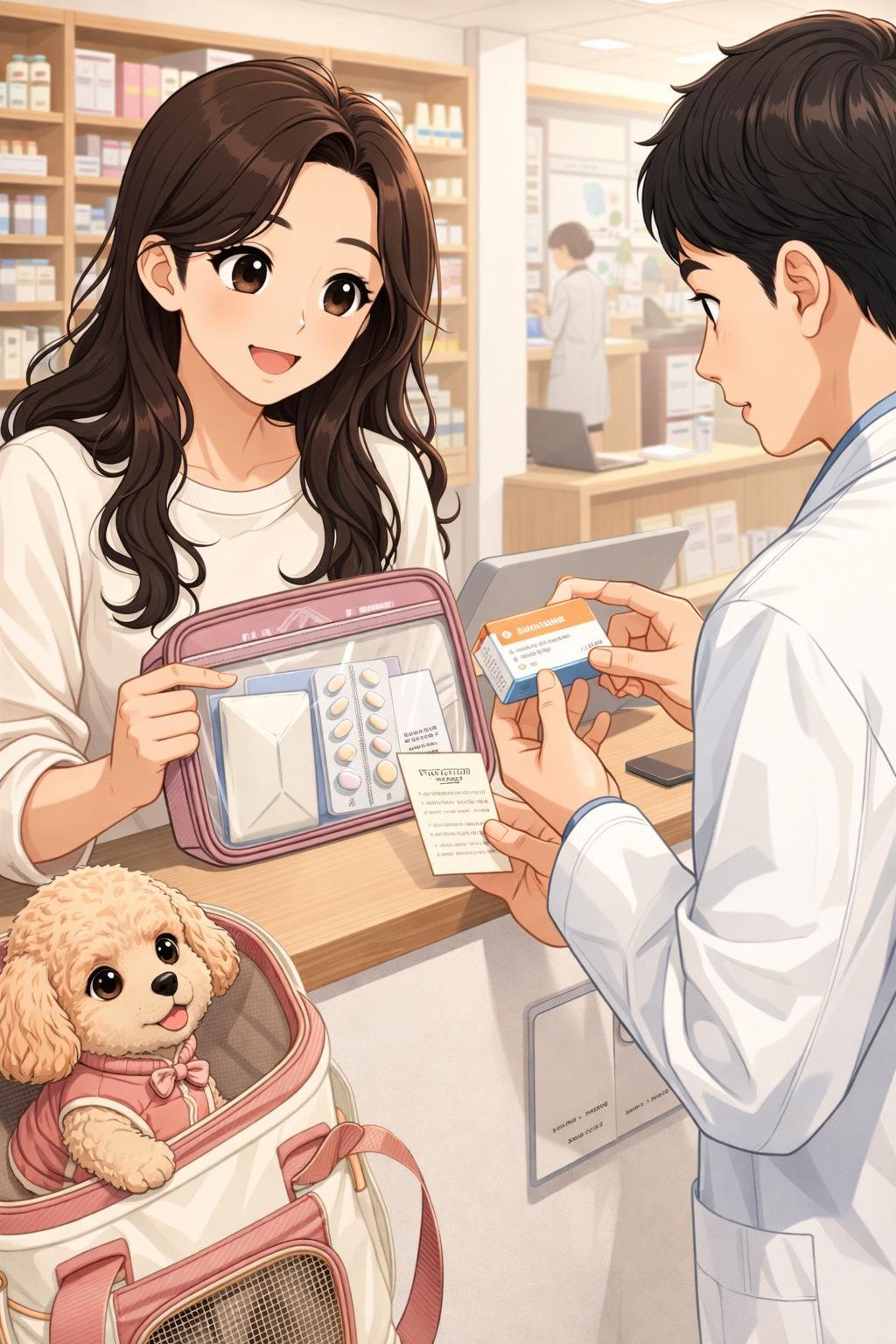
- Locate an open pharmacy. Check a current listing and confirm the operating hours when possible, especially at night or on a holiday.
- Approach the pharmacist. Briefly explain that you need help and present your prepared symptom information.
- Describe the symptoms accurately. Include when they began, how they have changed, and any information that may help the pharmacist understand your request.
- Disclose allergies and current medicines. Show written details instead of depending on memory or pronunciation.
- Use supporting information. If communication is difficult, use a translation app or show the pharmacist the package, ingredient information, prescription, or medicine photo.
- Answer the pharmacist’s questions. If you do not understand a question, ask for it to be written or translated rather than guessing.
- Discuss possible alternatives. If the same ingredients or product are unavailable, the pharmacist may suggest a local alternative. Confirm what the proposed product contains and why it is being suggested.
- Confirm how to use the product. Ask about the amount, timing, duration, storage, and any relevant precautions. Request written instructions when possible.
- Ask the price and payment method. Confirm the total and whether your intended payment method can be used before completing the purchase.
- Keep the instructions and receipt. Save the packaging and any written guidance in case you need to review the information or discuss the product with another health professional.
Communication, Medicine Names, and Payment
A translation app can help you describe symptoms, needed medicine, and allergies. Prepare the text in advance, keep sentences simple, and check that the translation has not changed the meaning of important medical information.
Written symptom details, ingredient names, packaging, and clear photographs can reduce confusion. A brand name from your country may not identify the product accurately in Korea, so provide ingredient and dosage information when available.
A pharmacist may suggest a local alternative when the exact ingredients are unavailable. Before accepting it, confirm the product name, ingredients, strength, intended use, and instructions. Do not assume that similar packaging or a similar purpose means two products are identical.
English-language assistance varies by pharmacy. A translation tool is therefore useful even if you plan to visit an area that often serves international travelers.
Prices, product availability, and accepted payment methods also vary. Foreign-card acceptance should never be assumed. Ask for the price and verify that your card or other intended payment method is accepted before purchasing.
K-Nana Family Guide
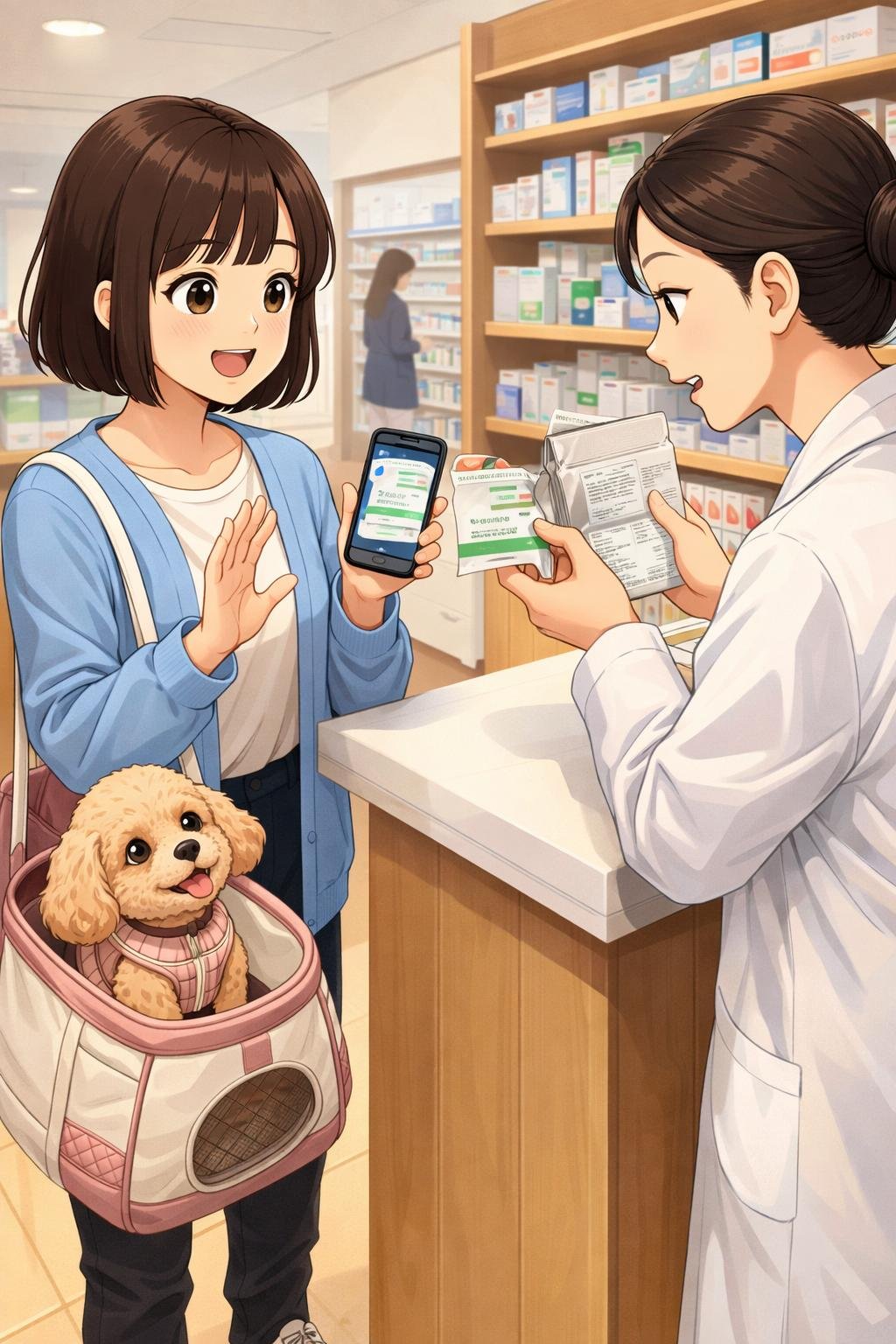
Illustrative note: The following family examples are fictional planning scenarios, not verified reviews of a particular pharmacy. They demonstrate how a visitor might apply the practical guidance above.
Dad: Find the Pharmacy and Understand the Process
In this fictional example, Dad checks for an open pharmacy before leaving the accommodation. He confirms the listed hours, enters with a short symptom note ready, and expects to answer questions rather than simply requesting a familiar brand.
Mom: Prepare Health and Payment Information
Mom saves allergy details, current medicine names, packaging photos, and prescription documents on her phone. She also keeps extra copies of important records and plans to ask about the price and accepted payment method before buying anything.
Daughter: Communicate Clearly and Considerately
Daughter prepares a translation-app message with short sentences. At the counter, she gives the pharmacist time to read it, answers follow-up questions, and asks for written instructions when spoken communication is difficult.
Nana: One Memorable Tip
Nana says: “Show the medicine information, then confirm the product, directions, price, and payment.”
Pharmacy Etiquette, Safety, and Common Mistakes
Use concise, respectful communication and allow the pharmacist time to review your information. Accurate symptom, allergy, and medicine details are more useful than a long explanation that omits essential facts.
Avoid relying only on a brand name. The same brand may not be available, and a similarly named or packaged product may not be identical. Bring ingredient information, dosage details, packaging, or photographs whenever possible.
Do not assume that an exact medicine or suggested substitute will be available. If an alternative is offered, ask what it contains, how it differs from your familiar product, and how it should be used.
English service and foreign-card acceptance are not universal. Prepare a translation method and confirm payment directly with the pharmacy.
Another common mistake is traveling with complex or prescription medicine without supporting documents. Prepare a medical record, an English prescription, and extra copies or photographs before departure when relevant.
Do not rely on an unverified map listing or old operating hours, particularly at night or during a holiday. Check a current official resource and confirm the information when possible.
Finally, do not rely solely on pharmacy advice for an urgent, severe, or medically complex concern. Seek appropriate medical help when the situation requires assessment beyond a routine pharmacy consultation.
Quick Pharmacy Visit Checklist
- Short notes describing your symptoms and when they began.
- A complete list of known allergies.
- Names and details of current medicines and supplements.
- Original packaging or clear medicine photographs.
- Ingredient and dosage information when available.
- A translation app or prepared translated text.
- A medical record and English prescription for complex or prescription medicine needs.
- Extra paper copies or phone photos of important documents.
- A current check of the pharmacy’s opening hours.
- A plan to confirm product availability, instructions, price, and payment options.
Frequently Asked Questions
How can I find a late-night or holiday-duty pharmacy?
The Korean Pharmaceutical Association’s holiday-duty and late-night pharmacy websites provide pharmacy locations and operating hours. Check the current listing and confirm the details before traveling because schedules may change.
What if I do not speak Korean?
Prepare translated symptom, allergy, and medicine information on your phone. A translation app can help, and some pharmacies in visitor-heavy areas may display a language-assistance sign. Language availability still varies by pharmacy.
Can I show the pharmacist a photo of my medicine?
Yes. The supplied VISITKOREA guidance recommends using a medicine photo when helpful. For better identification, show clear images of the name, ingredients, strength, and directions rather than only the front of the box.
Can a pharmacist suggest a Korean alternative?
A pharmacist may suggest a local alternative if the same ingredients are unavailable. Confirm the ingredients, strength, purpose, and instructions because an alternative should not automatically be treated as identical to your usual medicine.
Can I ask a pharmacist for advice without buying something?
According to the supplied official visitor guidance, pharmacists can provide a health consultation without requiring a purchase. The scope of help available may depend on your needs and the individual situation.
What should I prepare for prescription or complex medicines?
Before traveling, obtain a medical record and an English prescription, and keep extra copies or photographs. These documents can support communication but do not guarantee that an exact product will be available, so check important medicine arrangements in advance.
Are there pharmacies at Gimpo and Incheon airports?
The supplied VISITKOREA source states that Gimpo and Incheon airports have pharmacies selling travel essentials. Verify current locations, opening hours, access conditions, and stock through official airport information before relying on them.
Can I pay with a foreign card?
Foreign-card acceptance should not be assumed. Ask the pharmacy whether your card is accepted and confirm the total price before completing the transaction.
How can the 1330 Korea Travel Helpline assist me?
The 1330 Korea Travel Helpline can be reached at +82-2-1330, and multilingual text chat is offered. Consult its current official service information for available languages, channels, and operating conditions.
Final Takeaway
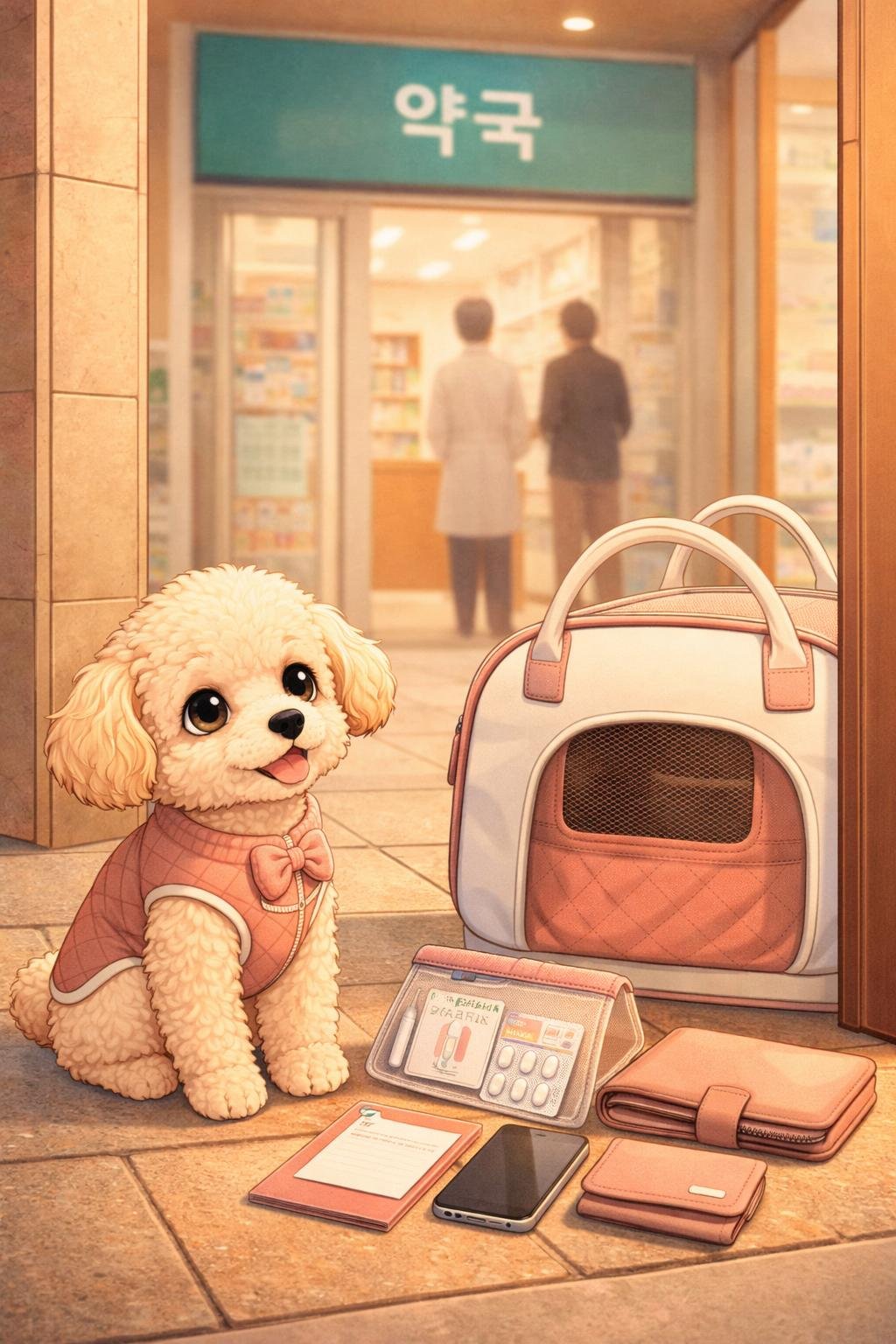
The most useful preparation for a Korean pharmacy visit is clear information. Record your symptoms and allergies, bring medicine packaging or photos, and use translated text when communication may be difficult.
For complex or prescription medicines, travel with a medical record, an English prescription, and backup copies. Check current opening hours, confirm product availability and payment conditions, and review all product instructions directly with the pharmacist before leaving.
References
- Health Consultation Centers for Everyone: Pharmacy Guide in Korea- VISITKOREA :: Medical & Wellness Korea — https://english.visitkorea.or.kr/svc/contents/contentsView.do?dataSetId=107&menuSn=923&vcontsId=217224
Image Credits
Images in this article are K-Nana Studio original educational illustrations. They are provided for visual guidance and may be AI-generated. They do not represent verified photographs of actual venues, facilities, products, or operating conditions.
Disclaimer
This article is provided for general travel, cultural, and educational information. It is not a substitute for professional medical assessment or individualized medical advice.
Prices, opening hours, reservations, ingredients, payment methods, participation requirements, house rules, accessibility, photography rules, access conditions, and venue or pharmacy policies may vary or change. Confirm important current information with the relevant official source or pharmacy before visiting or purchasing a product.
AI-generated images are illustrative visual aids and may not exactly represent real venues, products, facilities, or visitor conditions. Nana is a K-Nana Studio family mascot, and her appearance in an illustrative scene does not imply that pets are permitted at any real pharmacy, location, or activity.