
Using a Self-Service Laundromat in Korea
Knowing how to use a laundromat in Korea can be useful during a longer trip, after outdoor activities, or when accommodation does not provide suitable laundry facilities. The basic task is familiar, but machine controls, detergent systems, payment methods, and drying instructions may differ from those you use at home.
First-time visitors should pause before loading their clothes. Check the instructions at the specific laundromat, identify what payment it accepts, and confirm whether detergent is supplied automatically, sold separately, or must be brought with you.
What a Self-Service Laundromat in Korea Is
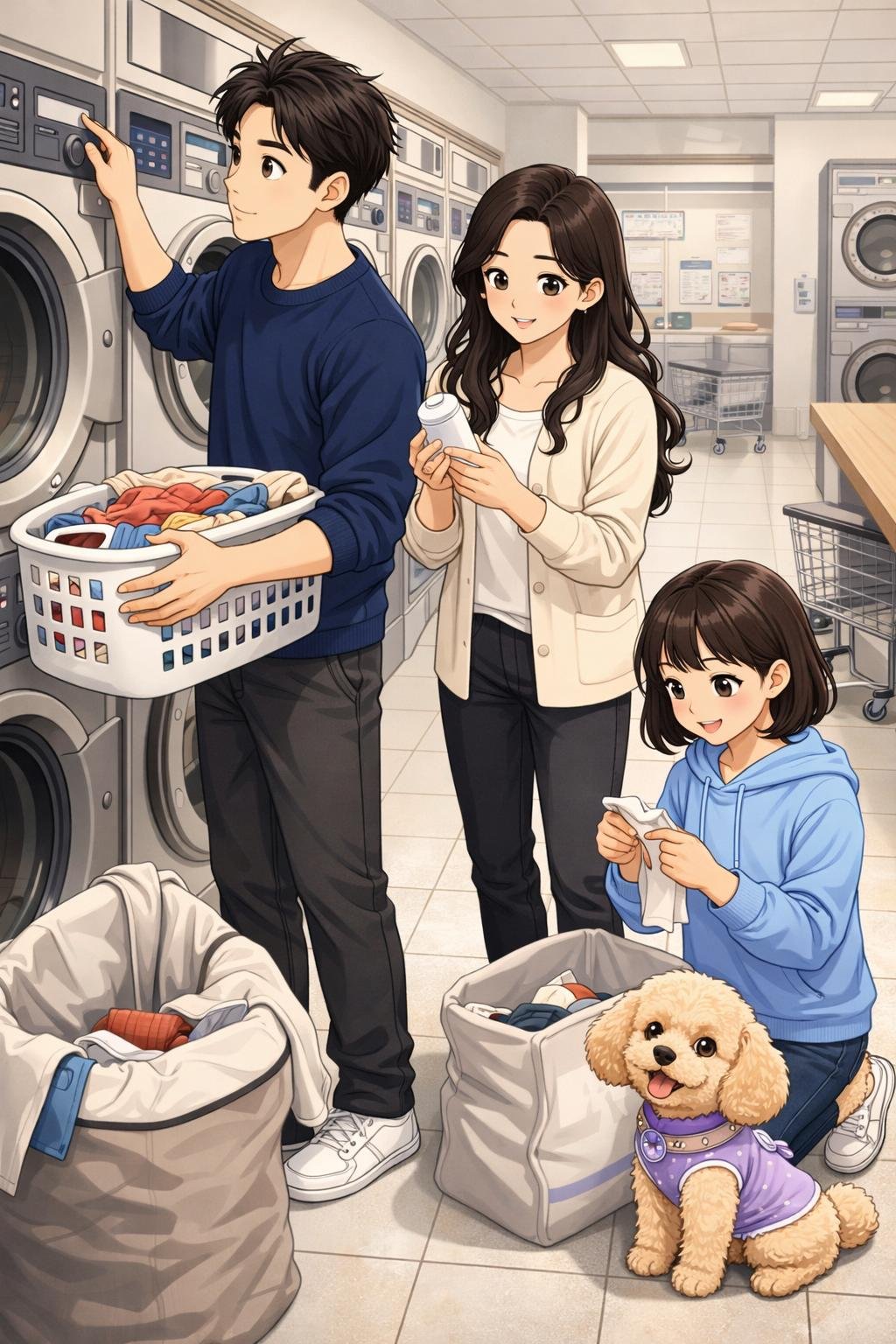
A self-service laundromat is a shared facility where customers operate the available washing machines and dryers themselves. You usually choose a machine, load your clothes, select the appropriate settings, pay through the supported system, and collect the load when the cycle finishes.
Machine designs and venue arrangements are not universal. A laundromat may have different machine capacities, control languages, payment equipment, detergent systems, and house rules. The instructions posted on the machine or inside the venue should therefore take priority over general guidance.
Why International Visitors May Use a Korean Laundromat
A laundromat can help travelers reduce the amount of clothing they pack, wash clothes during an extended stay, or handle laundry that cannot wait until they return home. It may also be practical when a hotel, guesthouse, or rental does not offer a usable washing machine.
Available services vary by location. Some venues may provide only washers and dryers, while others may have additional equipment or supplies. Do not assume that every location offers the same machines, service languages, waiting facilities, or operating conditions.
What to Check Before You Go
- Current opening hours: Check information provided by the individual venue. Hours and operating days may change.
- Accepted payment: Find out whether the machines accept coins, banknotes, cards, a local payment system, or another method. Do not assume that a foreign card will work.
- Cash backup: Carry some Korean won, preferably including smaller banknotes or coins where appropriate for the machines.
- Detergent arrangements: Confirm whether detergent is dispensed automatically, available from an on-site vending machine, or must be supplied by the customer.
- Laundry care: Check garment labels before leaving your accommodation so that items requiring hand washing, low heat, or no tumble drying can be separated.
- Venue rules: Review any restrictions involving machine use, prohibited items, waiting areas, or unattended loads.
Bring your laundry in a bag that can also hold the clean load afterward. Keeping a separate bag for damp or unsuitable items can help prevent them from being mixed with dried clothes.
Understanding Machines, Detergent, and Posted Instructions
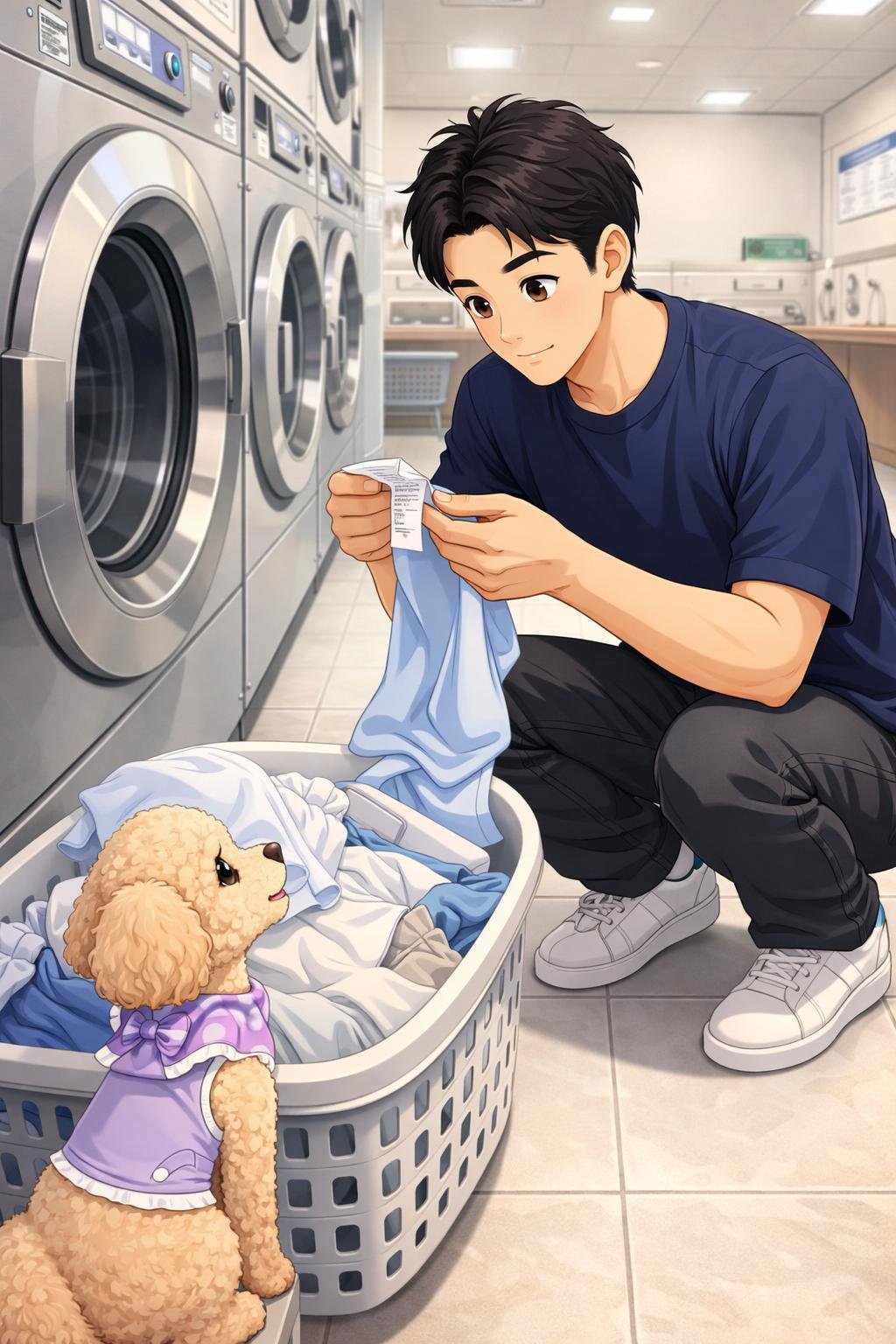
Identify washers and dryers before choosing a machine. A washer will have wash programs and water-related settings, while a dryer will provide drying time or heat options. Use the labels, diagrams, and posted instructions rather than relying only on the machines’ appearance.
Check the stated load capacity. Choose a machine that can hold your laundry without being packed beyond its limit. Overloading may prevent clothes from moving properly and can conflict with the machine’s instructions.
Look for detergent and fabric-softener guidance before adding any product. Some machines may dispense detergent as part of the cycle, while others may require a separate purchase or a customer-supplied product. Adding detergent to a machine that already dispenses it could result in too much product.
Available languages and control layouts vary. If the instructions are only in Korean, a translation application with a camera function may help you understand labels. Translate the full instruction panel where possible, because translating a single button without its surrounding warning or sequence can be misleading.
Confirm the required order for loading, selecting a program, paying, and starting. That order can differ between machines, so no single control sequence should be treated as universal.
How Payment May Work
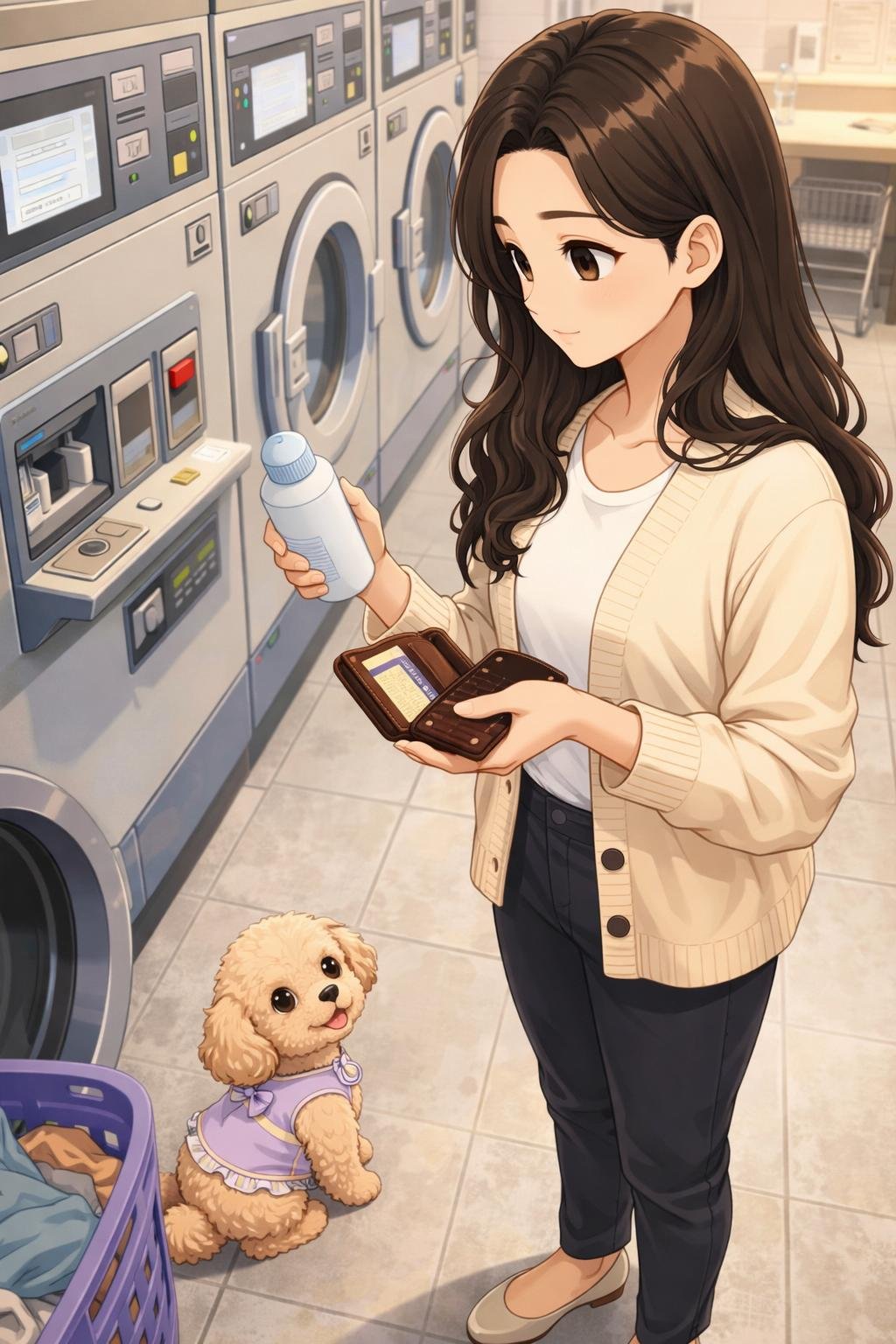
Payment systems differ between laundromats and sometimes between machines in the same venue. Coin-operated equipment may require cash, while other machines may use banknotes, cards, or a venue-specific system.
South Korean won coins are issued in ₩10, ₩50, ₩100, and ₩500 denominations. However, the existence of these denominations does not mean that a particular machine accepts all of them. Read the payment panel before inserting money.
Official visitor guidance recommends checking card availability because not every business accepts cards. A foreign-issued card should not be assumed to work at a laundromat even if cards are generally accepted in many places.
Carry Korean won as a backup, including smaller denominations when practical. Supplied visitor payment guidance also identifies foreign-card-compatible Global ATMs as an option for obtaining cash and notes that they are commonly available at CU, GS25, and 7-Eleven convenience stores. ATM availability, compatibility, operating status, withdrawal limits, and fees should still be checked at the individual machine.
Confirm the price and selected machine before paying. If the display, payment terminal, or refund conditions are unclear, seek help from the venue operator rather than repeatedly inserting money.
How to Use a Laundromat in Korea Step by Step
- Inspect the venue instructions. Read posted rules, payment directions, detergent information, and any restrictions before opening a machine.
- Choose an appropriate washer. Check that it is available, suitable for your load, and large enough without exceeding its stated capacity.
- Prepare your clothes. Empty every pocket, close or secure items as directed by their care labels, and separate garments that require different washing conditions.
- Inspect the drum. Make sure no clothing or belongings from the previous customer remain inside. If the machine appears damaged or unsuitable, do not use it.
- Load the washer. Place suitable items in the drum without exceeding the marked limit, then close the door as instructed.
- Confirm the detergent system. Determine whether detergent is automatic, purchased on site, or added manually. Use only the type, compartment, and amount indicated by the machine or product instructions.
- Select the wash settings. Choose a program compatible with the garment labels and the available machine options.
- Pay through an accepted method. Verify the machine number and amount before inserting cash or using the payment system.
- Start and monitor the cycle. Follow the displayed sequence and confirm that the machine begins operating. Note the estimated finishing time if one is shown.
- Transfer suitable items to a dryer. When washing is complete, remove the entire load. Separate anything that should not be tumble-dried.
- Choose drying settings carefully. Follow the dryer’s capacity, time, and heat instructions rather than assuming that its controls match the washer.
- Collect everything promptly. Check the drum, door seal, surrounding surface, and any baskets for small garments or personal belongings.
- Leave the area ready for the next customer. Remove packaging and personal items, and follow any posted instructions for cleaning the machine or lint filter.
The exact order of selection, payment, and starting may vary. Always use the sequence displayed on the specific machine.
Using the Dryer and Checking Your Clothes
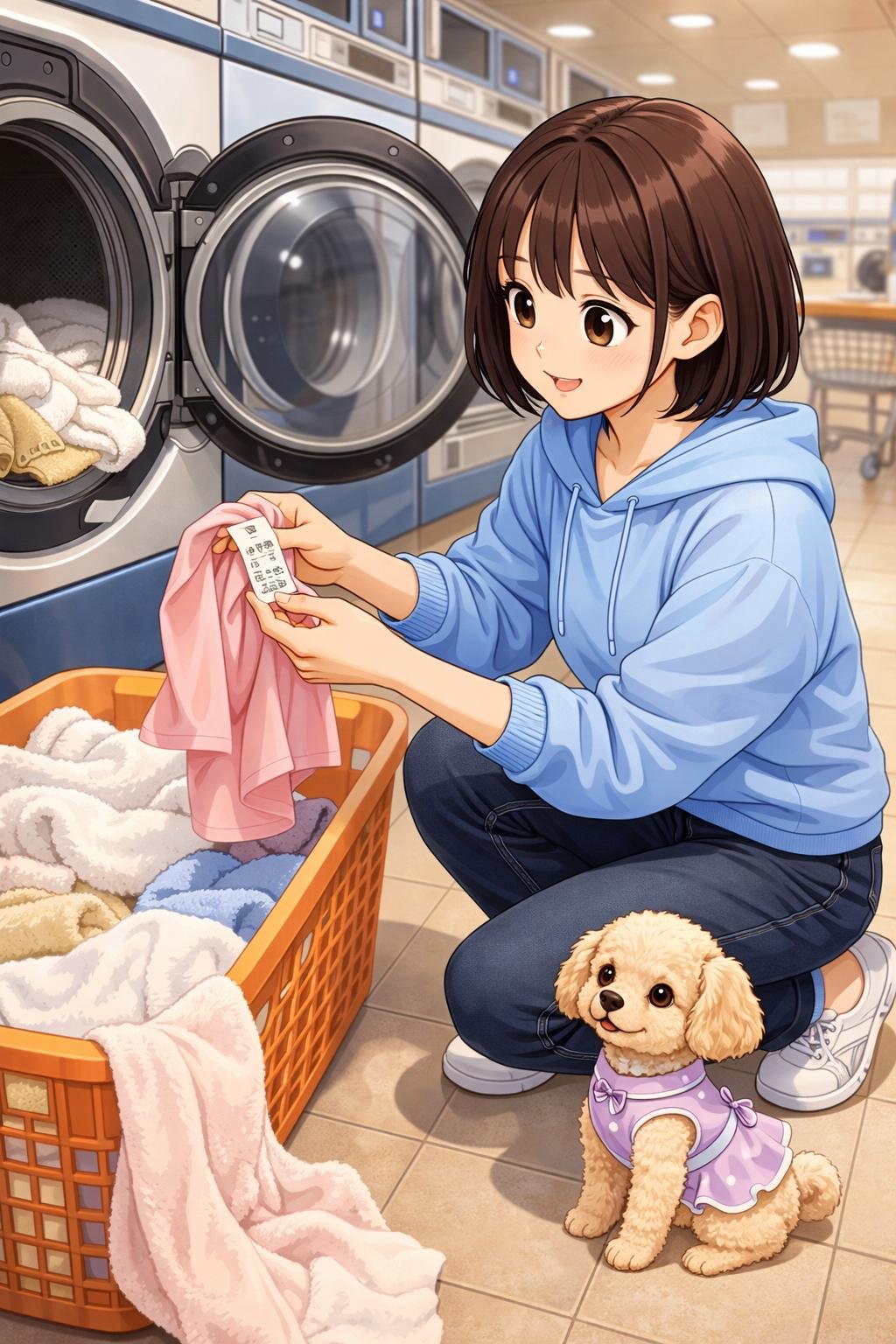
Review garment care labels before putting clothes into a dryer. Separate items marked as unsuitable for tumble drying, as well as anything requiring special handling or a lower temperature than the available setting provides.
Check the dryer’s stated capacity independently from the washer’s capacity. A wet load may need more room to move while drying, so follow the limit posted on the dryer rather than automatically transferring an overfilled drum.
Select time and heat only after comparing the machine instructions with the care labels. If you are uncertain, avoid guessing about an unfamiliar setting and seek assistance where available.
Check the clothes when the selected period ends before purchasing additional time. Some pieces may be dry while heavier garments remain damp. Remove the full load promptly when finished, including socks and other small items that may remain against the drum.
K-Nana Family Guide
Illustrative example: The following family scene is hypothetical. It is not a verified visit, customer review, or description of a particular laundromat.
Dad: Dad first identifies which machines are washers and which are dryers. Because the controls are unfamiliar, he reads the complete instruction panel and checks the required sequence before loading anything.
Mom: Mom confirms whether detergent is automatically dispensed or must be added. She also checks the accepted payment method and keeps Korean won available instead of assuming that a foreign card will work.
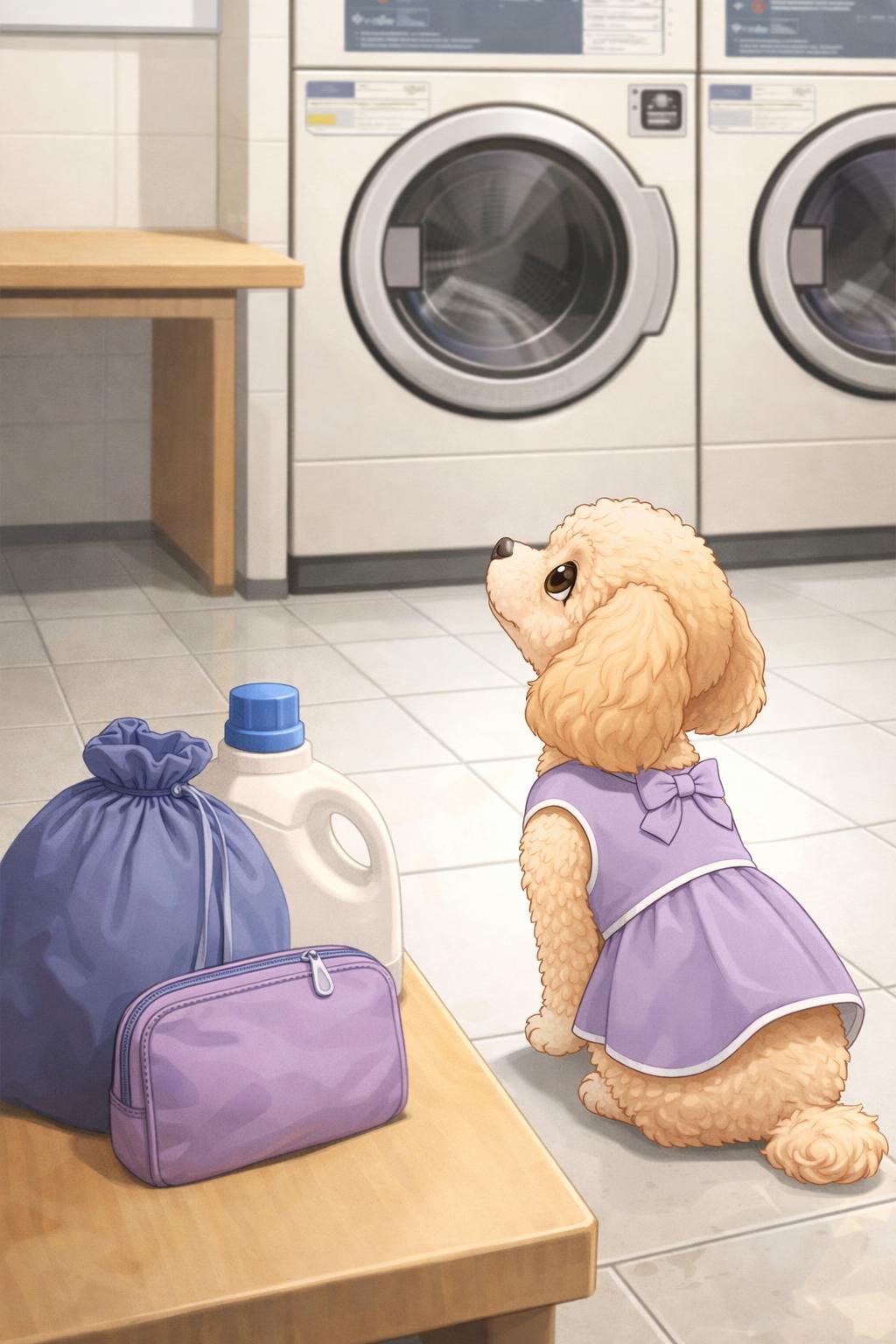
Daughter: Daughter keeps the family’s bags together without blocking unused machines or walkways. She watches the finishing time, helps collect the load promptly, and checks the drum for forgotten items.
Nana: “Read the machine instructions before you pay!”
Laundromat Etiquette, Safety, and Common Mistakes
A laundromat is a shared space. Do not place bags or clothing on unused machines when other customers may need them. Keep personal items together and avoid blocking machine doors, payment equipment, seating, or walkways.
Return near the end of the cycle and retrieve the load promptly. Leaving finished clothes in a machine prevents the next customer from using it. Follow the venue’s posted policy if another customer’s completed load has been left behind rather than moving it without permission.
Check pockets carefully for tissues, coins, electronics, and other objects before washing. Read garment labels, respect machine capacity, and keep unsuitable materials out of washers and dryers. If a venue posts restrictions on particular items, those rules should be followed.
Do not assume that detergent is included, that English controls are available, or that a card terminal accepts foreign cards. Opening hours, staff availability, machine settings, payment methods, and other policies can also vary.
Avoid forcing a locked door, interrupting an active cycle, or attempting to repair a machine. If equipment behaves unexpectedly, use any posted assistance method and keep note of the machine number and payment details.
Quick Laundromat Checklist
- Sort laundry and review garment care labels.
- Check the venue’s current hours and house rules.
- Confirm the accepted payment method.
- Carry Korean won as a backup.
- Check whether detergent is automatic, sold on site, or required from you.
- Choose a machine with a suitable stated capacity.
- Read the complete cycle and payment instructions.
- Separate items that cannot be tumble-dried.
- Note when each cycle is expected to finish.
- Collect the load promptly and inspect the drum for forgotten clothes or belongings.
Frequently Asked Questions
Do laundromats in Korea require coins?
Some coin-operated machines may require cash, but payment systems vary. A location may accept particular coins, banknotes, cards, or another payment method. Check the individual machine before preparing or inserting payment.
Which won coin denominations exist?
South Korean won coins are available in ₩10, ₩50, ₩100, and ₩500 denominations. A particular laundromat machine may accept only selected denominations, so follow its payment label.
Can I assume that my foreign card will work?
No. Official visitor information advises travelers to check card availability because some businesses do not accept cards. Acceptance at one Korean business does not establish that a particular laundromat or machine will accept your foreign-issued card.
Where can I obtain Korean won?
Foreign currency can be exchanged at banks or authorized exchange centers. Supplied visitor guidance also notes that foreign-card-compatible Global ATMs are commonly found at CU, GS25, and 7-Eleven convenience stores. Check the specific ATM’s compatibility, availability, fees, and limits before making a withdrawal.
Is detergent included in the wash?
It depends on the machine and venue. Detergent may be dispensed automatically, sold separately, or supplied by the customer. Read the detergent instructions before adding anything.
What should I do if the controls are only in Korean?
Use the diagrams and try a camera-based translation tool to read the complete instruction panel. Check related warnings and payment directions rather than translating only one button. If the result remains unclear, ask the operator or use a machine whose instructions you can understand.
What if the machine or venue instructions are unclear?
Do not guess when the uncertainty involves payment, detergent, garment care, or machine operation. Look for posted contact details or staff assistance. If you cannot confirm how to use the equipment correctly, choose another machine or laundromat.
Final Takeaway
The safest practical approach is to treat every laundromat as a separate system. Inspect its instructions, confirm detergent and payment requirements before loading, and keep Korean won available as a backup.
Follow garment care labels and machine capacity limits, separate items that should not enter a dryer, and collect each load promptly. Verify current venue details instead of assuming that all Korean laundromats use the same controls, payment methods, hours, or house rules.
References
- Paying in Korea: Cards, Cash & Tax Refunds | VisitKR — https://visitkr.kr/en/guide/payment
- Official Site of Korea Tourism Org.: Korean Currency & Exchange Info – Visitkorea — https://english1.visitkorea.or.kr/enu/TRV/TV_ENG_1_3.jsp
Image Credits
Images in this article are K-Nana Studio original educational illustrations. They are provided for visual guidance and may be AI-generated. They do not represent verified photographs of actual venues, facilities, products, or operating conditions.
Disclaimer
This article is provided for general travel, cultural, and educational information. Prices, opening hours, reservations, ingredients, payment methods, participation requirements, house rules, accessibility, photography rules, access conditions, and venue policies may vary or change. Confirm important current information with the relevant official source or venue before visiting.
AI-generated images are illustrative visual aids and may not exactly represent real venues, products, facilities, or visitor conditions. Nana is a K-Nana Studio family mascot. Her appearance in an illustrative scene does not imply that pets are permitted at the real location or activity.