
A First-Time Visitor’s Guide to Riding KTX in Korea
KTX is South Korea’s high-speed rail service for travel between major cities. It can be a practical choice for visitors planning journeys such as Seoul to Busan, Yongsan to destinations in the southwest, or travel toward cities on the east coast.
Learning how to ride KTX in Korea involves more than buying a ticket. A first-time passenger must confirm the correct departure station, train number, departure time, car, and seat. It also helps to understand how to find the platform, manage luggage, and behave considerately onboard.
Schedules, fares, booking options, pass conditions, and operator policies can change. Use this guide to understand the general process, but check current information through an official KORAIL channel before traveling.
What Is the KTX?
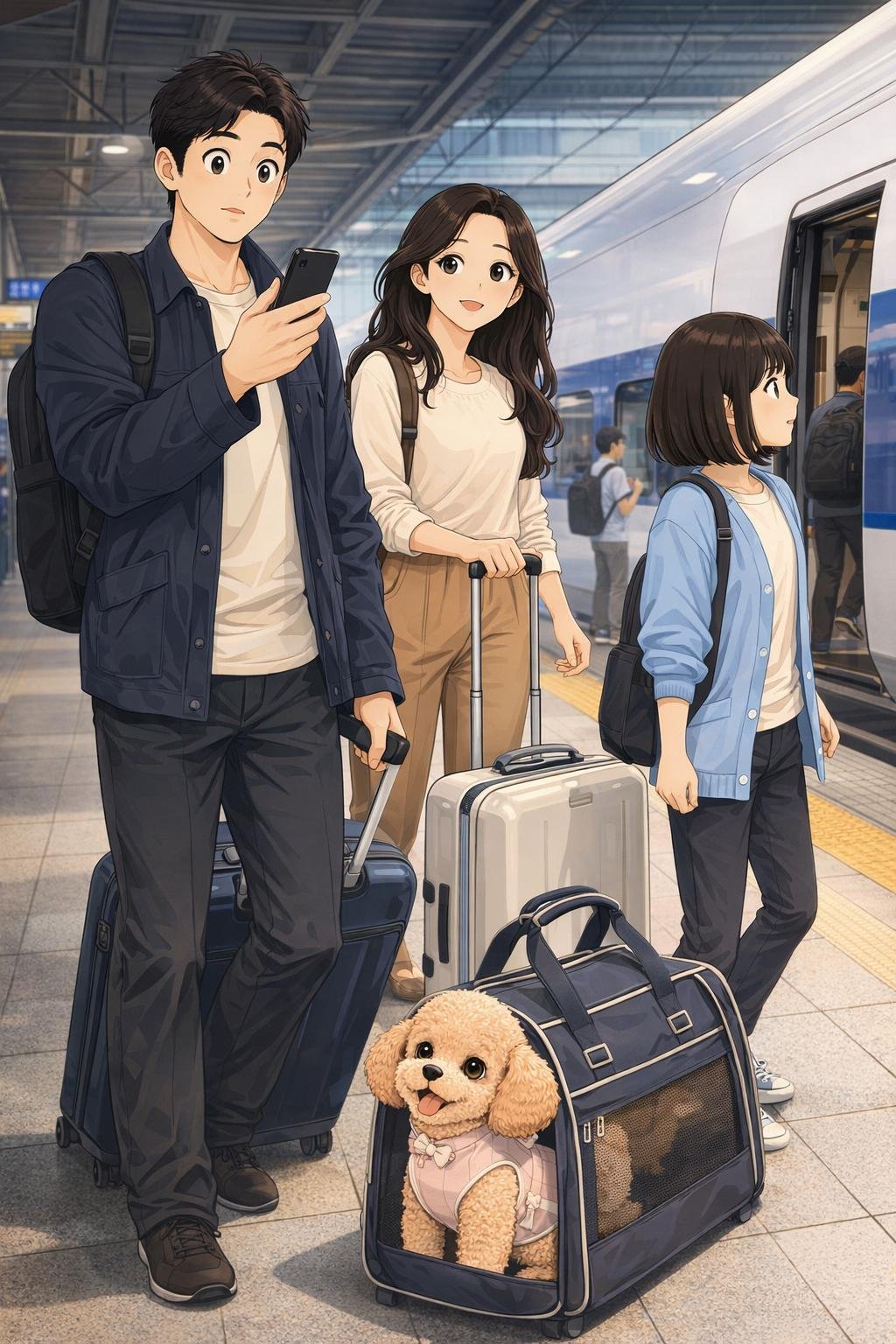
KTX and KTX-Sancheon are high-speed express trains that connect major destinations in South Korea. They are different from local subways and slower regional rail services, so a KTX ticket applies to a specific intercity journey rather than ordinary urban transit.
KTX services depart from several stations in the Seoul area, including Seoul Station, Yongsan Station, and Cheongnyangni Station. The correct station depends on the route and the individual train. Do not assume that every Seoul-area KTX journey begins at Seoul Station.
Examples of destinations served by high-speed or express rail routes include Busan, Daejeon, Pohang, Mokpo, Gwangju, Jeonju, Yeosu, Gangneung, and Andong. Service patterns can vary, so confirm whether your selected journey is direct and which station it uses.
KTX should also be distinguished from SRT, another high-speed rail service with its own tickets and operating arrangements. A booking or rail pass that covers KTX does not automatically cover every other rail service.
Why Take the KTX During a Korea Trip?
KTX can suit travelers who want to move between major cities while remaining within the national rail network. It may be useful for a multi-city itinerary, an overnight trip outside Seoul, or a longer domestic journey where a reserved train seat fits the schedule.
Rail travel also allows passengers to begin and end their journey at designated city stations. Whether that is convenient depends on the location of the accommodation and the transport required to reach the station.
KTX is not automatically the best choice for every trip. A bus, regional train, domestic flight, or local public transportation may fit better when the destination is not close to a KTX station, the rail schedule is inconvenient, or several transfers would be necessary.
Compare the complete journey rather than looking only at time spent onboard. Include travel to the departure station, waiting time, transfers, and transportation from the arrival station to the final destination.
Tickets, Reservations, and What to Check Before You Travel

Verified booking options
According to the supplied VISITKOREA information, KTX tickets are available through station ticket offices, station kiosks, the official KORAIL website, the KORAIL+ app, NAVER Train Booking, and KakaoT. VISITKOREA also identifies the official Let’s Korail website and Korail+ app as options through which international visitors can reserve and pay for seats in advance.
Booking conditions and the suitability of each service for an international payment method may vary. Confirm the final fare, accepted payment method, refund conditions, and ticket-delivery format before completing a purchase.
When to book
The supplied VISITKOREA train guide states that tickets are generally sold from one month before departure and that online buyers can select seats. The actual sales window and available seats should be checked for the intended travel date, especially around weekends, holidays, and major events.
Details to verify before paying
- Travel date and departure time.
- Exact departure and arrival stations.
- Train type and train number.
- Whether the journey is direct or requires a transfer.
- Car and seat selection, when offered.
- Fare, cancellation terms, and ticket-access method.
Fares vary according to factors such as the train and distance. Because current prices were not supplied for a specific journey, check the official booking result rather than relying on an estimated fare.
Understanding the KORAIL Pass
International travelers planning several rail journeys may consider a KORAIL Pass. The supplied VISITKOREA information describes flexible passes for selected travel days, including two-, three-, four-, and five-day options, with standard-cabin KTX travel covered during the applicable pass period.
The same source states that pass users can make up to two seat reservations per day and can make unlimited standing-ticket bookings. It also identifies SRT, subways, and temporary tourist trains as exclusions.
A pass does not necessarily save money for every itinerary. Compare the current pass conditions and cost with the individual tickets needed for your actual route. Confirm eligibility, included trains, reservation rules, exclusions, and collection or activation procedures through the official service before purchase.
How to Ride the KTX Step by Step

- Confirm the departure station. Check the full station name on the booking. Seoul Station, Yongsan Station, and Cheongnyangni Station are separate locations, and going to the wrong one can cause a missed train.
- Make the ticket accessible. Keep the valid ticket, booking confirmation, or pass reservation available in the format required by the booking channel. If using a pass, confirm that any necessary seat reservation has been completed.
- Arrive with enough time. Allow time to enter the station, identify the departure area, read the information displays, and walk to the correct platform. Larger stations can take time to navigate.
- Read the important ticket details. Identify the date, departure time, train number, departure station, destination, car number, and seat number. Do not rely only on the destination because more than one train may travel in the same general direction.
- Check current departure information. Use station displays and posted information to find the platform or boarding area assigned to the train. Platform arrangements can change, so follow current station information rather than an old screenshot or travel post.
- Match the train number and time. Before boarding, verify that the arriving train matches the booking. Trains using the same platform at different times are not interchangeable.
- Find the correct car. Use the car number on the ticket and the platform or train markings available at the station. Entering near the assigned car reduces movement through the train with luggage.
- Board without blocking the doorway. Allow passengers to move safely, keep bags controlled, and follow instructions from station or train staff. Any current boarding or ticket-check procedure should be confirmed through official information and station directions.
- Locate the assigned seat. Match both the car and seat number. If someone appears to be in the seat, compare tickets calmly or ask a crew member for help rather than taking another assigned seat.
- Monitor the journey. Keep track of the route and expected arrival. Announcements, onboard displays, and mobile travel information may help, but passengers remain responsible for leaving at the correct stop.
- Prepare to exit considerately. Gather belongings before arrival without placing bags in the aisle too early. After the train stops, leave through the appropriate door and check the seat area for personal items.
Station layouts, platform access, ticket inspections, and boarding procedures may vary or change, so follow current signs and official staff instructions during the journey.
Luggage, Seats, and Onboard Facilities
Planning for luggage
Bring luggage that you can control while entering the station, boarding, and reaching the seat. Storage space can depend on the train and how busy the service is, so do not assume that a particular rack or storage area will be available.
Keep aisles, vestibules, and doors clear. Do not leave a suitcase where it could obstruct passengers, and supervise passports, wallets, electronics, and other valuables throughout the trip.
No verified luggage dimensions or weight limits were supplied for this article. Travelers carrying oversized suitcases, sports equipment, musical instruments, bicycles, or other special items should check current operator rules before departure.
Finding and using the seat
Your ticket may assign a specific car and seat. Confirm both numbers because the same seat number can appear in more than one car. Place smaller personal items where they do not interfere with another passenger’s legroom or access.
If traveling as a group, choose seats during online booking when the option is available. Adjacent seats may not be available on every departure, particularly when booking close to the travel date.
Onboard facilities
The supplied VISITKOREA information identifies restrooms, nursing rooms, diaper-changing tables, vending machines, and generally available free Wi-Fi among KTX amenities. The exact location, availability, and condition of a facility can depend on the train configuration and service.
Carry essential comfort items such as prescribed personal supplies, a charged phone, and any necessary childcare items rather than depending entirely on onboard facilities.
K-Nana Family Guide
Hypothetical example: The following family scene illustrates good preparation. It is not a verified account of a specific journey, station, or operator policy.
Dad: Check the journey details first
Dad compares the booking with the itinerary and checks the departure station, train number, time, car, and seat. His first priority is making sure the family does not confuse Seoul Station with another Seoul-area departure point.
Mom: Prepare tickets, bags, and contingencies
Mom keeps the tickets accessible, confirms how the booking was paid for, and reviews the cancellation conditions. She arranges the luggage so each person can manage a bag without blocking the aisle and carries essential comfort items for the journey.
Daughter: Board attentively and travel considerately
Daughter watches the departure display, checks the car number before boarding, and keeps her voice and device audio low onboard. She waits until it is practical to take a photo and avoids photographing strangers in an intrusive way.
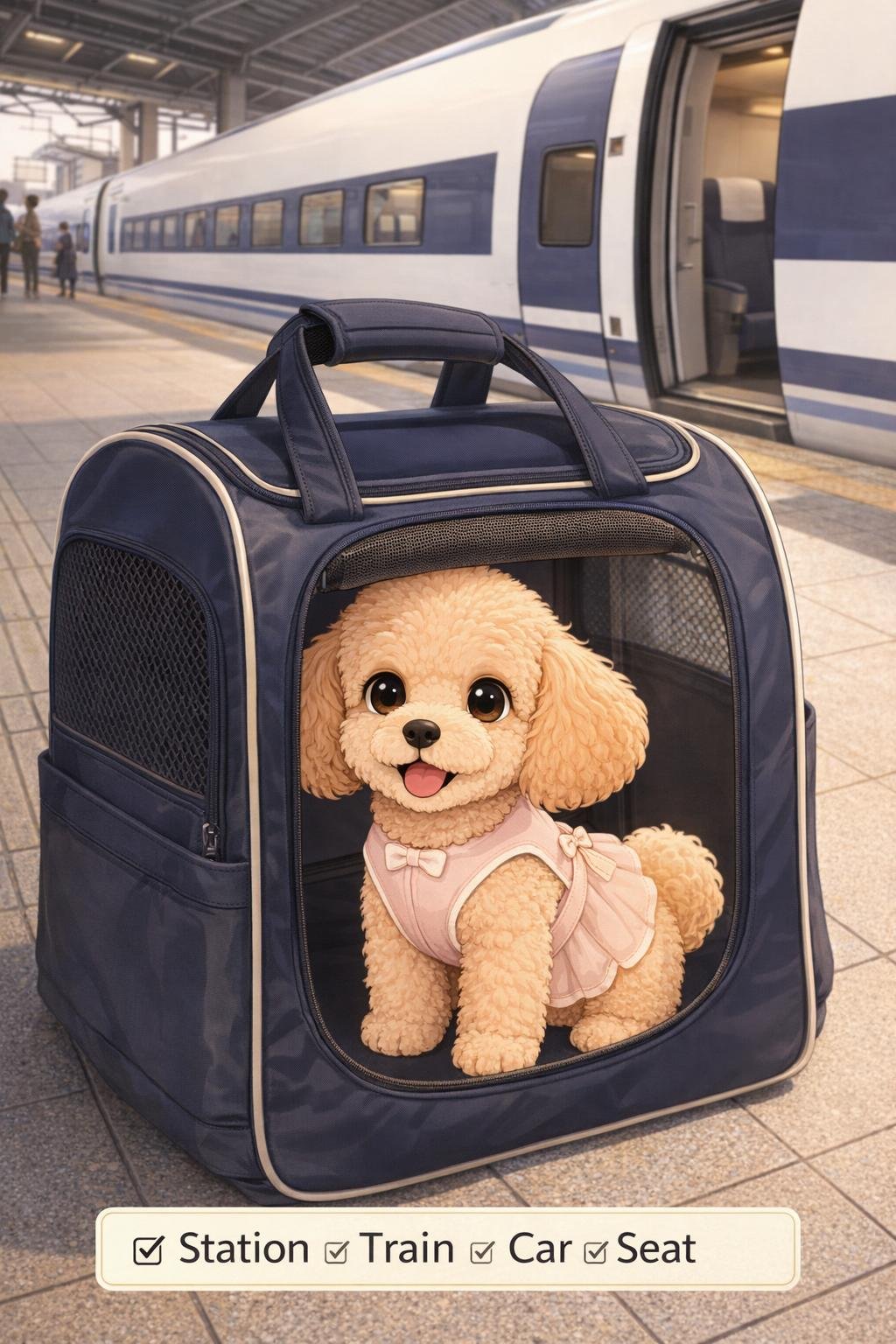
Nana: One memorable reminder
Nana’s mascot tip is: “Station, train, car, seat—check all four before you board.”
Nana is a symbolic K-Nana Studio family mascot in this example. Her appearance does not mean that she rode a KTX train or that pets are permitted; current animal-transport conditions must be confirmed directly with the operator.
KTX Etiquette, Cautions, and Common Mistakes
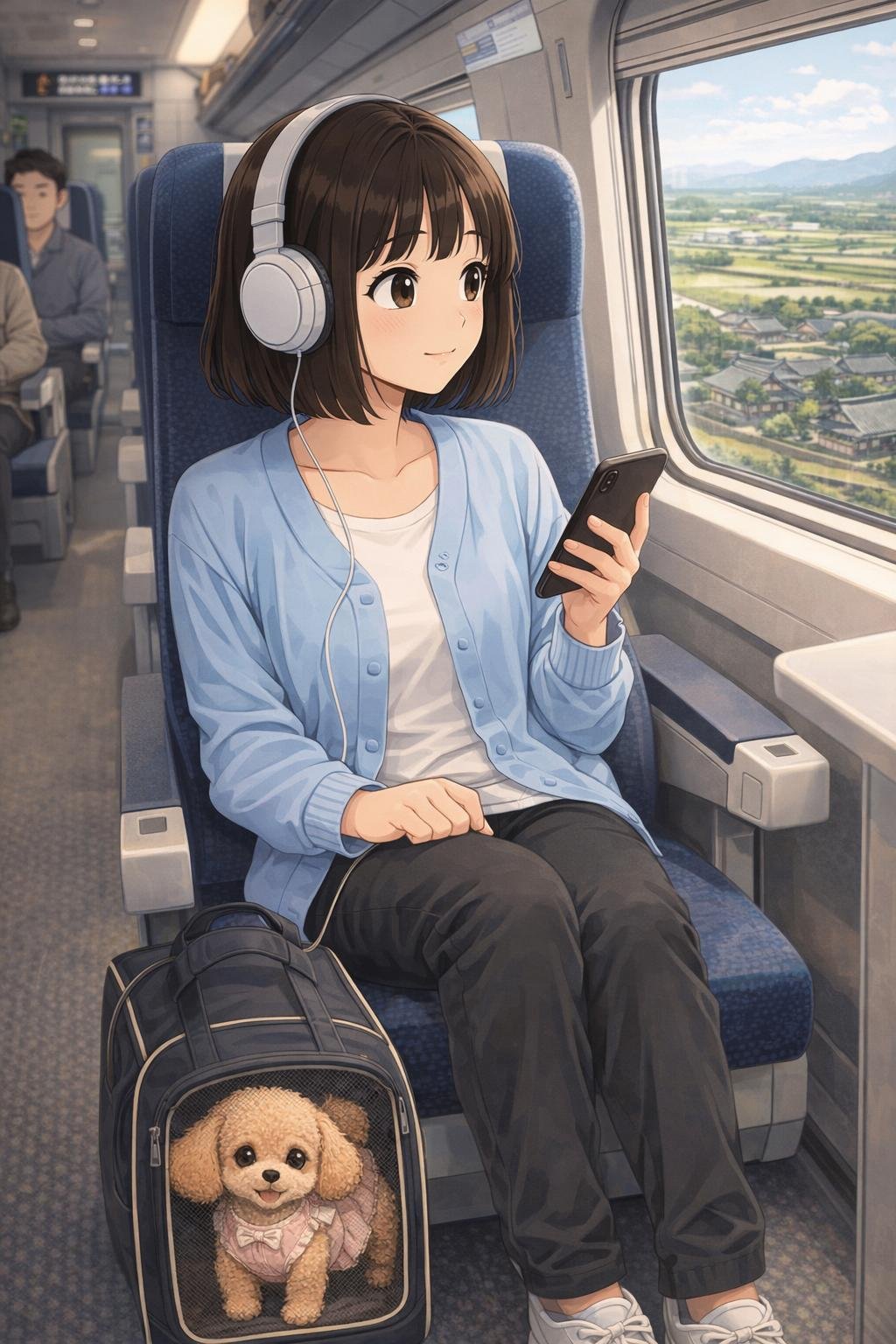
Considerate behavior onboard
- Keep conversations and device audio at a low volume.
- Use headphones without making the sound audible to nearby passengers.
- Keep aisles, doors, and shared movement areas clear.
- Occupy the car and seat shown on the valid ticket.
- Control luggage so it does not interfere with another passenger.
- Prepare to leave without crowding the aisle long before arrival.
- Follow crew instructions and posted notices.
These points describe general courtesy, not a complete statement of official regulations. Posted restrictions and crew directions take priority.
Common first-time mistakes
A frequent planning error is assuming that every KTX service in Seoul leaves from Seoul Station. Always check whether the booking specifies Seoul, Yongsan, Cheongnyangni, or another station.
Passengers can also confuse the platform, train number, car, seat, or departure time. Verify the complete set of details instead of boarding because a train appears to be going toward the correct city.
Do not assume that a standard KTX ticket covers SRT, a subway ride, or another connecting service. Each part of a multi-stage journey should be checked separately.
Photography restrictions and passenger privacy expectations may vary by location and situation. Avoid obstructing movement, do not photograph staff or strangers intrusively, and follow posted instructions.
Rules for pets, oversized luggage, special equipment, accessibility support, and other individual needs require current operator confirmation before travel.
KTX Travel Checklist
- Confirm the travel date.
- Confirm the exact departure station.
- Confirm the destination station.
- Check the train type and train number.
- Check the departure time.
- Check the car and seat numbers.
- Make sure the ticket or pass reservation is accessible.
- Plan luggage that you can handle without blocking shared areas.
- Review the current official schedule and any service notices.
- Allow enough station time to locate the platform and car.
- Check current rules for special luggage, accessibility needs, or animal transport.
A final review of these details before leaving for the station can prevent several common first-time errors.
Frequently Asked Questions
Can international visitors book KTX tickets in English?
Yes, the supplied tourism sources identify English-language service through KORAIL’s website, and VISITKOREA identifies the official Let’s Korail website and Korail+ app as advance reservation and payment options. Available languages and booking functions should be checked when making the reservation.
Can I buy a KTX ticket at the station?
The supplied VISITKOREA information lists station ticket offices and kiosks among the sales options. Current operating arrangements, interface languages, payment methods, and seat availability may vary.
Can I choose my seat?
VISITKOREA states that online buyers can select seats. The choices shown will depend on the service and remaining availability.
How early are KTX tickets sold?
The supplied VISITKOREA train guide says tickets are generally sold from one month before departure. Confirm the actual opening date for the intended journey because sales conditions can change.
Does a KORAIL Pass include KTX?
The supplied sources describe KORAIL Pass access to KTX travel during the valid pass period. Current eligibility, cabin coverage, reservation requirements, and pass conditions should be verified before purchase.
What is not included in the KORAIL Pass?
The supplied VISITKOREA information identifies SRT, subways, and temporary tourist trains as exclusions. Do not assume that the pass covers local transportation or every train in Korea.
What facilities are available onboard?
Source-supported KTX amenities include restrooms, nursing rooms, diaper-changing tables, vending machines, and generally available free Wi-Fi. Facilities and their locations can vary by train.
Where should I put a large suitcase?
Storage availability can vary, and this article does not provide an operator-verified size limit or guarantee a particular storage space. Bring luggage you can manage, keep doors and aisles clear, and check current rules for oversized items.
Where can I seek multilingual help?
The supplied VISITKOREA train guide lists an English KORAIL customer center at +82-1599-7777, operating from 08:00 to 20:00 daily. Another supplied tourism source reports support in English, Japanese, and Chinese. Telephone support languages and hours are time-sensitive and should be confirmed through current official KORAIL information.
Final Takeaway
The basic process for riding KTX is straightforward when each detail is checked carefully. Book through a verified channel, confirm the exact station and train, keep the ticket accessible, and allow enough time to locate the platform and assigned car.
Once onboard, use the correct seat, manage luggage without blocking shared areas, keep noise low, and monitor the journey so you are ready for the correct stop. Recheck current schedules, fares, pass conditions, facilities, and operator policies before departure.
References
- Train- VISITKOREA — https://english.visitkorea.or.kr/svc/contents/infoBscView.do?menuSn=470&vcontsId=140656
- Official Site of Korea Tourism Org.: Transportations : Trains — https://english1.visitkorea.or.kr/enu/TRP/TP_ENG_4.jsp
- Helpful Apps & Resources- VISITKOREA — https://english.visitkorea.or.kr/svc/contents/contentsView.do?vcontsId=198570
Schedules, fares, pass conditions, booking channels, support hours, and operator policies are time-sensitive. Confirm important details through current official KORAIL information before traveling.
Image Credits
K-Nana Studio original visual.
Article visuals are illustrative and are not verified depictions of an exact train, station, operator policy, or real visitor condition.
Disclaimer
This article provides general travel, cultural, and educational information. Fares, schedules, reservations, payment methods, participation requirements, accessibility, luggage conditions, photography rules, access conditions, facilities, and operator policies may vary or change. Confirm important current details with the relevant official source or transport operator before traveling.
AI-generated images are illustrative visual aids and may not exactly represent real trains, stations, facilities, products, or visitor conditions. Nana is a K-Nana Studio family mascot, and her appearance in an illustrative scene does not imply that pets are permitted on the real train or at any related facility.