
Nami Island, also known as Namiseom, is one of South Korea’s best-known nature-focused day-trip destinations. Famous for long tree-lined paths, riverside scenery, seasonal landscapes, cycling, and its connection with Korean popular culture, the island offers a very different experience from the palaces, shopping districts, beaches, and historic monuments found elsewhere in the country.
For international visitors, Nami Island is especially appealing as an escape from the dense urban atmosphere of Seoul. Tall metasequoia trees, ginkgo avenues, open lawns, wooded paths, and views across the surrounding water create an easy-to-explore landscape that changes dramatically from spring to winter.
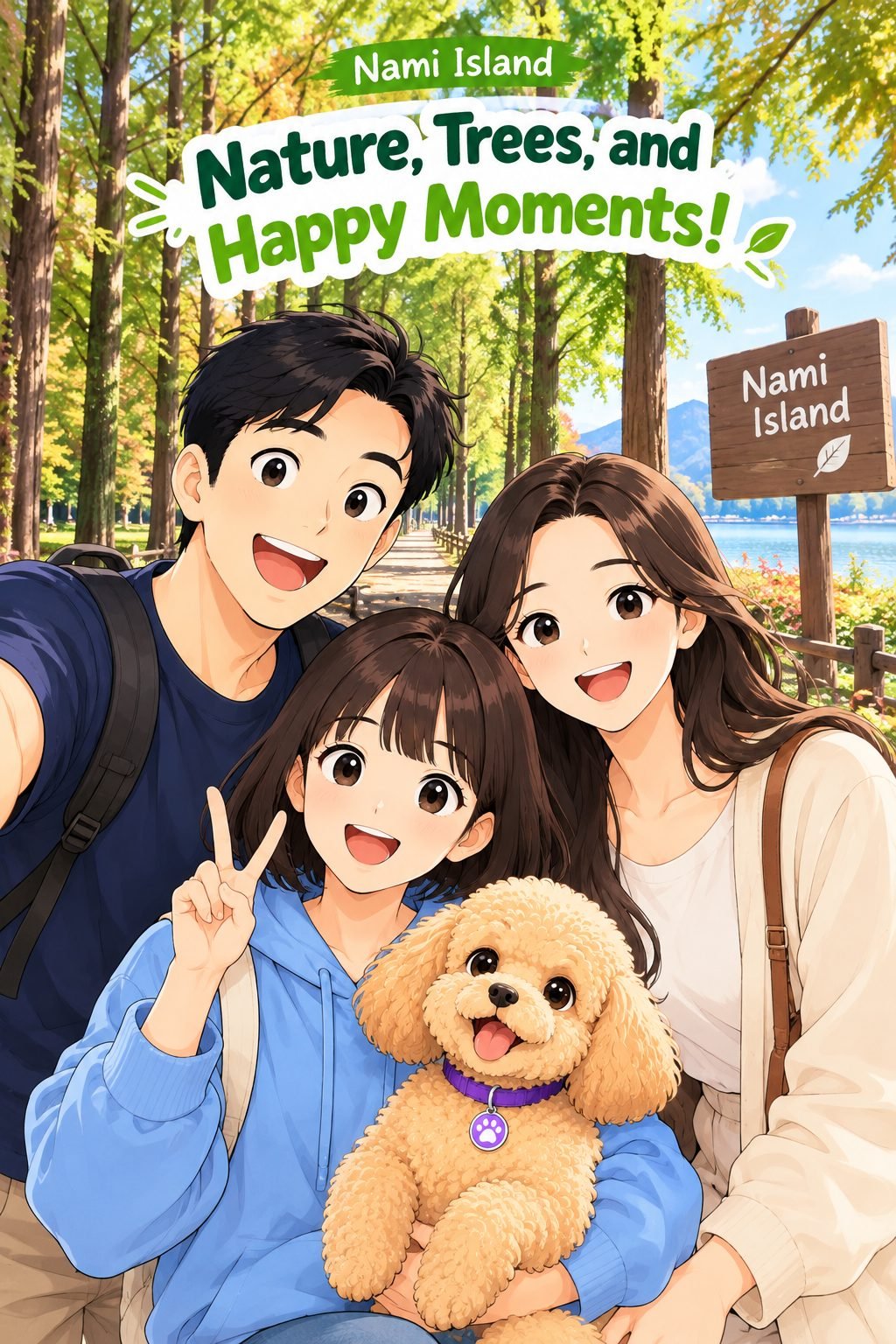
Tall tree-lined paths, riverside scenery, and changing seasonal colors make Nami Island one of Korea’s recognizable nature-focused day-trip destinations.
Quick Guide
| Location | Namiseom, near Gapyeong and Chuncheon, South Korea |
| Best for | Nature walks, seasonal scenery, photography, cycling, couples, families, Korean pop-culture fans |
| Recommended time | About 3–5 hours on the island, longer when including transportation or nearby attractions |
| Main experience | Walking beneath famous tree-lined avenues and exploring riverside paths, gardens, open spaces, and seasonal landscapes |
| Best seasons | Spring blossoms, summer greenery, autumn foliage, and snowy winter scenery each offer a different experience |
| Good for a day trip | Yes. Nami Island is commonly included in day trips from Seoul and can also be combined with other attractions in the Gapyeong area. |
What Is Nami Island?
Nami Island is a small, tree-filled destination surrounded by the waters of the Bukhangang River. Its landscape includes long avenues of trees, riverside walking routes, lawns, gardens, cultural spaces, restaurants, cafés, cycling areas, and seasonal scenery.
The island is widely known by international travelers as Namiseom or Nami Island. Rather than being centered on a single monument, the experience comes from moving through the landscape and discovering how different parts of the island change according to weather, season, time of day, and visitor activity.
Access to the island is part of the travel experience. Many visitors reach the island by ferry from the nearby wharf, while other access experiences may be available depending on current operations and conditions.
Nami Island is also strongly associated with Korean popular culture and became particularly recognizable among international audiences through filming connected with the Korean drama Winter Sonata. That cultural connection remains part of the island’s international identity, although nature, walking, cycling, and seasonal landscapes now form a much broader visitor experience.
Why Visit?
- Walk beneath some of Korea’s most recognizable tree-lined avenues.
- Experience a nature-focused day trip outside central Seoul.
- See dramatically different landscapes across spring, summer, autumn, and winter.
- Explore riverside paths, gardens, lawns, wooded areas, and quiet walking routes.
- Rent a bicycle and experience more of the island at a relaxed pace.
- Take photographs beneath metasequoia trees and seasonal foliage.
- Discover a destination connected with the international popularity of Korean dramas.
- Enjoy an itinerary suitable for couples, friends, families, and independent travelers.
Metasequoia Lane & Tree-Lined Paths
Tree-lined avenues are among the most recognizable images associated with Nami Island. Tall trunks rising on both sides of straight walking paths create strong natural perspective lines and give visitors a sense of moving through a long outdoor corridor.
The famous metasequoia scenery is particularly photogenic because the appearance of the trees changes throughout the year. Fresh spring growth creates a lighter atmosphere, dense summer foliage forms a green canopy, autumn introduces warmer colors, and winter reveals the structure of the trunks and branches more clearly.
Nami Island contains several different tree-lined landscapes, so visitors should explore beyond a single famous photography point. Ginkgo trees, metasequoias, wooded paths, riverside vegetation, and landscaped areas create different moods across the island.
Popular tree avenues can become busy during weekends, holidays, and peak foliage periods. Visitors who prefer quieter photographs may benefit from arriving earlier in the day or spending time exploring less crowded paths away from the busiest viewpoints.
Ginkgo Tree Road in Autumn
Autumn is one of Nami Island’s most visually distinctive seasons. Ginkgo leaves can transform parts of the island into bright yellow corridors, while fallen leaves cover the paths and create a completely different atmosphere from the deep greenery of summer.
The exact timing and intensity of autumn colors vary each year according to temperature, weather, rainfall, and seasonal conditions. Travelers visiting specifically for yellow ginkgo foliage should check current conditions rather than relying only on photographs or dates from previous years.
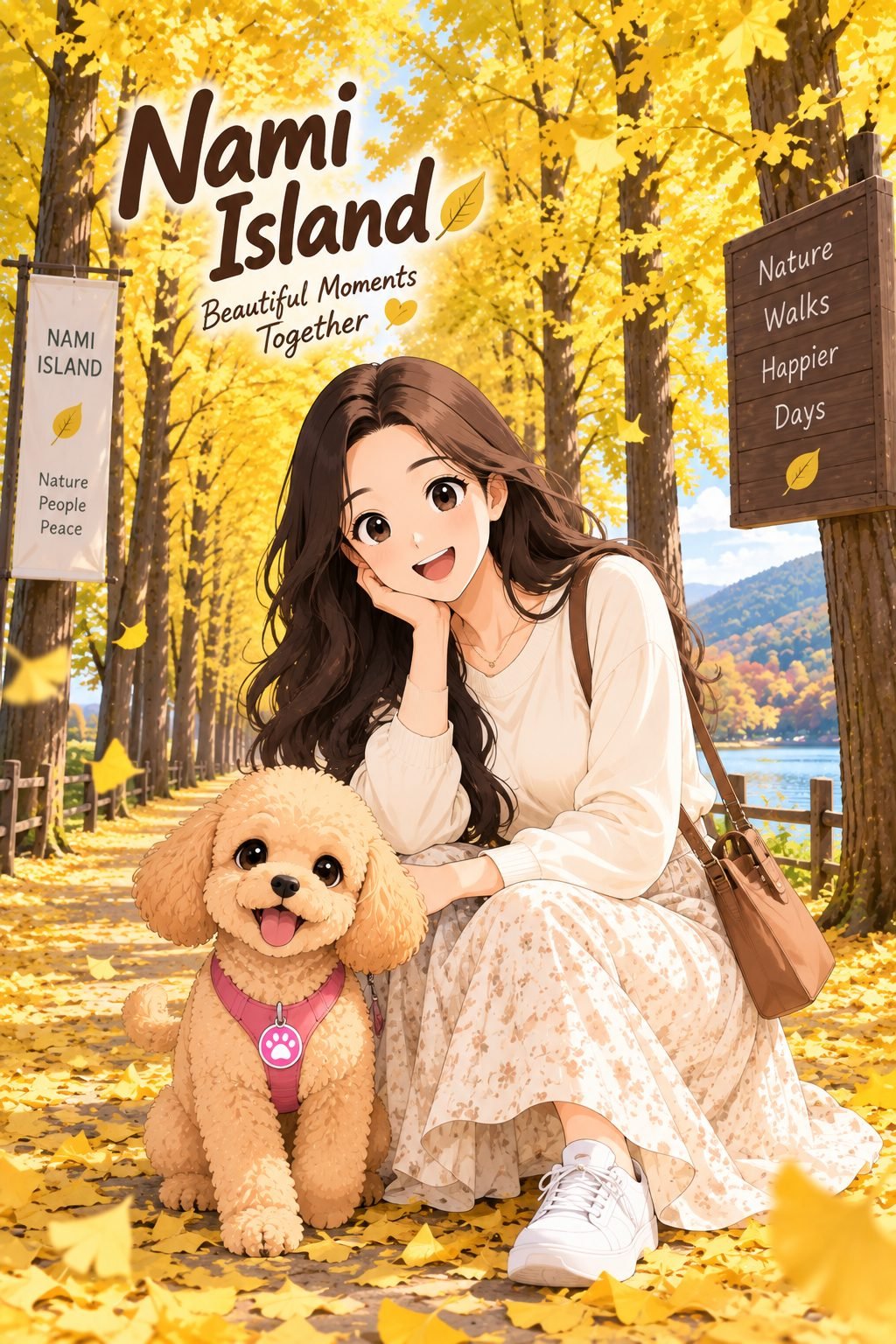
Golden ginkgo leaves and peaceful walking paths give Nami Island one of its most recognizable autumn landscapes.
Riverside Scenery & Cycling
Nami Island is surrounded by water, so riverside scenery forms an important part of the experience beyond its famous tree-lined avenues. Walking near the edge of the island reveals open views across the Bukhangang River, wooded hills, changing skies, and seasonal vegetation.
The waterfront also creates a more open atmosphere than the densely wooded interior paths. Visitors can alternate between shaded tree routes and brighter riverside areas, making the island feel more varied than a single forest attraction.
Cycling is another popular way to explore Nami Island. A bicycle can help visitors cover more of the island while still allowing time to stop for photographs, riverside views, gardens, and quieter paths.
Rental availability, bicycle types, operating hours, permitted routes, prices, and safety requirements can change. Visitors should follow current cycling rules, remain aware of pedestrians, and use appropriate caution on busy paths.
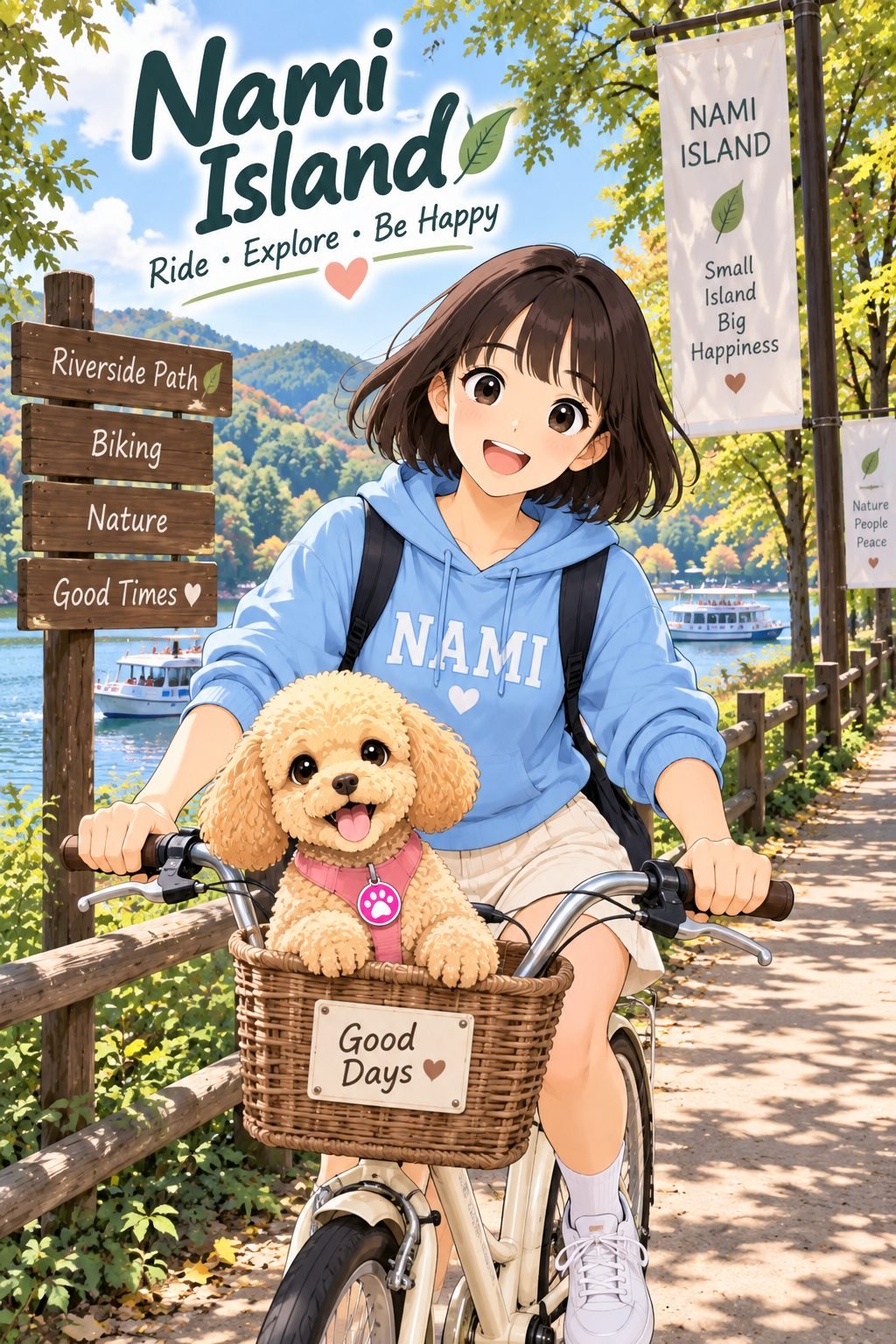
Cycling beside the water offers a relaxed way to explore Nami Island’s riverside paths, forests, and changing seasonal scenery.
Korean Drama & Winter Sonata Connection
Nami Island holds an important place in the international history of Korean popular culture because of its association with the television drama Winter Sonata. The series became widely known in several overseas markets and helped introduce many international viewers to Korean television, travel destinations, and popular culture.
Scenes associated with Nami Island contributed to the destination’s recognition among drama fans, particularly through images of tree-lined paths and romantic seasonal landscapes. For some international visitors, seeing these locations became an early form of Korean screen-tourism travel.
The island’s appeal today extends far beyond a single television series. Younger travelers may visit primarily for nature, photography, cycling, seasonal foliage, or a day trip from Seoul, while longtime Korean drama fans may still recognize the destination through its connection with Winter Sonata.
This combination makes Nami Island an interesting K-Culture destination: natural scenery became connected with Korean entertainment and then developed into an internationally recognizable travel image.
Nami Island in Winter
Winter creates one of the most dramatic transformations on Nami Island. When snow covers the paths and surrounding landscape, the familiar tree-lined avenues take on a quieter and more minimal appearance.
Bare branches, tall trunks, white ground, cold river scenery, and winter light create a strong contrast with the dense greenery of summer and the yellow and orange colors of autumn.
The winter landscape is also closely associated with the romantic visual identity that helped make Nami Island familiar to international Korean drama audiences. However, snow should never be assumed for a particular travel date because snowfall and ground conditions vary considerably from year to year.
Visitors traveling during colder months should prepare for low temperatures, wind, potentially icy surfaces, and changing transportation conditions. Warm clothing and suitable footwear can make a significant difference when spending several hours outdoors.
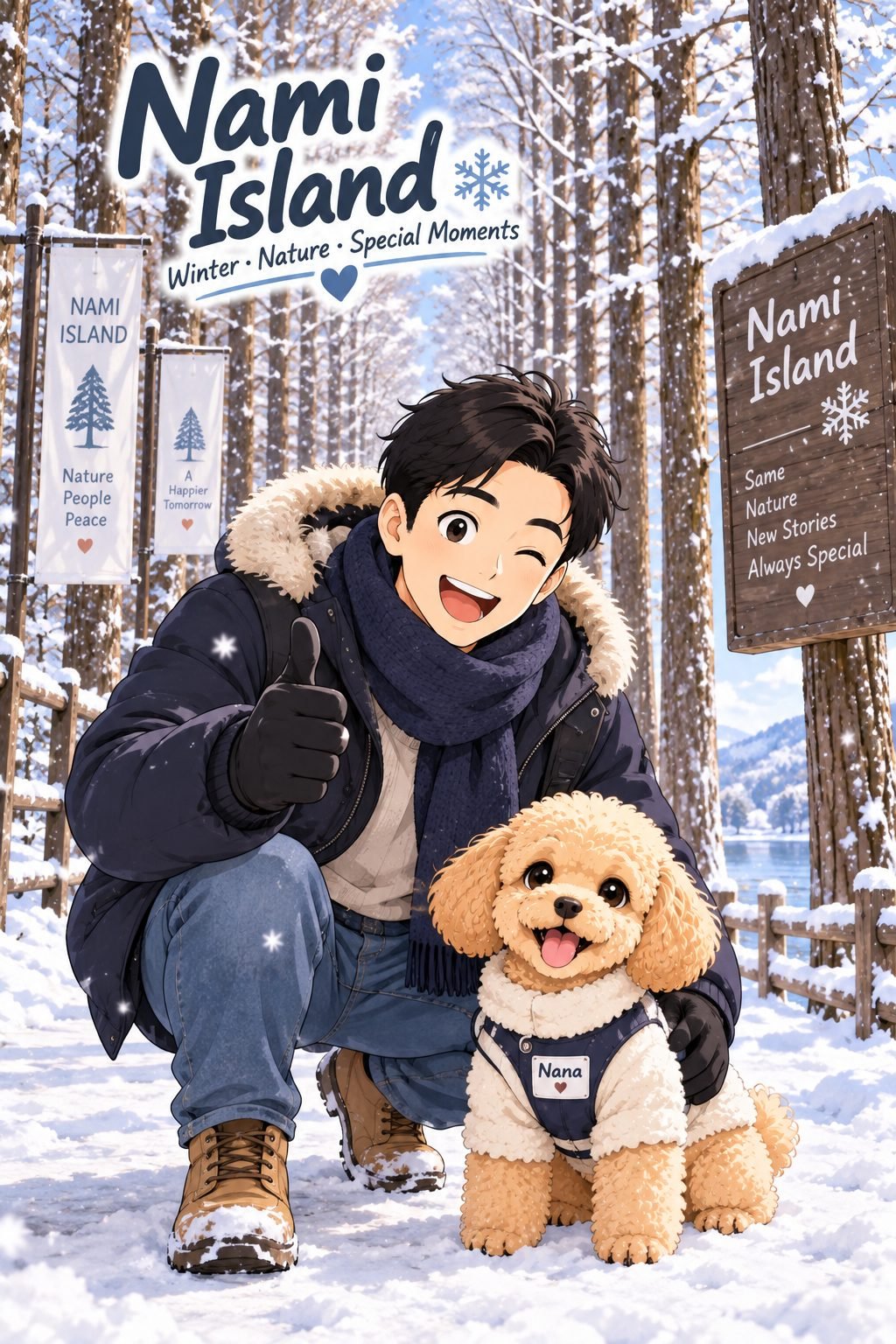
Snow-covered paths and tall winter trees reveal a quieter side of Nami Island and recall the destination’s long connection with Korean drama tourism.
Four Seasons on Nami Island
One of Nami Island’s strongest attractions is that the landscape changes substantially throughout the year. There is no single season that represents the entire island experience.
Spring brings fresh leaves, blossoms, milder temperatures, and renewed color throughout the gardens and walking paths. The landscape gradually becomes greener as the season progresses.
Summer creates dense foliage and shaded avenues beneath mature trees. The island becomes intensely green, although visitors should prepare for warmer temperatures, humidity, and seasonal rain.
Autumn is particularly popular for yellow ginkgo leaves and changing foliage. Tree-lined roads become colorful photography locations, but peak foliage periods can also attract larger numbers of visitors.
Winter reveals the shapes of the trees and creates a quieter visual atmosphere. Snow can transform the island when conditions align, but visitors should check current weather rather than planning on guaranteed snowfall.
The best season therefore depends on the experience a traveler wants: blossoms and fresh growth in spring, green shade in summer, foliage in autumn, or a colder and more restrained landscape in winter.
Sunset & Riverside Views
The riverside becomes especially atmospheric later in the day as the light softens across the water, trees, and surrounding hills. Visitors who remain until late afternoon can experience a quieter visual transition from bright daytime scenery toward warmer evening colors.
Different waterfront viewpoints can reveal combinations of trees, open water, distant hills, boats, and reflections. Seasonal foliage can add additional color, particularly when autumn leaves are illuminated by lower sunlight.
Sunset conditions vary according to season, weather, clouds, and viewing position. Visitors planning specifically for golden-hour photography should check the current sunset time and allow enough time to reach a suitable riverside area before the light changes.
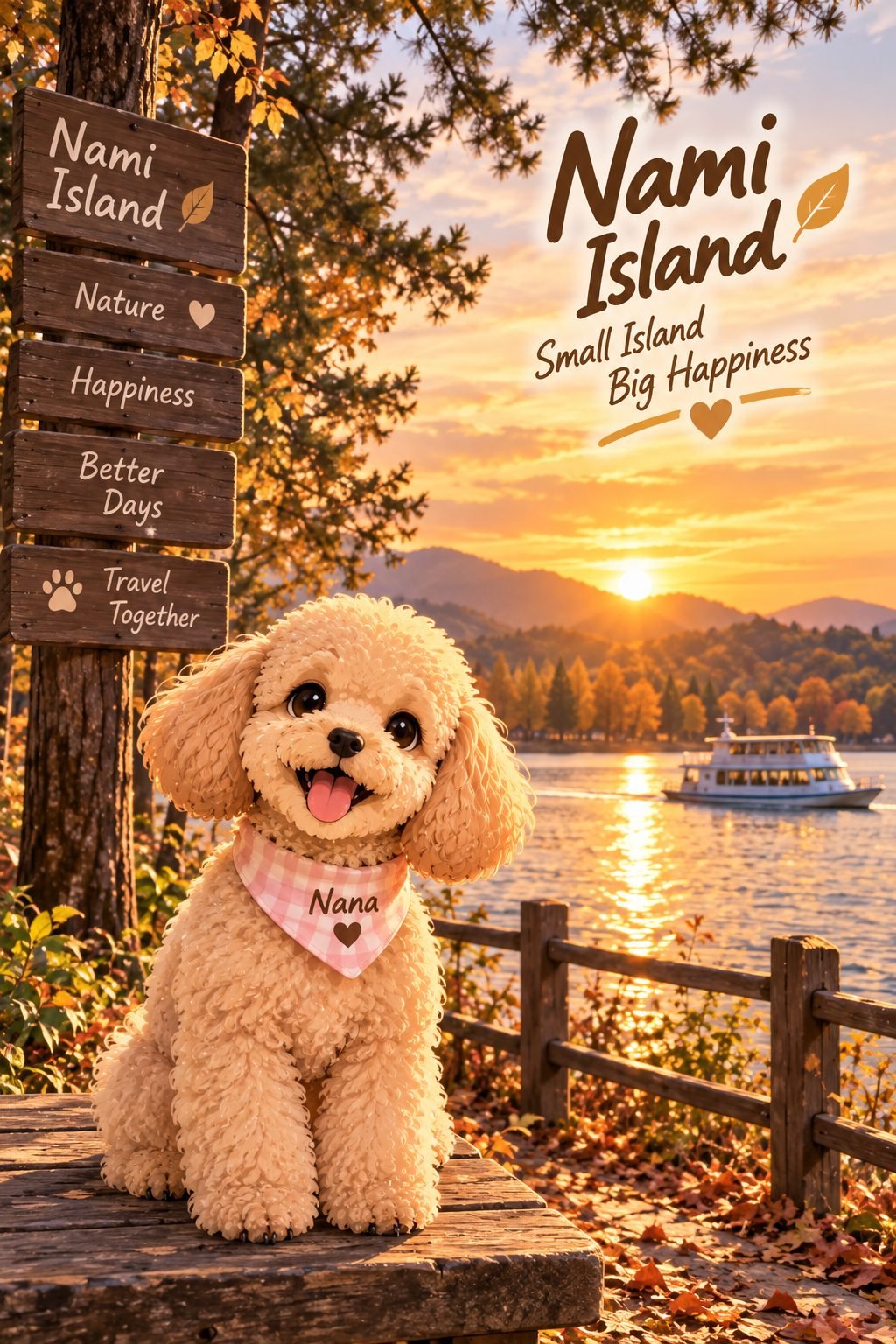
Warm sunset light across the water, trees, and distant hills creates a peaceful ending to a day of exploring Nami Island.
Best Time to Visit
Nami Island can be visited throughout the year, and the best time depends largely on the scenery and atmosphere you want to experience.
Spring is attractive for fresh greenery and seasonal blossoms, while summer provides dense tree canopies and vivid natural landscapes. Autumn is especially popular for yellow ginkgo leaves and colorful foliage, and winter offers bare tree avenues and the possibility of snow-covered scenery.
Weekdays and earlier hours can be useful for visitors who prefer a quieter experience, while weekends, public holidays, peak foliage periods, and popular seasonal travel dates may attract larger crowds.
Weather can strongly influence the experience because much of a Nami Island visit takes place outdoors. Check current forecasts, seasonal conditions, ferry operations, and visitor information before traveling.
How Long to Spend
About 3–5 hours on Nami Island works well for many first-time visitors who want to explore the main tree-lined avenues, walk beside the river, take photographs, enjoy food or drinks, and experience several different parts of the island without rushing.
Visitors interested in cycling, seasonal photography, slower nature walks, cafés, cultural spaces, or exploring quieter paths may want additional time.
A full-day itinerary should also account for transportation to and from the area, waiting or boarding time for island access, meals, and any additional attractions included around Gapyeong.
Getting to Nami Island
Nami Island is commonly visited as a day trip from Seoul, but reaching the island involves traveling outside the city and then completing the final journey to the island access point.
Travelers can use combinations of rail, local transportation, taxi, shuttle services, organized tours, or private vehicles depending on their itinerary. Many independent travelers travel toward the Gapyeong area before continuing to the wharf used for Nami Island access.
The final crossing is commonly made by ferry. Transportation schedules, fares, ticketing systems, ferry operations, shuttle services, road conditions, and access procedures can change, so visitors should confirm current information before departure rather than relying on an older itinerary.
Because the complete journey takes considerably longer than the island crossing itself, allow enough transportation time when planning a same-day return to Seoul.
First-Time Visitor Tips
- Allow several hours on the island rather than planning only a quick photography stop.
- Check current transportation and ferry information before leaving for the Gapyeong area.
- Wear comfortable shoes because walking is one of the main ways to experience Nami Island.
- Arrive earlier if quieter tree-lined photographs are important to you.
- Check current foliage or blossom conditions when seasonal scenery is the main purpose of your trip.
- Prepare for heat, rain, cold, or snow according to the season because much of the visit takes place outdoors.
- Follow current bicycle rules and remain aware of pedestrians when cycling.
- Allow additional time during weekends, holidays, and peak autumn periods.
- Check the final return transportation schedule before staying late for sunset.
- Do not assume snow, blossoms, or peak foliage will occur on the same dates every year.
What to Do Nearby
- Gapyeong — use the wider Gapyeong area as a base for transportation, local scenery, and additional countryside experiences.
- Garden of Morning Calm — explore landscaped gardens, seasonal flowers, autumn colors, and winter illumination depending on the time of year.
- Petite France — experience a colorful European-inspired cultural attraction that is frequently combined with Nami Island on day-trip itineraries.
- Italian Village — add another themed cultural stop when combining attractions around the Gapyeong area.
- Gangchon Rail Park — experience rail biking and countryside scenery as part of a longer excursion outside Seoul.
Opening hours, combination tickets, shuttle services, transportation connections, and operating conditions for nearby attractions can change. Trying to include too many destinations in one day can also reduce the amount of time available to enjoy Nami Island itself.
Nami Island K-Culture Connection
Nami Island adds a new type of destination to K-Nana Studio’s Places collection. Unlike Seoul’s dense urban neighborhoods, Busan’s coastal attractions, Jeju’s volcanic landscapes, or Gyeongju’s Silla heritage, Nami Island combines nature, seasonal travel, outdoor leisure, and Korean screen culture within a compact island setting.
Its connection with Winter Sonata is particularly important in the history of international interest in Korean entertainment. The drama helped turn familiar natural scenery into recognizable K-Drama travel imagery for audiences outside Korea and contributed to an earlier generation of Korean Wave tourism.
At the same time, Nami Island no longer depends only on that association. Tree-lined roads, cycling, riverside walks, seasonal foliage, photography, family outings, and easy nature experiences give the destination broader appeal to travelers who may have no connection with the drama.
This combination of landscape and popular culture makes Nami Island useful for understanding how Korean travel destinations can gain new meanings through television, photography, social media, seasonal tourism, and changing generations of international visitors.
FAQ
What is Nami Island known for?
Nami Island is known for its long tree-lined avenues, metasequoia and ginkgo scenery, riverside landscapes, cycling, seasonal colors, and connection with Korean popular culture. It is particularly recognizable among international travelers as a nature-focused day-trip destination and for its association with the Korean drama Winter Sonata.
How long should I spend on Nami Island?
About 3–5 hours on the island works well for many first-time visitors. This allows time to explore famous tree-lined paths, walk beside the river, take photographs, enjoy food or drinks, and experience several parts of the island without rushing. Cycling, seasonal photography, and slower nature walks can extend the visit.
Can I visit Nami Island as a day trip from Seoul?
Yes. Nami Island is commonly visited as a day trip from Seoul. Travelers should allow enough time for transportation to the Gapyeong area, the final journey to the island access point, ferry boarding, several hours on the island, and the return trip. Current transportation and ferry schedules should be checked before departure.
When is the best season to visit Nami Island?
Each season offers a different experience. Spring brings fresh greenery and blossoms, summer provides dense green tree canopies, autumn is popular for yellow ginkgo leaves and colorful foliage, and winter can create quiet tree-lined landscapes with the possibility of snow. Seasonal timing varies each year according to weather conditions.
Why is Nami Island associated with Winter Sonata?
Nami Island became internationally recognizable through its association with the Korean television drama Winter Sonata. The drama helped introduce the island’s romantic tree-lined landscapes to overseas audiences and contributed to the growth of Korean screen-tourism interest. Today, the island also attracts visitors for nature, cycling, photography, seasonal scenery, and family outings.
Can I combine Nami Island with other attractions in one day?
Yes. Nami Island is frequently combined with destinations around the Gapyeong area such as the Garden of Morning Calm, Petite France, Italian Village, or Gangchon Rail Park. However, transportation time and operating schedules should be considered carefully because adding too many attractions can significantly reduce the time available on Nami Island.
Related K-Nana Guides
Continue exploring Korea with K-Nana Studio’s selected Places guides covering Seoul’s palaces, neighborhoods, shopping districts, parks, observation decks, and Han River scenery; Busan’s beaches, coastal villages, temples, parks, and skyline views; Jeju’s volcanic landscapes, waterfalls, beaches, and walking routes; and Gyeongju’s temples, royal palaces, tombs, ancient monuments, traditional architecture, and Silla heritage.
Nami Island begins a new nature-focused day-trip direction for the collection, connecting Korean seasonal scenery, outdoor leisure, riverside travel, photography, and K-Drama culture with destinations beyond Korea’s largest city centers.
Official Information
Nami Island is a visitor destination with transportation and island-access arrangements that can change. Ferry schedules, admission procedures, ticket prices, operating hours, transportation connections, bicycle rentals, restaurants, cafés, cultural facilities, events, seasonal programs, accessibility conditions, and individual services may vary. Weather, river conditions, maintenance, seasonal crowds, and safety requirements can also affect parts of the visitor experience. Check current official information when a specific ferry time, transportation connection, activity, facility, event, or service is important to your trip, and follow all posted safety and visitor guidance.
Image Credits
Nami Island metasequoia tree-lined avenue, natural scenery, and family travel visual — K-Nana Studio original visual.
Nami Island golden ginkgo trees and peaceful autumn walking scenery with Mom and Nana visual — K-Nana Studio original visual.
Nami Island riverside cycling and nature travel experience with K-Nana daughter and Nana visual — K-Nana Studio original visual.
Nami Island snowy winter tree-lined scenery and K-Drama-inspired travel atmosphere with Dad and Nana visual — K-Nana Studio original visual.
Nana enjoying Nami Island sunset, riverside scenery, forest landscape, and warm seasonal nature visual — K-Nana Studio original visual.