
Gangnam Station is one of the busiest urban areas in southern Seoul, surrounded by offices, restaurants, cafés, shopping streets, beauty businesses, entertainment venues, and the broad Gangnam-daero avenue. For first-time visitors, the area offers an easy way to experience the fast-moving commercial and everyday atmosphere commonly associated with modern Gangnam.
Rather than being centered around a single landmark, Gangnam Station is best experienced as a neighborhood. Walk along Gangnam-daero, explore the smaller streets on either side, stop for food or coffee, browse shops, and stay into the evening to see how the district changes after dark.
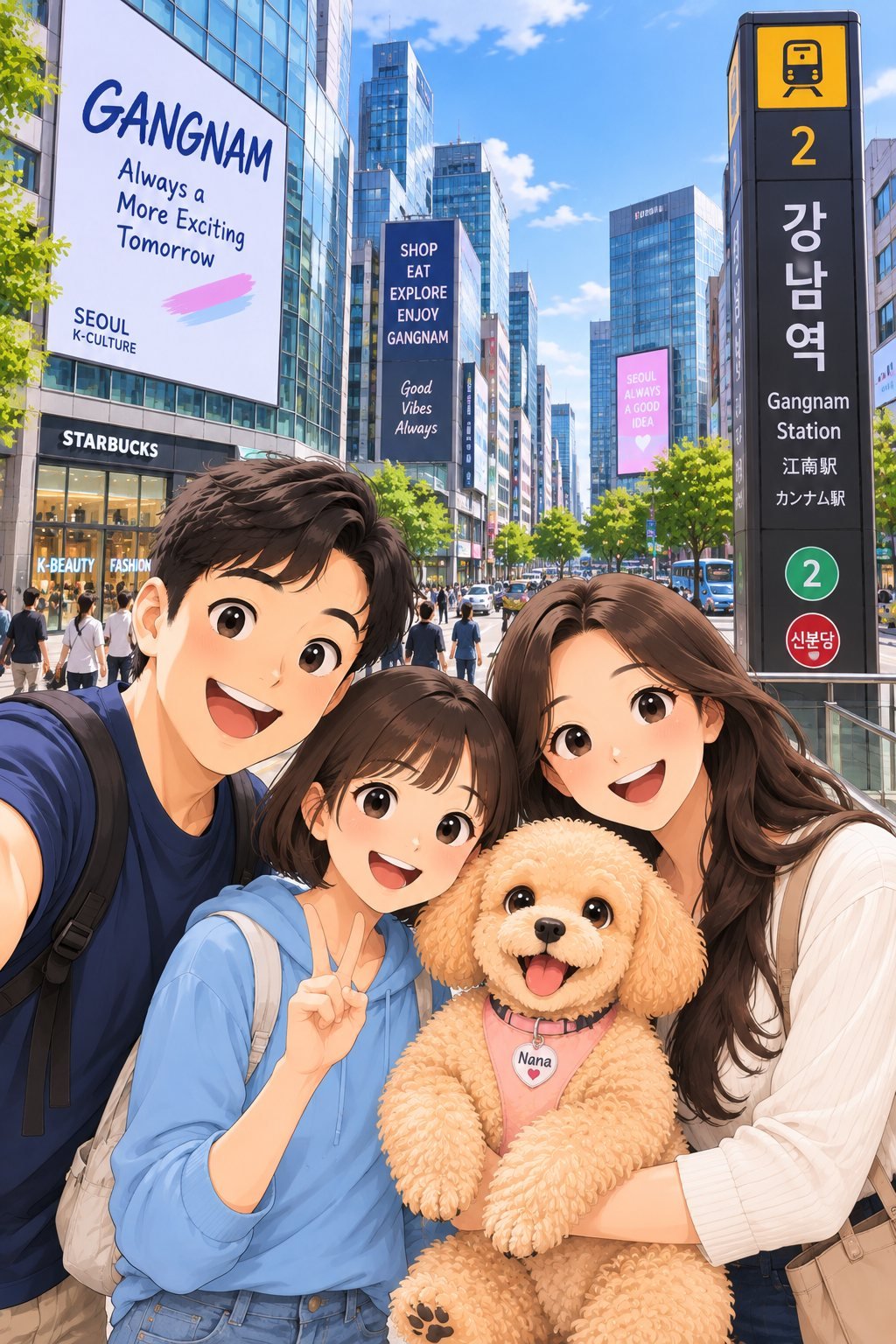
Busy streets, shopping, cafés, offices, and city lights make Gangnam Station one of southern Seoul’s most energetic urban districts.
Quick Guide
| Location | Gangnam-gu and Seocho-gu, Seoul |
| Best for | City walks, shopping, cafés, restaurants, K-beauty, nightlife, urban photography |
| Recommended time | About 2–4 hours |
| Nearest subway | Gangnam Station |
| Admission | The neighborhood itself is free to explore |
| Good to combine with | COEX, Bongeunsa Temple, Apgujeong, Cheongdam-dong, and Sinsa-dong |
What Is Gangnam Station?
Gangnam Station is a major subway station and commercial hub in southern Seoul. The surrounding streets connect office districts with shopping, restaurants, cafés, academies, beauty businesses, entertainment venues, and nightlife.
The station area sits around Gangnam-daero, one of the major roads running through this part of Seoul. Large buildings and busy sidewalks define the main avenue, while smaller streets behind them contain a dense mix of places to eat, drink, shop, and spend time.
The area is constantly changing. Individual stores, cafés, restaurants, signs, and entertainment businesses can open, close, or relocate, so Gangnam Station is better understood as an evolving city district than a fixed list of attractions.
Why Visit?
- Experience the busy urban atmosphere of modern Gangnam.
- Walk along Gangnam-daero between high-rise commercial buildings.
- Explore shopping, fashion, beauty, cafés, and restaurants.
- Discover smaller streets beyond the main avenue.
- See the neighborhood change from daytime business activity to evening entertainment.
- Enjoy city and street photography in a dense modern setting.
- Combine the area with other destinations in southern Seoul.
Walking Gangnam-daero
Gangnam-daero provides the easiest introduction to the district. The broad avenue is lined with office towers, commercial buildings, shops, cafés, restaurants, signs, and constant pedestrian activity.
Walking along the main road gives visitors a sense of the scale and energy of Gangnam, but the experience becomes more interesting when you occasionally turn into the smaller streets behind the large buildings.
These side streets can feel noticeably different from the main avenue and often contain restaurants, cafés, bars, beauty businesses, and smaller shops.
There is no need to follow a strict walking route. Gangnam Station works particularly well for flexible exploration, allowing visitors to choose streets according to whatever looks interesting at the time.
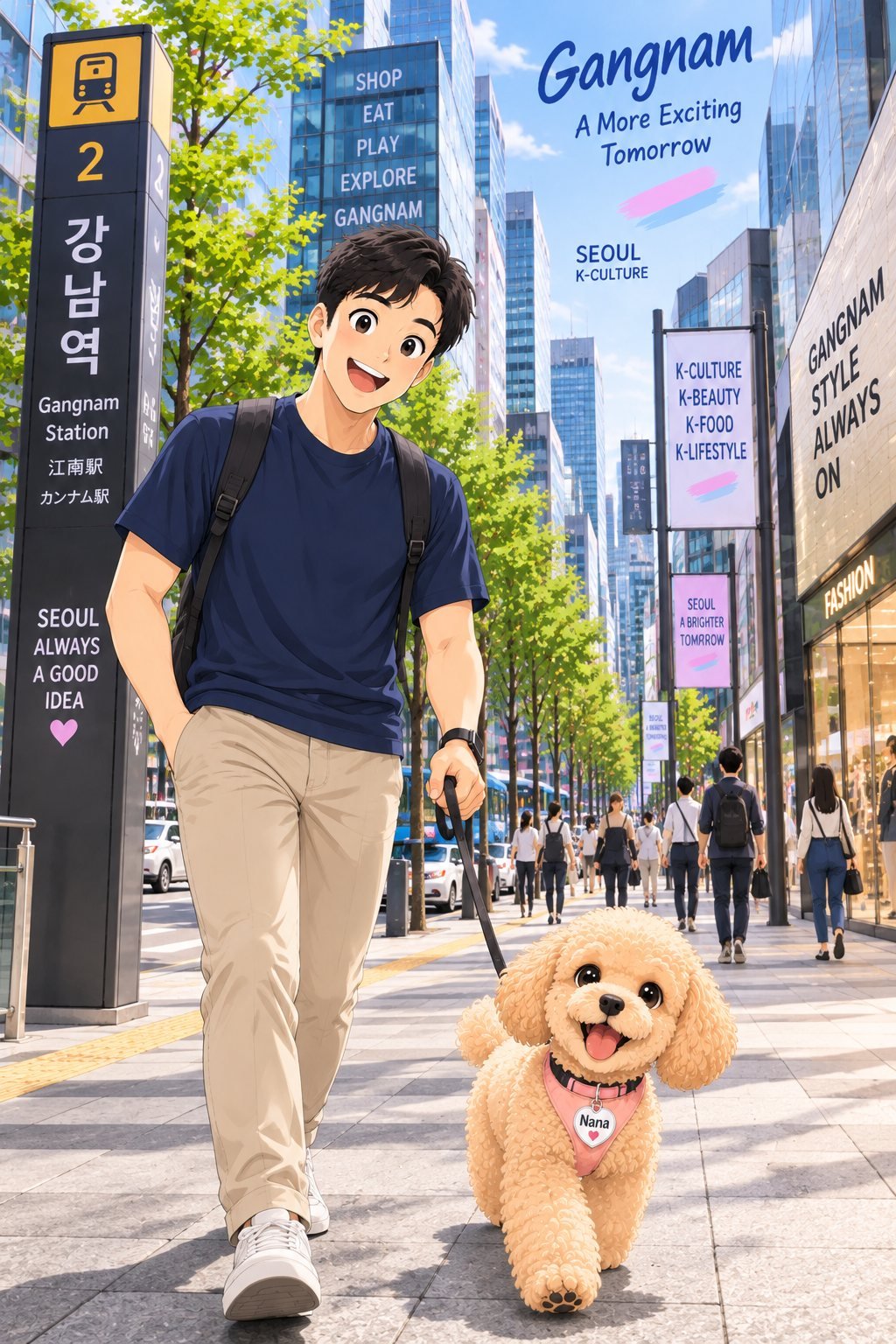
Walking Gangnam-daero reveals the high-rise buildings, busy sidewalks, shops, and everyday city movement that define the district.
Shopping & K-Beauty
Shopping around Gangnam Station is spread across the main avenue, underground spaces, large commercial buildings, and smaller side streets. Visitors may encounter fashion, cosmetics, accessories, lifestyle products, and everyday retail while exploring the district.
K-beauty is also part of the wider Gangnam experience. Beauty stores, salons, skincare businesses, and other related services can be found throughout the area, although individual businesses and locations change over time.
If one particular shop, brand, or beauty service is important to your visit, check its current location and operating information before traveling.
Cafés & Food
Gangnam Station has an extensive range of cafés, restaurants, dessert shops, and casual places to eat. Options extend well beyond the buildings directly facing Gangnam-daero, so exploring the smaller streets can be worthwhile.
The area becomes particularly active around lunch, after work, dinner, and later in the evening. Restaurants in busy sections may have waiting times during popular periods.
Rather than planning every meal in advance, visitors can also use the district for flexible dining and choose a place while walking according to the atmosphere, menu, and crowd level.
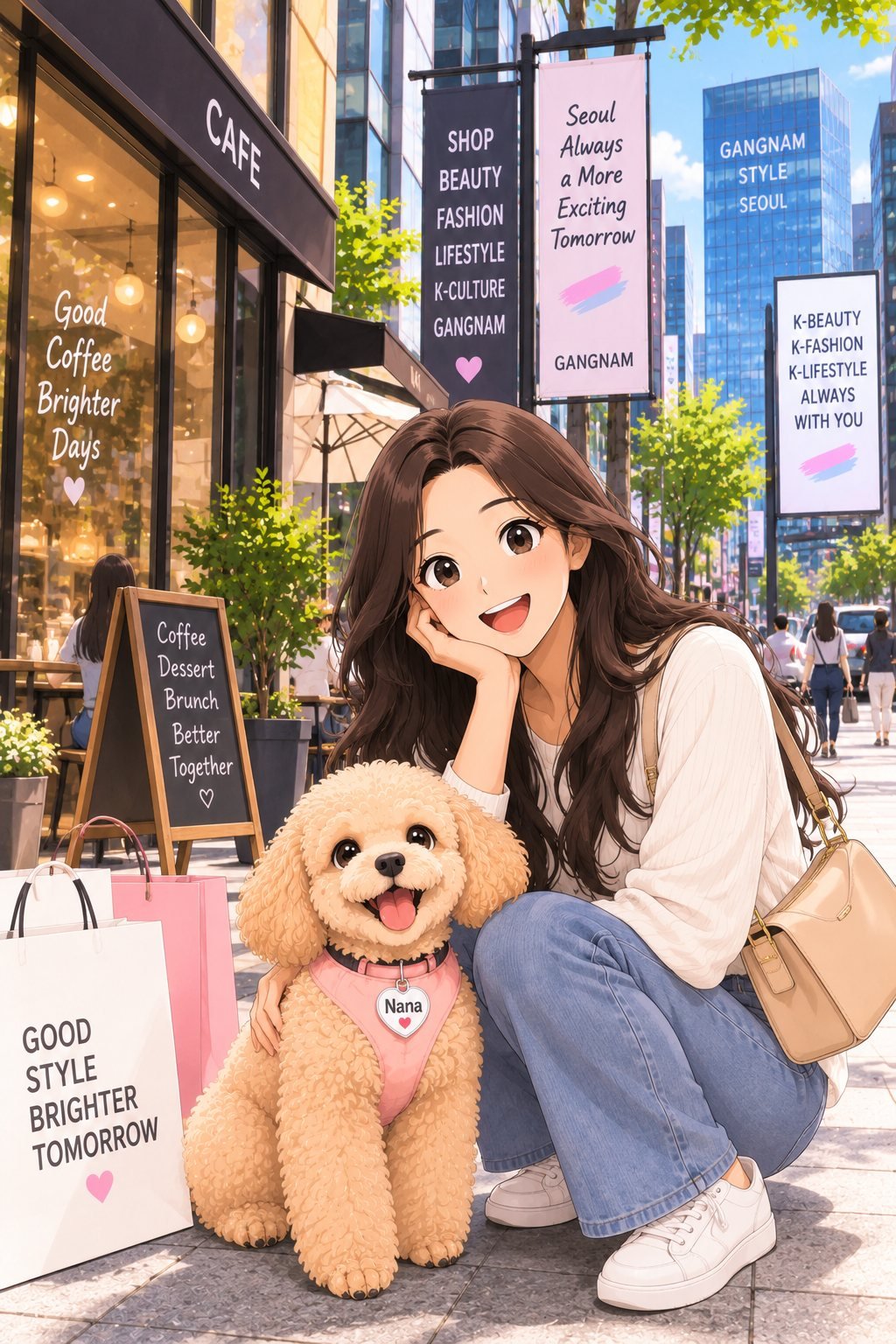
Cafés, restaurants, shopping, and beauty businesses fill the streets around Gangnam Station.
Fashion & K-Culture
Gangnam is internationally associated with contemporary Korean lifestyle and popular culture, but the Gangnam Station area is also an everyday commercial district used by office workers, students, residents, shoppers, and visitors.
Fashion, beauty, cafés, restaurants, digital advertising, entertainment, and changing trends all contribute to the visual identity of the neighborhood.
Visitors should not expect one single K-culture landmark to define the entire area. Instead, the experience comes from seeing how contemporary Korean trends appear across shops, streets, advertising, food, beauty, and everyday city life.
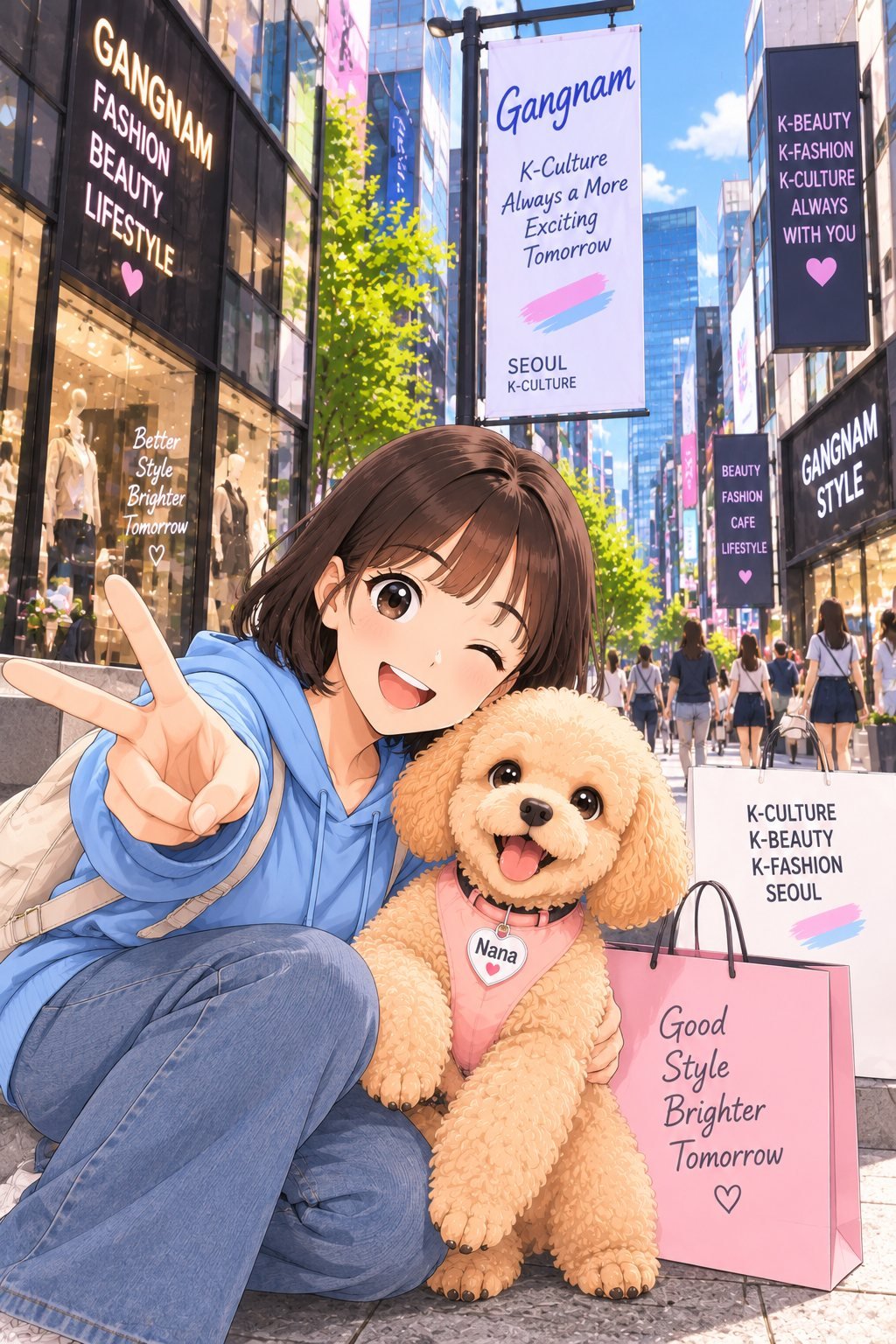
Fashion, beauty, digital media, and fast-changing trends are all part of the contemporary Gangnam streetscape.
Gangnam Station vs COEX
Gangnam Station and COEX & Starfield Library provide two different ways to experience modern Gangnam.
COEX concentrates shopping, restaurants, books, entertainment, exhibitions, and other activities within a large indoor complex.
Gangnam Station is more street-oriented. Its character comes from Gangnam-daero, busy sidewalks, office buildings, side streets, restaurants, cafés, shops, and the transition from daytime activity to nightlife.
Visitors with enough time can experience both to see how different commercial areas within Gangnam create noticeably different atmospheres.
Gangnam Station vs Garosu-gil
Garosu-gil & Sinsa-dong offers another contrast within southern Seoul.
Garosu-gil is associated with a tree-lined commercial street, cafés, fashion, beauty, lifestyle shopping, and slower neighborhood exploration.
Gangnam Station feels larger, busier, and more strongly connected with offices, major roads, dense commercial buildings, restaurants, and evening activity.
Choosing between them depends on whether you prefer a smaller lifestyle district or a more intense metropolitan environment.
Gangnam After Dark
Gangnam Station takes on a different character after sunset. Office workers finish their day, restaurants and cafés become busier, illuminated signs stand out more clearly, and the surrounding streets develop a stronger evening atmosphere.
Gangnam-daero remains active while the smaller streets around the station fill with people heading to restaurants, cafés, bars, entertainment venues, and late-night businesses.
Visitors interested in urban photography may enjoy staying from late afternoon into the evening, allowing them to see the same neighborhood in both daylight and neon-lit conditions.
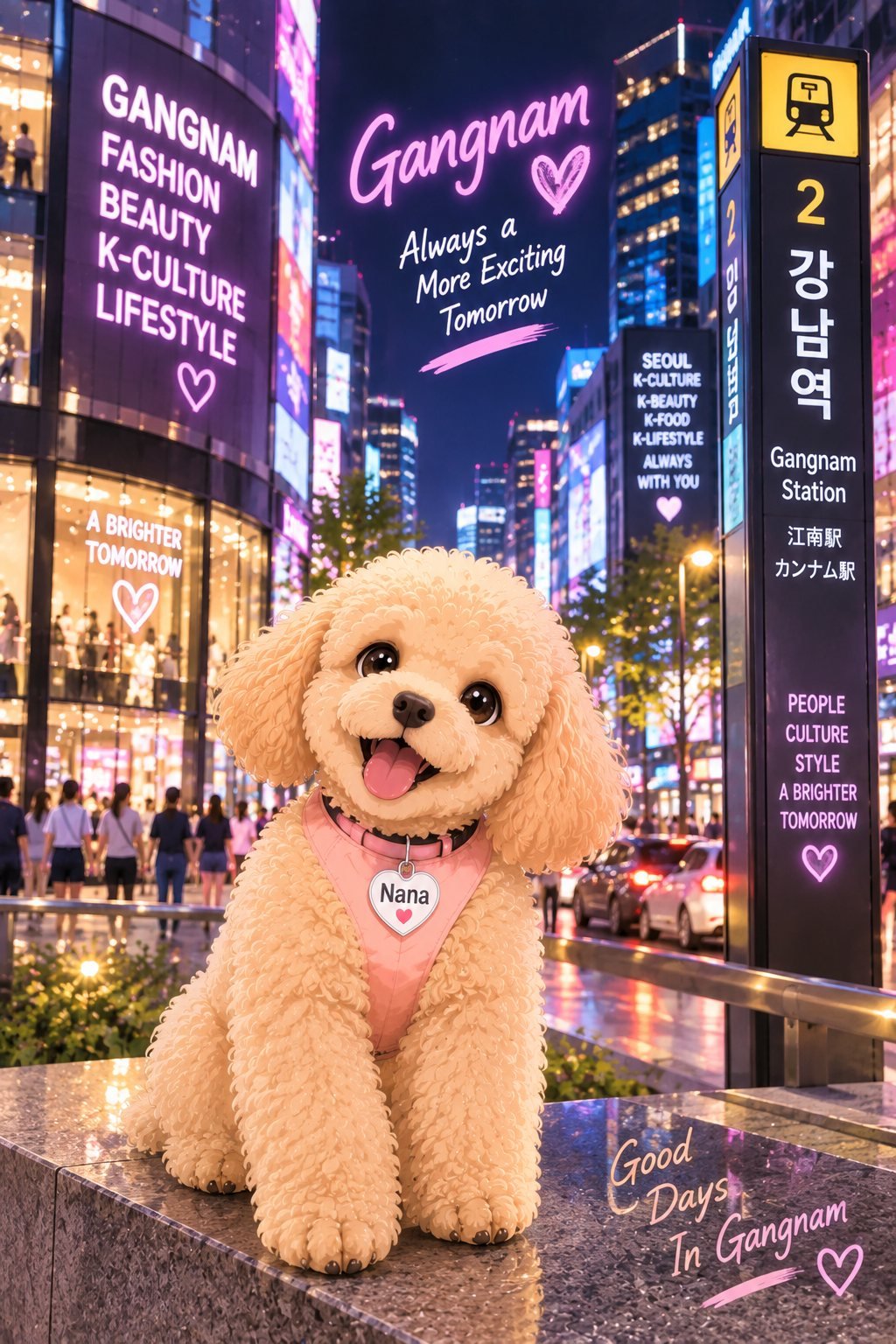
Neon signs, busy streets, restaurants, and city lights give Gangnam Station a different energy after sunset.
Best Time to Visit
Late afternoon through evening works particularly well for first-time visitors because it allows you to experience both the daytime commercial district and the brighter nighttime atmosphere.
Weekdays can be especially interesting around the end of the working day, when office activity transitions into dinner and evening social life.
Weekends can also be lively, although pedestrian traffic and popular restaurants, cafés, and shopping areas may become busier.
Weather matters because much of the experience involves walking outdoors. Hot summer afternoons, heavy rain, or very cold winter conditions can make long street walks less comfortable.
How Long to Spend
About 2–4 hours is suitable for many first-time visitors.
A simple walk along Gangnam-daero can take much less time, while shopping, café stops, dinner, photography, and exploring side streets can easily extend the visit.
Visitors combining Gangnam Station with other destinations in southern Seoul may prefer to arrive later in the day and use the neighborhood for shopping, dinner, and evening scenery.
How to Get There
Gangnam Station is served by Seoul Subway Line 2 and the Shinbundang Line, making it a convenient transport hub for southern Seoul.
The station has multiple exits serving different sides of the surrounding commercial district. Check the current map and your first destination before choosing an exit.
Once above ground, Gangnam-daero provides an easy reference point for beginning your walk before exploring the smaller streets nearby.
First-Time Visitor Tips
- Wear comfortable shoes because the area is best explored on foot.
- Check the station exit closest to your first destination before leaving the subway.
- Explore side streets instead of staying only on Gangnam-daero.
- Expect larger crowds around commuting, dinner, and weekend periods.
- Check current information if you are visiting a specific shop, café, restaurant, beauty business, or entertainment venue.
- Allow extra time if you plan to shop or eat at popular locations.
- Stay into the evening if you want to experience Gangnam’s illuminated city atmosphere.
- Remain aware of traffic, bicycles, and other pedestrians when taking street photographs.
What to Do Nearby
- COEX & Starfield Library — indoor shopping, books, restaurants, entertainment, exhibitions, and contemporary K-culture.
- Bongeunsa Temple — Korean Buddhist culture, traditional architecture, temple grounds, and a striking contrast with modern Gangnam.
- Garosu-gil & Sinsa-dong — cafés, fashion, beauty, lifestyle shopping, and tree-lined streets.
- Apgujeong Rodeo & Cheongdam-dong — fashion, galleries, cafés, beauty, and upscale contemporary Seoul culture.
- Banpo Hangang Park — Han River scenery, sunset, picnics, Banpo Bridge, and evening views.
K-Culture Connection
Gangnam Station reflects the everyday commercial side of contemporary Seoul. Fashion, beauty, cafés, restaurants, digital advertising, offices, entertainment, shopping, and nightlife all overlap within a relatively compact urban area.
The neighborhood also shows that K-culture is not limited to music, television, or famous entertainment landmarks. Beauty trends, fashion, food, social spaces, advertising, and changing lifestyle businesses are also part of the modern Korean city experience.
For international visitors, walking around Gangnam Station provides a street-level view of the fast-moving urban culture that has helped make the name Gangnam recognizable around the world.
FAQ
What is Gangnam Station known for?
Gangnam Station is known for its busy commercial streets, shopping, restaurants, cafés, beauty businesses, entertainment, offices, and energetic evening atmosphere around Gangnam-daero.
Is Gangnam Station worth visiting?
Gangnam Station is useful for visitors who want to experience the everyday commercial energy of modern southern Seoul. Rather than one major landmark, the area is best enjoyed through walking, shopping, food, cafés, street scenery, and nightlife.
Which subway lines serve Gangnam Station?
Gangnam Station is served by Seoul Subway Line 2 and the Shinbundang Line, making it a convenient transport hub for exploring southern Seoul.
How long should I spend around Gangnam Station?
About 2–4 hours works well for many first-time visitors. Shopping, cafés, dinner, photography, and exploring smaller streets can easily extend the visit.
Is Gangnam Station better during the day or at night?
Both offer different experiences. Daytime is useful for shopping, cafés, and city walks, while the evening brings brighter signs, busier restaurants, entertainment, and a more dramatic urban atmosphere.
Can I combine Gangnam Station with COEX?
Yes. Gangnam Station and COEX & Starfield Library provide different views of modern Gangnam and can be combined within the same day using public transportation.
Related K-Nana Guides
Continue exploring Gangnam with COEX & Starfield Library for indoor shopping, books, entertainment, and K-culture. Visit Bongeunsa Temple for Korean Buddhist culture and traditional architecture, Garosu-gil & Sinsa-dong for cafés and lifestyle shopping, or Apgujeong Rodeo & Cheongdam-dong for fashion, galleries, and contemporary Korean style.
Official Information
Gangnam Station and Gangnam-daero contain independently operated shops, restaurants, cafés, beauty businesses, entertainment venues, and other commercial spaces. Business hours, prices, events, store locations, and individual operating conditions can change. Subway exits, pedestrian routes, public spaces, and street events may also be affected by construction or temporary restrictions. Check current information when a particular business, event, or destination is important to your visit.
Image Credits
Gangnam Station and Gangnam-daero family travel visual — K-Nana Studio original visual.
Gangnam-daero city walk with Dad and Nana visual — K-Nana Studio original visual.
Gangnam Station café and shopping street with Mom and Nana visual — K-Nana Studio original visual.
Gangnam fashion and K-culture with K-Nana daughter and Nana visual — K-Nana Studio original visual.
Nana enjoying the neon night scenery around Gangnam Station visual — K-Nana Studio original visual.