
Introduction: Why K-Pop Idol Contracts Matter
K-Pop idol contracts matter because reports about contract terms, termination, and renewal can affect how audiences understand an artist’s relationship with an agency. Beginners often encounter phrases such as exclusive contract, contract renewal, and seven-year rule without an explanation of what official sources actually establish.
This article explains the verified South Korean standard-contract framework available in the supplied official sources. Those sources concern standard exclusive contracts for singers or popular-culture artists. They do not disclose every clause in an individual idol’s privately negotiated agreement, so they cannot establish the contract status of a particular artist or group.
What Is a K-Pop Idol Exclusive Contract?
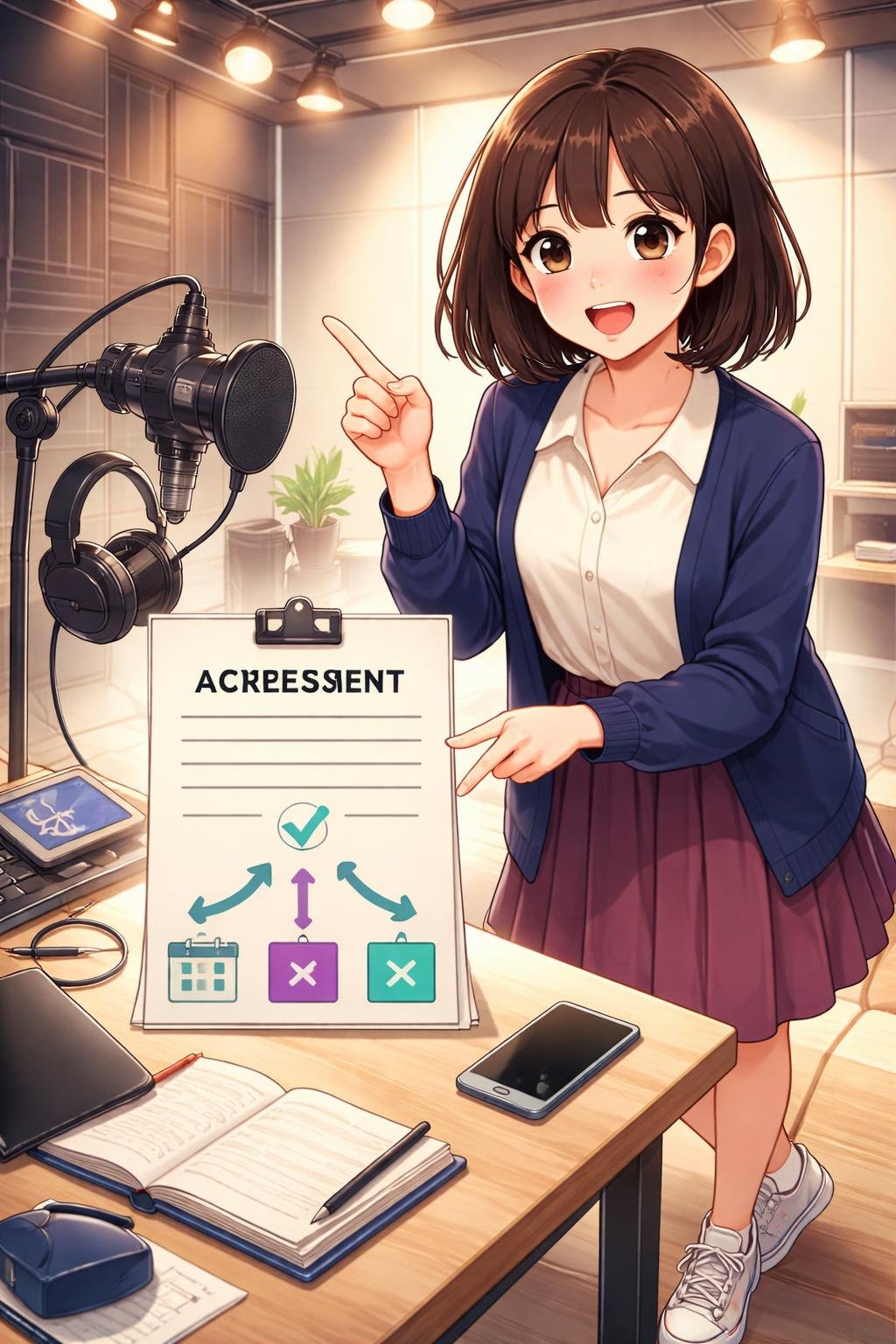
In beginner-friendly terms, an exclusive artist contract is an agreement governing a working relationship between an artist and an agency. The word exclusive indicates that the agreement concerns an exclusive relationship, but the supplied sources do not provide enough detail to describe every possible obligation, payment provision, management right, or restriction.
Three related ideas should be kept separate:
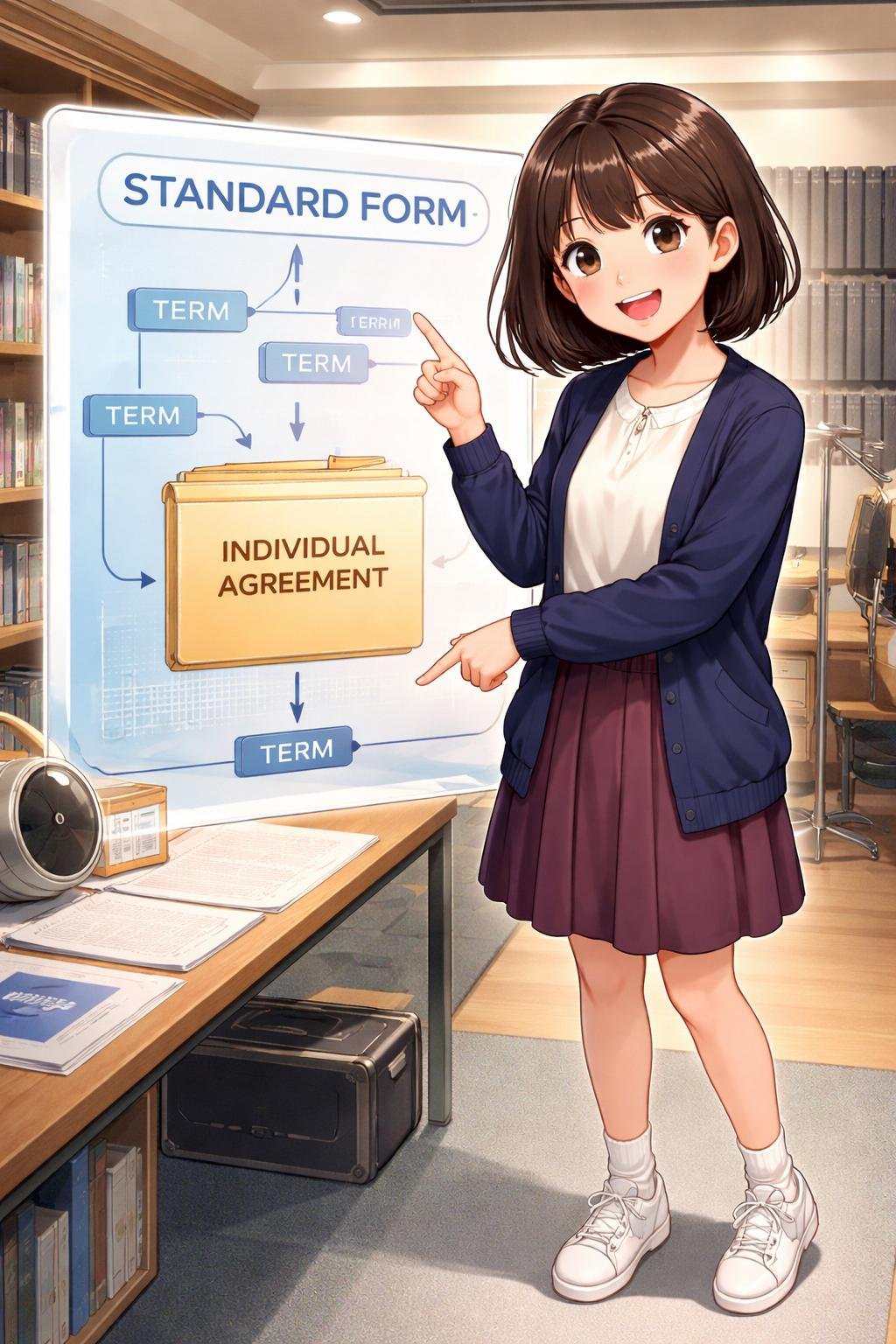
- The general concept: An exclusive artist contract describes the contractual relationship between an artist and an agency.
- An official standard-form contract: A government or regulatory body can publish a standard framework for use in the industry. The verified sources identify official standard contracts for singers and popular-culture artists.
- An individual agreement: A particular artist and agency may have a private agreement. The existence of an official standard form does not, by itself, reveal the wording or current status of that private contract.
For this reason, K-Pop idol contracts should not be treated as if every artist signs an identical document with the same duration, renewal outcome, or additional conditions.
How South Korea’s Standard Contract Framework Developed
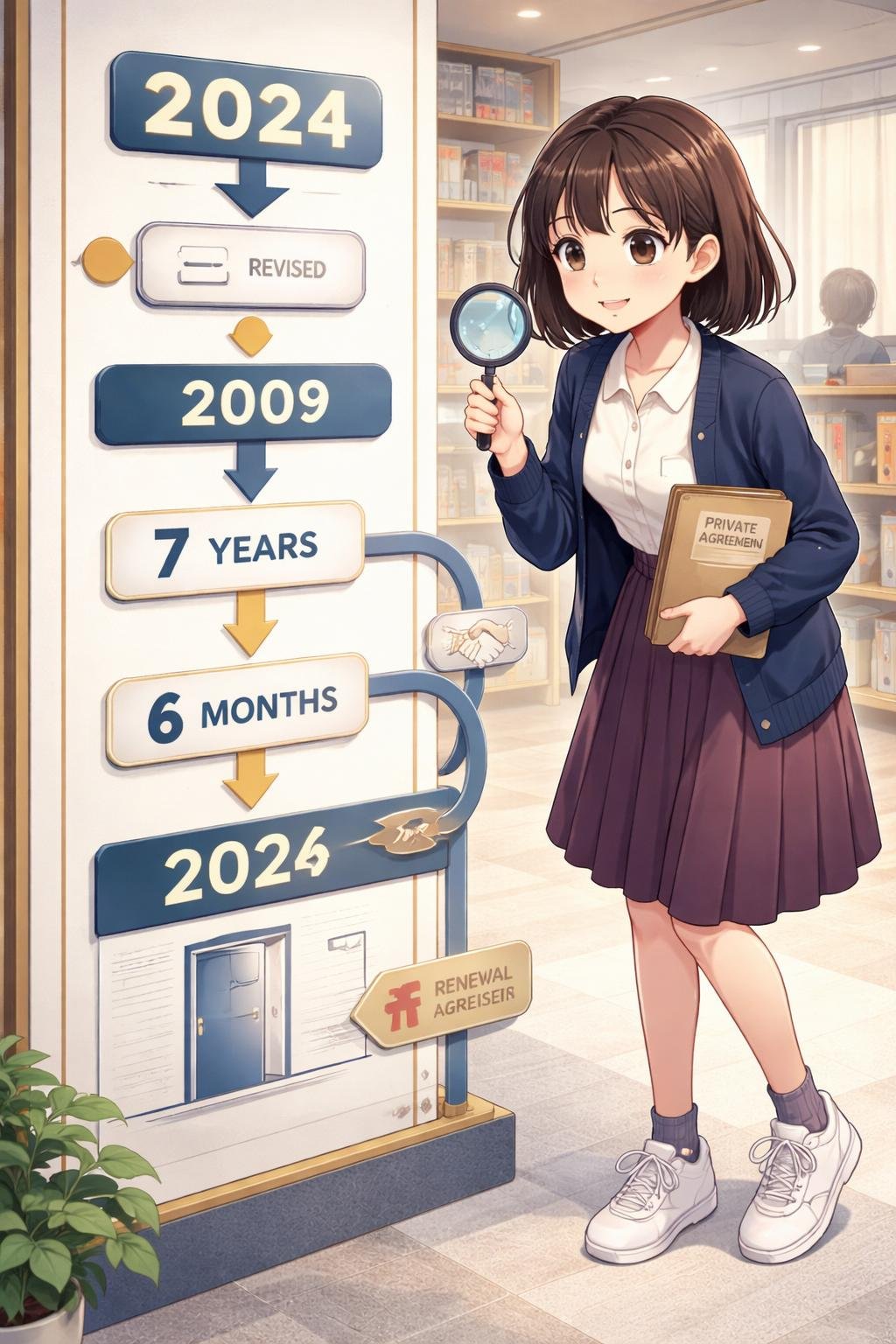
The Korea Fair Trade Commission published a standard exclusive contract for singers in July 2009. According to the official commission material supplied for this article, that framework did not impose an initial term limit, but it allowed a singer to seek termination after seven years. Termination would take effect six months after notice under the described framework.
South Korea’s Ministry of Culture, Sports and Tourism later announced and implemented a partially revised standard exclusive contract for popular-culture artists, including singers and actors, on June 3, 2024. The National Law Information Center identifies the revised standard contract under Notice No. 2024-21, while the ministry’s revision notice identifies the corresponding 2024 announcement and implementation.
The supplied 2024 webpages establish that the revision occurred, but their page text does not reproduce the detailed clauses concerning contract duration, termination, or renewal. Those webpages therefore should not be used to assume that every provision described in the 2009 material appears unchanged in the current standard form.
How Contract Terms, Termination, and Renewal Work
The available official evidence supports a limited explanation of the 2009 standard singer-contract framework. Under that framework, a singer could seek termination after seven years. Once notice was given, termination took effect six months later.
The same Korea Fair Trade Commission material stated that the agency and singer could mutually restrict this termination right for justified reasons, with long-term overseas activities given as an example. It also stated that the parties could extend or renew the contract by agreement.
These mechanisms represent distinct steps. Reaching seven years created the documented opportunity to seek termination under the 2009 framework. Notice then began the six-month period described by the source. An extension or renewal, by contrast, depended on agreement between the parties.
This historical framework must not be presented as the verified wording of every current K-Pop contract. The supplied evidence does not establish the detailed terms of any specific artist’s agreement, and the 2024 webpages do not reproduce the revised clauses needed for a clause-by-clause comparison.
Understanding the Seven-Year Rule
The phrase seven-year rule is commonly useful as shorthand, but the supplied 2009 evidence describes something more specific than an automatic expiration date. It states that a singer could seek termination after seven years and that the contract would end six months after notice.
If notice were given at the seven-year point under that framework, the six-month notice consequence would matter. The source therefore does not describe every contract as disappearing automatically on the exact seventh anniversary.
The 2009 material also allowed extension or renewal by agreement and recognized mutually agreed restrictions for justified circumstances such as long-term overseas activities. As a result, the verified framework included more than one possible path after the seven-year point.
The phrase should not be used to guess the outcome of a current private agreement. Confirming an artist’s actual duration, notice, extension, or renewal requires case-specific and current information.
Standard Contracts and the K-Pop Industry Context
The Korea Fair Trade Commission is the official source for the supplied July 2009 material describing the standard exclusive contract for singers and its seven-year termination mechanism. That source provides the historical basis for the seven-year concept discussed in this article.
The Ministry of Culture, Sports and Tourism is the official source for the supplied announcement that a standard exclusive contract for popular-culture artists, including singers and actors, was partially revised and implemented on June 3, 2024. The National Law Information Center also identifies the relevant standard-contract notice and its effective date.
Together, these official materials document the development of a standard-contract framework. They do not establish the private clauses, duration, renewal status, or possible dispute history of a particular idol or group.
This distinction is especially important in K-Pop discussions because public conversation may combine agency announcements, artist statements, news reports, and fan interpretations. Only the precise source and wording can show what has actually been confirmed.
Common Misunderstandings About K-Pop Idol Contracts
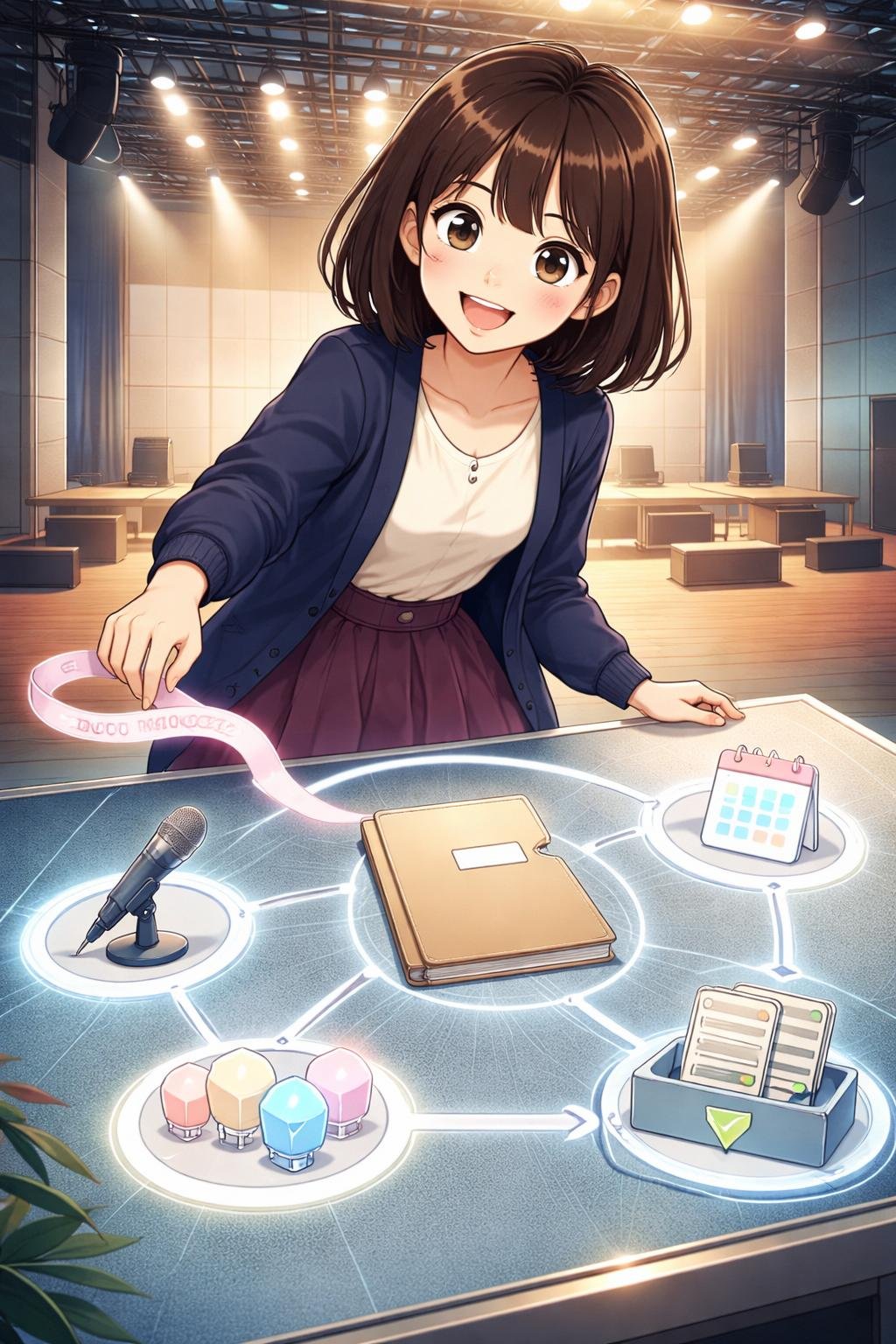
Misunderstanding 1: Every contract automatically ends after seven years
The supplied 2009 evidence describes a right to seek termination after seven years, followed by termination six months after notice. It does not establish an automatic end on the exact seventh anniversary of every contract.
Misunderstanding 2: Rumors can confirm whether a group has renewed
Rumors do not establish a private contract’s status. The verified standard-contract sources cannot confirm a specific artist’s renewal, termination, or ongoing negotiations.
Misunderstanding 3: Every member must renew on identical terms
The supplied sources do not establish how the members of a particular group must negotiate or whether their individual terms are identical. A report about a group should therefore be checked for whether it addresses the group collectively, named members individually, or only part of their activities.
Misunderstanding 4: A standard contract reveals every private clause
An official standard form provides a documented framework, but the available evidence does not prove that every private agreement contains identical wording. It also does not disclose an artist’s confidential provisions or later amendments.
Misunderstanding 5: The 2009 wording can be assumed to be the current wording
The supplied official sources confirm a partial revision in 2024, but the webpage text does not reproduce the detailed revised clauses. A current interpretation requires consultation of the applicable official materials rather than an assumption that historical wording remained unchanged.
K-Nana K-Pop Guide
Fictional educational example: Daughter reads a hypothetical report saying that an unnamed singer has reached seven years under an agreement. She does not conclude that the contract has already ended. Instead, she separates three questions.
- Termination framework: Does the report refer to the right described in the 2009 framework to seek termination after seven years?
- Notice period: Was notice actually given, and is the report referring to the six-month period described in that historical framework?
- Renewal or extension: Have the parties announced a mutually agreed renewal or extension?
Daughter treats the scenario only as a learning exercise. It is not a real artist contract, a personal experience, or evidence about any current idol. Her method shows why reaching seven years, giving notice, and agreeing to a renewal are separate concepts.
Practical Tips for K-Pop Beginners
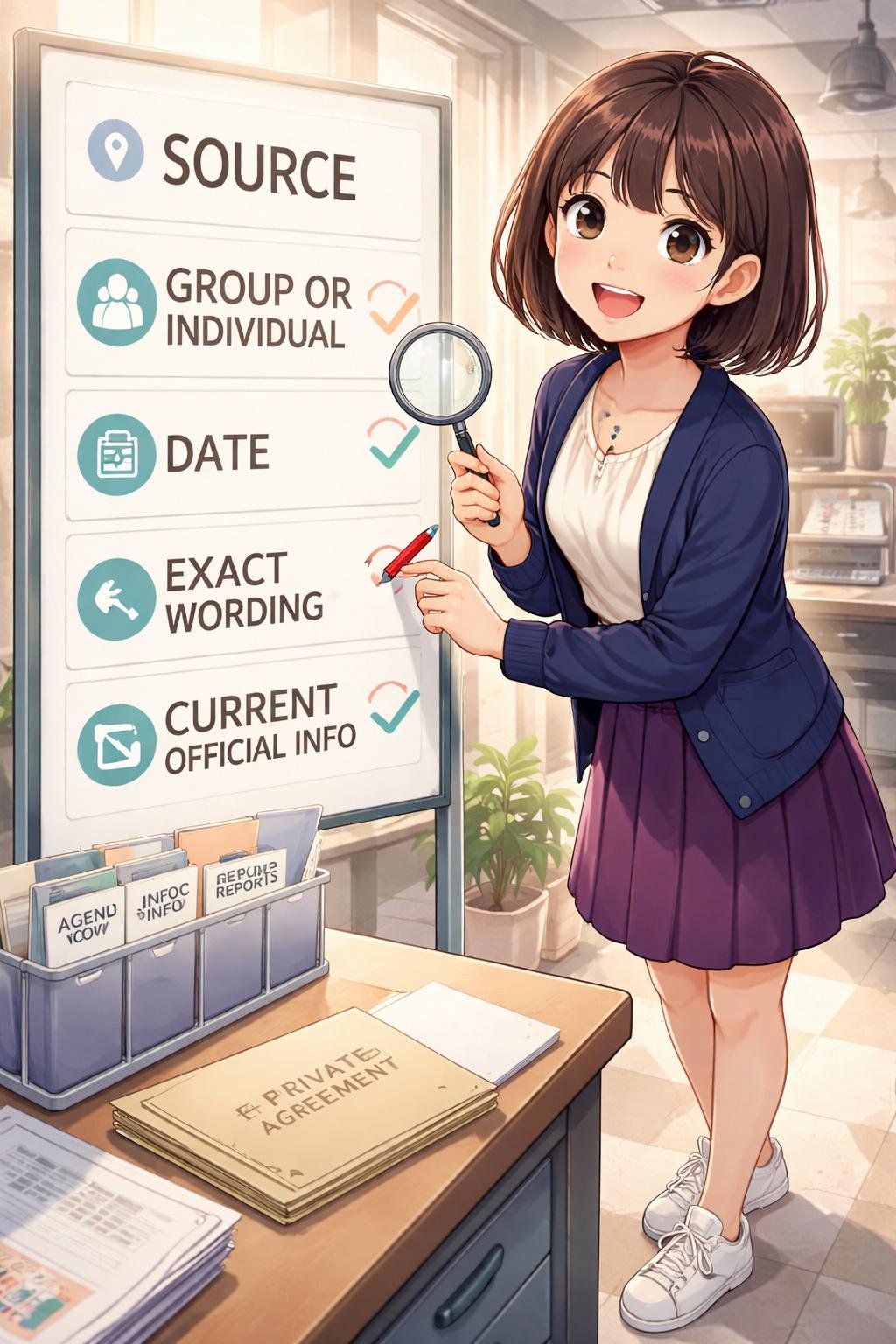
Use the following checklist when reading K-Pop contract or renewal news:
- Identify the source. Determine whether the information comes from an artist, an agency, a government body, an official filing or notice, or a secondary report.
- Read the exact wording. Phrases such as renewed, extended, terminated, discussing renewal, and activities continuing do not necessarily communicate the same claim.
- Check who is covered. Confirm whether a statement concerns a group, every named member, selected members, or a particular type of activity.
- Check the publication date. Contract information can change, so an older announcement may not describe the current position.
- Separate standard forms from private agreements. A government standard-contract page does not automatically disclose the terms of a particular artist’s contract.
- Do not treat fan shorthand as precise legal language. The phrase seven-year rule summarizes a documented historical mechanism, but it does not replace the exact source wording.
- Verify time-sensitive claims. Consult current official announcements and applicable government materials before drawing conclusions about an active agreement.
Frequently Asked Questions
Do all K-Pop idol contracts last exactly seven years?
The supplied sources do not establish that every K-Pop idol contract lasts exactly seven years. The 2009 Korea Fair Trade Commission material describes a singer’s ability to seek termination after seven years, not a universal statement about every private agreement.
Does reaching seven years automatically end a contract?
Not under the mechanism described in the supplied 2009 evidence. That framework connected the seven-year point to seeking termination and stated that termination took effect six months after notice.
What did the six-month period mean in the 2009 framework?
It was the period between notice and the effective termination described by the Korea Fair Trade Commission material. It should not be presented as a verified provision in every current individual contract.
Can a contract be extended or renewed?
Yes, the supplied 2009 evidence stated that the agency and singer could extend or renew the contract by agreement. The evidence does not reveal the terms of any particular renewal.
Could the seven-year termination right be restricted?
The 2009 material stated that the parties could mutually restrict the right for justified reasons, giving long-term overseas activities as an example. This is a description of that historical framework, not proof of a restriction in a specific artist’s agreement.
Does an official standard contract prove a specific idol’s terms?
No. The official sources establish the existence and history of standard-contract frameworks, but they do not disclose or verify every clause in an individual artist’s private agreement.
Final Takeaway
South Korea has used official standard exclusive-contract frameworks for singers and other popular-culture artists. In the supplied evidence, the Korea Fair Trade Commission’s July 2009 singer contract is the source of the documented concept that a singer could seek termination after seven years, with termination taking effect six months after notice.
The 2009 framework also allowed extension or renewal by agreement and recognized mutually agreed restrictions for justified circumstances. These details show why the seven-year rule should not be reduced to an automatic expiration on an artist’s seventh anniversary.
The Ministry of Culture, Sports and Tourism announced and implemented a partially revised standard contract on June 3, 2024. However, the supplied 2024 webpage text does not reproduce its detailed clauses. Any conclusion about a current artist’s private contract therefore requires current, case-specific verification.
References
- 행정규칙 > 대중문화예술인(가수·연기자) 표준전속계약서 | 국가법령정보센터
URL: https://law.go.kr/admRulLsInfoP.do?admRulId=65342&efYd=0 - 법령자료 – 훈령·예규·고시 – 대중문화예술인(가수·연기자) 표준전속계약서 고시 일부 개정 | 문화체육관광부
URL: https://www.mcst.go.kr/site/s_data/ordinance/instruction/instructionView.jsp?pCurrentPage=1&pMenuCD=0405020000&pSearchType=01&pSeq=3436 - 소비자정책 – 공정거래위원회
URL: https://www.ftc.go.kr/www/selectBbsNttView.do?bordCd=1&key=5&nttSn=29408&pageIndex=398&pageUnit=10&searchCnd=all - 보도·뉴스 – 보도자료 – 예술인과 사업자 상생할 새 대중문화예술인 표준전속계약서 고시 | 문화체육관광부
URL: https://www.mcst.go.kr/site/s_notice/press/pressView.jsp?pSeq=21135
Image Credits
The following are five planned descriptions for K-Nana Studio original educational illustrations. If produced, the illustrations may be AI-generated and will serve as illustrative learning aids rather than official artist, agency, government, or platform materials.
- 01 — Topic introduction: A planned editorial illustration introducing exclusive contracts as an important subject for understanding the K-Pop industry, without representing a real artist or private agreement.
- 02 — Beginner basics: A planned educational comparison distinguishing the general idea of an exclusive contract, an official standard form, and a privately negotiated individual agreement.
- 03 — Verified background and fact-checking: A planned timeline aid identifying the verified July 2009 standard singer-contract framework and the June 3, 2024 revision and implementation announcement, without adding unsupported clauses.
- 04 — Music-industry and fandom context: A planned illustration explaining how contract discussions can enter music-industry reporting and fandom conversation without depicting or implying unsupported artist activity.
- 05 — Practical educational takeaway: A planned checklist illustration for checking the source, date, exact wording, people covered, and official confirmation behind a renewal report.
These planned illustrations are not verified photographs or reproductions of official contracts, artist materials, agency documents, government designs, or platform interfaces.
Disclaimer
This article provides general cultural and educational information and is not legal advice. K-Nana Studio is not affiliated with or endorsed by any artist, agency, government body, or platform mentioned or discussed through the source material.
The article cannot establish the terms, duration, renewal status, termination status, or enforceability of a private contract. Laws, official standard forms, policies, classifications, individual arrangements, and interpretations may change or remain uncertain. Readers should consult current official sources and seek qualified professional advice when a legal or contractual decision is involved.
Artist names, agency names, government materials, contract terminology, and other intellectual property remain the property of their respective rights holders. Any AI-generated or original K-Nana Studio illustrations are unofficial educational aids and may not reproduce the appearance or content of real contracts or official materials. Access to official webpages and published policies may also change, so important current information should be confirmed directly with the relevant official source.