
Seoul Forest is one of Seoul’s best-known urban green spaces, bringing together tree-lined paths, open lawns, gardens, ponds, resting areas, and seasonal scenery within the city. Located beside Seongsu-dong, the park offers an easy escape from cafés, shopping, and busy streets while remaining closely connected to one of Seoul’s most creative contemporary neighborhoods.
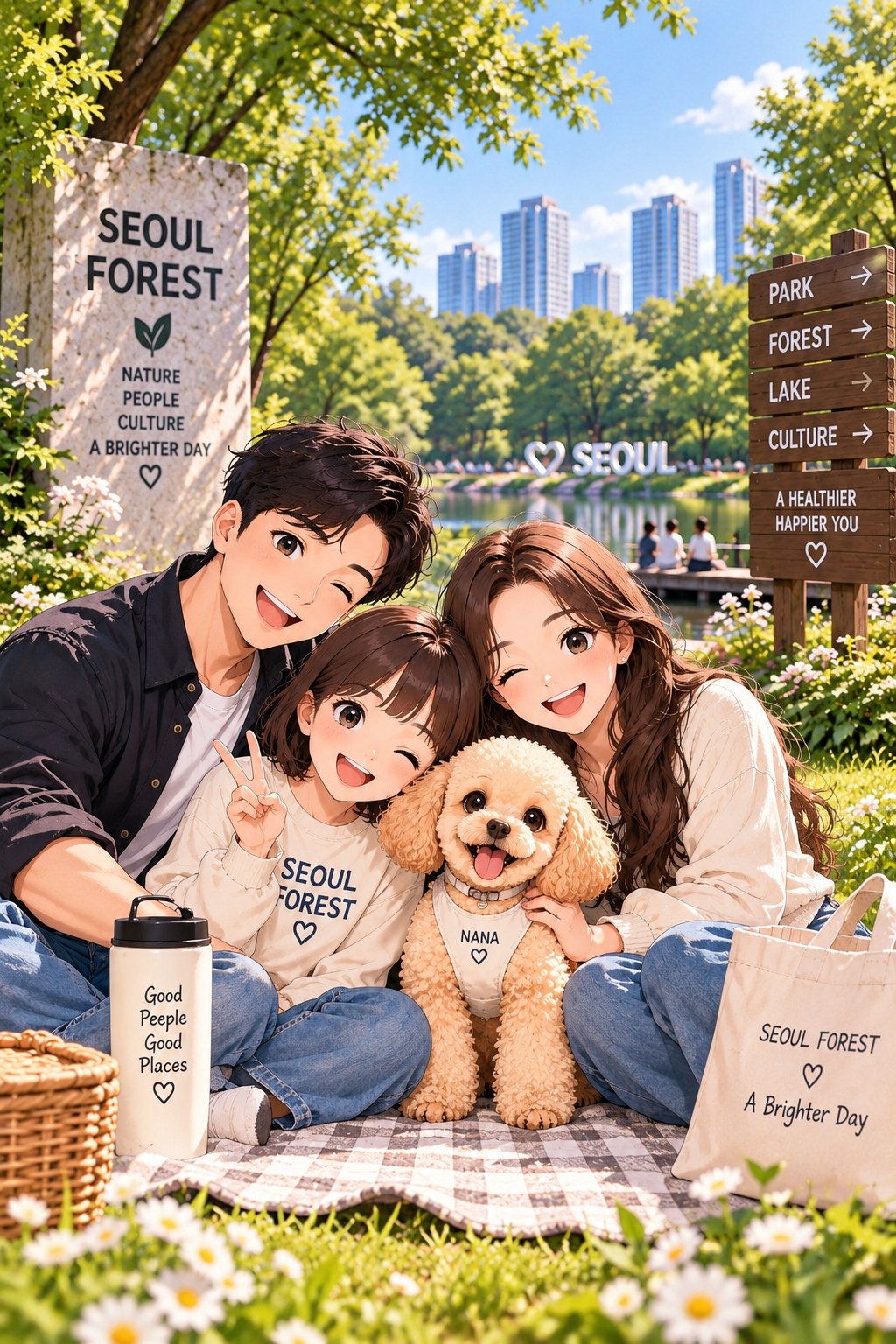
Enjoy trees, lawns, gardens, walking paths, and a relaxing break from the city at Seoul Forest with the K-Nana family.
Quick Guide
| Location | Seongdong-gu, Seoul |
| Best for | Walking, nature, picnics, photography, relaxing, seasonal scenery |
| Recommended time | About 2–4 hours |
| Nearest subway | Seoul Forest Station |
| Admission | General park access is free |
| Good to combine with | Seongsu-dong and the surrounding Seongdong-gu area |
What Is Seoul Forest?
Seoul Forest is a large public park in eastern Seoul that provides green space within a dense urban environment. Visitors can explore wooded paths, lawns, gardens, water features, resting areas, and different landscaped sections.
The park opened in 2005 and has since become a popular place for walking, picnics, photography, exercise, and casual outdoor time.
Its location beside Seongsu-dong makes it especially convenient for travelers who want to combine contemporary Seoul culture with a quieter outdoor experience.
Why Visit?
- Take a break from Seoul’s busy commercial streets.
- Walk beneath trees and through landscaped green spaces.
- Relax on open lawns or enjoy a simple picnic.
- Experience seasonal flowers and changing foliage.
- Photograph nature with the Seoul skyline nearby.
- Combine the park easily with cafés, fashion, and shopping in Seongsu-dong.
Walk Through the Trees
Walking is one of the simplest ways to experience Seoul Forest. Tree-lined paths connect different parts of the park and allow visitors to explore without following a strict sightseeing route.
Some areas feel open and spacious, while others provide more shade and a stronger woodland atmosphere.
The park works well for both a short break and a longer walk, depending on how much time you have.
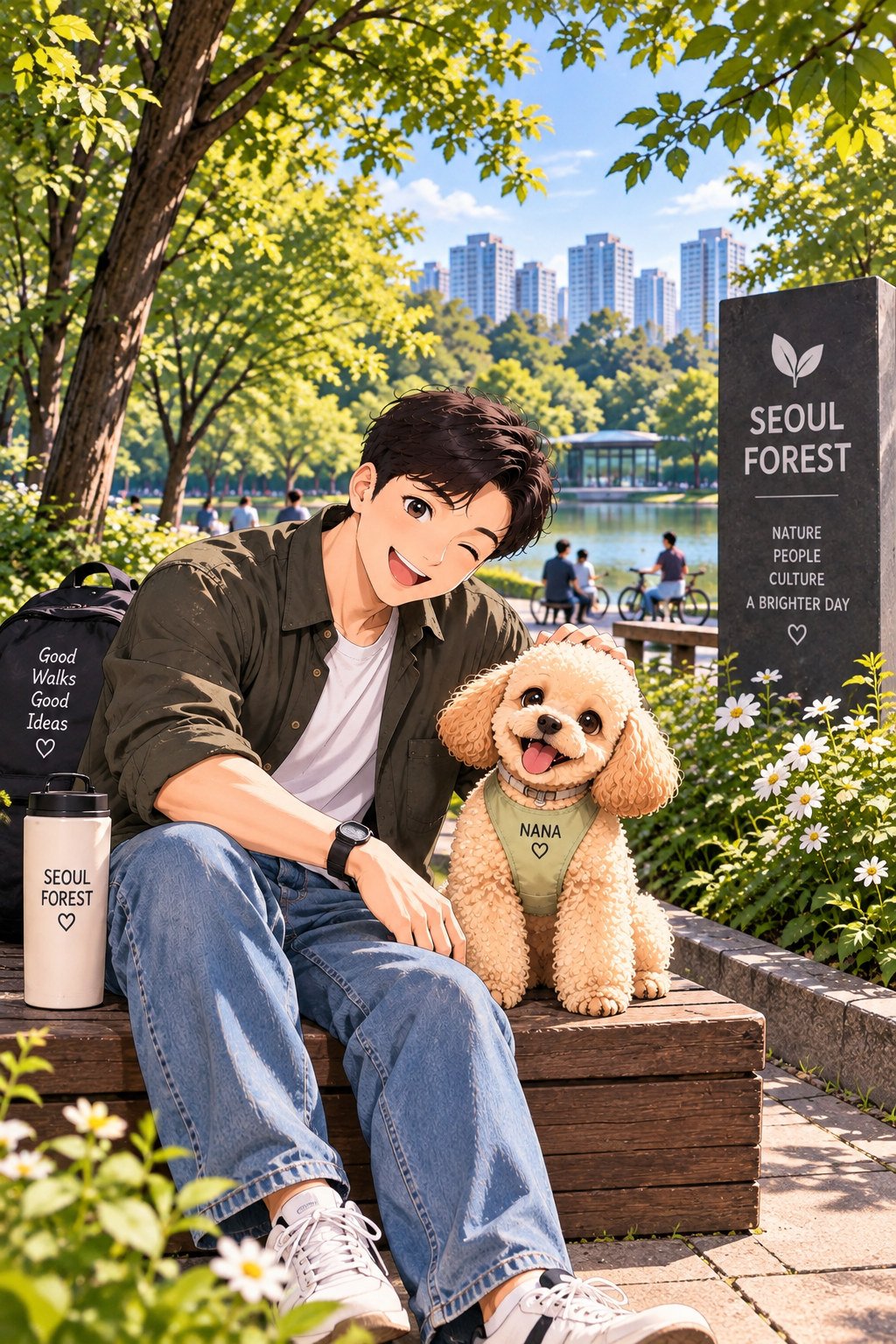
Tree-lined paths and shaded resting areas make Seoul Forest an easy place for a relaxed city walk.
Gardens, Flowers & Seasonal Scenery
The appearance of Seoul Forest changes throughout the year. Flowers, fresh green leaves, autumn colors, and winter landscapes can give the same paths a completely different character depending on the season.
Spring and autumn are particularly popular for walking and photography, although every season offers a different view of the park.
Specific flowers and peak foliage periods depend on weather and yearly conditions, so seasonal scenery should not be expected on an exact fixed date.
Ponds & Quiet Corners
Water features and landscaped areas create quieter spaces within the park. Reflections, trees, flowers, boardwalks, and nearby seating can provide a pleasant contrast to the surrounding city.
These areas are useful when you want to slow down rather than move continuously from one attraction to another.
Taking time to sit and observe the park can be just as enjoyable as covering a large distance.
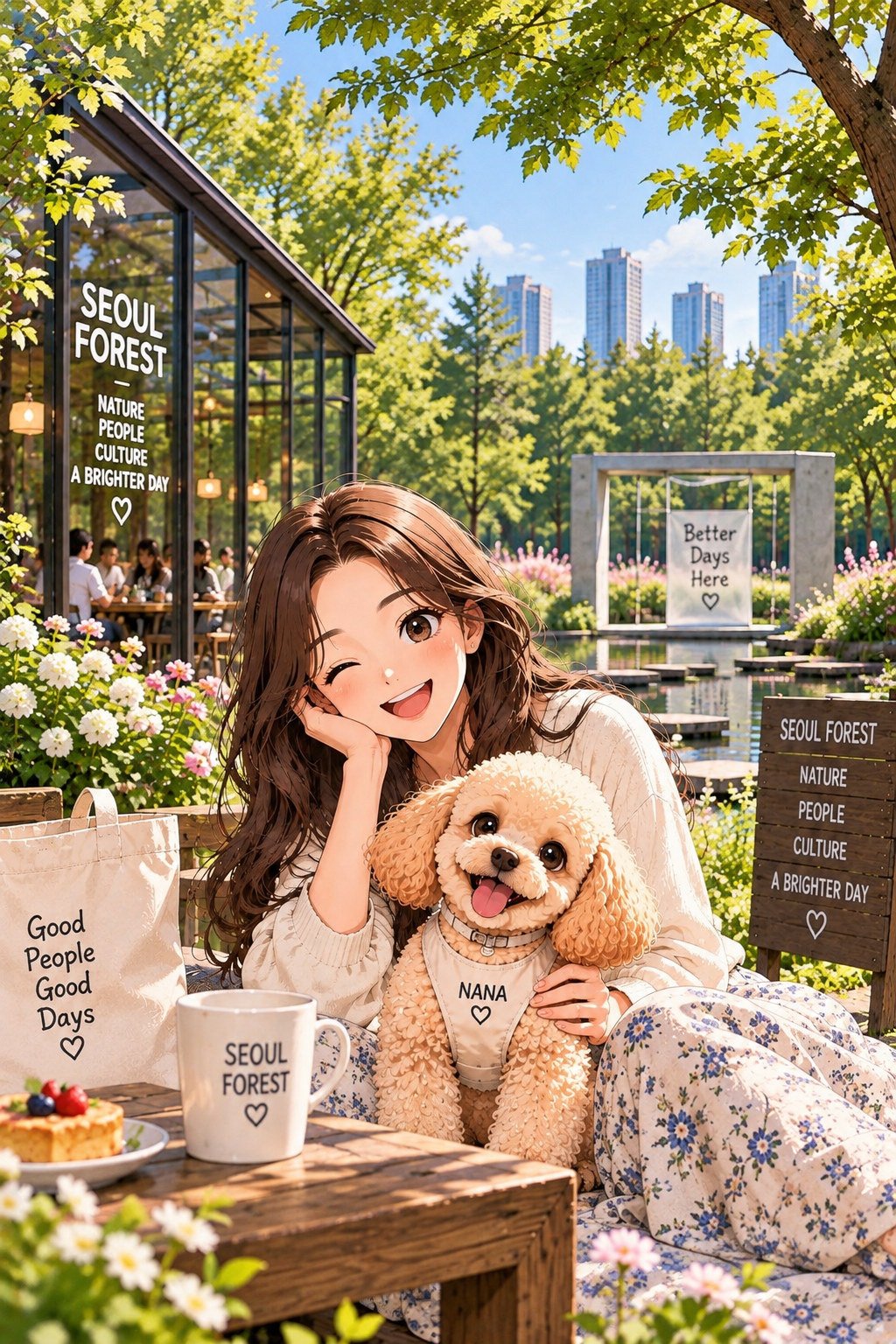
Flowers, greenery, and landscaped spaces reveal a softer side of Seoul Forest.
Picnic on the Lawn
Open lawns make Seoul Forest suitable for a simple picnic or outdoor break. Visitors can bring snacks, drinks, books, or a small picnic mat and spend time away from the surrounding commercial streets.
A picnic does not need to become a complicated part of the itinerary. Even a short rest on the grass can make the park feel very different from sightseeing in central Seoul.
Keep shared spaces clean and take all rubbish with you when leaving.
A Different Side of Seoul
Seoul Forest demonstrates how nature and dense urban development can exist close together. Trees and lawns fill the foreground while apartment buildings and other city structures remain visible beyond the park.
This combination makes the park useful for travelers who want outdoor time without making a long trip outside Seoul.
It also provides a different experience from riverside parks such as Mangwon Hangang Park, where the Han River and open waterfront are the defining features.
Photography in Seoul Forest
Seoul Forest offers many photography opportunities without relying on one famous viewpoint. Trees, flowers, ponds, lawns, paths, sculptures, seasonal colors, and distant buildings can all become part of the scene.
Morning and late afternoon light can create softer conditions than the middle of a sunny day.
Because the park is a shared public space, avoid blocking paths or disturbing other visitors while taking photographs.
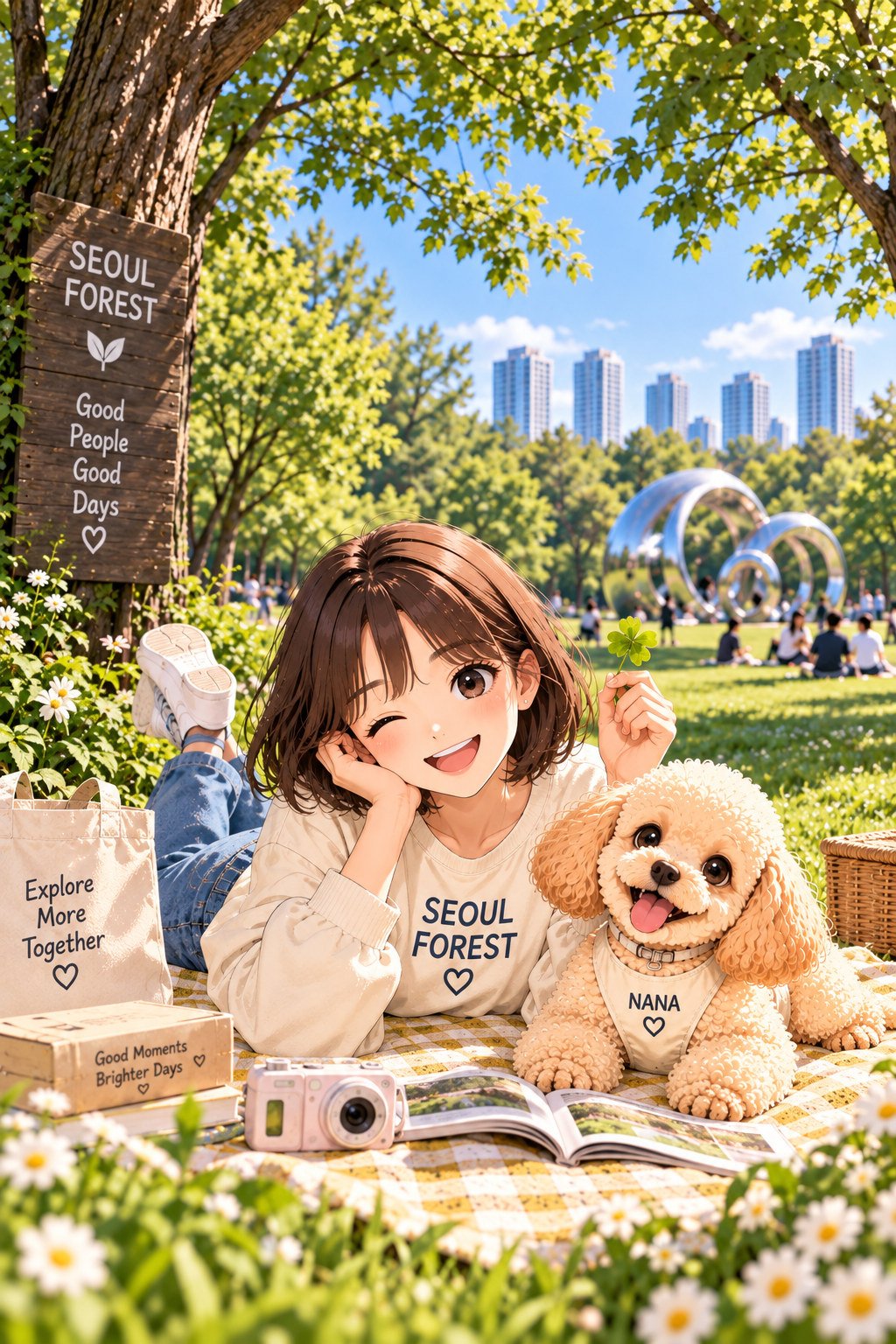
Open lawns provide space for picnics, photography, reading, and slow afternoons in Seoul Forest.
Seoul Forest & Seongsu-dong
The strongest nearby combination is Seongsu-dong.
Seongsu offers red-brick industrial streets, large cafés, fashion, design, shopping, and pop-up culture. Seoul Forest provides trees, gardens, lawns, and outdoor space only a short distance away.
Combining the two allows visitors to experience very different environments without spending the day traveling across Seoul.
Which Should You Visit First?
There is no required order. Visitors who prefer outdoor walking can begin at Seoul Forest before continuing into Seongsu for cafés, shopping, and dinner.
Another option is to explore Seongsu during the earlier part of the day and use Seoul Forest as a quieter afternoon break.
The best order depends on weather, café plans, shopping priorities, and how long you want to remain outdoors.
Seoul Forest vs Yeonnam-dong
Yeonnam-dong also combines greenery with cafés and neighborhood streets, but the experience is different.
Yeonnam-dong centers on the Gyeongui Line Forest Park and surrounding cafés, restaurants, and small shops.
Seoul Forest provides a larger park environment with broader lawns, wooded areas, gardens, and more space dedicated primarily to outdoor recreation.
Seoul Forest vs Mangwon Hangang Park
Both Seoul Forest and Mangwon Hangang Park are useful when you want outdoor time in Seoul.
Mangwon Hangang Park focuses on Han River scenery, cycling, open waterfront, picnics, and sunsets.
Seoul Forest places more emphasis on trees, gardens, lawns, ponds, and a park-like woodland environment.
Best Time to Visit
Morning and late afternoon are comfortable periods for walking during warmer seasons, while midday can work well when temperatures are mild.
Spring brings fresh greenery and seasonal flowers, while autumn can provide colorful foliage. Summer offers dense green scenery but may also be hot and humid.
Winter provides a quieter and more minimal landscape, although cold weather can limit how long visitors want to remain outdoors.
How Long to Spend
About 2–4 hours is suitable for many first-time visitors.
A short walk and rest can take considerably less time, while photography, picnicking, seasonal exploration, and a slower route through several park sections can extend the visit.
When combined with Seongsu-dong, the two destinations can comfortably fill half a day or longer.
How to Get There
Seoul Forest Station on the Suin–Bundang Line provides convenient access to the area.
Ttukseom Station may also be useful depending on where you are coming from and whether your itinerary includes Seongsu-dong.
Because the park has multiple paths and access points, check a current map when you have a specific section or nearby destination in mind.
Seoul Forest in the Late Afternoon
Late afternoon can be particularly pleasant as the light becomes warmer and shadows stretch across the lawns and paths.
This is also a useful time to transition toward Seongsu-dong for cafés, restaurants, shopping, or an evening walk.
Visitors who prefer a quieter experience can simply remain in the park and enjoy the changing atmosphere as daytime activity begins to slow.
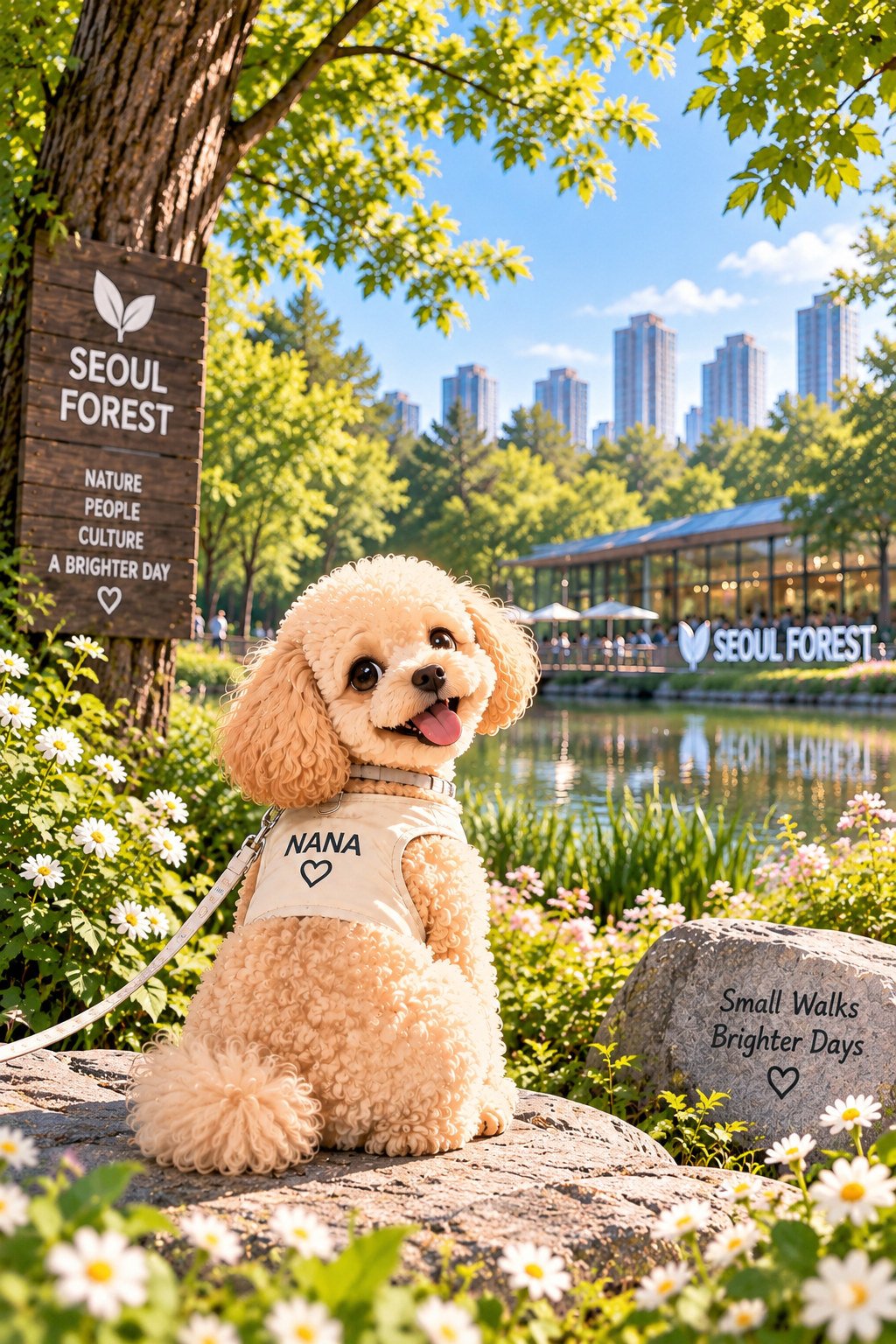
Quiet paths, flowers, water, and warm afternoon light make Seoul Forest a relaxing place to slow down.
First-Time Visitor Tips
- Wear comfortable shoes because the park is best explored on foot.
- Check the weather before planning a long outdoor visit.
- Bring water during warmer months.
- Use sun protection when spending extended time on open lawns.
- Do not expect every seasonal flower or foliage display to peak on fixed dates.
- Keep picnic areas clean and take rubbish with you.
- Respect planted areas and follow park signs or temporary restrictions.
- Combine Seoul Forest with Seongsu-dong for an easy half-day itinerary.
What to Do Nearby
- Seongsu-dong — cafés, fashion, design, red-brick streets, and pop-up culture.
- Ttukseom — nearby streets and access toward other parts of Seongdong-gu.
- Han River — riverside parks and cycling routes extending across Seoul.
- Seongdong-gu — the wider district containing Seoul Forest, Seongsu, and surrounding neighborhoods.
K-Culture Connection
Seoul Forest reflects the role of large public green spaces in contemporary Seoul life. Walking, picnicking, photography, exercise, meeting friends, and simply resting outdoors are all part of the park experience.
Its relationship with nearby Seongsu-dong is particularly interesting. Within the same area, visitors can move between nature and some of Seoul’s most visible café, fashion, design, and pop-up trends.
This combination provides another perspective on modern Korean city life beyond historical landmarks and major shopping districts.
FAQ
Is Seoul Forest free?
General access to Seoul Forest is free. Individual facilities, programs, events, or services may operate separately.
What is Seoul Forest known for?
Seoul Forest is known for its trees, lawns, gardens, walking paths, water features, seasonal scenery, picnics, and convenient location beside Seongsu-dong.
How long should I spend at Seoul Forest?
About 2–4 hours works well for many first-time visitors. A shorter walk is also possible if you are combining the park with Seongsu.
Which subway station is best for Seoul Forest?
Seoul Forest Station on the Suin–Bundang Line provides convenient access. Ttukseom Station can also be useful for some routes.
Can I visit Seoul Forest and Seongsu-dong on the same day?
Yes. Seongsu-dong is one of the most natural destinations to combine with Seoul Forest.
Is Seoul Forest similar to a Han River park?
Both provide outdoor recreation, but the experiences differ. Seoul Forest emphasizes trees, gardens, lawns, and park scenery, while Mangwon Hangang Park focuses more strongly on river views, cycling, waterfront picnics, and sunsets.
Related K-Nana Guides
Continue directly into Seongsu-dong for cafés, fashion, design, and pop-ups. For another combination of greenery and neighborhood culture, explore Yeonnam-dong. For open Han River scenery, cycling, picnics, and sunsets, visit Mangwon Hangang Park. Visitors looking for a busier contemporary district can also continue through the K-Nana guide to Hongdae.
Official Information
Park facilities, landscaped areas, events, seasonal displays, maintenance work, access routes, and temporary restrictions can change. Weather can also affect outdoor activities and seasonal scenery. Check current Seoul park and local information when a particular facility, event, garden, or access point is important to your visit.
Image Credits
Seoul Forest family travel visual — K-Nana Studio original visual.
Seoul Forest walking with Dad and Nana visual — K-Nana Studio original visual.
Seoul Forest garden with Mom and Nana visual — K-Nana Studio original visual.
Seoul Forest picnic with K-Nana daughter and Nana visual — K-Nana Studio original visual.
Nana enjoying Seoul Forest nature visual — K-Nana Studio original visual.