
Korean Calligraphy and Seal-Engraving Experience for First-Time Visitors
A Korean calligraphy and seal-engraving experience gives international visitors a hands-on way to discover Hangeul, traditional brushwork, and the Korean custom of using personal seals. Instead of only seeing Korean writing on signs, books, or souvenirs, you can sit at a worktable, handle traditional writing tools, practice characters, and create a small piece connected to your own name or travel experience.
You do not need previous calligraphy experience or advanced Korean-language skills. Beginner workshops are generally about learning the process step by step, following an instructor, practicing patiently, and enjoying the experience of making something yourself.
This guide explains what first-time visitors can expect, how calligraphy and Korean seals are connected, what to check before booking, and how to approach the workshop safely and respectfully.
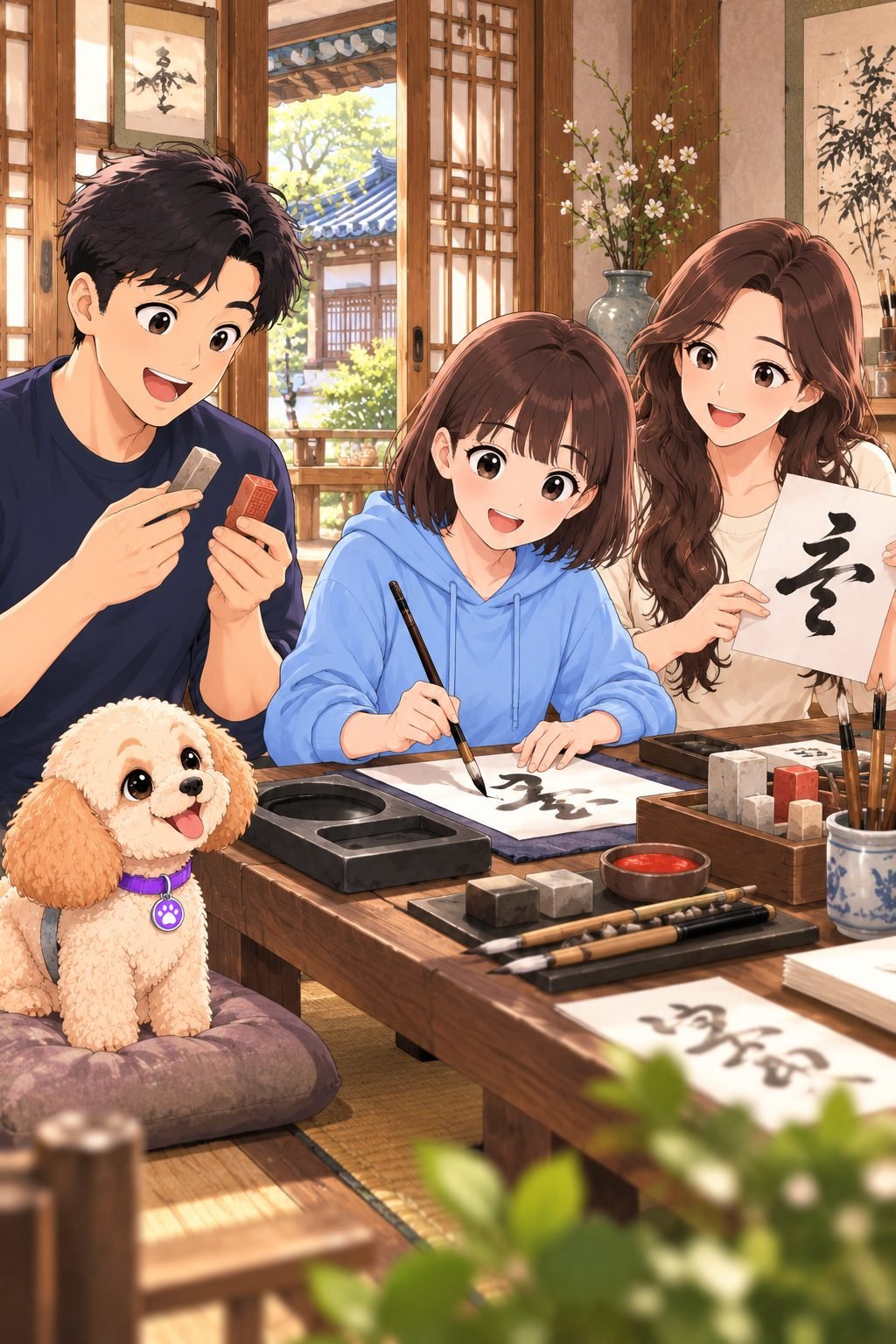
What Is a Korean Calligraphy Experience?
Korean calligraphy turns written characters into a visual art form. In a beginner-friendly Hangeul calligraphy workshop, participants can learn how a brush behaves differently from an ordinary pen and how changes in pressure, direction, speed, and ink affect each stroke.
A class may begin with simple brush exercises before moving to individual Hangeul characters, a name, a short word, or another small project selected for the workshop.
Depending on the program, the final work might be created on traditional-style paper, a postcard, a decorative sheet, a hanging piece, or another material prepared by the instructor.
Workshop formats vary, so the goal is not to assume that every class teaches exactly the same traditional technique. Some emphasize traditional brush calligraphy, while others use more contemporary Hangeul lettering or souvenir-oriented projects.
What Is a Korean Personal Seal?
A Korean personal seal is commonly called a dojang. A seal creates a stamped impression and has historically been used in Korea in personal, administrative, artistic, and other contexts.
For travelers, a personalized Hangeul seal can also become a compact cultural souvenir. Depending on the workshop, participants may choose how their name is represented in Hangeul, plan the design, select a seal material, and participate in part or all of the making process.
A calligraphy workshop and a seal-making workshop are not automatically the same activity. Some programs focus entirely on writing, some focus on seals, and others may connect the two.
Why Calligraphy and Seal Making Work Well Together
Calligraphy and seals both use written characters visually, but they approach them at very different scales.
With a brush, you learn to think about larger strokes, spacing, movement, and the balance of the whole composition. With a seal, the design has to work inside a much smaller area.
This makes the combination especially interesting for beginners. You can first explore how Hangeul looks when written freely with a brush and then see how a name or simple character design can be transformed into a compact personal mark.
Step 1: Understand What Your Workshop Includes
Before you begin, check exactly what you booked. The words “calligraphy experience,” “seal making,” “hand-carved seal,” and “custom seal” can describe different services.
A hands-on class may allow you to practice writing, design a seal, and work directly on the finished item. Another program may involve an artisan completing the more specialized parts for you.
Before paying, check:
- Activity type: Calligraphy, seal making, or a combined experience.
- Hands-on work: Which parts you actually complete yourself.
- Language support: Whether instruction is available in a language you understand.
- Materials: Whether brushes, ink, paper, seal materials, and other supplies are included.
- Duration: How much time is scheduled for practice and finishing.
- Finished item: What you will be able to take home.
Step 2: Look at the Finished Result Before You Start
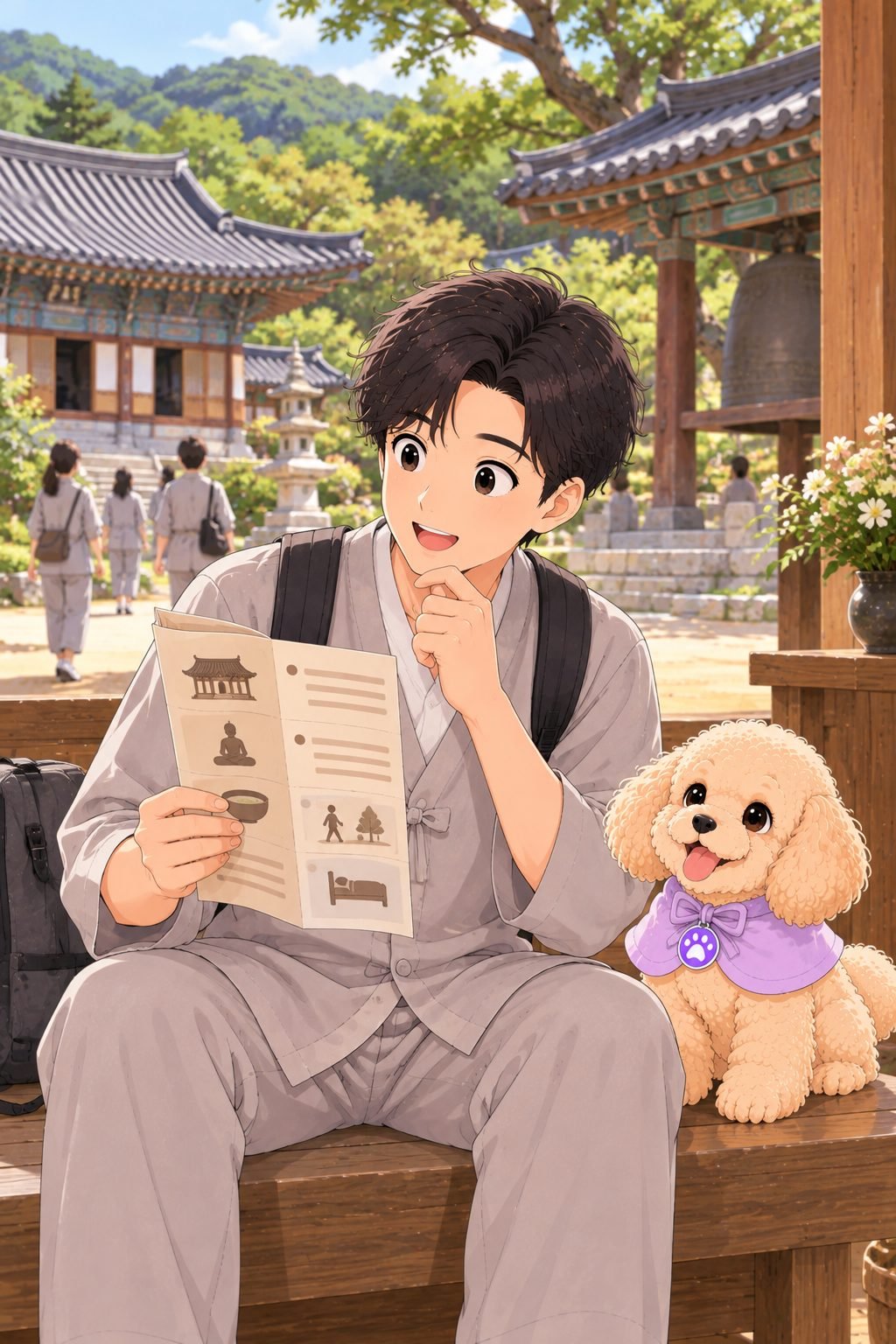
Seeing a finished example before beginning can make the process much easier to understand.
A small seal may look simple from the outside, but the final stamped impression depends on the character arrangement, spacing, carving, and orientation of the design.
If your workshop includes a personalized Hangeul name seal, confirm the spelling and layout before any permanent work begins.
This is particularly important for international visitors. Foreign names are usually represented in Hangeul according to pronunciation, and there may be more than one possible way to represent some names.
Ask the instructor to check the Hangeul version you intend to use rather than choosing characters only because they look attractive.
Step 3: Learn the Basic Calligraphy Tools
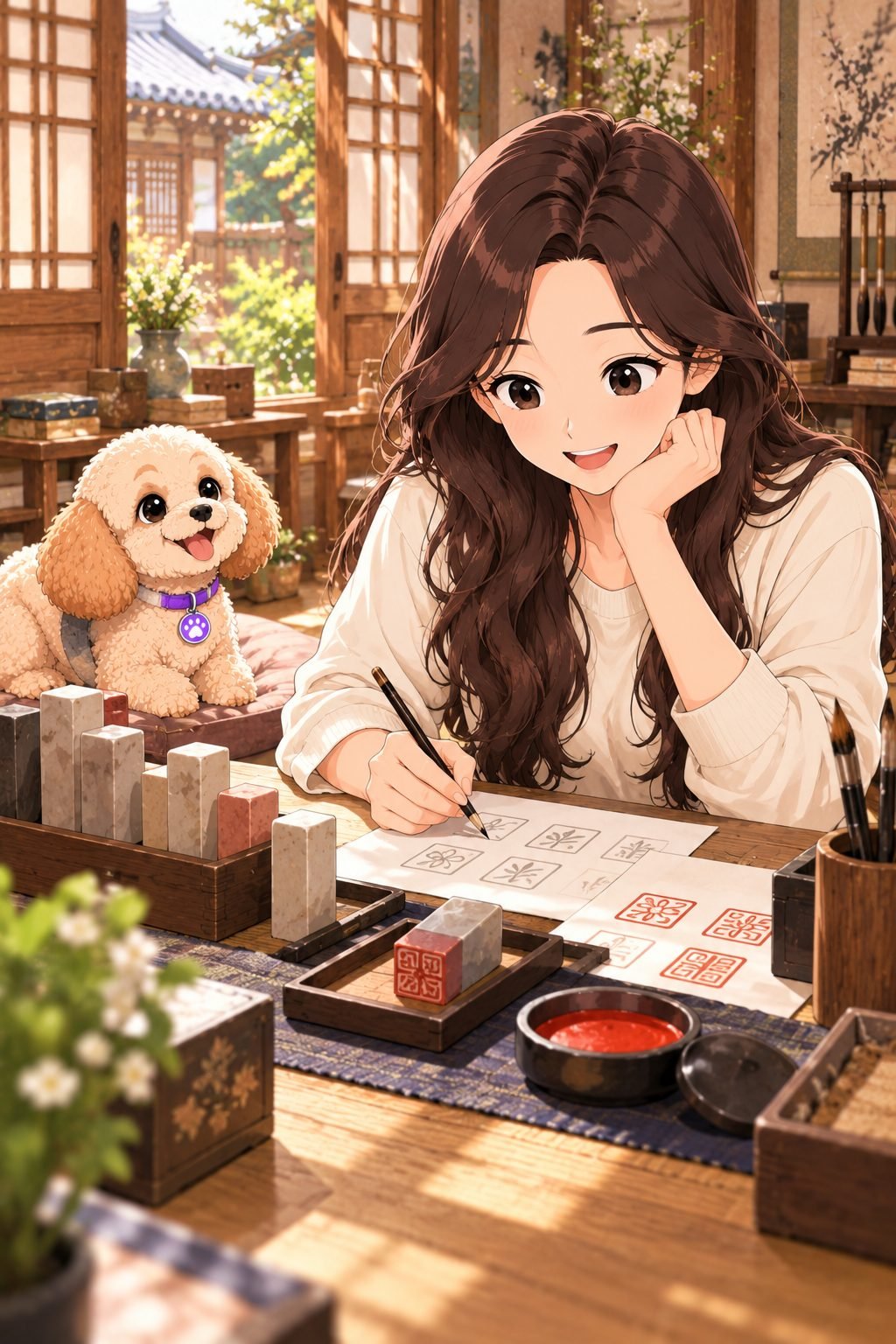
Traditional-style calligraphy introduces tools that may be unfamiliar to a first-time visitor. A workshop may use brushes, ink, an inkstone or related writing equipment, paper, and other materials selected by the instructor.
Before trying to write a complete word, learn how the brush should be held and how much ink should be used.
Too much ink can make a stroke spread. Too little can produce an unintended dry effect. Pressing harder, lifting the brush, changing direction, and changing speed can also alter the shape of a stroke.
Your first attempts do not need to look perfect. Practice is part of the experience.
Step 4: Practice Hangeul Before the Final Piece
Start with simple strokes or individual characters before moving to your final design.
Practice gives you time to understand character proportions, spacing, brush pressure, and how the ink behaves on the paper being used in the workshop.
If you plan to write your name, a short Korean word, or a simple phrase, ask the instructor to check it before you commit it to the final material.
A short project is often a better choice for a beginner than a long sentence. It gives you more opportunities to practice each character and focus on the appearance of the complete composition.
Step 5: Create Your Final Calligraphy
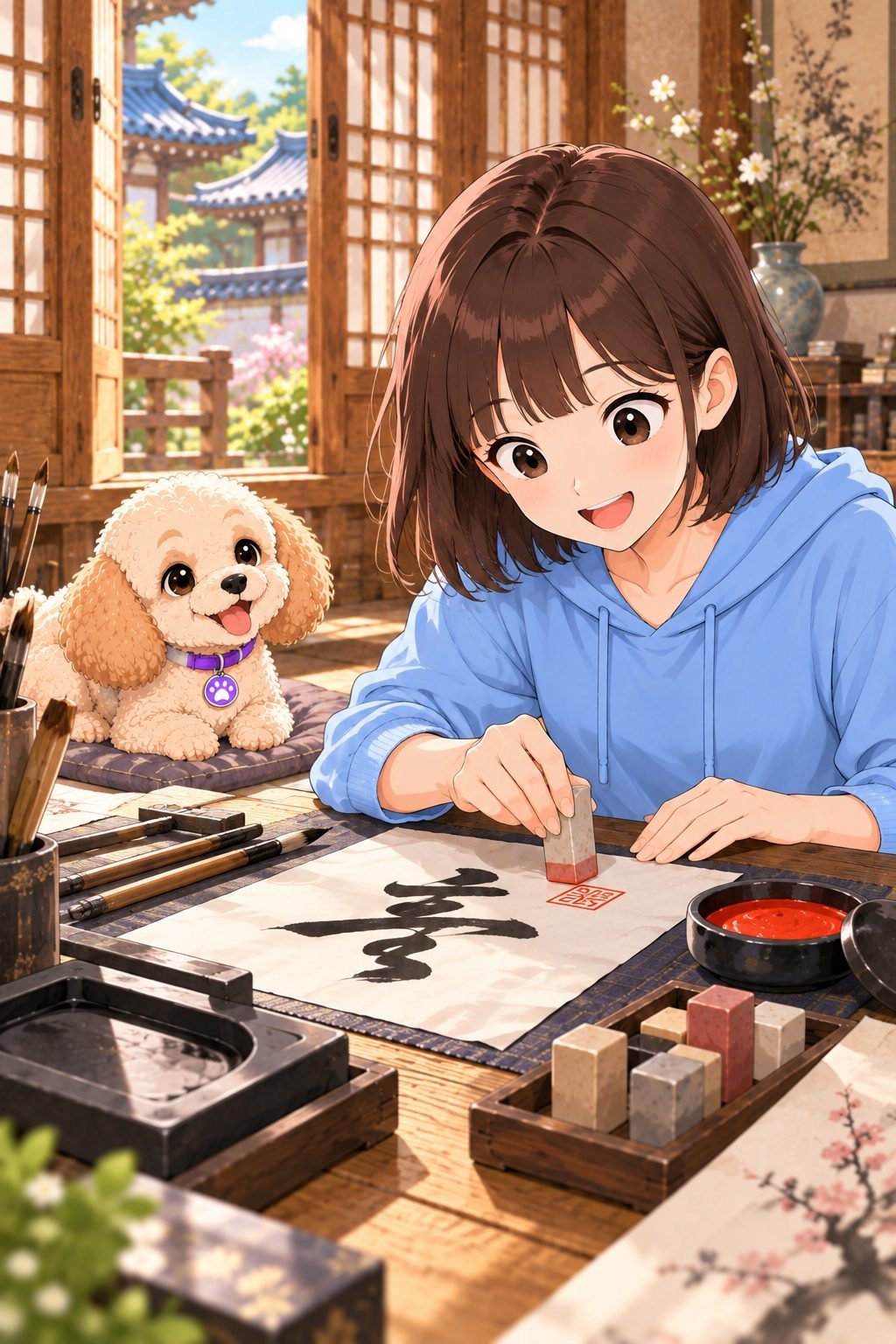
After practicing, you can move to the final piece provided by the workshop.
This is where the earlier exercises become useful. Instead of concentrating only on whether each individual character is technically correct, look at the balance of the entire work: character size, spacing, empty space, and the relationship between one stroke and the next.
Do not rush because this is the “final” version. Brush calligraphy rewards controlled movement, and working too quickly can make it harder to manage the ink and spacing.
The finished work does not need to look like professional calligraphy. Small differences in brush movement are part of what makes a handmade piece personal.
Adding a Personal Seal to the Finished Work
If your workshop includes a completed personal seal, it may be possible to use the stamped impression as a finishing element on your calligraphy.
Follow the instructor’s guidance about placement and stamping. A seal impression is small, but its position can affect the visual balance of the finished piece.
Use only the amount of seal paste or ink recommended by the instructor, press carefully, and avoid moving the seal while making the impression.
Once the calligraphy and seal impression are complete, give them enough time to dry before touching, stacking, rolling, or packing the work.
Seal-Engraving Safety
Some hands-on seal-making workshops may involve carving tools. These tools can be sharp and should be used only according to the instructor’s directions.
Work slowly, keep your hands positioned as demonstrated, and do not experiment with unfamiliar carving techniques on your own.
If children or younger travelers are participating, check the workshop’s current age requirements and supervision rules before booking. Some providers may limit who can use particular tools or may have an instructor complete certain steps.
Where to Try the Experience in Seoul
Insadong is a natural area to explore if you are interested in Korean calligraphy, traditional crafts, art materials, galleries, and personalized seals.
However, you do not need to choose a workshop simply because it is located in a famous traditional neighborhood. Compare the actual class content, language support, duration, materials, safety procedures, and finished item.
Workshop prices, schedules, reservation methods, and activities can change, so check the current information from the individual provider before booking.
How Much Time Should You Allow?
There is no universal duration for a Korean calligraphy and seal-engraving experience.
A short introductory calligraphy activity may require much less time than a workshop that includes Hangeul practice, final artwork, seal design, engraving, stamping, and drying.
Leave some flexibility after the class, especially if your finished calligraphy needs time to dry or your handmade item needs to be packed carefully.
The goal is not to finish as quickly as possible. Give yourself enough time to understand the process, practice, and leave with a piece that reminds you of the experience.
What to Check Before Booking
Calligraphy and seal-making workshops can look similar in search results while offering very different experiences. Read the program details carefully before making a reservation.
- Workshop type: Confirm whether the class covers calligraphy, seal making, or both.
- Hands-on engraving: Check whether you carve the seal yourself or an artisan completes some or all of the engraving.
- Language support: Confirm whether instruction is available in a language you understand.
- Duration: Check the expected class length and allow additional time if necessary.
- Materials: Find out whether brushes, ink, paper, seal materials, and other supplies are included.
- Finished item: Confirm what you will actually take home.
- Age requirements: Check whether younger participants can use engraving tools and whether guardian supervision is required.
- Reservation policy: Review current booking, cancellation, and refund conditions.
Prices and class formats vary by provider, so treat the current workshop listing as the final source for booking details.
What Should You Wear?
You do not need special clothing for a beginner calligraphy or seal-making workshop. Comfortable everyday clothes are usually the most practical choice.
However, calligraphy uses ink, and craft activities can involve materials that may stain clothing. Avoid wearing something that would be difficult to clean or that would make you nervous around ink and craft materials.
Long sleeves, loose accessories, or other items that could interfere with the work surface should be kept under control while using ink or engraving tools.
Writing Your Name in Hangeul
Creating a Korean version of your name can be one of the most personal parts of the experience.
Foreign names are generally represented in Hangeul according to their pronunciation, but there may not always be one obvious spelling that perfectly represents every name.
If your final seal will contain your name, ask the instructor to check the Hangeul spelling before engraving begins. Once material has been carved, correcting a spelling mistake can be difficult or impossible.
Avoid choosing Korean characters simply because they look visually attractive if you do not know what they mean. For a personalized souvenir, an instructor-confirmed rendering of your own name is usually easier to understand and remember.
Common Beginner Mistakes
Both calligraphy and seal engraving reward patience. Most beginner problems come from trying to move too quickly.
- Using too much ink: Excess ink can spread and make brush control more difficult.
- Skipping practice: Moving directly to the final paper can make simple spacing problems harder to correct.
- Choosing too much text: A short word or name is usually easier for a first project.
- Ignoring character spacing: Individual characters may look good but still feel unbalanced as a complete composition.
- Engraving before checking the design: Confirm the spelling and arrangement first.
- Rushing with carving tools: Follow the instructor’s technique and work slowly.
- Packing wet artwork immediately: Ink and seal impressions need time to dry.
Protecting Your Finished Work
Your finished calligraphy and seal can become compact souvenirs from the experience, but they should be packed carefully.
Allow wet ink and stamped areas to dry fully before touching, stacking, folding, or rolling the artwork. Follow the instructor’s advice for the particular paper or material used in your workshop.
Keep the seal itself protected from hard impacts and avoid placing wet seal paste directly against other belongings.
If you are flying home with your work, ask whether the workshop provides a protective sleeve, box, tube, or other suitable packaging.
Tips for International Visitors
- Check language support before booking: Visual demonstrations help, but understanding safety instructions is particularly important during engraving.
- Confirm your Hangeul name: Have the spelling checked before committing it to a permanent seal.
- Choose a manageable design: A simple project can produce a better first experience than an overly ambitious one.
- Ask what you will make: Photos of a workshop do not always show exactly which project is included in your booking.
- Allow extra time: Beginners may need additional practice before completing the final piece.
- Protect the finished work: Give ink and seal impressions enough time to dry before packing.
If you are already exploring Insadong, a calligraphy or seal-making workshop can fit naturally into the same day as galleries, traditional shops, crafts, and other cultural experiences in the area.
K-Nana Family Guide
Dad: Practice the brush strokes first. The final paper is not the best place to discover how much ink is on your brush.
Mom: Check the Hangeul spelling, workshop inclusions, class duration, and finished item before you start.
Daughter: Keep the design simple enough to make it your own. A short name or word can become a more memorable first project than a complicated phrase.
Nana: Slow hands make better souvenirs, woof! Let the ink dry before packing your masterpiece.
Practical Calligraphy and Seal-Making Checklist
- Confirm whether the workshop includes calligraphy, seal making, or both.
- Check whether seal engraving is actually hands-on.
- Confirm language support.
- Check the current class duration and participation fee.
- Find out which materials are included.
- Check age or guardian requirements when relevant.
- Confirm your Hangeul name spelling before engraving.
- Practice brush strokes before using the final paper.
- Follow all instructions for carving tools.
- Allow ink and seal impressions to dry completely.
- Protect the finished artwork and seal for the trip home.
Frequently Asked Questions
Do I need to know Korean to try Korean calligraphy?
No. Beginner cultural workshops can introduce the basic characters and writing process. Language support varies by provider, so check the individual class before booking.
Can I write my own name in Hangeul?
Often, yes, depending on the workshop. Ask the instructor to confirm the spelling before using it for a final calligraphy piece or permanent seal.
Do I carve the Korean seal myself?
That depends on the program. Some workshops offer hands-on carving under guidance, while other services involve more work by an instructor or artisan. Check the description before booking.
Is seal engraving safe for children?
Some engraving activities involve sharp tools, so age restrictions, guardian requirements, and instructor assistance can vary. Families should confirm the current rules with the workshop provider.
Can I take the calligraphy and seal home?
Many hands-on workshops are designed around creating a finished item, but exactly what participants receive varies. Confirm the included finished work before booking.
How long does the experience take?
There is no single standard duration. A short calligraphy activity can take much less time than a combined workshop involving practice, final artwork, seal design, engraving, and finishing.
Where can I find this type of experience in Seoul?
Insadong is particularly relevant for visitors interested in calligraphy, traditional crafts, stationery, galleries, and personalized seals. Workshops are also available in other parts of Seoul, so compare current programs before choosing.
Final Takeaway
A Korean calligraphy and seal-engraving experience turns Hangeul into something you can practice, design, and take home. The appeal is not producing a perfect piece on your first attempt. It is learning how the brush moves, seeing how Korean characters can become a visual composition, and turning a name or simple design into a personal seal.
For beginners, patience matters more than speed. Practice before using the final paper, confirm your Hangeul spelling before engraving, follow the instructor’s safety directions, and give the finished work enough time to dry.
If your Seoul itinerary already includes Insadong, this type of workshop can add a hands-on cultural experience to a neighborhood already associated with traditional crafts, galleries, calligraphy, and handmade souvenirs.
References
- Korea Tourism Organization (VISITKOREA) — Hangeul calligraphy, hand-carved seal, and Korean cultural experience information.
- Visit Seoul — Insadong calligraphy, traditional craft, and handmade seal information.
Image Credits
Calligraphy and seal-making family visual with Dad, Mom, K-Nana daughter, and Nana illustrating a hands-on Korean traditional culture workshop — K-Nana Studio original visual.
Korean calligraphy visual with Dad and Nana illustrating a first-time visitor practicing basic brush strokes with ink and hanji — K-Nana Studio original visual.
Korean seal-design visual with Mom and Nana illustrating the planning stage of a personalized Hangeul name seal — K-Nana Studio original visual.
Finished calligraphy visual with K-Nana daughter and Nana illustrating the completion of a Hangeul artwork with a personalized seal impression — K-Nana Studio original visual.
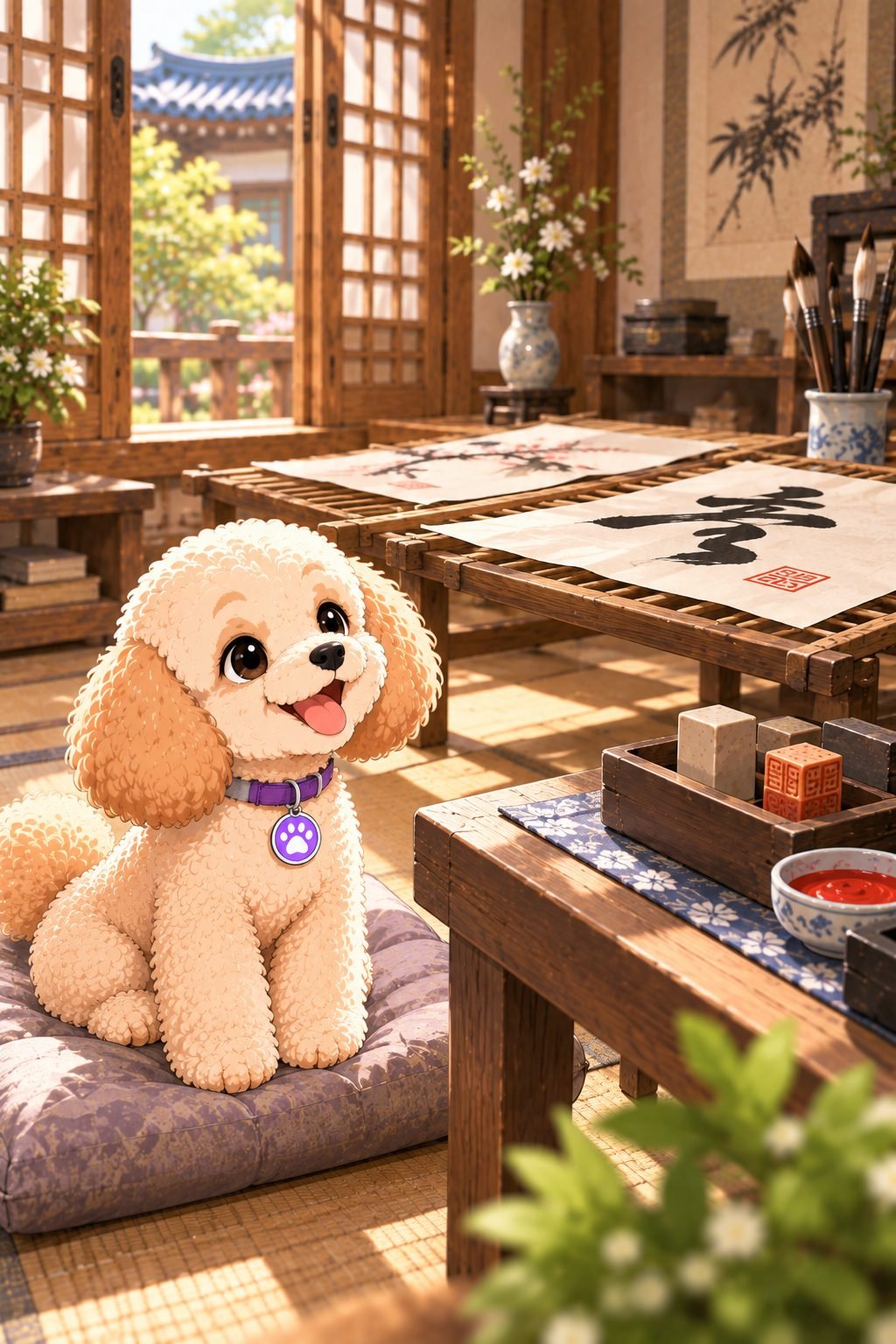
Nana as the K-Nana Studio mascot reminding travelers to let calligraphy ink dry and protect their handmade artwork and seal before taking them home — K-Nana Studio original visual.
Disclaimer
This article is provided for general travel, cultural, and educational information. Workshop formats, participation fees, class duration, language support, materials, age requirements, booking conditions, and finished items vary by provider and can change.
Seal-engraving activities may involve sharp carving tools. Participants should follow the instructor’s safety directions at all times, and parents or guardians should confirm age and supervision requirements before booking activities for children.
Always check current workshop details, reservation conditions, accessibility, and safety requirements directly with the program provider before participating.